Norway’s Bastø Electric: Five Years of Electric Ferry Service
Bastø Electric has crossed the Oslofjord since March 2021. Five years on, the electric ferry program shows how battery vessels work.
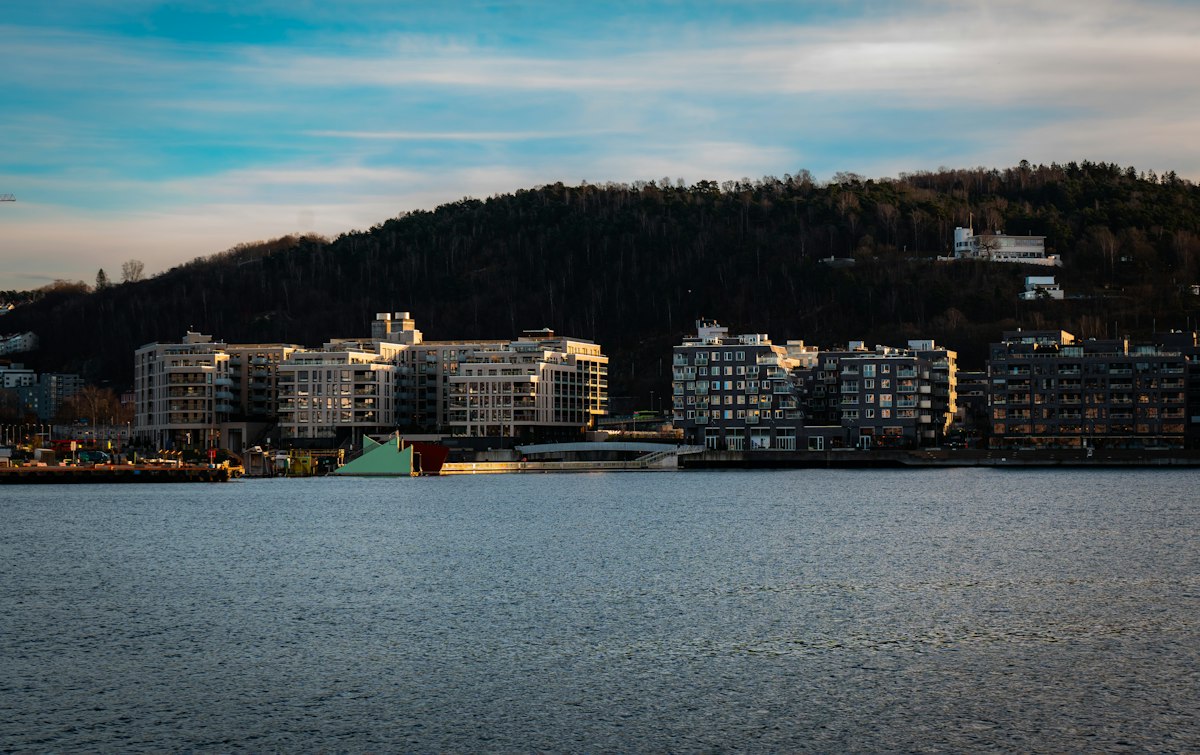
Bastø Electric made its debut in Norwegian waters in March 2021, and it was impossible to ignore. At 139.2 meters long, with room for 600 passengers and 200 cars, and powered by a 4.3 MWh battery, it was the largest all-electric ferry in the world at the time. The vessel was not built as a showpiece for calm days and camera crews. It was placed directly into the Moss-Horten service across the Oslofjord, tasked with doing exactly what the diesel ferries did: carrying people and vehicles back and forth, all day, every day.
Five years later, that's still the job. Bastø Electric isn't the biggest electric ferry afloat anymore. Incat's China Zorrilla carries more than 40 MWh of battery capacity, which dwarfs the Norwegian vessel's pack, and that's a fact you can't argue with. But Bastø Electric has something those newer ships don't. It's got five years of actual service behind it.
A Short Crossing That Makes Batteries Work
The Moss-Horten connection ranks among Norway's busiest ferry routes. It's busy. Earlier figures from Bastø Fosen put annual traffic at roughly 3.7 million passengers and 1.8 million vehicles across about 36,000 departures. But current operator information places the route near 2 million vehicles and around 4 million passengers each year. The crossing itself covers only about 10 kilometers. It takes around half an hour.
That distance makes battery propulsion practical. The ferry knows exactly where it's going and, more importantly, where it will charge next, which is the kind of certainty that a vessel crossing the North Sea or running a long coastal route simply can't count on. While alongside, Bastø Electric can draw up to 9 MW from the shore charging system. It doesn't need to carry energy for a North Sea crossing. So the ship needs enough for the crossing, plus reserve to rejoin the charging cycle. That simple, repeating pattern explains why ferries became one of the first places where battery power made sense.
The Program Was Always Bigger Than One Boat
Electrification at Moss-Horten was never a single-vessel experiment. Bastø Fosen also converted Bastø IV and Bastø VI from diesel to electric propulsion. With all three ferries running on electricity, the company expected them to handle about 75 percent of the route's departures and cut diesel consumption by roughly 6 million liters annually. The route had previously burned about 8.5 million liters of diesel every year. That 6 million liter figure translates to roughly 16,000 metric tons of CO2 per year using the standard emissions factor for diesel. The real savings depend on how the vessels are operated and how much electricity is used, so it remains an estimate rather than a verified five-year total.
It didn't happen all at once. Bastø Electric entered service in 2021 while the charging system and the conversions of Bastø IV and Bastø VI were still being finished, so the vessels initially ran with hybrid capability while the shore infrastructure caught up. By 2023, charging was available at both ends. And all three ferries could operate fully on electricity. That's the whole story.
"A crossing from Horten to Moss can essentially be reduced to three pushes on the screen."
That's how Svein Erik Waskass, captain of Bastø Electric, described the automation installed by Kongsberg Maritime, which fitted Auto Docking and Auto Crossing to the three electric ferries. It's simple. Auto Docking uses sensors and thruster controls to manage the approach to the terminal, and Auto Crossing draws on data from previous trips to build and follow a route that optimizes propulsion and power use. But they don't do it alone.
What the Automation Actually Changes
This isn't just swapping a diesel engine for batteries. It's a different story. Electric propulsion makes precise control easier, especially during docking and low-speed maneuvering, and power demand can be adjusted directly instead of managing a conventional engine and drivetrain. But the automation doesn't mean the ferry runs unmanned or that Bastø Electric is an autonomous ship. People still operate it. What changes is that some of the repetitive work a crew performs hundreds or thousands of times can be handled by the system.
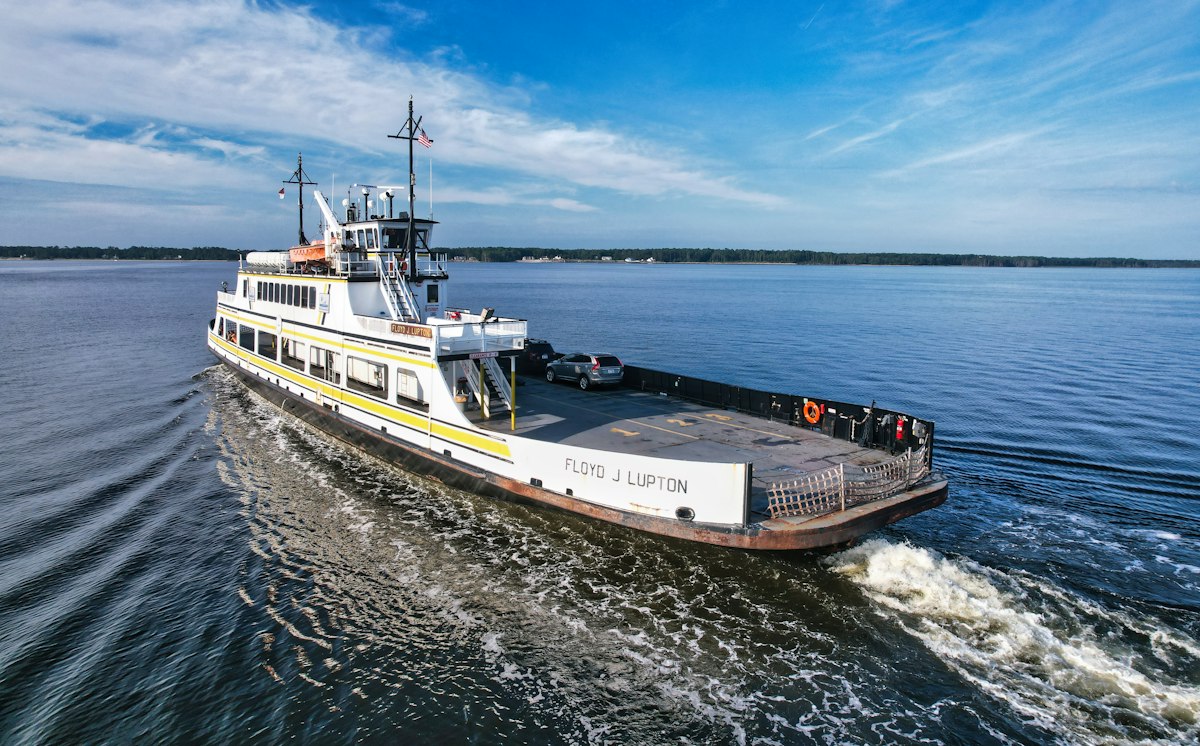
A ferry making the same short crossing several times a day is close to an ideal candidate. The route is known. The terminals are known. The charging points are known. The vessel has made the trip before, many times over.
What Five Years Does and Does Not Prove
There is no clean public tally of how many crossings Bastø Electric itself has made. The ferry works as part of a fleet, and the operator's traffic numbers cover the route rather than individual vessels. The route as a whole handles around 36,000 departures a year and has carried roughly 3.8 million passengers and 1.8 million vehicles annually. With Bastø Electric and its two converted sister ships taking about three-quarters of those departures, the electrification program was designed to eliminate about 6 million liters of diesel use each year, cutting the route's CO2 emissions by about 75 percent.
Important. The system didn't run fully electric. Not for all five years. The infrastructure was completed later, and the vessels entered the program at different times, which means the three-ferry system didn't operate fully electrically across the whole span people like to picture when they hear the headline number. So it would be wrong to claim that 30 million liters of diesel have actually been saved. The original fuel-saving estimate was a prediction about what might happen if the technology worked, and five years on, it's no longer a prediction, but it's also not a measured total.
Two of the three ships weren't new. They're conversions. Bastø IV and Bastø VI were existing vessels converted to electric power, and while Bastø IV completed its conversion in 2021, Bastø VI followed with sea trials in March 2022, a timeline that shows how the project unfolded across two calendar years. Both carry about 600 passengers and 200 cars. So the Moss-Horten operation became a mixture of new construction, conversion, and new charging infrastructure rather than a fleet replacement program.
That mixture is probably closer to how electrification will unfold on many other ferry routes. Operators already own their ships. They have contracts to fulfill and terminals designed around diesel vessels. Some ships can be replaced. Others can be converted. The infrastructure has to be built around both.
In 2021, that battery looked enormous. Now it's modest. Newer electric ferries make sure of that. But Bastø Electric still offers something, and it isn't size, because what this vessel really provides after five years of service is proof, the kind you can't fake with a bigger pack or a sleeker hull. The charging equipment at the terminal is what makes the battery useful. And the same vessels are now being fitted with systems that automate parts of their regular operation, which is the kind of quiet upgrade you don't notice until you watch a crew step back and let the software take over. That may be the more interesting five-year update than the pack itself.
Frequently Asked Questions
What were the specifications of Bastø Electric when it debuted in March 2021?
Bastø Electric was 139.2 meters long, with room for 600 passengers and 200 cars, and powered by a 4.3 MWh battery. At the time, it was the largest all-electric ferry in the world.
Why does the Moss-Horten crossing make battery propulsion practical for Bastø Electric?
The crossing covers only about 10 kilometers and takes around half an hour, so the ferry knows exactly where it's going and where it will charge next. This certainty allows it to draw up to 9 MW from the shore charging system while alongside, rather than carrying energy for a long voyage.
How did Bastø Fosen expand electrification beyond Bastø Electric on the Moss-Horten route?
Bastø Fosen also converted Bastø IV and Bastø VI from diesel to electric propulsion, with Bastø IV completing its conversion in 2021 and Bastø VI following with sea trials in March 2022. With all three ferries running on electricity, the company expected them to handle about 75 percent of the route's departures and cut diesel consumption by roughly 6 million liters annually.
What does the automation installed by Kongsberg Maritime actually change about operating the ferries?
Auto Docking uses sensors and thruster controls to manage the approach to the terminal, and Auto Crossing draws on data from previous trips to build and follow a route that optimizes propulsion and power use. However, the automation doesn't mean the ferry runs unmanned or that Bastø Electric is an autonomous ship—people still operate it, and what changes is that some repetitive work can be handled by the system.
Does Bastø Electric's five years of service prove that a specific amount of diesel was saved?
No, it would be wrong to claim that 30 million liters of diesel have actually been saved, because the system didn't run fully electric for all five years and the infrastructure was completed later. The original fuel-saving estimate was a prediction about what might happen if the technology worked, and five years on, it's no longer a prediction, but it's also not a measured total.
Sebastian Wolf reports on the car industry, from performance machines to the engineering that powers them. He is fascinated by how manufacturers balance tradition with the rapid move to electrification.
💬 Comments (0)
No comments yet. Be the first!