Aston Martin EV plan delayed to 2035
CEO Adrian Hallmark says the Aston Martin EV plan is delayed, aiming for a launch near the 2035 legislative deadline.
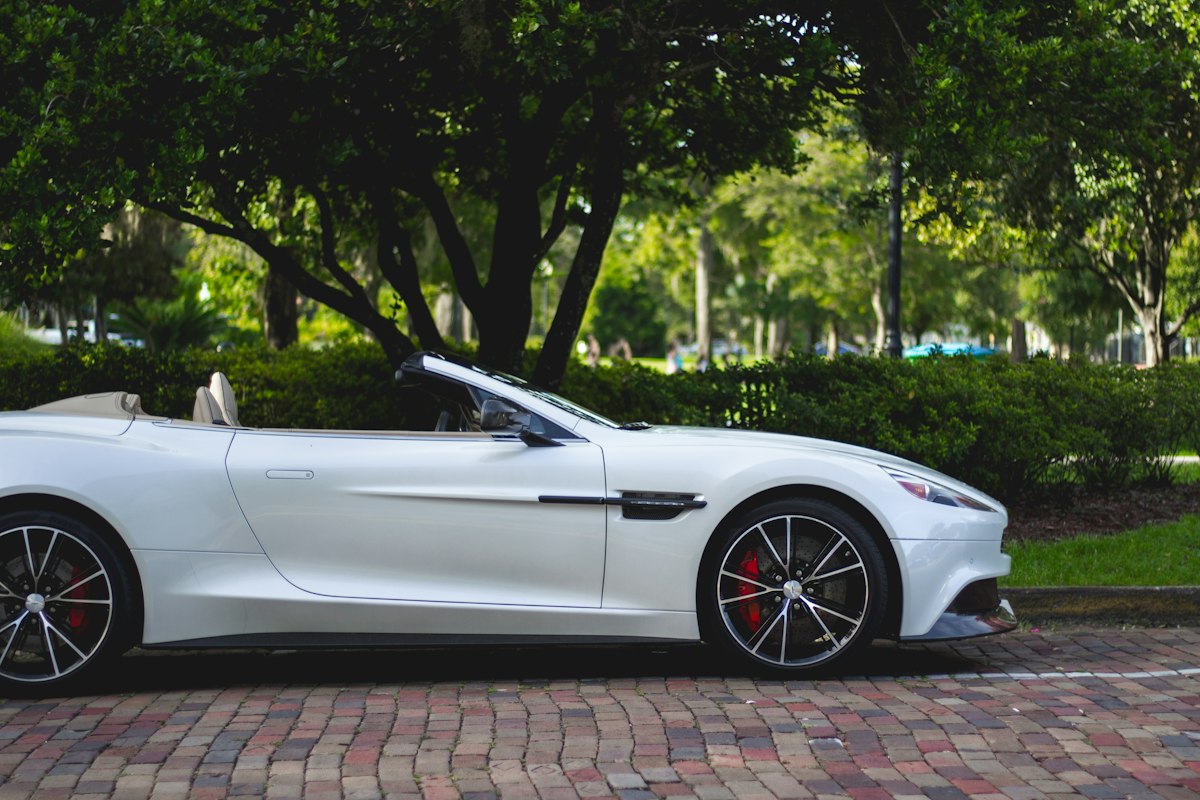
Aston Martin has delayed its first pure electric vehicle. That's a big shift. The launch now lands around 2035, and the luxury British automaker won't make its transition to battery-electric power until legislative mandates force its hand, which is a striking departure from the brand's earlier electrification goals and a clear nod to a market reality where buyers still want internal combustion engines. So they're waiting. It's not what they promised.
A decade of timeline slippage
They've delayed it again. The journey toward an electric future keeps slipping. At first, the brand promised to reveal a battery-electric vehicle by the close of 2025, a target that later slid to 2027, and now leadership points toward a window closer to the 2035 legislative deadline, which it's still years away from. But don't expect it sooner. We've heard these dates before, and they're not holding.
This massive shift means the first electric model from the brand could arrive a full decade after its originally promised date. And brand leadership cited rapidly shifting expectations from both customers and lawmakers as the primary driver behind this schedule change. The pace of transformation has proven faster than car companies can comfortably manage. It's a delay. They're behind. We've seen promises slip before. But the gap here is a full decade, and that's a number the brand can't easily explain away to customers or lawmakers who keep raising the bar.
The legislative push
They're not driving the market. And they're not chasing early adoption. The company is positioning itself to react to legal requirements, which means it's waiting for the law to force its hand. So the strategy is now to build a pure electric vehicle only when the law leaves no other choice. That's the plan.
The goal is to maintain compliance without getting ahead of actual consumer demand.
"We only need BEVs to be compliant for legislative reasons just before 2035. I'm not going to give an absolute date, because it's imprecise. It could be 2035, it might be 2033, but it's in that three-year window. It's not 2031." , CEO Adrian Hallmark
Pistons keep pumping in showrooms
The Aston Martin EV plan takes a back seat. Traditional combustion engines stay the core focus. The brand intends to keep its signature V-8 and V-12 powerplants alive for as long as regional regulations permit, and there's a clear roadmap in place to keep both larger and smaller combustion engines compliant right up to the end of the transition period. But they don't plan to drop them early. It's a long game. We've got the facts straight: the roadmap holds until the transition period ends.
Hybridization will serve as the bridge to keep these traditional powertrains legal. But plug-in hybrids? They're not part of the immediate plan. The company wants to avoid the heavy weight penalties that come with plug-in systems, because those penalties add mass the company don't want, and that's a problem it can't ignore right now.
Avoiding the weight penalty
Weight is the enemy of sports car performance. Adding heavy batteries to a plug-in hybrid setup introduces unwanted mass that compromises handling and dynamics.
By skipping the plug-in step, the engineering teams can avoid a weight penalty of approximately 200 kilograms, or 440 pounds. This choice keeps the current lineup lighter and more agile.
Collaborative technology partnerships
When the transition to electricity finally happens, the company will not develop the technology in isolation. A key partnership exists with Lucid, which has taken a 3.7 percent stake in the British automaker. Additionally, longtime partner Mercedes-Benz is positioned to provide electric drivetrains.

The delay in the Aston Martin EV plan actually offers a technological advantage. By waiting to activate these agreements, the brand will gain access to much more advanced technology than what was available when the original contracts were signed.
Key areas of partnership focus include:
- Advanced electric powertrains sourced from specialized partners
- Next-generation electronic systems developed with Mercedes-Benz
The path to profitability
Preserving the sounds and smells of combustion engine sports cars is one thing.
But there is a catch. Preserving heritage is only one part of the equation. The harder job still ahead is dragging the loss-making brand back into profitability.
Frequently Asked Questions
What is the Aston Martin EV plan according to the article?
The Aston Martin EV plan is to delay its first pure electric vehicle until around 2035. The company will not make its transition to battery-electric power until legislative mandates force its hand. This strategy is a departure from earlier electrification goals.
Why did Aston Martin delay its EV plan?
Brand leadership cited rapidly shifting expectations from both customers and lawmakers as the primary driver behind the schedule change. The company is positioning itself to react to legal requirements, waiting for the law to force its hand. The goal is to maintain compliance without getting ahead of actual consumer demand.
When might Aston Martin's first electric model arrive, and how does that compare to the original target?
The first electric model could arrive around 2035, a full decade after its originally promised date. Originally, the brand promised to reveal a battery-electric vehicle by the close of 2025, a target that later slid to 2027. CEO Adrian Hallmark said it could be 2035, might be 2033, but it's in that three-year window and not 2031.
How does Aston Martin plan to keep its combustion engines alive during the transition period?
The brand intends to keep its signature V-8 and V-12 powerplants alive for as long as regional regulations permit. There is a clear roadmap to keep both larger and smaller combustion engines compliant right up to the end of the transition period. Hybridization will serve as the bridge to keep these traditional powertrains legal, but plug-in hybrids are not part of the immediate plan due to weight penalties.
Who are Aston Martin's technology partners for its electric transition, and what advantage does the delay provide?
Aston Martin has a key partnership with Lucid, which has taken a 3.7 percent stake in the British automaker, and longtime partner Mercedes-Benz is positioned to provide electric drivetrains. The delay in the Aston Martin EV plan offers a technological advantage because waiting to activate these agreements will give the brand access to much more advanced technology than what was available when the original contracts were signed. Key areas of partnership focus include advanced electric powertrains and next-generation electronic systems developed with Mercedes-Benz.

Sebastian Wolf reports on the car industry, from performance machines to the engineering that powers them. He is fascinated by how manufacturers balance tradition with the rapid move to electrification.
💬 Comments (0)
No comments yet. Be the first!