2027 Chevy Bolt Production Cut to 35K Units
The 2027 Chevy Bolt production run may be cut to 35,000 units, down from an expected 150,000 vehicles, UAW documents show.
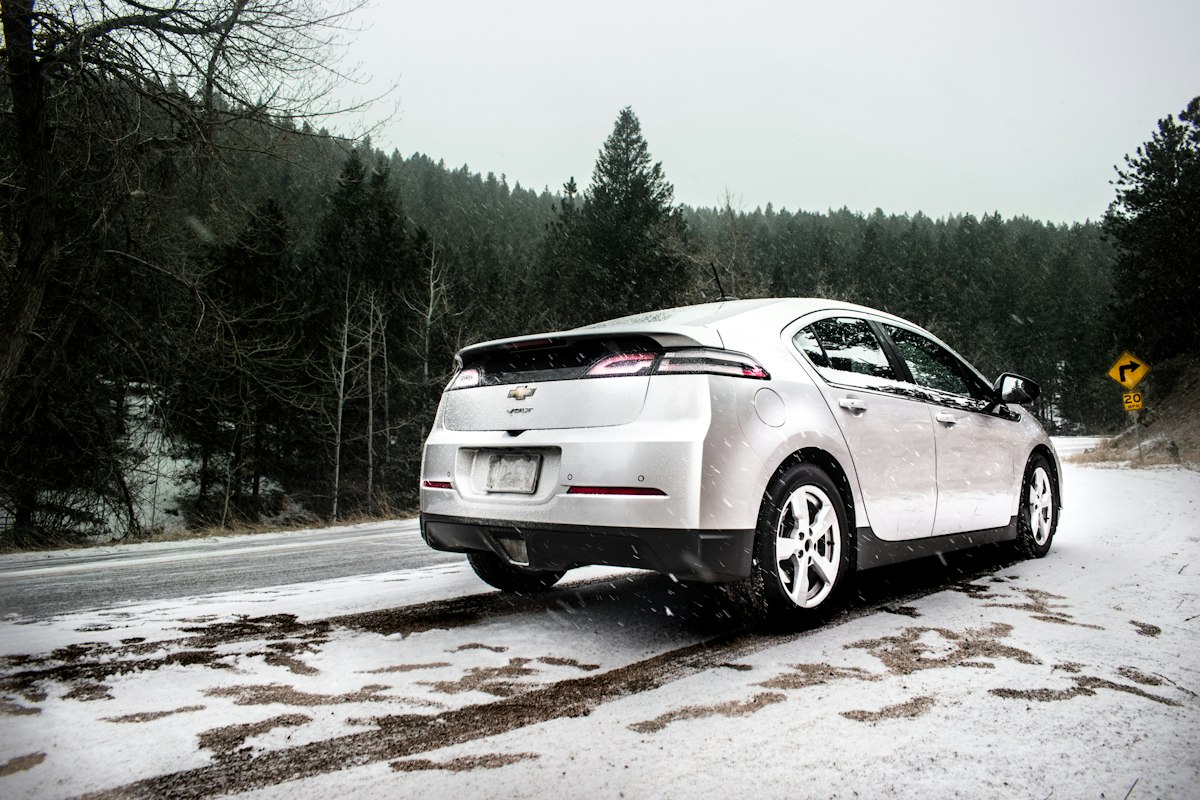
The 2027 Chevy Bolt faces a massive production cut. So good luck finding one. If you were hoping to park this revived electric vehicle in your driveway, you might be out of luck, because it's going to be incredibly difficult to track down once the assembly lines start rolling. The vehicle was originally expected to have a limited run of 150,000 units during its time on the assembly line. But new labor union documents show the production target has been slashed. Just 35,000 vehicles now.
This is a massive blow. Drivers want an affordable, practical electric car, and they're not getting one here, because the vehicle that was highly anticipated as an improved version of the previous Bolt EUV is now turning into an incredibly rare sight instead of a high-volume option for the masses. So it's a rare sight. We've watched it shift from what people expected to something you can't find.
Where did the 150,000 target go?
The assembly plant in Fairfax sits in Kansas City, Kansas. It can build 150,000 units. That's the physical capacity for the revived vehicle. But building a car demands massive investments in tooling, engineering, and factory preparation, and when you spread those high costs over only 35,000 units, the financial math becomes very difficult to justify.
So what does this actually mean for you? Here is the real takeaway. If you want a 2027 Chevy Bolt, you will likely face intense competition at dealerships, potential markups, and very limited inventory.
A sudden shift in expectations
The numbers collapsed. From 150,000 planned units to 35,000. That's a shock to the affordable electric vehicle market, because this vehicle was supposed to be a high-volume player that would help everyday drivers make the switch to electric power without breaking the bank. Instead, the small production run turns it into a niche product. And they're not wrong to worry.
Why the sudden scale back?
The cut is likely a sign of tapering demand. It's in the affordable electric vehicle space. This segment is much more competitive now than when the original Bolt and Bolt EUV last played in it, and that shift alone tells you plenty about how crowded this lane has become. And recently finalized federal fuel-economy targets reduce the financial incentive for automakers to build electric cars. That may have contributed to the decision to shorten the run.
How the automaker responds to the news
Automakers don't like this talk. They rarely discuss reduced production targets before they happen, and when asked about the massive volume cut, representatives declined to verify the specific target numbers. But the company pointed to standard operating procedures regarding market changes.

"We continuously evaluate market dynamics and customer demand to make decisions regarding our operations."
This statement is standard corporate policy. Automakers typically do not share anticipated production volumes with the public. But the union documents paint a very clear picture of what is actually happening behind the factory walls.
Real talk on limited-run vehicles
It's constant. Changes in production targets for limited-run vehicles happen all the time in the car business, and they're rarely a surprise to anyone who's watched this industry for long. Sometimes automakers build fewer cars than planned. And sometimes they keep popular models alive much longer than originally promised. So we've got a mixed record here. Let us look at how this has played out in the past:
- Ford ended production of the neo-retro Thunderbird in 2005 with 19,085 total units, despite an original goal of 25,000 units.
- Stellantis kept the one-year-only Dodge Durango Hellcat in production for longer than planned due to strong buyer demand.
- The Jeep Wrangler 392 Final Edition was kept around for multiple model years to satisfy customers willing to pay for pricey V-8 models.
- The 2027 Chevy Bolt was built on improved battery and charging technology to serve as a high-volume option for one long model year.
This wasn't a specialty V-8 SUV. It wasn't a retro roadster either. The 2027 Chevy Bolt was supposed to be a high-volume vehicle for everyday people, a car resurrected specifically to fill the need for a practical, budget-friendly electric car with better charging speeds and battery tech. So it's not the niche machine they're used to. We've got the facts: it don't play in that rarefied air. And that's the whole point of the 2027 Chevy Bolt, a high-volume vehicle for everyday people that was resurrected specifically to fill the need for a practical, budget-friendly electric car with better charging speeds and battery tech.
What this means for car buyers
Does this matter? It does. Here's why. When the entire country gets only 35,000 units, and that's the whole production run, most local dealerships will end up with just a handful of these cars, and plenty of them won't get any at all.
Demand dictates how long models stick around. If buyers do not show up, automakers cut their losses and move on. With a target of 35,000 units, very few of these impressive little electric vehicles will actually end up finding homes in American driveways.
The cost of reengineering
Reengineering a vehicle costs a fortune. You update the battery tech, improve charging, and relaunch with fanfare. And they're doing all that work just to build 35,000 units, which is highly unusual in the automotive world, because most automakers can't justify that kind of spending on such a small run. So market conditions changed faster than the product planners anticipated.
Is it still worth waiting for?
You still want a 2027 Chevy Bolt? Then you'll need to be proactive. Talk to your local dealers early, prepare for limited color and trim options, and be ready to act quickly when order banks open, because the window won't stay open long. The days of walking onto a lot and choosing from a row of a dozen different Bolts are likely gone for good. And they're not coming back.
Frequently Asked Questions
What is the production target for the 2027 Chevy Bolt according to the article?
New labor union documents show the production target for the 2027 Chevy Bolt has been slashed to just 35,000 vehicles. This is a massive reduction from the originally expected limited run of 150,000 units.
Why was the production of the 2027 Chevy Bolt scaled back?
The cut is likely a sign of tapering demand in the affordable electric vehicle space, which is much more competitive now than when the original Bolt and Bolt EUV last played in it. Additionally, recently finalized federal fuel-economy targets reduce the financial incentive for automakers to build electric cars, which may have contributed to the decision to shorten the run.
How has the automaker responded to the news of the production cut?
Representatives declined to verify the specific target numbers, but the company pointed to standard operating procedures regarding market changes. They stated, "We continuously evaluate market dynamics and customer demand to make decisions regarding our operations," and automakers typically do not share anticipated production volumes with the public.
What does the limited production run mean for buyers who want a 2027 Chevy Bolt?
If you want a 2027 Chevy Bolt, you will likely face intense competition at dealerships, potential markups, and very limited inventory. With only 35,000 units for the entire country, most local dealerships will end up with just a handful of these cars, and plenty won't get any at all.
How does the 2027 Chevy Bolt's production cut compare to past limited-run vehicles mentioned in the article?
The article cites Ford ending production of the neo-retro Thunderbird in 2005 with 19,085 total units despite an original goal of 25,000 units. It also notes Stellantis kept the one-year-only Dodge Durango Hellcat in production longer than planned due to strong demand, and the Jeep Wrangler 392 Final Edition was kept around for multiple model years.

Dominic Fischer writes about cars and the future of mobility, covering everything from new launches to charging infrastructure. He follows how the way we drive is changing and what comes next on the road.
💬 Comments (0)
No comments yet. Be the first!