I Drove the 2026 Subaru Solterra. It Doesn't Feel Very Agricultural.
The 2026 Subaru Solterra gets more range and power, but the update makes it feel less like a true Subaru.
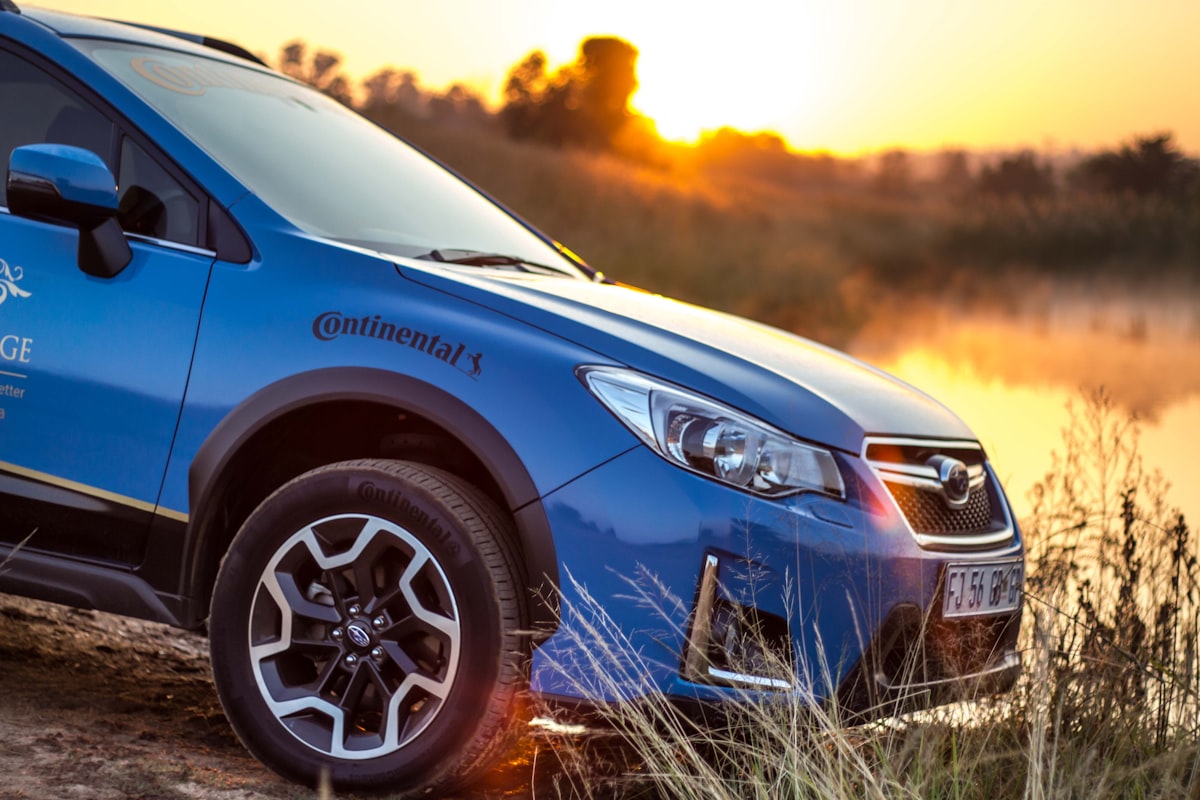
The 2026 Subaru Solterra's arrived. For a week of testing it quickly proved this midcycle refresh had tackled the original’s biggest weaknesses, but the more miles I covered the more I found myself wrestling with a single question: does it still feel like a Subaru?
A Facelift That Adds More Than Looks
The most obvious change is the nose. The restyled front end now resembles something an Autobot might wear, and the Subaru logo illuminates at night. But what really matters sits underneath. Battery capacity nudged up to 74.7 kWh, yet the EPA range estimate vaulted from 227 miles to 288 miles for the standard model. The new XT trim, which I drove, sacrifices a bit of that gain ; 278 miles , in exchange for considerably more thrust.
Power Bump and Suspension Tweaks
Subaru didn't chase range at the expense of output. The base Solterra now makes 233 hp from identical front and rear motors, and the XT nearly doubles front motor's contribution to 223 hp while rear delivers 117 hp, combining for 338 hp. 0-60 in under five seconds. Beyond the motor math, the chassis received subtly reworked suspension and control software, along with extra sound-absorbing material and increased body stiffness. On pockmarked pavement the ride stayed composed, and very little road roar seeped into the cabin.
- Battery: 74.7 kWh, slightly larger than before
- Range: 288 miles (standard) / 278 miles (XT)
- Power: 233 hp (standard) / 338 hp (XT) with a beefy front motor
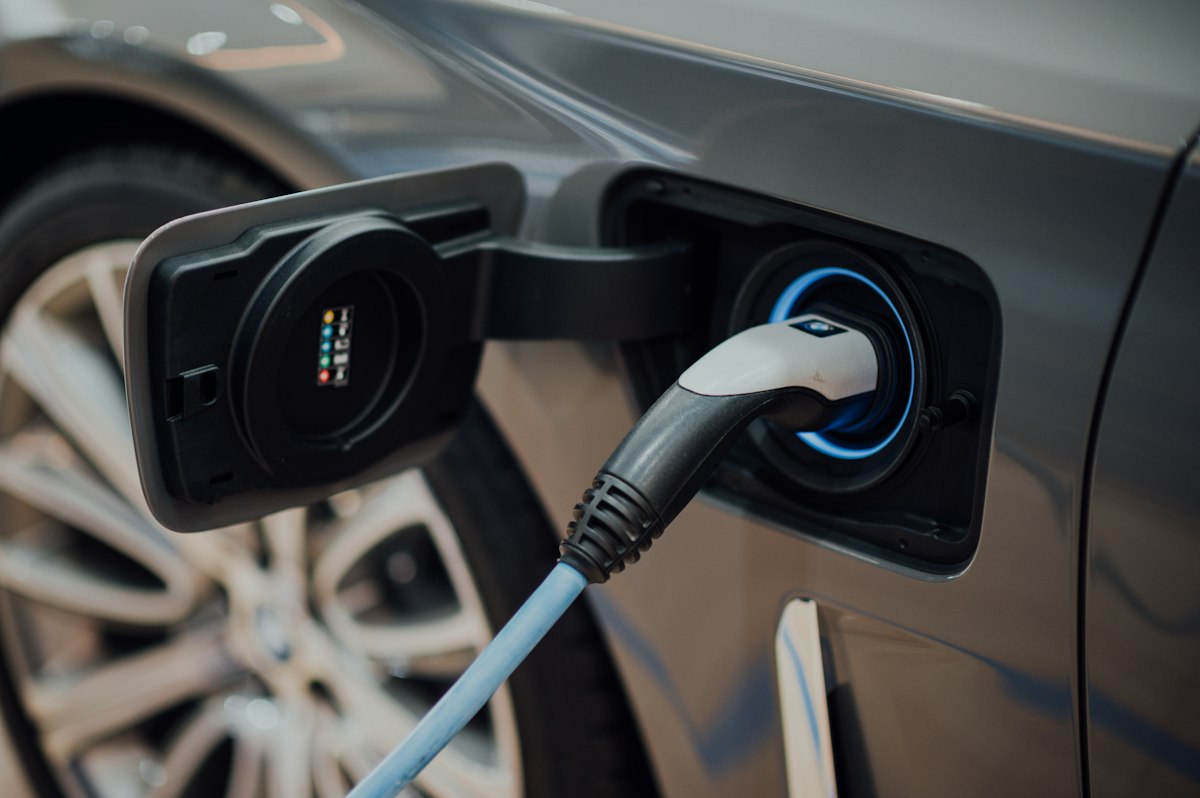
- Charging: Native NACS port, 150 kW peak DC speed
- 10,80% charge in as little as 30 minutes, with manual battery preconditioning
The Missing Subaru Soul
Strangely, it works against identity. But the original Solterra had a slightly gruff, almost agricultural character that Subaru buyers often embrace, this one is quieter, smoother, entirely anodyne, so it's a competent daily driver without any distinctly Subaru feel. The steering doesn't chatter. The all-wheel-drive system behaves invisibly.
A Toyota Interior in All But Badge
Climb inside. The illusion evaporates entirely. The switchgear, screen layout, and overall ambiance all say it's Toyota, not Subaru, and Apple CarPlay fires up without fuss, which is good, but distinctiveness ends there, while the EyeSight driver-assist system remains overeager. But a few false alerts are enough to remind you that badge-engineered quirks, like those seen in the Chevy Blazer/Honda Prologue twins, still cross company boundaries.
There’s nothing that feels Subaru about this interior. The extra refinement makes the Solterra feel less like a true Subaru , at least to me.
Charging With a NACS Standard
It's a quiet triumph. The switch from CCS1 to native NACS boosts DC fast charging to 150 kW from 100 kW, and Subaru says a 10,80% session can take as little as 30 minutes. But you can now manually precondition the battery for optimal speed, though real-world results depend on how you pull up to the charger.
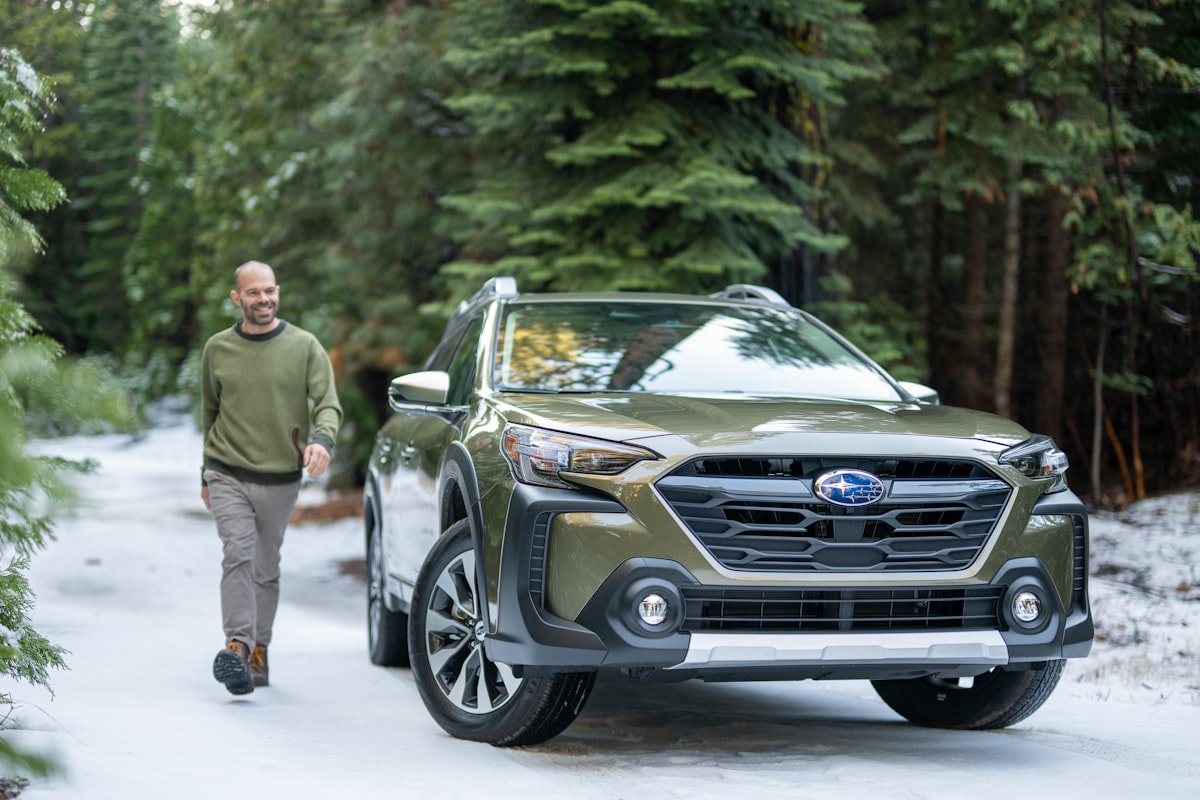
An IONNA Pit Stop
I plugged into an IONNA rechargery that was still so new the adjacent Sheetz hadn't opened, and though the station lacked any frills, its native NACS connectors worked without drama. But the benchmark wasn't perfect. Because the battery was already above 50% when I arrived and I let it climb well past 80%, it felt rude to return the car nearly empty. I added enough energy to deliver 108 miles at an unremarkable 3.2 miles per kWh, which took longer than the best-case scenario.
One detail stuck with me: 33.7 kWh is 0.1 kWh more energy than you’d find in a gallon of gasoline. It cost a lot more than a gallon and took far longer to deliver, but the parallel highlights how EV efficiency can stretch a modest amount of electricity into useful range.
Where Does the Solterra Fit Now?
The base model costs $38,495. The cheapest Solterra XT comes in at $42,895. But stacked against the top-spec Toyota bZ Limited, the Subaru offers more horsepower and a slightly lower range for a few hundred dollars less, so it's a solid driving appliance, no question.
The Solterra's role feels murkier. But now the brand has an electric don't-call-it-an-Outback Trailseeker. After spending a week with this polished, Toyota-infused crossover, I'm not sure how many Subaru loyalists will still choose it.
The 2026 Subaru Solterra is the most capable version yet. It just happens to feel less like itself.
Frequently Asked Questions
What are the power and range specifications for the 2026 Subaru Solterra XT trim?
The XT trim combines for 338 hp, with the front motor delivering 223 hp and the rear delivering 117 hp. Its EPA range estimate is 278 miles, slightly less than the standard model's 288 miles.
Why does the article claim the 2026 Solterra feels less like a Subaru?
The original Solterra had a slightly gruff, almost agricultural character that Subaru buyers embraced, but the 2026 version is quieter, smoother, and entirely anodyne. It lacks a distinctly Subaru feel because the steering doesn't chatter and the all-wheel-drive system behaves invisibly.
How does the charging capability of the 2026 Solterra differ from its predecessor?
The 2026 Solterra now has a native NACS port with a peak DC fast charging speed of 150 kW, up from the previous 100 kW. Subaru says a 10-80% charge can take as little as 30 minutes, and manual battery preconditioning is now available.
Who is the intended audience that might be disappointed by the 2026 Solterra?
The article suggests that Subaru loyalists who embraced the original Solterra's agricultural character might be disappointed. It notes that the polished, Toyota-infused crossover may not attract as many Subaru loyalists because it feels less like a true Subaru.
When can the 2026 Solterra achieve a 10-80% charge?
According to Subaru, a 10-80% charge can take as little as 30 minutes when using a 150 kW DC fast charger. This requires manual battery preconditioning for optimal speed.

Clara Rossi covers the motoring world, with a focus on electric vehicles, design and the shift toward cleaner transport. She tests the latest models and explains what matters to drivers beyond the spec sheet.
💬 Comments (0)
No comments yet. Be the first!