I Found a 1991 Subaru Legacy RHD in a Junkyard
I spotted a rare 1991 Subaru Legacy RHD rural delivery wagon during a recent walk-through of a Carson City junkyard.
1991 Subaru Legacy RHD cars are a rarity. They occupy a highly specific niche in the North American automotive landscape, and finding one today in a self-service salvage yard near Reno and Lake Tahoe offers a rare glimpse into the specialized fleet choices of decades past. This right-hand-drive wagon ended up at the Carson City Pull-n-Save. It sits with other high-mileage machines, like an early Honda CRX, a 1948 Cadillac Series 62, and a 1965 Mercury Park Lane convertible. But while those models represent classic eras of consumer design, this Subaru tells a story of daily, grueling utility.
First- and second-generation Legacy wagons litter salvage yards. It's a sad sight. But their presence, often with massive mileage, points to a durable build quality that inspired enough owner loyalty to keep them maintained far longer than their contemporaries. Among discarded Subarus with over 300,000 miles, the vast majority are Legacy models. They outnumber other high-mileage stablemates like the Impreza or Leone wagons. Modern versions may perform just as well over time, but their digital odometers are difficult to read in a junkyard setting. So these older analog gauges tell the story of longevity.
Designed for Rural Mail Delivery
This 1991 Subaru Legacy RHD was sold new specifically for use as a rural mail delivery vehicle. But it lacks the typical signs of postal service wear. It's clean. The odometer tells us it did that tough job for many years, and there are no homemade sorting tables wood-screwed into the passenger side, nor is there the usual interior damage or postal detritus left behind. Instead, the wagon has a standard passenger seat. It looks like a well-cared-for daily driver that simply reached the end of its operational life. So it's possible the vehicle was meticulously cleaned and repaired after its mail carrier duties, or perhaps it managed to escape the heavy abuse common to rural delivery routes.
The life of a rural delivery vehicle is notoriously harsh. It's brutal. Idling along dirt roads with the driver's window open for years, making frequent stops to shovel in bundles of mail, subjects a vehicle to constant dust, heat, and mechanical strain. For many years, private contractors doing this work relied on surplus AM General DJ-5 Dispatchers once used by the United States Postal Service. But those vehicles aged out. So carriers turned to various right-hand-drive alternatives to make reaching mailboxes from the driver's seat possible without dangerous stretching.
Alternative Paths to Right-Hand Drive
Factory options were scarce. So rural carriers got creative, adopting aftermarket conversions of varying quality to modify standard left-hand-drive vehicles. Salvage yards now reveal these setups. Examples include a converted 1999 Oldsmobile 88 and a 1998 Subaru Forester. Another avenue was importing Japanese-market vehicles, such as the XJ Jeep Cherokee , but wait, these right-hand-drive SUVs were actually manufactured in the United States, exported and sold new in Japan where they enjoyed popularity, then shipped back across the Pacific for second careers on American mail routes. But RHD Cherokees were also sold in the United Kingdom. Those versions rarely reached North American postal routes.
Stellantis still sells new RHD Jeep Wranglers in the U.S. But that’s not the whole story. This production survives because Japanese truck buyers keep purchasing new Jeeps, which makes it financially viable to offer the right-hand-drive configuration to American rural mail carriers, a niche but dependable market. Subaru already made the Legacy in both configurations for global markets, so offering an official, Americanized RHD version to North American buyers was a logical step. General Motors tried a similar strategy. It sold a right-hand-drive Saturn S-Series, but only for a brief period, targeting that same specialized group.
Built in Japan for America
This particular 1991 Subaru Legacy RHD came from the Gunma plant in Japan. But it wasn't a gray-market import or a JDM car with a swapped speedometer. Subaru later shifted the Rural Mail Delivery Wagon's assembly to its Indiana factory, a move that changed where these specific vehicles were built, and it was engineered and built specifically for the United States market from the factory, meeting emissions regulations for both California and the other forty-nine states.
Subaru's Legacy line debuted in North America for the 1990 model year. It was a massive leap forward. Compared to the aging Leone-based models the company had sold here since 1972, this car brought modernization and more size. The Leone stuck around too. They badged it as the Loyale and kept it on sale alongside the Legacy until its discontinuation after 1994. But the Legacy platform's evolution eventually led to the Outback package, which arrived for the 1995 model year, and that Legacy-based Outback wagon quickly became the lineup's most popular version. By 2000, Subaru removed the Legacy badging from the Outback exterior. So after the Outback sedan ended production following the 2004 model year, they reserved the Outback name exclusively for Legacy-based wagons.
Technical Specifications of the Mail Wagon
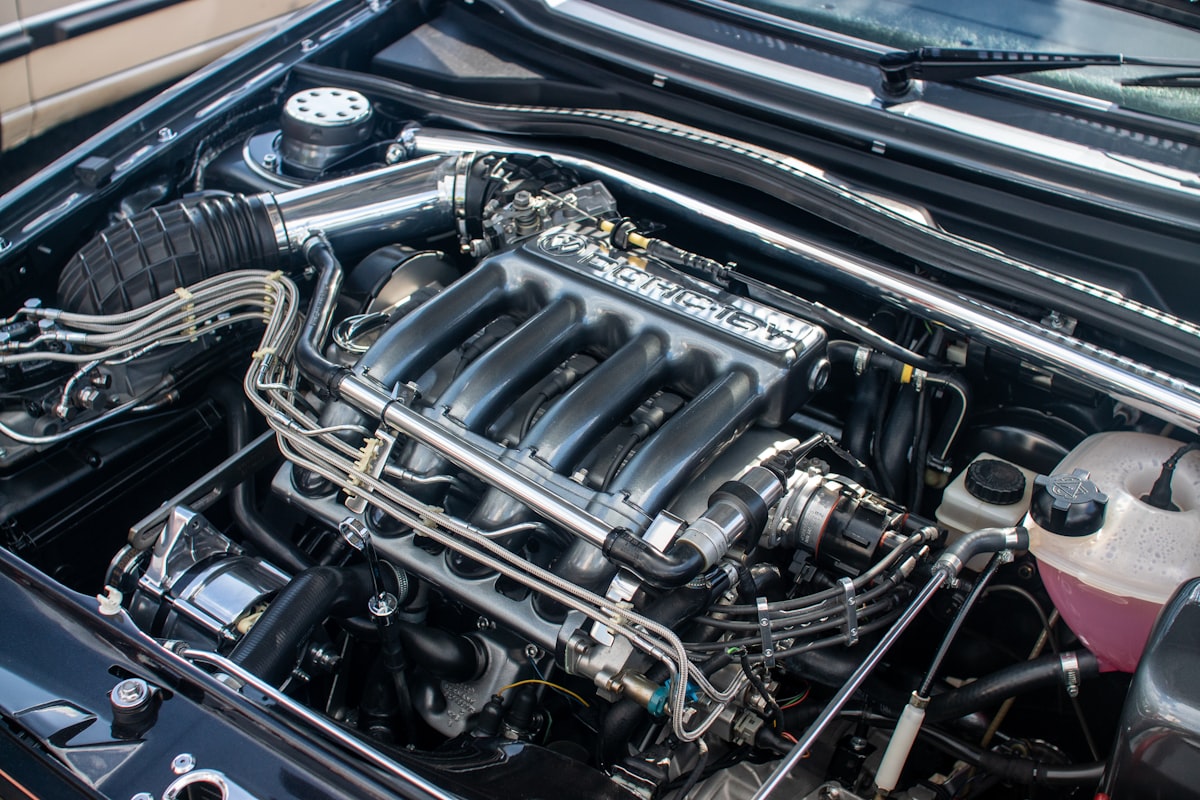
Under the hood, this utility wagon relies on a proven, straightforward powertrain designed for endurance rather than speed. The mechanical layout includes the following features:
- Engine: 2.2-liter single overhead cam (SOHC) H4 engine
- Output: 130 horsepower and 137 pound-feet of torque
- Drivetrain: Four-wheel drive (4WD)
- Transmission: Mandatory Rural Delivery automatic transmission
The larger H6 engine was not available for U.S.-market Legacy models during this era, making its debut much later in the 2000 model year. For mail carriers, the automatic transmission was an absolute necessity, allowing them to focus on driving and sorting mail without the physical exhaustion of operating a manual clutch all day.
"What's with the paint on this vehicle? Looks fairly pristine for a car with that many miles. And if was driven primarily on rural roads with gravel, surely it would have far more noticeable stone chips?" , Arthur Dailey
The clean exterior raises questions. No body damage tells a story, but it's impossible to know if this 1991 Subaru Legacy RHD lived a pampered life on paved suburban routes or underwent a full cosmetic restoration after its mail-carrying days. It avoided destruction. So finding it resting in a Nevada scrapyard serves as a reminder of the unique vehicles built to keep the wheels of daily infrastructure turning.
Frequently Asked Questions
What makes the 1991 Subaru Legacy RHD in the junkyard unique?
The 1991 Subaru Legacy RHD is a rarity in North America, as it was specifically built for rural mail delivery with right-hand drive. It was factory-made for the U.S. market and not a gray-market import, making it a specialized vehicle for its niche purpose.
Why does the article suggest the 1991 Subaru Legacy RHD had a durable build quality?
The article notes that first- and second-generation Legacy wagons litter salvage yards with massive mileage, often over 300,000 miles, indicating durable build quality. It states that among high-mileage Subarus, Legacy models outnumber others like Impreza or Leone wagons, showing owner loyalty and longevity.
How was the 1991 Subaru Legacy RHD produced for the U.S. market?
This particular Legacy came from Subaru's Gunma plant in Japan but was engineered and built specifically for the United States market, meeting emissions regulations for California and other states. Subaru later shifted assembly to its Indiana factory, but this car was not a gray-market import or JDM vehicle with a swapped speedometer.
What transmission did the 1991 Subaru Legacy RHD have, and why was it necessary?
The car featured a mandatory Rural Delivery automatic transmission. The article explains that for mail carriers, an automatic was essential to focus on driving and sorting mail without the physical exhaustion of operating a manual clutch all day.
When did Subaru introduce the Outback package, and how is it related to the Legacy?
The Outback package arrived for the 1995 model year, based on the Legacy platform. It quickly became the lineup's most popular version, and by 2000, Subaru removed Legacy badging from the Outback exterior, reserving the Outback name exclusively for Legacy-based wagons.

Clara Rossi covers the motoring world, with a focus on electric vehicles, design and the shift toward cleaner transport. She tests the latest models and explains what matters to drivers beyond the spec sheet.
💬 Comments (0)
No comments yet. Be the first!