Iran War 'Groundhog Day' Likely to Outlast Midterms
Analysts say the Iran war's 'Groundhog Day' cycle may persist through the midterms, with Iran losing leverage and possibly lashing out.
Iran war 'Groundhog Day' is the phrase Matt Reed reaches for when he tries to describe where things stand. The president of geopolitical and energy consultancy Foreign Reports borrows from the Bill Murray film about a man condemned to live the same day over and over, and he does not mean it as a compliment to anyone involved.
Peace talks rise. Negotiations collapse. Violence ticks up a notch. Then the cycle starts again. That pattern, analysts say, is likely to hold at least through the congressional midterms in November, and quite possibly well past them.
Why Tehran Wants the Clock to Keep Running
The logic inside Iran is not complicated, even if the country's leadership is. Iranian officials are split between public-facing politicians and the increasingly powerful Islamic Revolutionary Guard Corps, and both sides share an interest in extracting as much political damage as possible from President Donald Trump's election cycle. Influence is the currency here, and the midterms are the deadline that matters.
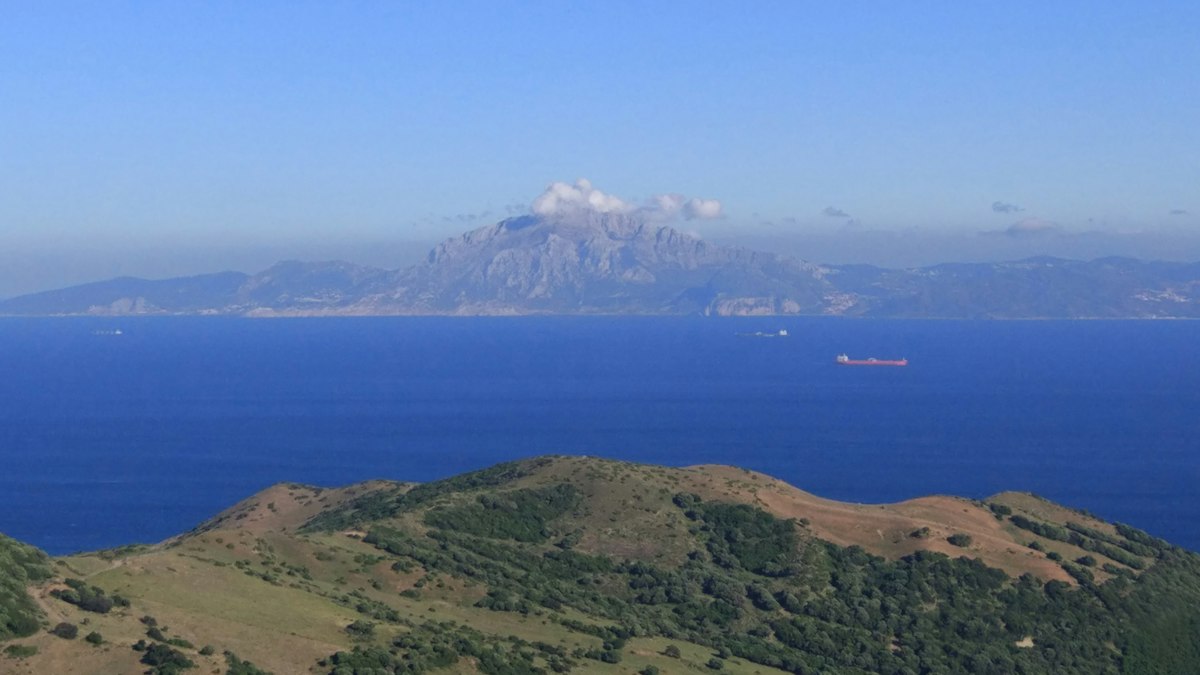
Reed puts it bluntly. Iran is losing. Its economy is tanking. Its oil exports have collapsed. Meanwhile, more oil is moving through the Strait of Hormuz than at any point since the war began at the end of February, shipped under U.S. escort. That combination leaves Tehran with two unappealing choices: accept the status quo, or turn up the heat.
"It feels like 'Groundhog Day,'" Reed said. "That also might mean we're being lulled into a false sense of security, and the situation could still deteriorate. I think this is a very dangerous moment."
His read on the next few weeks is darker than the surface calm suggests. "Combine that with the U.S. election calendar and, over the next few weeks, the Iranians might be tempted to lash out again," he said. "If Trump is not willing to give the Iranians what they want, then their goal will be to humiliate him."
Two Clocks, Two Strategies
Washington and Tehran are watching different calendars. Trump would rather freeze the conflict where it sits until after Nov. 3, which is the least bad option available to him. Iran, by contrast, has reason to move before voters go to the polls.
"I think Iran is more inclined to lash out or escalate before the election," Reed said. "And Trump would be more tempted to push off escalation until after."
Oil forecaster Dan Pickering, founder of Pickering Energy Partners, sees the midterms as a dividing line, though he is candid about the uncertainty on either side of it. "It's just not clear to me that anything is going to happen before or after them," he said.
His reasoning runs like this: Iran may calculate that Democrats winning Congress would force Trump to offer more amenable peace terms. But holding steady until November could also put military options back on the table. This is not a politically popular conflict for Trump, Pickering noted, which means "escalating the kinetic side of it post-midterms is probably more palatable.
Markets Are Pricing Two Futures at Once
Thierry Wizman, a top economic strategist for Macquarie Group, wrote that energy markets are bracing for wildly different outcomes in November. "Implied volatilities are starting to price in divergent two-way outcomes after Nov. 3, when events can shift wildly one way or the other," he stated.
The downstream effects of more conflict are not abstract. More fighting means more inflation, costlier fuel, greater government spending, and higher bond yields. The U.S. and much of the world are already staring at seasonal record highs for gasoline and all-time highs for diesel. Any major military uptick would push those numbers further.
The Long Slog Nobody Wants to Name
Borrow a second film reference and the fear sharpens. The war is entering its eighth month, and the worry is that Iran war 'Groundhog Day' could curdle into something closer to "The NeverEnding Story."
The core dispute has not budged. Iran keeps demanding control of the Strait of Hormuz, including the ability to charge tolls or fees on traffic passing through it. The U.S. refuses to cave and insists on up-front nuclear concessions.
Marshall Adkins, head of energy for Raymond James, does not see a near-term resolution. "I'm not sure if there's a peace deal, not just by the midterms, but in the next six months," he said. "Getting to some kind of agreement that you can hold the IRGC to is going to be extremely difficult. They're being patient. Are we going to be there for the next five years? Maybe, but that seems like a stretch."
What the Convoys Actually Cost
Almost 13 million barrels of crude oil per day are now flowing out of the Middle East, up sharply thanks to U.S. military escorts, while Iranian shipments remain blockaded. That sounds like progress until you compare it to February, when the figure stood at 19 million barrels daily.
Even the gains are being eaten away. China has ramped its oil imports back up after dramatically cutting them during the summer. The U.S. has slowed to a trickle its releases from the Strategic Petroleum Reserve, which sits at 44-year lows. On Sept. 29, the Trump administration signed off on draining another 40 million barrels, a move that would bring the reserve down to emergency levels.
Then there is the price of simply moving the oil. Gulf states are paying far more for tankers and maritime insurance premiums. A daily oil tanker charter has jumped from roughly $50,000 to $1 million. The U.S. is footing an enormous bill for its naval escorts.
A Fragile Arrangement
- U.S. naval convoys keep crude moving through the Strait of Hormuz at high financial cost
- Gulf states absorb ballooning charter and insurance premiums
- The Strategic Petroleum Reserve is heading toward emergency levels
- Iran retains the capacity to disrupt shipping at will
"We're getting oil out of the strait by running these convoys, but how long are we going to do that?" Adkins asked. "Iran still has the ability to blow up a lot of stuff coming through there. Let's not forget, Iran could shut all this stuff down tomorrow."
The Stalemate Nobody Can Break
Reed does not expect a breakthrough. "I don't see a peace deal in the near future," he said. "What I see is a lot of posturing and negotiating by force. We are not at the point yet where either side is willing to concede."
So the cycle grinds on. Talks, collapse, escalation, talks again. The Iran war 'Groundhog Day' keeps replaying, and the alarm clock is set for November.
Frequently Asked Questions
What does the phrase "Iran war 'Groundhog Day'" mean according to Matt Reed?
Matt Reed, president of Foreign Reports, uses the phrase to describe a cycle in which peace talks rise, negotiations collapse, violence ticks up a notch, and then the pattern starts again. He borrows it from the Bill Murray film about a man condemned to live the same day over and over, and he does not mean it as a compliment to anyone involved.
Why does Iran have an incentive to escalate before the November midterms, according to the article?
Iranian officials, including the increasingly powerful Islamic Revolutionary Guard Corps, share an interest in extracting as much political damage as possible from President Donald Trump's election cycle. Reed said Iran is more inclined to lash out or escalate before the election, and if Trump is not willing to give the Iranians what they want, their goal will be to humiliate him.
How are energy markets responding to the uncertainty around the November 3 election?
Thierry Wizman, a top economic strategist for Macquarie Group, wrote that implied volatilities are starting to price in divergent two-way outcomes after Nov. 3, when events can shift wildly one way or the other. The article notes that more fighting means more inflation, costlier fuel, greater government spending, and higher bond yields.
What is the status of oil flows through the Strait of Hormuz and the U.S. Strategic Petroleum Reserve?
Almost 13 million barrels of crude oil per day are now flowing out of the Middle East, up sharply thanks to U.S. military escorts, while Iranian shipments remain blockaded, though this compares to 19 million barrels daily in February. The Strategic Petroleum Reserve sits at 44-year lows, and on Sept. 29 the Trump administration signed off on draining another 40 million barrels, a move that would bring the reserve down to emergency levels.
What is the core dispute preventing a peace deal between the U.S. and Iran?
Iran keeps demanding control of the Strait of Hormuz, including the ability to charge tolls or fees on traffic passing through it, while the U.S. refuses to cave and insists on up-front nuclear concessions. Marshall Adkins of Raymond James said getting to some kind of agreement that you can hold the IRGC to is going to be extremely difficult, and Reed said he does not see a peace deal in the near future.

Julian Sterling reports on enterprise IT, data infrastructure and the vendors that keep modern business running. He has a long-standing interest in how organisations modernise their systems without breaking what already works.
💬 Comments (0)
No comments yet. Be the first!