Inside Bose LE Audio Push to Outpace Rivals
The upcoming Bose LE Audio firmware update targets premium rivals like Apple and Sony with advanced connectivity upgrades.

Bose LE Audio integration marks a calculated move in the premium audio sector as the company initiates its 10.12.12 firmware update for the QuietComfort Ultra Headphones (2nd Gen). This development, arriving nearly a year after the release of the flagship hardware, introduces technologies designed to alter how users interact with shared and public audio systems. By bringing these upgrades to its premium tier, the organization is positioning itself to address shifting connectivity expectations while capitalizing on modern wireless standards.
The strategic shift to Auracast
This move sits within a broader pattern of hardware manufacturers updating existing devices to support emerging standards rather than waiting for next-generation product cycles. The addition of Bluetooth LE Audio enables Auracast and audio streaming via the LC3 codec, which replaces older transmission methods with more efficient data handling. This change is not merely about incremental sound improvements. It introduces a different architecture for audio distribution.
Strip away the marketing. The calculation is straightforward. Auracast lets a single transmitter broadcast audio to an unlimited number of nearby receivers, and that fact alone reshapes what's possible in the spaces we've always shared. The implications for public spaces are practical and immediate. Users can now access real-time audio streams in supported venues. It's simple. These include:
- Theaters hosting live productions
- Churches broadcasting sermons
- Stadiums offering real-time sporting event commentary
- Personal spaces where a user wants to share audio from a compatible phone with multiple headphones
Positioning against premium rivals
Competition here is tight. The premium audio sector stays highly consolidated. Apple, Sony, Sennheiser, and Sonos are the heavy hitters in this category, and among them, Bose joins only Sony in offering Auracast support powered by the Bluetooth LE Audio standard, a detail that says plenty about where the real engineering muscle sits. But JBL and Google have embraced Auracast too. Those options don't occupy the same tier. They're behind the primary powerhouses in over-ear headphone performance. So the gap isn't about who supports the feature. It's about who does it best.
But there is a catch. For now, only select Android phones support LE Audio, Auracast, and the LC3 codec. This platform limitation means Android users will obtain the most utility from these technologies at this stage. The release notes for the 10.12.12 firmware update state that these LE Audio features are restricted to compatible Android and Windows devices only, leaving iOS users on the sidelines for these specific wireless capabilities.
Decoding the LC3 codec advantage
LC3 is a major step up. The transition to the mandated LC3 codec marks a major technical step forward from the older SBC codec, and it delivers higher-quality audio while maintaining lower power consumption, directly addressing the battery-drain challenges of wireless playback. The QuietComfort Ultra Headphones (2nd Gen) already feature Bluetooth 5.4 and Bluetooth Low Energy hardware, which power their auto-low-power and auto-wake features. But that hardware's been sitting there. By deploying this update, the company is finally activating the dormant potential of this built-in hardware.
Differentiating the flagship tier
Positioning inside the brand's own portfolio is the deeper question. This update separates the flagship Ultra headphones from the midrange QuietComfort Headphones (2nd Gen), and it does so with real intent. That midrange model just debuted with spatial audio and the latest noise-canceling technologies, features you'd normally expect to pay flagship money for. But the company keeps LE Audio and Auracast exclusive to the Ultra model, and that choice, made quietly in the spec sheet rather than in any press release, tells you exactly how the hierarchy works. It's a clear hierarchy. They're protecting the top tier. We've seen this play before, and it rarely changes. So the mid-tier and flagship offerings stay firmly apart, and don't expect that gap to close anytime soon.
Refining wired USB-C performance
Alongside the wireless updates, the firmware deployment targets physical connectivity through refined USB-C audio performance. This adjustment addresses game/chat balance and improves voice performance during web conferencing calls. The QuietComfort Ultra Headphones (2nd Gen) already supported 24-bit/48kHz lossless audio streaming, but the new firmware allows the system to tap into a 48kHz sample rate for the drivers and a 16kHz sample rate for the microphone during active gaming or video calling.
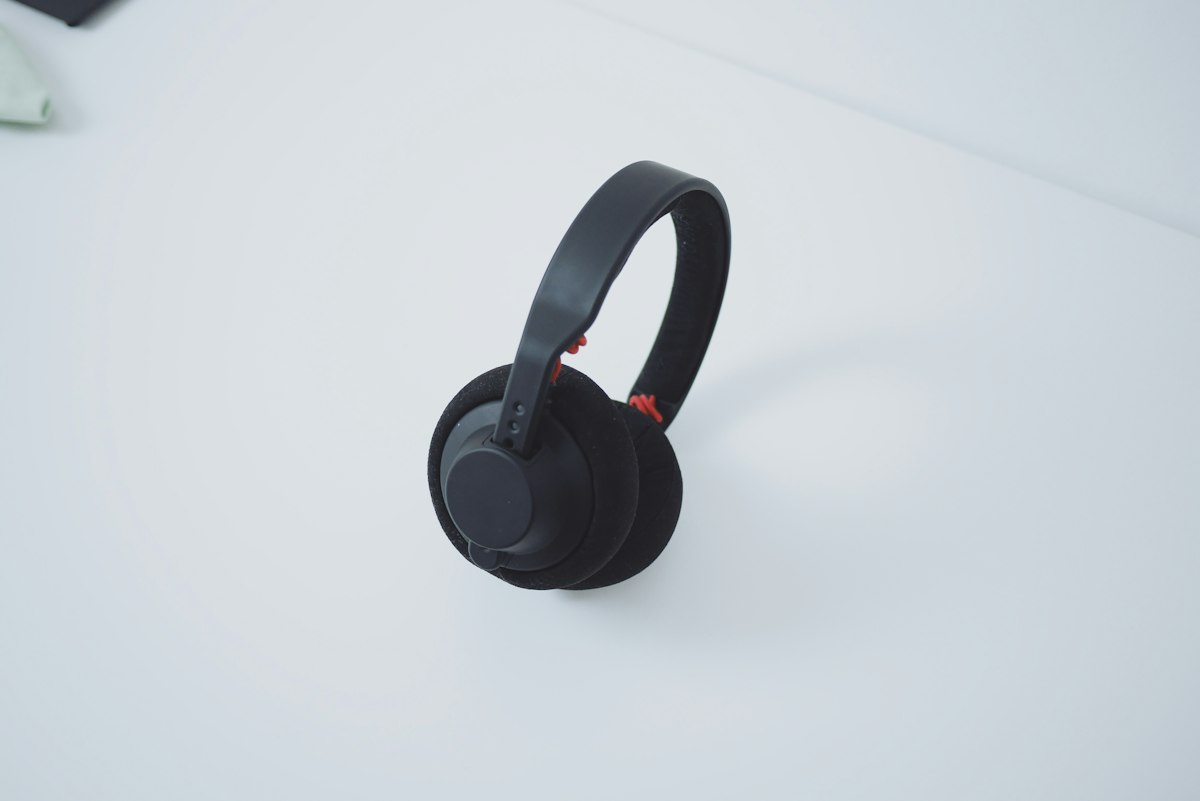
The upgraded USB-C audio features are not supported when wired to a gaming console, functioning instead only when connected to PCs and mobile devices such as tablets or smartphones.
This targeted USB-C optimization allows the company to cover competitive gaps. It polishes USB-C performance in ways Sony lacks, offers LE Audio features that Sennheiser does not provide, and supports Android device compatibility in ways Apple does not match. It is a multi-front compatibility play.
Platform access and rollout plans
The beta starts this week. These connectivity upgrades are coming, and they're landing first for people who want to test them early. You can install the update on your QuietComfort Ultra Headphones (2nd Gen) using the official brand application, which is the same app you've probably already got on your phone. And the update brings 5.1 spatial audio support to compatible Android devices, a move that further cements the platform-specific advantages for Android users, the kind of advantage that builds over time when one platform gets features the other doesn't. It's beta, so don't expect perfection.
The rollout is phased. That's a cautious approach to stability across the wider sector. Because the update involves complex transitions between legacy Bluetooth and LE Audio protocols, the beta testing period will serve as a critical validation phase. And future device compatibility across the broader industry will likely dictate how quickly these standards transition from niche premium features to baseline expectations for all consumers.
Frequently Asked Questions
What specific technologies does the Bose LE Audio integration enable in the QuietComfort Ultra Headphones (2nd Gen)?
The integration adds Bluetooth LE Audio, which enables Auracast and audio streaming via the LC3 codec. These technologies replace older transmission methods with more efficient data handling and introduce a different architecture for audio distribution.
Why is Bose's decision to add LE Audio and Auracast support to its premium tier considered strategically significant compared to rivals?
Among the heavy hitters in the premium audio sector—Apple, Sony, Sennheiser, and Sonos—Bose joins only Sony in offering Auracast support powered by the Bluetooth LE Audio standard. Although JBL and Google have embraced Auracast too, those options don't occupy the same tier and are behind the primary powerhouses in over-ear headphone performance.
How does the LC3 codec improve upon the older SBC codec according to the article?
The transition to the mandated LC3 codec marks a major technical step forward from the older SBC codec. It delivers higher-quality audio while maintaining lower power consumption, directly addressing the battery-drain challenges of wireless playback.
When and how can users install the 10.12.12 firmware update, and what platform limitations are noted?
The beta starts this week, and users can install the update on their QuietComfort Ultra Headphones (2nd Gen) using the official brand application. The release notes state that the LE Audio features are restricted to compatible Android and Windows devices only, leaving iOS users on the sidelines for these specific wireless capabilities.
Who benefits most from the LE Audio features at this stage, and what additional spatial audio support does the update bring to that platform?
Android users will obtain the most utility from these technologies at this stage because only select Android phones support LE Audio, Auracast, and the LC3 codec for now. The update also brings 5.1 spatial audio support to compatible Android devices, further cementing the platform-specific advantages for Android users.

Julian Sterling reports on enterprise IT, data infrastructure and the vendors that keep modern business running. He has a long-standing interest in how organisations modernise their systems without breaking what already works.
💬 Comments (0)
No comments yet. Be the first!