Alo defies China consumer slowdown with $1.5 million Tmall debut
Alo defies China consumer slowdown, selling over 10 million yuan in one minute on Tmall and planning eight more stores through 2027.
Alo China consumer slowdown is not a phrase the Los Angeles activewear brand seems interested in entertaining right now. On Aug. 12, when its official flagship store opened on Tmall, Alibaba's business-to-consumer marketplace, shoppers spent more than 10 million yuan (about $1.5 million) within one minute of the presale checkout opening at 12:30 a.m. That is not a typo, and it is not a rounding error. It is a single brand turning a midnight launch into a seven-figure sprint while the broader Chinese retail engine sputters.
One Minute, $1.5 Million, Weird Timing
The timing could hardly look worse on paper. Retail sales in China rose just 0.4% year over year in August, half the pace economists polled by Reuters had expected. Weak consumption and a prolonged property downturn had already helped drag second-quarter GDP growth to 4.3%, the slowest pace in more than three years. Consumer confidence is thin. Discretionary spending is thinner.
Then Alo showed up. It set a sales record for a newly launched brand in Tmall's sports and outdoor category, which is the kind of result that usually takes years of quiet building, endless testing, and a slow burn of customer trust before anyone outside the company even notices you're there. The company had announced its arrival on Chinese social media less than two months earlier. It went from a rumor to a record holder in roughly the time it takes to complete a decent yoga retreat. And they're not done.
The Caveats Nobody Wants to Mention
Dao Insights, a publication that tracks Chinese consumer trends, noted that accumulated preorders, a limited-edition tote bag, and celebrity-driven fan demand may have concentrated sales into the opening rush. The durability of that demand is a different question entirely. A launch spike is not a business. It is a moment, and moments fade.
What Alo does have is a head start most foreign brands would trade a warehouse of leggings for. Long before its official launch, Chinese consumers could buy the brand through cross-border e-commerce and resellers. Its celebrity-heavy marketing and social media presence had already built awareness. In the days leading up to the Tmall debut, Alo-related topics racked up 240 million views on RedNote, the popular Chinese lifestyle and social media platform.
That meant Alo didn't have to spend its launch introducing itself. It could focus on shaping how Chinese consumers experience the brand. Product mix. Pricing. Its broader wellness positioning. And it localized its marketing too, tapping actress Zhao Lusi, actor Wang Yibo, and supermodel Sui He, a veteran of multiple Victoria's Secret Fashion Shows who brings a level of recognition that most brands can't buy and that fits neatly with the image Alo is trying to build in a market where it's already known.
What Chinese Shoppers Actually Bought
As of Aug. 14, Alo's bestselling product was not a pair of yoga leggings. It was the 1,150-yuan (about $170) Suit Up straight-leg trousers, with more than 10,000 sold. A 1,750-yuan (about $260) sneaker moved more than 3,000 pairs. Both sold at full price.
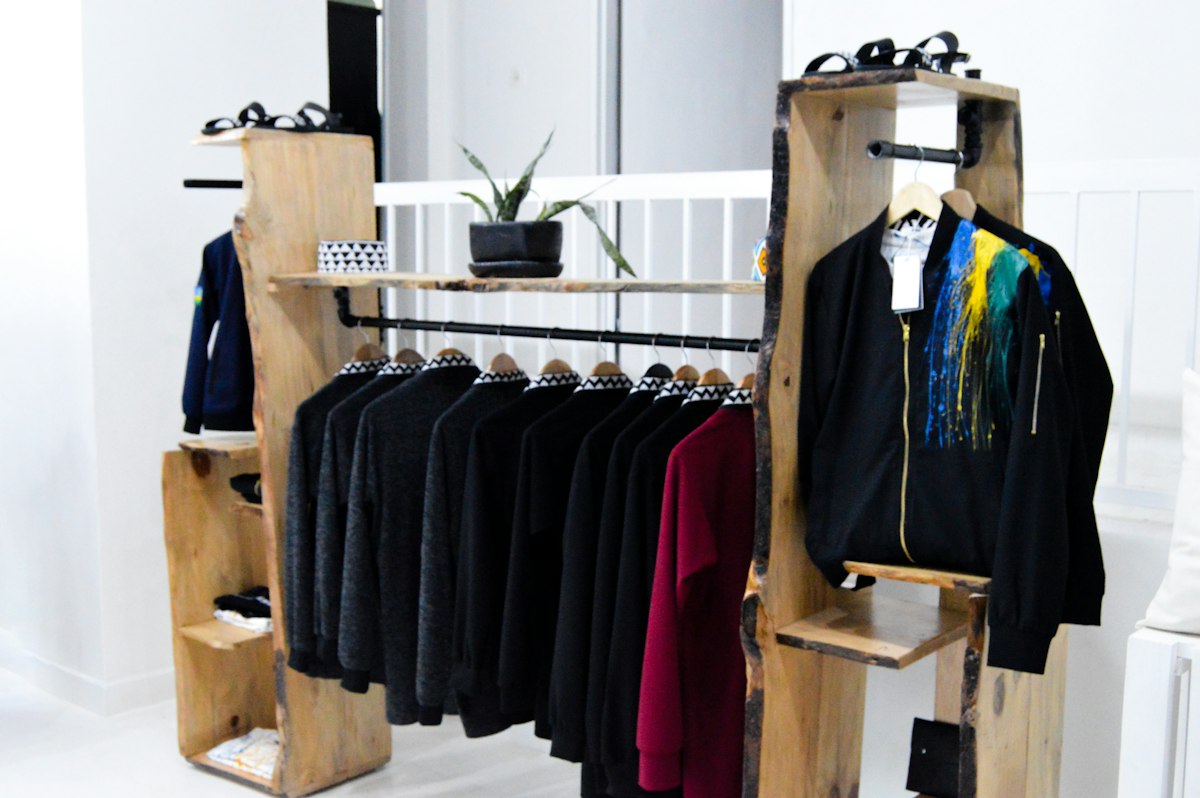
That mix says something about how the brand lands in China. Alo's appeal may extend well beyond the yoga studio. It reads as fashion, as lifestyle, as a signal rather than a piece of performance gear.
“Our ambition goes beyond opening stores: we are building an Alosphere,” Benedetta Petruzzo, Alo's international CEO, said in announcing the expansion.
Eight Stores and a Long Bet
On Sept. 16, Alo announced plans to open eight more stores across seven Greater China cities through 2027: two in Shanghai and one each in Beijing, Hong Kong, Macau, Shenzhen, Chengdu and Hangzhou. Separately, a previously announced Hong Kong flagship at K11 Musea is slated to open this fall.
The physical push follows a strategy. That strategy started before the Tmall launch. Alo kicked off an eight-week series of community events in Shanghai, and that lineup included running clubs, city walks, outdoor yoga, cycling and wellness classes that together pulled people into the brand's world. And the programming introduced consumers to what Alo calls the "Alosphere," its lifestyle ecosystem combining movement, wellness, community and culture. It's a lifestyle ecosystem. They're selling more than gear.
It is a softer sell than a storefront, and a slower one. Community events do not generate $1.5 million in a minute. They generate something harder to measure and harder to fake: habit.
A Market That Punishes Assumptions
Alo is walking into a category long dominated by Lululemon, and even the incumbent is showing strain. Lululemon operated 174 stores in mainland China as of Aug. 2, but its comparable sales there fell 8% on a constant-dollar basis in its fiscal second quarter. The leader is slipping. That does not automatically mean the challenger wins.
Still, the broader picture offers Alo some cover. Even as overall Chinese spending remains weak, premium sports and wellness brands keep finding pockets of growth. On's Asia-Pacific sales rose 43.1% in the second quarter, with the Swiss running brand citing strong momentum in Greater China. Arc'teryx operated 79 owned retail stores in Greater China at the end of 2025, a net gain of 61 since 2019.
The Alo China consumer slowdown narrative, in other words, is real but incomplete. There is a slowdown. There is also a willingness to pay full price for the right product from the right brand. Alo's early sales suggest it may be carving out a niche as much through style and lifestyle as through performance.
What the Launch Does Not Prove
Here is the uncomfortable part. A record-breaking presale with celebrity fan demand and a limited-edition tote bag tells you a brand can generate heat. It does not tell you whether that heat survives a Tuesday in March when the tote is gone and the celebrity posts about someone else.
Alo's eight-store plan and its community programming suggest the company understands the difference. It is not just chasing a moment. It is trying to build the kind of routine that turns a first purchase into a fifth.
Whether Chinese consumers cooperate is the only question that matters now. The $1.5 million minute is over. The retail business is just beginning.
Frequently Asked Questions
What happened when Alo opened its official flagship store on Tmall on Aug. 12?
Shoppers spent more than 10 million yuan (about $1.5 million) within one minute of the presale checkout opening at 12:30 a.m. It set a sales record for a newly launched brand in Tmall's sports and outdoor category.
Why might Alo's record-breaking Tmall debut not prove durable demand?
Dao Insights noted that accumulated preorders, a limited-edition tote bag, and celebrity-driven fan demand may have concentrated sales into the opening rush. The article states that a launch spike is not a business and that the durability of that demand is a different question entirely.
How had Alo already built awareness in China before its official Tmall launch?
Long before its official launch, Chinese consumers could buy the brand through cross-border e-commerce and resellers, and its celebrity-heavy marketing and social media presence had already built awareness. In the days leading up to the Tmall debut, Alo-related topics racked up 240 million views on RedNote.
Which products were Alo's bestsellers as of Aug. 14, and at what prices did they sell?
Its bestselling product was the 1,150-yuan (about $170) Suit Up straight-leg trousers, with more than 10,000 sold. A 1,750-yuan (about $260) sneaker moved more than 3,000 pairs, and both sold at full price.
What store expansion plans did Alo announce on Sept. 16, and where will the new locations be?
Alo announced plans to open eight more stores across seven Greater China cities through 2027: two in Shanghai and one each in Beijing, Hong Kong, Macau, Shenzhen, Chengdu and Hangzhou. A previously announced Hong Kong flagship at K11 Musea is slated to open this fall.

Julian Sterling reports on enterprise IT, data infrastructure and the vendors that keep modern business running. He has a long-standing interest in how organisations modernise their systems without breaking what already works.
💬 Comments (0)
No comments yet. Be the first!