Tesco VMware Move: What It Means for You
Tesco is migrating 40,000 server workloads away from VMware after citing 'abusive conduct' regarding pricing and support changes.
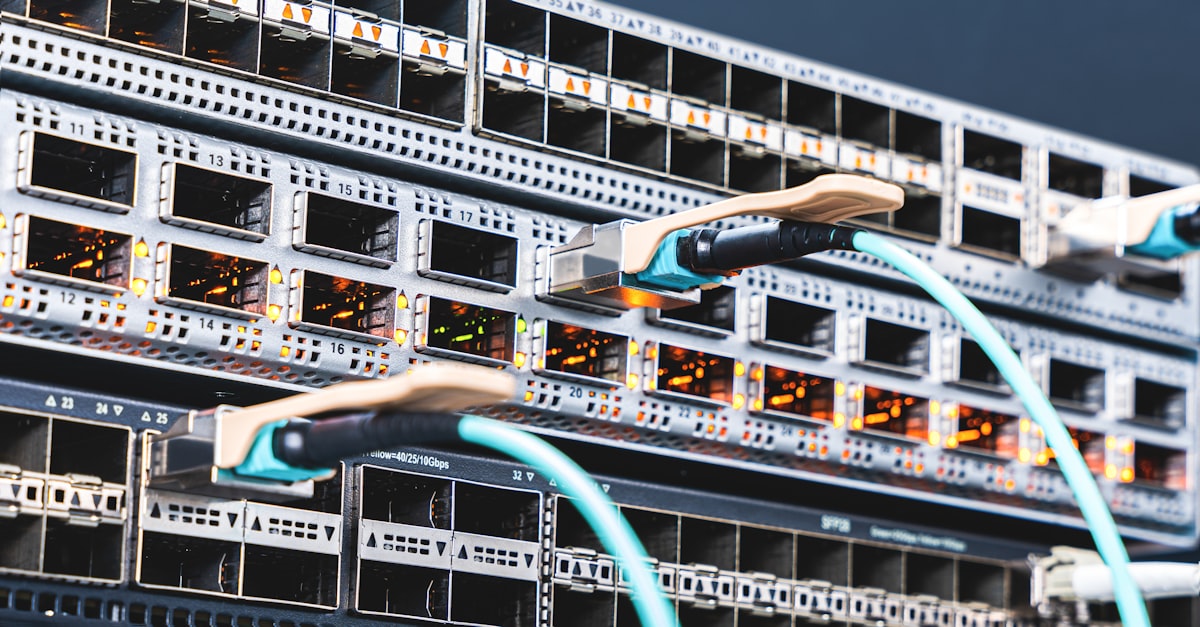
Tesco's VMware move plans are hitting a boiling point. The retail giant is preparing to shift 40,000 server workloads away from its long-time virtualization provider, and it's a massive infrastructure migration. So the supermarket retailer accused the software vendor of engaging in abusive conduct after a corporate acquisition. But that's the core issue.
The Core Conflict Explained
A breakdown is at the center of this dispute. Tesco claims it originally secured perpetual licenses for core virtualization products, including vSphere Foundation and Cloud Foundation, back in 2021, and the deal was supposed to include support services extending well into the future. But the retailer and the software provider no longer agree.
Ownership changed hands in late 2023. The new parent company allegedly refused to honor the existing contract, instead pushing for new subscription-based licenses that Tesco argues would force it to pay for the same software twice. But that's not all. Tesco also faced steep price increases for core services.
Why 40,000 Workloads Are Moving
The scale of this migration is significant. Tesco operates a massive, multi-billion pound business that relies on high-level virtualization for its daily operations, so when the software provider stopped offering support for perpetual licenses in early 2024, the retailer was forced to seek third-party assistance to keep its systems running.
Here is what the move involves for the company:
- Full migration of 40,000 server workloads.
- Procurement of alternative virtualization and mainframe solutions.
- Managing potential data security gaps during the transition.
- Operating under a strict timeline to finish by 2027.
The technical shift is not simple. Because the new, unnamed virtualization solutions are incompatible with existing tools like Veeam and Zerto, the retailer faces major hurdles in maintaining data security. This creates major risks to the business that go beyond simple software installation.
The Financial Stakes
Tesco has taken the matter to the UK High Court, seeking at least 100 million pounds in damages each from the software vendor, its subsidiary, and its reseller. The legal filings paint a picture of a company trapped between a rock and a hard place. One rejected offer from the vendor demanded 23.5 million dollars for a single year of software access, a price the retailer labeled as manifestly unfair and excessive.

Faced with Broadcom's abusive conduct, and given how critical virtualization and mainframe software and services are to its business, Tesco has been forced to incur material costs to procure alternative solutions with reduced functionality, and to migrate to that software in a way, and on a timeline, that creates very big risks to its business.
The vendor has denied these claims in court. It argues that its pricing is standard and that it should not be held liable for the costs associated with the retailer finding alternative solutions. The dispute is currently set to head to court in late 2027.
What This Means for You
Managing IT infrastructure or working in a corporate environment? This story is a warning. It's about the volatility of software licensing, and it shows that even the largest firms like Tesco are susceptible to sudden shifts in vendor strategy. But when a provider changes its business model overnight, your existing agreements might not offer the protection you assumed. And that's a dangerous assumption.
You should review your own vendor contracts today. Do you have a clear understanding of your support expiration dates? Are your perpetual licenses actually protected against future subscription mandates? Many companies are now looking at their own reliance on virtualization platforms and starting to hedge their bets by exploring alternatives like Nutanix or Hewlett Packard Enterprise.
The Reality of Platform Dependency
The most dangerous position for any organization is total dependency on a single vendor. It's a trap. But as seen in this case, when a vendor decides to hike prices or change terms, the cost to switch platforms is often so massive that it carries constant operational and commercial risk. The retailer described the migration process as an exceptional pace.
If you are currently evaluating your own server environment, consider these factors:
- The cost of hardware and software interoperability.
- The time required for a full-scale migration of critical workloads.
- The potential impact of reduced functionality in alternative solutions.
- The risk of vendor lock-in regarding support and security updates.
Looking Ahead
The legal battle between these two titans will likely continue for years. It's a fight that mirrors a broader trend where large enterprises are pushing back against aggressive subscription tactics, but the path forward remains difficult unless you have the resources to overhaul your entire data architecture. So your options are limited.
Stay agile. Monitor your vendor's acquisition activity and contract language closely. For now, the takeaway is simple: software stability is never guaranteed, and preparing for an exit strategy is no longer optional for large-scale operations.
Frequently Asked Questions
What is the core conflict behind the Tesco VMware move?
The conflict began when Tesco secured perpetual licenses for core virtualization products in 2021, but the new owner of the software vendor refused to honor the contract and pushed for subscription-based licenses. Tesco argues this would force it to pay for the same software twice, and it also faced steep price increases for core services.
Why is Tesco moving 40,000 server workloads away from VMware?
Tesco is moving these workloads because the software vendor stopped offering support for perpetual licenses in early 2024, forcing Tesco to seek third-party assistance. The retailer also faced a rejected offer demanding $23.5 million for a single year of software access, which it labeled as manifestly unfair and excessive.
How is Tesco managing the migration of its server workloads?
Tesco is procuring alternative virtualization and mainframe solutions, but these are incompatible with existing tools like Veeam and Zerto, creating major data security hurdles. The retailer must operate under a strict timeline to finish the migration by 2027, while managing potential data security gaps during the transition.
When is the legal dispute between Tesco and the software vendor set to go to court?
The legal dispute is currently set to head to court in late 2027. Tesco has taken the matter to the UK High Court, seeking at least 100 million pounds in damages each from the software vendor, its subsidiary, and its reseller.
Who is affected by the Tesco VMware move, and what practical advice does the article offer?
The article warns that any company managing IT infrastructure or working in a corporate environment is affected, as it shows the volatility of software licensing. It advises reviewing vendor contracts today for support expiration dates and exploring alternatives like Nutanix or Hewlett Packard Enterprise to avoid total dependency on a single vendor.

Marcus Thorne covers the fast-moving field of artificial intelligence, with a particular interest in large language models, automation and the companies driving the technology forward. He aims to cut through the hype and explain what these systems can and cannot do.
💬 Comments (0)
No comments yet. Be the first!