Auterion AI Upgrades Ukraine Shrike Drones
Auterion is supplying AI-powered strike kits to equip 50,000 Ukrainian Shrike drones with autonomous terminal guidance.

Auterion AI upgrades for Ukraine’s frontline drones
Auterion's AI upgrades are now hitting the battlefield. It can't be stopped. Thousands of inexpensive Shrike drones are gaining the ability to track and engage moving targets without any human intervention at all, which marks a real shift for these low-cost, first-person view aircraft that have become a staple of the current conflict. And by integrating specialized hardware and software, these units gain a terminal guidance mode that still functions even when radio signals fail completely. That changes their role fundamentally.
From manual flight to autonomous strikes
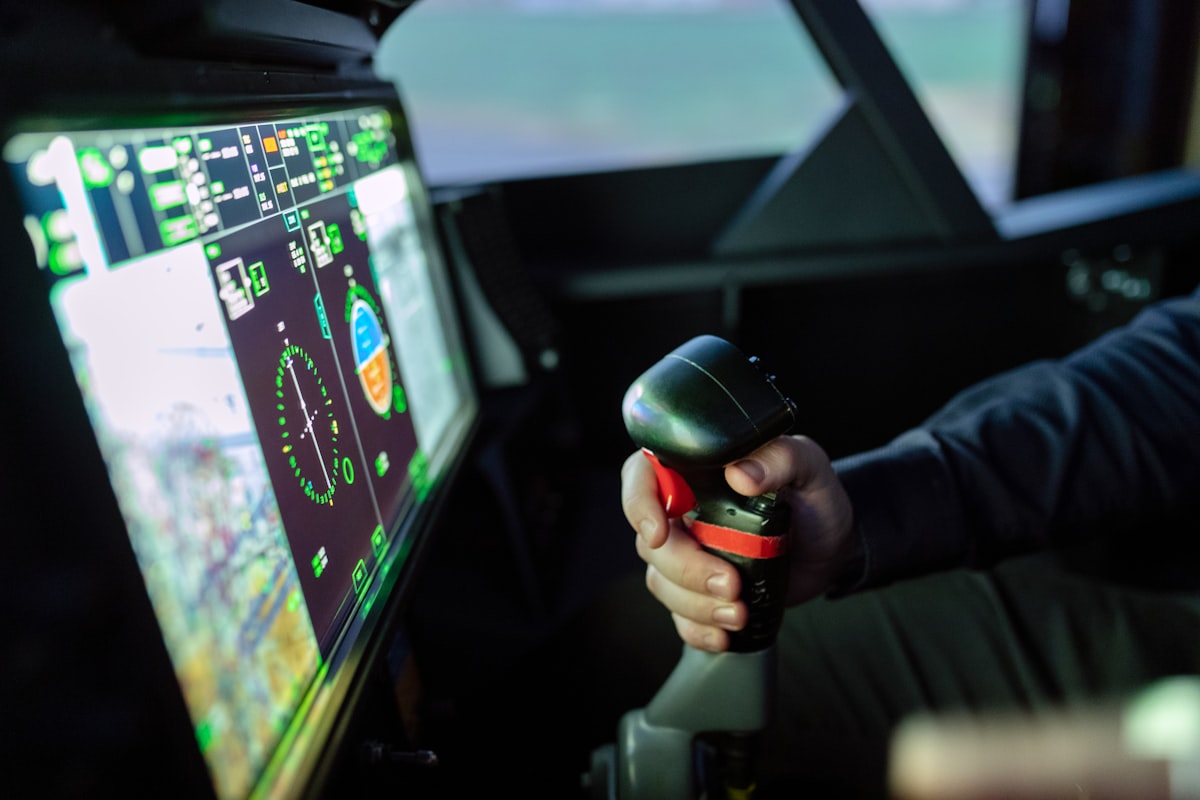
The transition starts with the pilot. Operators manually fly these Shrike drones into the combat zone as they have done for months, a familiar routine that unfolds without fanfare or variation. It's routine. Once a target is identified within half a mile, the operator can engage a switch that hands control over to the onboard computer, and that's where the human role shifts, moving from active controller to passive overseer with a single flick. The system then takes over, guiding the drone directly into the target while the pilot remains free to monitor the mission or abort if the situation changes. They don't have to wait long. But the handoff is the real test. So the pilot stays alert, ready to intervene, because even with automation, the final call is theirs, and that vigilance never fades.
Lorenz Meier, co-founder and CEO of Auterion, calls this shift in capability a major change for drone operations, one that fundamentally alters how pilots think about their missions and what they can expect from their aircraft in contested environments.
Visual navigation in a contested space
Standard GPS navigation is often useless in modern electronic warfare. But these upgraded units don't rely on that at all. Instead, they pull the visual feed straight from the main onboard camera and use sophisticated software to identify and track targets with remarkable precision. So they're immune to jamming. Because the system never touches satellite positioning, it keeps its accuracy even in environments where opposing forces heavily block or scramble every signal, and that's a major shift on the battlefield. It changes everything.
Key technical and tactical improvements
- The flight controller is replaced with an avionics unit featuring an integrated microprocessor.
- The system is optimized to run on an inexpensive, Western-made Arm system-on-a-chip.
- The drones can operate autonomously through building clusters and terrain that typically block radio waves.
- Total unit cost for the upgraded model is approximately 2,000 dollars.
The path toward drone swarms
Looking ahead, these strike kits are built for more complex group maneuvers. That's a big shift. Future updates could let a single operator command a swarm of drones to hit multiple objectives at once, which means the system can prioritize high-value targets and adjust in real time without wasting firepower on a single point. And during a demonstration at a military range in Florida, a pilot successfully directed three autonomous strike drones to engage three separate targets. That's precision. But the real payoff comes when the drones think for themselves.
The operator can abort a strike or choose a different target as long as they have a radio signal connection with the drone, Meier explained.
There's a catch to this rapid deployment of high-tech gear. It's a big one. While the technology enables sophisticated maneuvers, the company emphasizes the importance of keeping humans in the decision loop, and that's a stance they're clearly proud of. Meier stated that it is a positive development for a human operator to make life-or-death decisions, even as the possibility of future autonomous-versus-autonomous combat scenarios remains a consideration. But that future isn't here yet. So for now, the human stays in charge.
Rapid iteration on the frontlines
Success here often means failing early. It's a brutal, honest trade that local manufacturers have embraced by shipping prototypes into the field, watching them break under real conditions, and then refining the design based on what actually happens on the ground. So this messy cycle of trial and error stands in stark contrast to the more regimented procurement systems, where a piece of equipment is expected to be perfect before it ever leaves the factory floor. Don't mistake that for caution. It's fear. And fear can't build a better tank.
Auterion AI upgrades demonstrate the value of this feedback loop.
Simplifying the role of the pilot
Training time remains a significant bottleneck for military forces. These new systems flatten the learning curve, and operators can reportedly be trained to fly these drones and manage swarm tactics in roughly 60 seconds, a startling leap from the weeks or months that once defined proficiency in this domain. That's fast. By reducing the skill floor required to operate these machines, the military can maintain effectiveness even when experienced pilots are in short supply, so the math is simple. But as the technology matures, the ability to point and click a target on a screen might define the next era of battlefield engagement, and it's a shift we can't ignore. We've seen this before.
Frequently Asked Questions
What is the primary capability that Auterion's AI upgrades provide to Ukraine's Shrike drones?
The upgrades enable the drones to track and engage moving targets without any human intervention. They also give the drones terminal guidance that functions even when radio signals fail completely.
How does the operator transition control from manual flight to autonomous strike?
The operator manually flies the drone into the combat zone, and once a target is identified within half a mile, they engage a switch that hands control to the onboard computer. The pilot then becomes a passive overseer but remains alert to intervene or abort if needed.
Why are the upgraded drones immune to jamming?
The system does not rely on GPS navigation, which is often useless in electronic warfare. Instead, it pulls the visual feed from the main onboard camera and uses software to identify and track targets, so it keeps accuracy even when signals are blocked or scrambled.
What are some key technical improvements mentioned in the article for the upgraded Shrike drones?
The flight controller is replaced with an avionics unit featuring an integrated microprocessor, optimized to run on an inexpensive Western-made Arm system-on-a-chip. The drones can operate autonomously through building clusters and terrain that block radio waves, and the total unit cost is approximately 2,000 dollars.
What is the significance of the training time reduction for operators?
Operators can reportedly be trained to fly these drones and manage swarm tactics in roughly 60 seconds, compared to weeks or months previously. This reduces the skill floor required, allowing military forces to maintain effectiveness even when experienced pilots are scarce.
Marcus Thorne covers the fast-moving field of artificial intelligence, with a particular interest in large language models, automation and the companies driving the technology forward. He aims to cut through the hype and explain what these systems can and cannot do.
💬 Comments (0)
No comments yet. Be the first!