Boom Supersonic Overture Faces Doubts on 2029 Debut
United Airlines CEO Scott Kirby expressed doubts about Boom Supersonic Overture's ability to deliver its supersonic airliner by the company's 2029 timeline.
Boom Supersonic Overture Debut Facing Doubts Amidst Strategic Shift
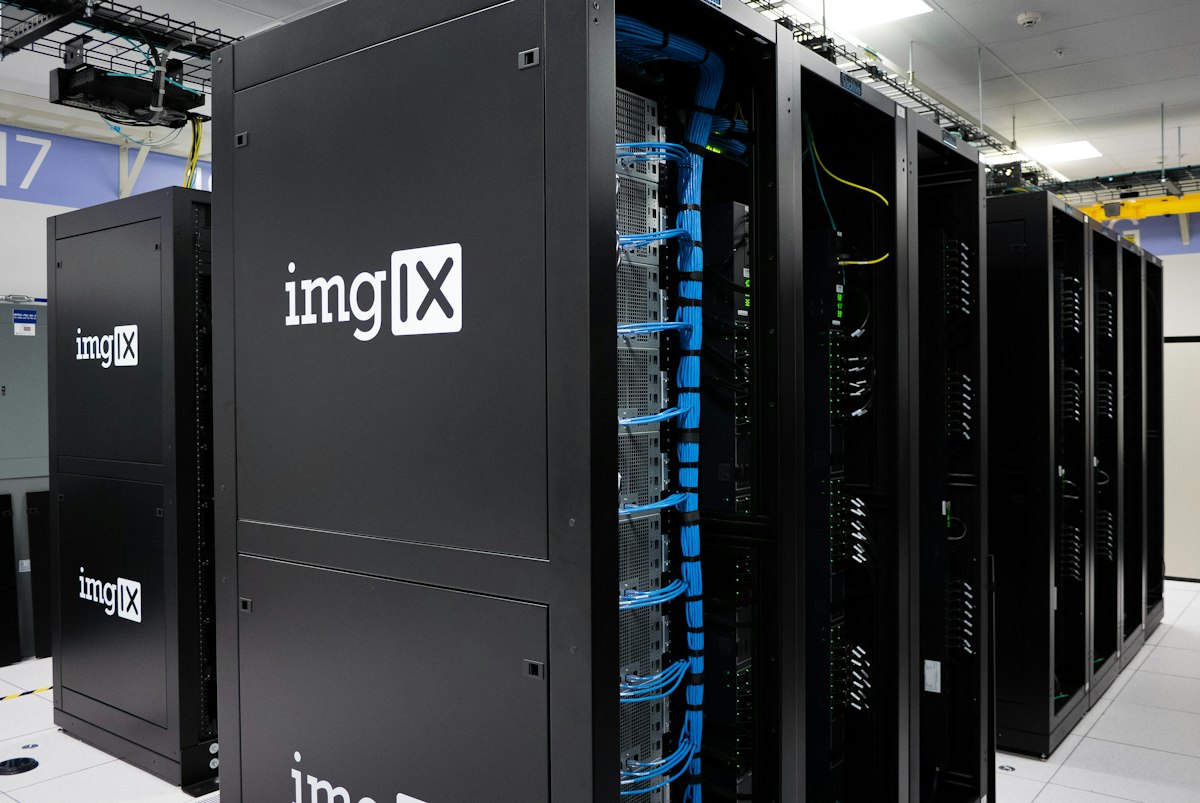
The Overture debut looks doubtful. Boom Supersonic's 2029 timeline is facing significant doubt, with many now questioning its feasibility, especially considering the company's dual pursuit of its supersonic aircraft ambitions alongside a new venture focused on powering artificial intelligence data centers, a demanding and complex undertaking in itself. The Boom Supersonic Overture project itself is drawing increased scrutiny. Skepticism is growing. Early financial backers and key industry figures are voicing their concerns about this ambitious schedule, indicating a palpable unease that the project may not meet its stated goals.
United Airlines CEO Expresses Skepticism
2029 is unlikely. Scott Kirby, United Airlines' CEO and an early Boom customer, voiced skepticism about the company's 2029 Overture delivery target. During an October 28, 2026, interview on the "Office Hours: Business Edition" podcast, Kirby candidly stated, "It's not going to happen in '29, it's going to take longer," acknowledging that Boom faces major development and FAA certification challenges for the Overture. Kirby's recent comments echo his earlier March assessment, where he characterized the likelihood of the Boom Supersonic Overture airliner entering commercial service as merely "50-50," underscoring the substantial obstacles that still lie ahead for the aspiring supersonic jet manufacturer.
Regulatory Support and Technical Demonstrations
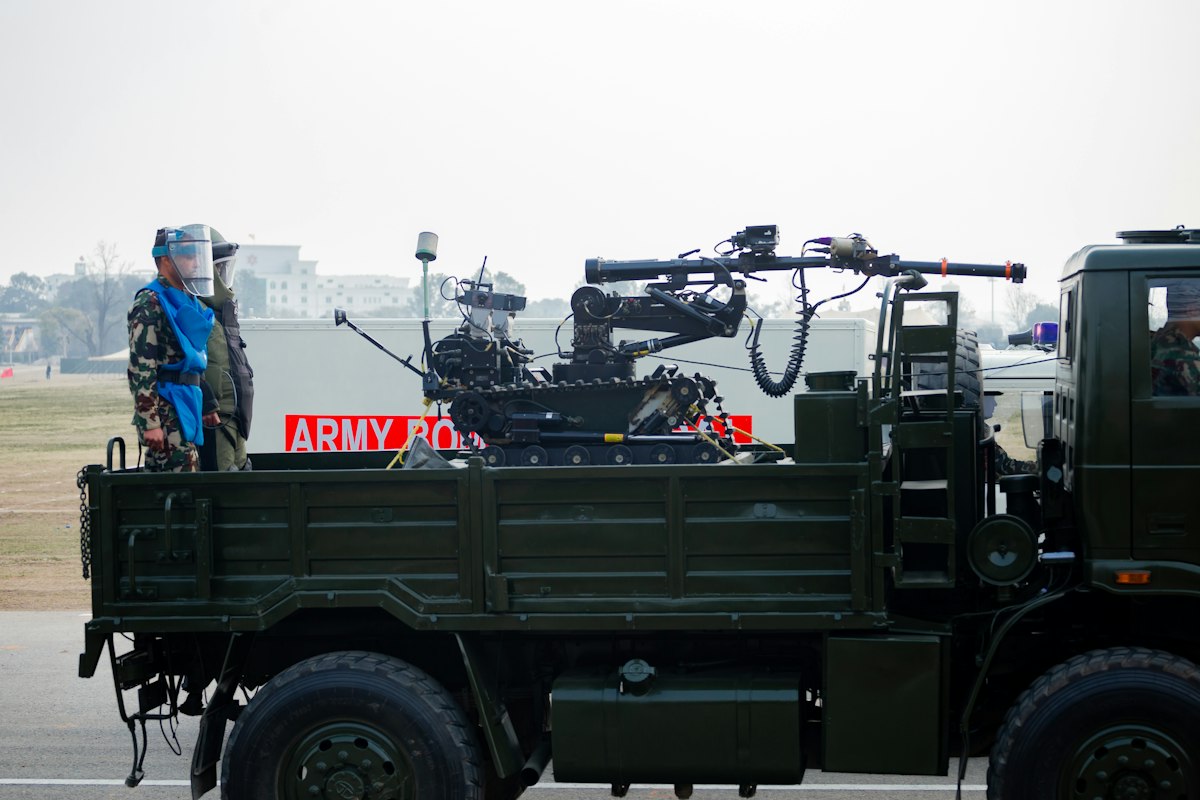
Boom's supersonic vision gets a boost. Regulatory changes are helping. The Trump administration simplified rules; it's a significant development for the company seeking to reintroduce supersonic passenger jets. In June 2026, the FAA proposed a new rule, a direct response to an executive order from President Donald Trump, that would lift the long-standing ban on commercial supersonic flights over United States airspace. Boom previously gained significant attention for its XB-1 demonstrator aircraft, which conducted successful flights in 2024 and 2025, effectively showcasing its promising "boomless cruise" concept, a technology designed to minimize sonic impact. This technology aims to minimize the sonic impact on the ground by flying at specific altitudes just beyond supersonic speeds, causing shockwaves to refract upward, thereby reducing noise pollution for communities below.
Conditional Agreements and Factory Status
Boom holds agreements. Conditional ones, yes, with giants like American Airlines, Japan Airlines, and United Airlines, agreements that entail non-refundable deposits, thereby granting these carriers the exclusive option to fully purchase the Boom Supersonic Overture aircraft once it's commercially viable. The facility sits empty. Its manufacturing plant, erected in 2024 at Piedmont Triad International Airport in Greensboro, North Carolina, has remained largely idle, a stark contrast to its intended purpose and the large investment made. This inactivity sparks concern. North Carolina state leaders, who generously contributed over $50 million in taxpayer funds for its construction, are questioning the lack of progress.
A Parallel Venture in AI Power
A significant shift in Boom's operational focus has been its aggressive push into developing natural gas turbines for AI data centers, creating an additional revenue stream. On October 22, the company inaugurated a new factory in Centennial, Colorado, dedicated to producing a 42-megawatt natural gas turbine named Superpower. This event saw participation from U.S. Secretary of Energy Chris Wright and Colorado Governor Jared Polis, underscoring the administration's continued support. Boom aims to deliver its first gas turbines to AI data center clients by mid-2027, with plans to increase annual production to 25 units in 2028 and 50 by 2029.
Turbulence in the Energy Sector
Boom pivots. The company's strategic move into the data center market mirrors a significant industry shift as technology firms increasingly favor natural gas to accelerate their ambitious project deployments, recognizing its efficiency for rapid infrastructure expansion. Some developers are even repurposing mobile gas generators and aeroderivative turbines, components originally engineered for the demanding environments of aerospace and naval applications, demonstrating a resourceful approach to meeting immediate power needs. However, Boom's CEO, Blake Scholl, recently disclosed a significant financial blow: the cancellation of a substantial $1.25 billion agreement with data center developer Crusoe, an arrangement that had stipulated the purchase of 29 gas turbines, representing a considerable loss of projected revenue. Despite this considerable setback, Scholl remains optimistic, indicating that Boom is still slated to deliver approximately 250 megawatts of its Superpower units to various locations throughout the upcoming year, showing resilience.
Synergy and Future Milestones
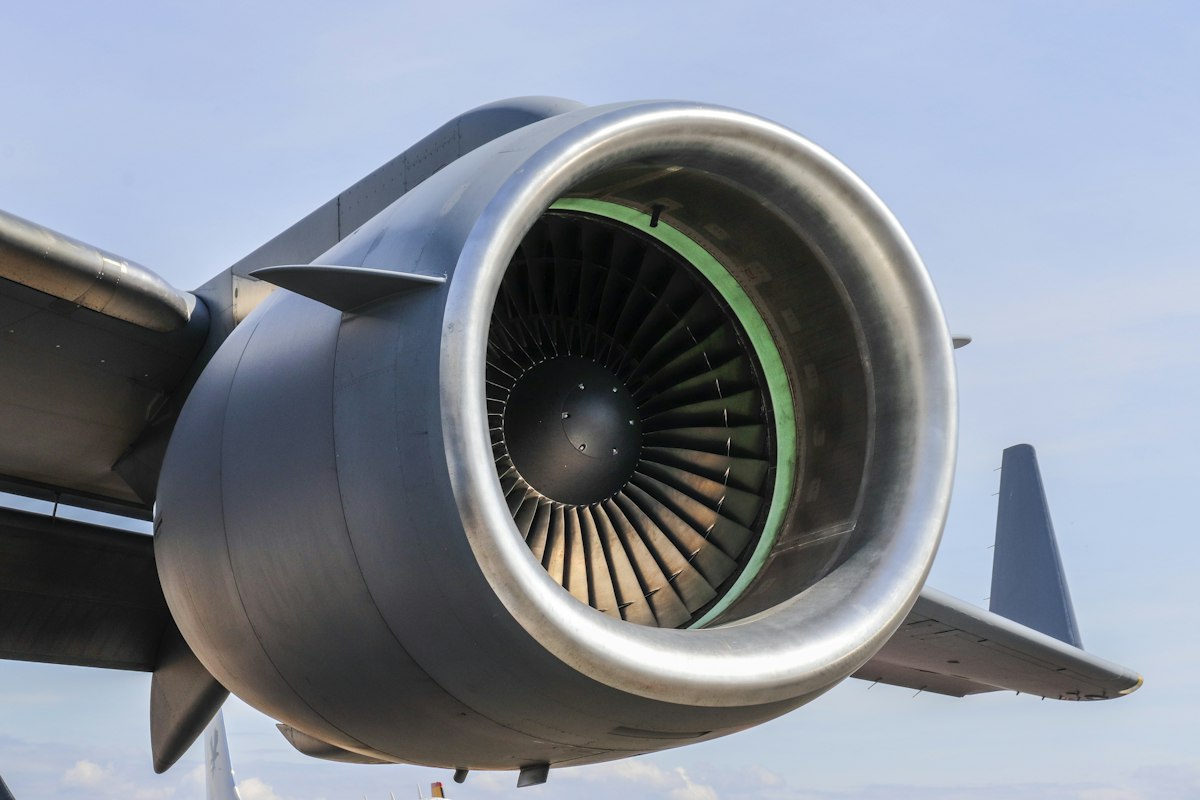
Boom's data center gas turbine development is synergistic. It aligns with the Symphony engine's design, meant for Boom Supersonic's Overture airliner. They've built a prototype turbine core, the Sprint Core, destined to power both the Superpower gas turbine and the Symphony engine, a key step forward for their ambitious projects. This core is set for testing at the Colorado Air & Space Port; an initial firing is planned before Thanksgiving. It's a concrete milestone. Still, Boom confronts substantial challenges in completing both its AI data center and supersonic airliner projects.
Frequently Asked Questions
What is the current status of the Boom Supersonic Overture's 2029 debut?
The 2029 debut of the Boom Supersonic Overture is facing significant doubt, with key industry figures, including United Airlines CEO Scott Kirby, expressing skepticism about the company's ability to meet this timeline. The project faces major development and FAA certification challenges.
Why is United Airlines CEO Scott Kirby skeptical about the Overture's timeline?
Scott Kirby, CEO of United Airlines and an early Boom customer, stated publicly that the 2029 delivery target is unlikely to be met. He cited major development hurdles and the extensive FAA certification process required for the Boom Supersonic Overture as primary reasons for his skepticism.
How does Boom Supersonic's venture into AI data center power affect the Overture project?
Boom Supersonic has aggressively pushed into developing natural gas turbines for AI data centers, creating an additional revenue stream. While the company claims synergy between this venture and the Boom Supersonic Overture's engine design, the dual pursuit of these complex projects raises concerns about resource allocation and focus, contributing to doubts about the Overture's original timeline.
- The Overture airliner's original target debut is 2029.
- United Airlines CEO Scott Kirby expressed doubts about the 2029 timeline.
- The FAA proposed a new rule in June 2026 to allow commercial supersonic flights over the U.S.
- Boom's North Carolina factory received over $50 million in state funding.
- The Superpower turbine for AI data centers is targeted for mid-2027 delivery.
- A $1.25 billion deal for 29 gas turbines with Crusoe was lost.
"'29 is their official timeline. It’s not going to happen in ‘29, it’s going to take longer." - Scott Kirby, CEO of United Airlines

Aris Thorne writes about machine learning, neural networks and the ethics of automated decision-making. He is drawn to the harder questions of how AI is built, who it serves and how it should be governed.
💬 Comments (0)
No comments yet. Be the first!