Trump Declares Foreign Robot Imports National Threat
President Donald Trump declared foreign robot imports a national security threat. New negotiations ordered, with tariffs possible on industrial machinery.
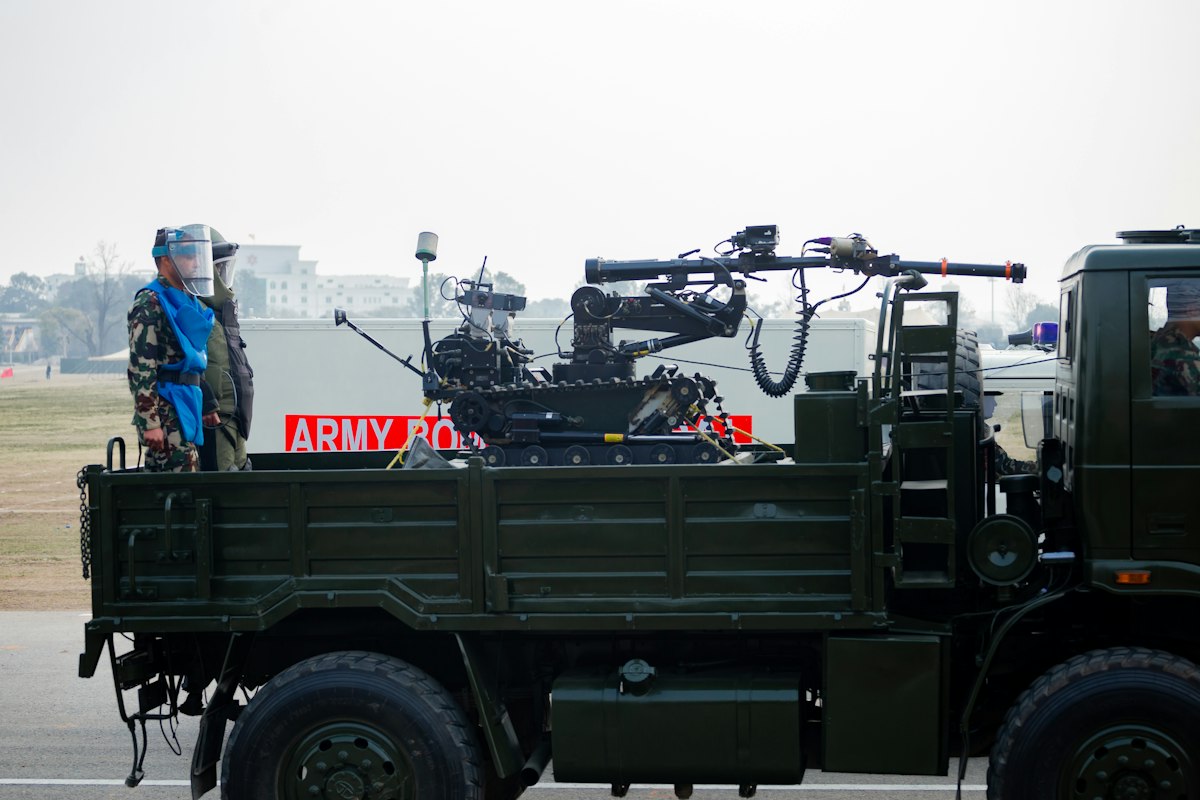
Robot imports: a threat. President Donald Trump made the declaration on October 28, issuing a proclamation that launched new trade talks and hinted at future tariffs. This action marks a notable increase in government supervision of factory automation. It's an action that holds the potential to fundamentally alter the country's manufacturing supply chains, impacting how goods are produced and sourced domestically and internationally.
Heightened Scrutiny on Factory Automation
The proclamation. Government scrutiny just spiked. Major U.S. companies will encounter difficulties, especially those depending heavily on imported factory automation systems that power their manufacturing, such as prominent Detroit carmakers like General Motors and Ford, electric vehicle pioneer Tesla, and major aerospace and defense giants like Boeing and Lockheed Martin. This development fundamentally alters the landscape.
National Security Justification
The declaration says robots are key. They're vital for US weapons. These machines are a driving force across the US economy's critical infrastructure sectors, impacting everything from energy grids to transportation networks. A Department of Commerce investigation, led by US Secretary Howard Lutnick, informed this proclamation. This inquiry reportedly discovered that these foreign robot imports pose risks to the United States industrial base and threatens the long-term competitiveness of the United States in a sector that is increasingly vital to national security.
The Department of Commerce investigation also reportedly uncovered "unique security and safety risks" that could create "substantial cybersecurity weaknesses with potentially severe repercussions for the United States.""
, Department of Commerce investigation (as cited in presidential proclamation)
Echoes of Previous Bans
These concerns echo previous FCC actions. In July 2026, the FCC banned new foreign robots. Robotic vacuums, robot dogs, and humanoids were targeted. But that earlier ruling specifically exempted industrial robot arms and other fixed or stationary robots, like those commonly found in automotive factories and logistics warehouses, which is a key distinction from the current directive that broadens the scope considerably. The current directive broadens scope.
Upcoming Trade Negotiations
The directive is stark. Trump demands trading partners adjust imports of robotics, industrial machinery, and their components, setting a strict 180-day deadline for forging new agreements, with the president retaining authority for "additional actions" should talks falter. These actions could include imposing tariffs, duties, quotas, and fees on these critical imports. The president's authority is clear. Such measures can potentially reshape international trade dynamics for vital industrial sectors.
Economic Fallout and Supply Chain Reliance
Tariffs hit US firms. American companies importing these foreign-made robots would face a direct financial burden, a development likely to increase US manufacturing's operational expenses, raising serious concerns. This rise in costs arrives precisely when the United States has firmly established itself as the world's second-largest consumer market for industrial robots, a position it has worked hard to secure. And this situation isn't ideal.
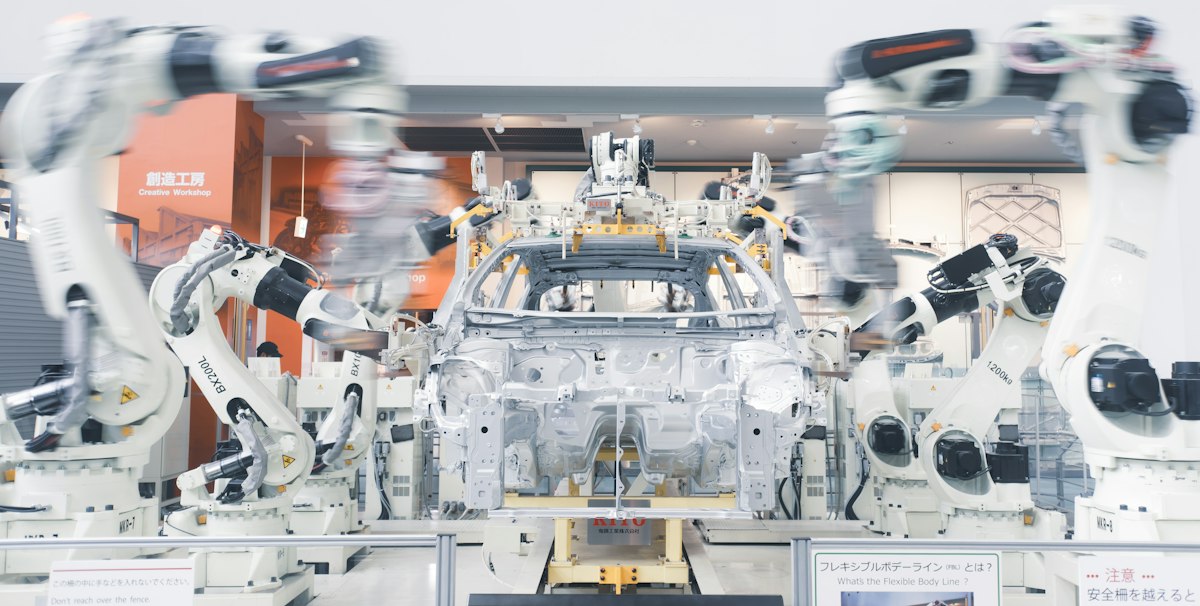
- The International Federation of Robotics reported nearly 38,500 new US installations of industrial robots in 2025 alone.
- Major US automotive and aerospace companies often buy large robotic arms from the "big four" robotics makers: FANUC, ABB, Yaskawa, and KUKA.
- These leading manufacturers are headquartered in Japan, Switzerland, and Germany.
- No US company currently offers comparable heavy-duty hardware for large industrial robotic arms.
Even Amazon, a company renowned for deploying more robot workers than perhaps any other worldwide, still incorporates some foreign-made robots, such as Japan’s FANUC robotic arms, despite its considerable efforts in ramping up in-house robot production and developing specialized robotic arms.
Domestic Shortfall and Future Waivers
The proclamation points out a glaring problem. US robotics companies simply can't make enough industrial robots for national security, it says; America depends on foreign imports for most robotics, industrial machinery, and their components. Future tariffs won't be a full ban, but the road ahead is complicated. Intel recently showed us this; major US companies can get waivers from the Trump administration, allowing them to keep using foreign-made robots even when a nominal restriction is supposedly in place. So, we'll likely see a complex enforcement strategy, one that attempts to balance national security worries with the practicalities of industrial supply chains, acknowledging that completely cutting off foreign parts isn't feasible.

Elena Vance reports on artificial intelligence, from frontier research labs to the products reshaping everyday work. She focuses on how machine learning is moving out of the lab and into the real world, and what that shift means for readers.
💬 Comments (0)
No comments yet. Be the first!