Sound Blaster Katana V2X Hack: What to Know
Sound Blaster Katana V2X speakers let Bluetooth attackers overwrite firmware and type commands on a PC—no pairing needed.
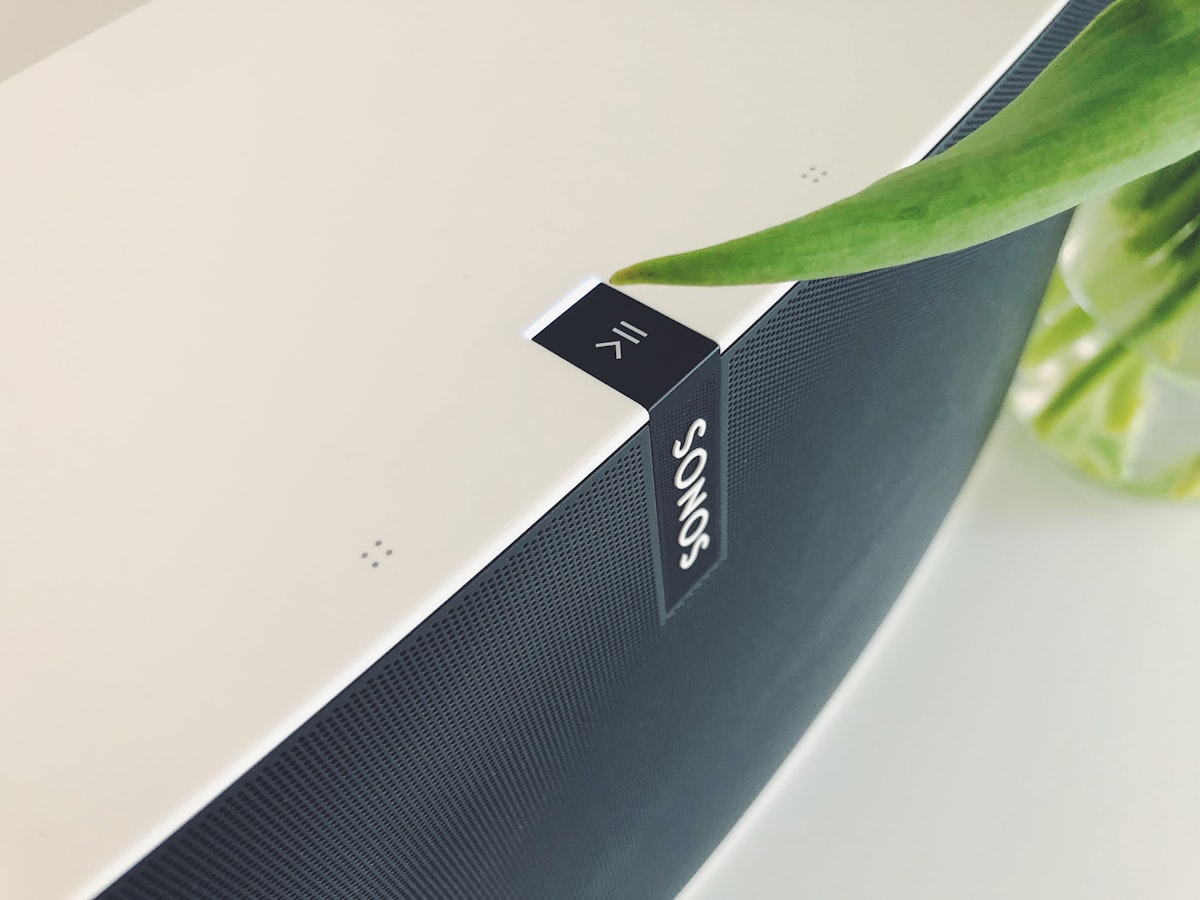
A Sound Blaster Katana V2X hack lets an attacker within Bluetooth range take over your PC without ever touching it. No pairing required. No password prompt. Just a speaker sitting on your desk, silently waiting to become a keyboard for someone else.
A Speaker That Types for You
Researcher Rasmus Moorats bought the $283 soundbar from Singapore-based Creative Technologies. He was curious. Could he build a Linux tool to talk to his own speaker? The answer was yes, and it spiraled from there.
He discovered a proprietary protocol called CTP, which he guesses stands for Creative Transport Protocol. CTP lets devices over USB or Bluetooth send commands to the speaker. Change the LED colors. Adjust the equalizer. Receive responses back. Normal stuff. Convenient stuff.
But here is where it gets wild.
No Password. No Pairing. Full Access.
Moorats found his Bluetooth device could connect to the Katana V2X without any authentication. None. Even stranger, his device did not need to be paired first. The speaker was already connected to his PC via USB. His Bluetooth device just walked right in.
One CTP command caught his attention: "upload new firmware to device." He tried it. It worked. No code signing. No integrity check. Nothing stopping anyone from replacing the official firmware with their own.
He flashed a test firmware that simply displayed the word "patched" on the speaker's LED. Then the real question hit him. What else could someone do?
The Hidden Keyboard Inside
The Katana V2X runs FreeRTOS, an open source operating system. It includes HID functions, the kind that let devices act as keyboards, mice, or webcams. The speaker's default HID implementation was limited. Volume changes. Play and pause. Small stuff.
But Moorats figured out how to modify the USB descriptor set. Think of a descriptor set as a report card the speaker hands to your PC. It says, "Here is what I am and what I can do." Moorats added a second descriptor. This one told the PC the speaker was also a keyboard.
He then used code already in the firmware to send keystrokes. The speaker could type. Whatever he wanted.
- The attacker uploads malicious firmware over Bluetooth from within Bluetooth range
- The speaker reboots and re-registers as a keyboard to the connected PC
- Keystrokes fly in: open PowerShell, paste a payload, execute it
- All of this happens with zero user interaction
Moorats described the full chain in his own words:
"Chaining it all together, I was able to totally remotely, over the air, upload a custom firmware to my speaker which I hadn't paired with, which would reboot, flash the custom firmware, and after rebooting type in the command echo pwned and execute it."
He added that a real attacker would paste a malicious one-liner into PowerShell. They would also disable the firmware update routine in both normal and recovery mode. Once the malicious firmware is on the speaker, it would be impossible to wipe it or patch it.
Bluetooth Is Always On
There is no off switch. Bluetooth stays active even in sleep mode. The speaker is always listening. Always reachable. You cannot disable it.
There is a challenge-and-response authentication for USB-connected devices. The speaker and the PC handshake automatically when the software boots. For a hacker, this is usually not a problem. The correct response can be extracted from the app binary that ships with the speaker. It is right there, baked into the software.
But for Bluetooth? No such challenge exists. No handshake. No hurdle at all.
The Company's Response
Moorats reported his findings to Creative Technologies. Silence. He then brought in CERT Singapore to intervene.
Eventually, the company responded. Its engineers did not regard the behavior as a vulnerability.
Let that land. A speaker that lets strangers upload firmware over Bluetooth and type commands on your PC is not a bug, according to the manufacturer.
What This Means For You
The attack has limits. The hacker must be within Bluetooth range. We are talking neighbors, housemates, or someone in an adjacent office. This is not a remote exploit from across the internet.
But the implications still sting:
- Your desk speaker becomes a proxy for someone else's keystrokes
- Malware lands on your machine without a single click
- The malicious firmware survives reboots and resists removal
- Bluetooth cannot be turned off, so the attack surface never closes
The Sound Blaster Katana V2X hack turns a premium audio device into an uninvited keyboard. It connects without permission. It types without asking. It executes commands while you watch a movie or step away for coffee.
Who Is Affected
Anyone running a Katana V2X connected to a Windows, Mac, or Linux machine via USB. The speaker's Bluetooth radio is always broadcasting. The firmware accepts uploads from unpaired devices. The HID function is dormant but waiting to be weaponized.
The Sound Blaster Katana V2X hack affects every unit. Creative Technologies has not acknowledged the issue as a security flaw.
The Bigger Question
Moorats tested against a Windows machine. That was enough for proof of concept. But the Sound Blaster Katana V2X hack raises an uncomfortable question about the entire Bluetooth ecosystem. How many other devices have similar capabilities? Keyboards hidden inside speakers. Mice hidden inside headphones. Firmware uploads gated by nothing more than proximity.
The Katana V2X is widely reviewed and praised for its sound quality. The predecessor, the Sound Blaster V2, earned similar acclaim. Good audio products. Terrible security posture.
The Sound Blaster Katana V2X hack is not theoretical. It is demonstrated. Reproducible. Ignored by the vendor. If you own one, you are exposed. If you are considering one, weigh the risk. A speaker that sounds great but types for strangers is a tradeoff nobody should have to make.
The Verdict
Creative Technologies built a fantastic-sounding soundbar. They also built a Bluetooth backdoor and chose not to fix it. The burden falls on you. Otherwise, your speaker remains a keyboard for anyone in range.
Frequently Asked Questions
What exactly does the Sound Blaster Katana V2X hack allow an attacker to do?
The hack lets an attacker within Bluetooth range take over a PC without touching it, with no pairing or password required. The attacker can upload malicious firmware over Bluetooth that turns the speaker into a keyboard, allowing them to type and execute commands on the connected PC.
How did researcher Rasmus Moorats demonstrate the attack chain?
Moorats chained together the steps: he uploaded custom firmware over Bluetooth to a speaker he hadn't paired with, which rebooted, flashed the firmware, and then typed and executed the command "echo pwned". He noted that a real attacker would paste a malicious one-liner into PowerShell and disable firmware updates to make removal impossible.
Why did Creative Technologies fail to acknowledge the issue as a vulnerability?
Moorats reported his findings to Creative Technologies, but the company initially remained silent. After CERT Singapore intervened, Creative Technologies' engineers stated they did not regard the behavior as a vulnerability, despite the clear security implications.
Who is at risk from the Sound Blaster Katana V2X hack?
Anyone running a Katana V2X connected via USB to a Windows, Mac, or Linux machine is affected. The speaker's Bluetooth radio is always broadcasting and accepts firmware uploads from unpaired devices, so every unit is exposed.
What are the key limitations of this attack?
The hacker must be within Bluetooth range, such as neighbors, housemates, or someone in an adjacent office — it is not a remote exploit from across the internet. However, the attack still allows malware to land without a single click, and the malicious firmware survives reboots and resists removal because Bluetooth cannot be turned off.

Marcus Thorne covers the fast-moving field of artificial intelligence, with a particular interest in large language models, automation and the companies driving the technology forward. He aims to cut through the hype and explain what these systems can and cannot do.
💬 Comments (0)
No comments yet. Be the first!