L'Oréal's AI Strategy Signals Deep Enterprise AI Integration
L'Oréal's AI strategy, encompassing consumer tools like Maybelline virtual try-on in ChatGPT and deep R&D, demonstrates a comprehensive AI adoption model for large enterprises.

L'Oréal's AI strategy is bold. Their latest collaboration with OpenAI signals a deep and far-reaching integration of artificial intelligence across the entire business, moving beyond superficial applications to touch consumer-facing innovations, product development, advertising, and internal operational efficiencies. But this partnership doesn't stop there. The announcement at VivaTech 2026 positions L'Oréal not just as a user of AI, but as a strategic partner in shaping its application within the beauty sector. It's a smart move.
L'Oréal's AI Strategy Deepens Enterprise Integration
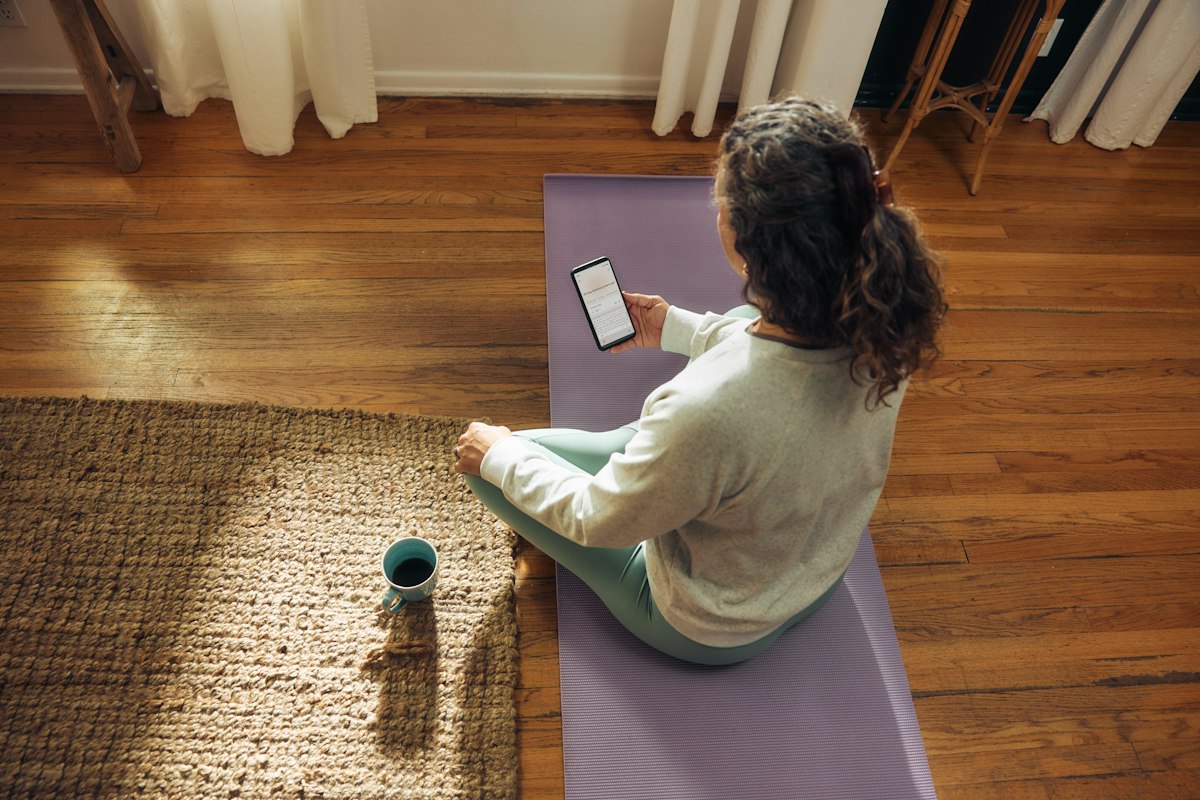
So they're integrating Maybelline New York's virtual makeup try-on feature directly into ChatGPT. It's a strategic shift. L'Oréal is betting on a new kind of consumer interaction by embedding advanced beauty technology within ubiquitous conversational AI platforms, not just extending an existing tool, and consumers can now digitally test makeup looks through a natural, conversational interface using L'Oréal's proprietary ModiFace technology, which the company acquired in 2018. But this builds on earlier digital services. Those services had already logged over 120 million uses across 66 countries and 31 brands by the end of 2025. It shows the company's earlier commitment to digital consumer engagement.
Consumer-Facing Innovations Amplify Discovery
The implications are substantial. L'Oréal is tapping into a massive user base by making virtual try-on accessible within ChatGPT, since OpenAI reports over 900 million weekly active users globally, and this move directly addresses evolving consumer expectations for personalized and interactive digital experiences. But the collaboration doesn't stop there. It also extends to improving product discovery for brands like Lancôme and Kérastase within ChatGPT, aiming to capture consumer intent at critical moments, and that aligns with the company's observation of double-digit e-commerce growth in 2025, which surpassed 30% of total sales. Several L'Oréal brands are also participating in OpenAI’s global advertising pilot, focusing on AI-native advertising integrated within AI-assisted consumer interactions. This pilot signifies a proactive approach. It's about understanding and shaping the future of digital advertising in an AI-centric world, zeroing in on moments of intent and commerce.
L'Oréal's AI Strategy in Research and Formulation
Beyond consumer apps, L'Oréal's AI strategy runs deep in R&D. They're using OpenAI's GPT-Rosalind, a life sciences reasoning model, to advance understanding of the skin microbiome. This work, started with La Roche-Posay, aims to find beneficial bacteria that could lead to new skincare products. But it's not just about bacteria. This scientific exploration reflects a broader industry trend where AI has become an indispensable tool for complex biological and chemical research, accelerating discovery and innovation at a pace we've never seen before. The 2025 Annual Report also highlights ongoing work in formulation science, including a Formulation Foundation Model for beauty formulation built with IBM. And L'Oréal's prior work with NVIDIA on AI development and deployment in areas like 3D product rendering and predictive formulation science further solidifies its commitment to AI-driven innovation.
Internal Transformation Through Generative AI
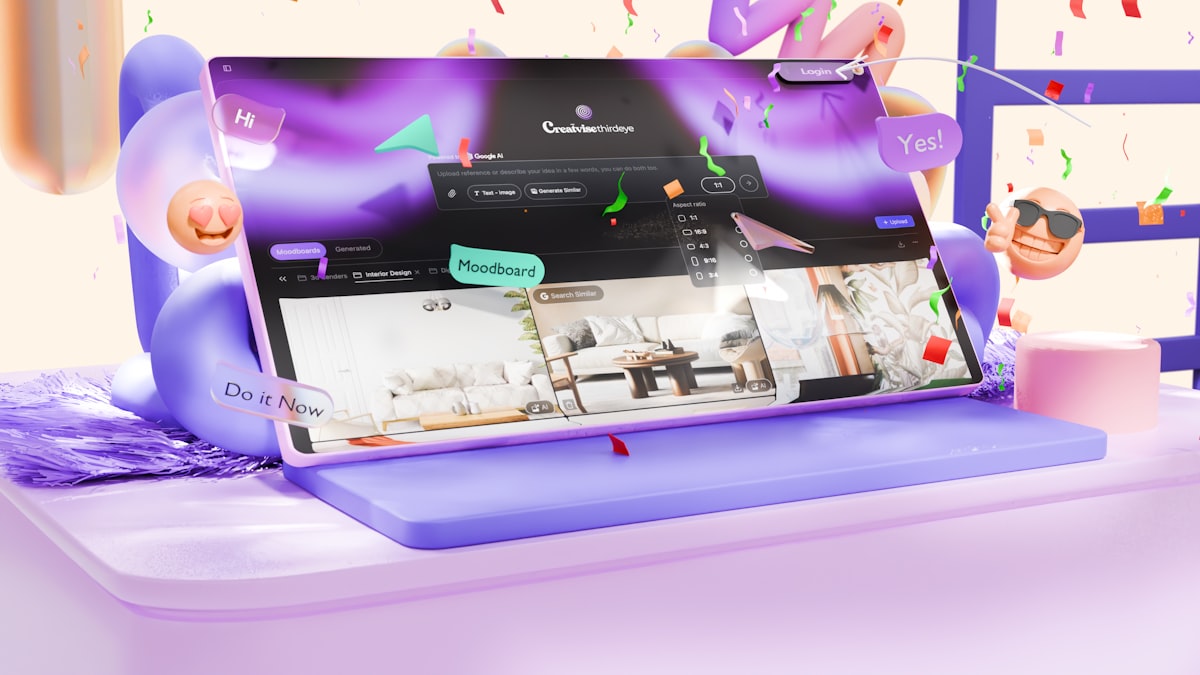
L'Oréal's CreAItech platform now uses OpenAI's latest models for image and video generation. That's a big step. This internal generative AI tool helps teams create content that closely reflects brand identities and historical aesthetics. But it's not just about the technology. Internally, L'Oréal is deploying AI to simplify and boost its creative and operational work. So they've already trained 73,000 employees in generative AI. The introduction of tools like L’OréalGPT and personal AI companions shows a strategic effort to empower people with advanced capabilities, improving productivity and building a culture of innovation across the organization. This approach ensures AI benefits reach both consumers and the employees behind the brands.
"We want to use AI to support consumers and employees," stated Asmita Dubey, L’Oréal’s chief digital and marketing officer, emphasizing the dual focus of their AI initiatives across marketing, research, and internal functions.
Emmanuel Marill, OpenAI’s managing director for EMEA, echoed this sentiment, noting that the collaboration spans research, employee tools, and consumer services, underscoring the breadth of L'Oréal's AI program.
Market Implications and Future Trajectory
L'Oréal's smart move into AI through this major partnership puts it ahead in beauty's digital shift. It's a potential model for other consumer goods companies aiming to boost customer engagement and product discovery by merging advanced virtual try-on with a leading conversational AI platform. But the company's early work on AI-native advertising pilots shows a forward-thinking way to make money from AI-driven chats. This approach aims to redefine beauty tech. L'Oréal's AI strategy runs deep, stretching from basic research and product formulation to consumer experience and internal productivity, so they're clearly committed to using artificial intelligence as a core business driver in an increasingly digital-first world.
Frequently Asked Questions
What is a key consumer-facing innovation in L'Oréal's AI strategy?
L'Oréal is integrating Maybelline New York's virtual makeup try-on feature directly into ChatGPT, using its proprietary ModiFace technology. This allows consumers to digitally test makeup looks through a natural, conversational interface.
Why is L'Oréal collaborating with OpenAI on research and development?
L'Oréal uses OpenAI's GPT-Rosalind, a life sciences reasoning model, to advance understanding of the skin microbiome. This work, started with La Roche-Posay, aims to find beneficial bacteria that could lead to new skincare products.
How does L'Oréal's AI strategy support internal operations?
L'Oréal's CreAItech platform uses OpenAI's models for image and video generation, helping teams create content that reflects brand identities. The company has trained 73,000 employees in generative AI and introduced tools like L'OréalGPT to improve productivity.
When was L'Oréal's collaboration with OpenAI announced, and where?
The announcement was made at VivaTech 2026, positioning L'Oréal as a strategic partner in shaping AI's application within the beauty sector.
Who at L'Oréal emphasized the dual focus of AI initiatives on consumers and employees?
Asmita Dubey, L'Oréal's chief digital and marketing officer, stated, "We want to use AI to support consumers and employees," highlighting the dual focus across marketing, research, and internal functions.
Marcus Thorne covers the fast-moving field of artificial intelligence, with a particular interest in large language models, automation and the companies driving the technology forward. He aims to cut through the hype and explain what these systems can and cannot do.
💬 Comments (0)
No comments yet. Be the first!