Prefab component-based Python interface powers dashboard strategy
Prefab component-based Python interface enables building interactive dashboards with reactive state and static HTML export.
Prefab component-based Python interface
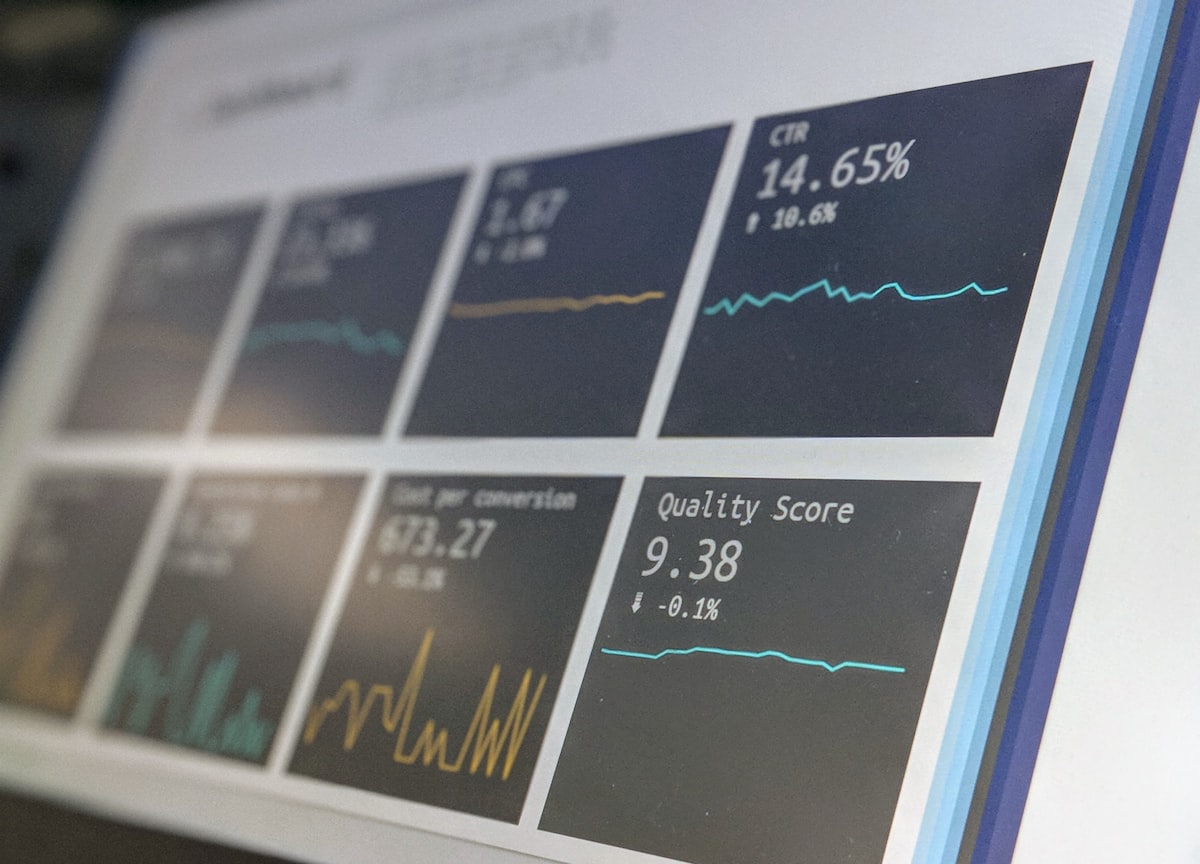
Prefab component-based Python interface design signals a quiet transition. Data professionals are changing how they approach dashboard development. This approach removes the traditional barrier between backend logic and user presentation by allowing developers to build interactive interfaces without writing custom frontend code. It's a broader pattern. Abstracting away the complexities of web frameworks to favor developer velocity, professionals can now generate reactive state and data visualizations directly within the environments they already inhabit. So they don't need to leave their comfort zones.
The shift toward logic-first design
Python defines reactive elements like charts, tables, and conditional flows. This signals a definite shift. Logic stays in one place rather than splitting efforts between specialized languages, so it's a move toward a more unified development workflow where developers define data processing pipelines alongside the user interface elements that display the results. It simplifies the maintenance burden.
Beyond standard web development
This strategy challenges the old way of manual frontend engineering. But it doesn't stop there. For many enterprises, the ability to export static HTML directly from a data-oriented environment creates a clear and immediate path to deployment, letting teams move from raw data logic to a functional interface in a single go. It's a big shift. By generating realistic synthetic operations data to drive these visualizations, the framework proves its capability for handling complex monitoring tasks, so it effectively shows that you don't need a deep mastery of JavaScript to take advantage of reactive UIs. It's not just theory.

Refining the operational dashboard
The architecture enables sophisticated interactions that typically require backend services. It works. So by defining actions like updating state, swapping datasets, or triggering UI updates, the framework keeps interactivity alive even in a static export,it's a must-have for operations teams who track metrics such as pipeline health and latency without constantly polling the backend. Here are the specific capabilities we currently offer.
- Native support for charts including bar, line, pie, radar, and scatter plots.
- Reactive state management that responds to user input like sliders, switches, and button clicks.
- Control flow components such as if and for-each loops to manage display logic.
- It integrates smoothly with data structures for building tables, metrics, and alerts.
The path to client side autonomy
The intention is clear. By removing the need for a persistent backend, the resulting dashboards become easier to host and share, and the ability to preview apps directly inside interactive notebook environments highlights the emphasis on instant feedback loops. And this drive for self-contained tools will likely grow as data teams seek to reduce their dependencies on external web developers.
Redefining the developer experience
This shift has a calculated efficiency. Pinning versions and automating library installations creates a predictable environment for users, and as the framework evolves, the promise is a more streamlined path from initial data analysis to final production-ready interfaces. So this evolution suggests that the future of operational tooling will prioritize the integration of data and display layers. It's a fundamental narrowing of the gap between the analyst and the end user.
Frequently Asked Questions
What is the Prefab component-based Python interface?
The Prefab component-based Python interface is an approach that removes the traditional barrier between backend logic and user presentation, allowing developers to build interactive interfaces without writing custom frontend code. It abstracts away the complexities of web frameworks to favor developer velocity, enabling professionals to generate reactive state and data visualizations directly within their existing environments.
Why does the Prefab component-based Python interface simplify maintenance for teams?
The approach consolidates logic into one place rather than splitting efforts between specialized languages, which simplifies the maintenance burden. This consolidation helps teams managing operational dashboards by keeping data as the primary focus instead of the plumbing of the user experience.
How does the Prefab component-based Python interface enable static HTML export?
The ability to export static HTML directly from a data-oriented environment creates a clear and immediate path to deployment, letting teams move from raw data logic to a functional interface in a single go. The framework keeps interactivity alive even in a static export by defining actions like updating state, swapping datasets, or triggering UI updates.
What specific capabilities does the Prefab component-based Python interface currently offer?
The interface offers native support for charts including bar, line, pie, radar, and scatter plots, as well as reactive state management that responds to user input like sliders, switches, and button clicks. It also includes control flow components such as if and for-each loops to manage display logic and integrates smoothly with data structures for building tables, metrics, and alerts.
Who benefits from using the Prefab component-based Python interface according to the article?
Data professionals benefit from this approach as they can change how they approach dashboard development without leaving their comfort zones. Operations teams who track metrics such as pipeline health and latency benefit from the ability to maintain interactivity without constantly polling the backend, and the framework reduces dependencies on external web developers for data teams.

Elena Vance reports on artificial intelligence, from frontier research labs to the products reshaping everyday work. She focuses on how machine learning is moving out of the lab and into the real world, and what that shift means for readers.
💬 Comments (0)
No comments yet. Be the first!