Virtual wall failures: 4 fixes for border surveillance
MIT Technology Review's virtual wall investigation found over 1,050 deaths near surveillance towers, prompting four policy fixes for CBP.
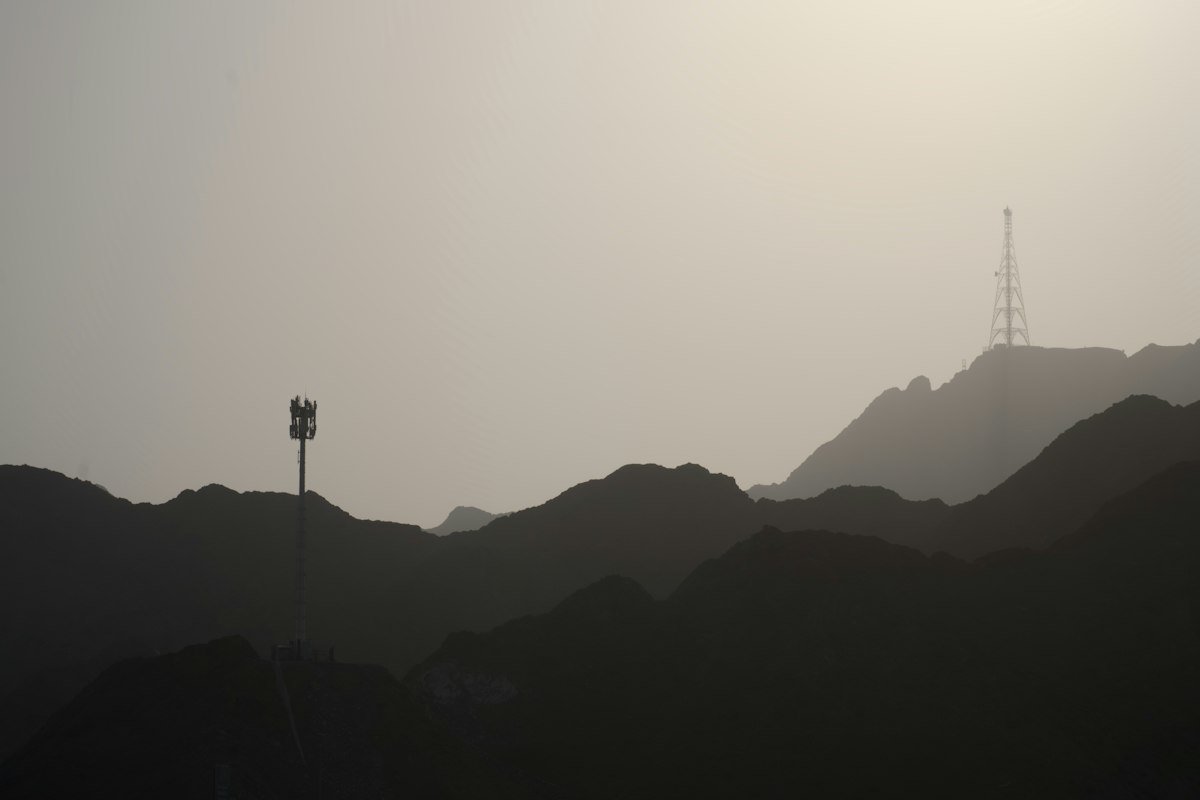
Virtual wall failures aren't abstract engineering problems. They're measured in bodies found weeks after death. In towers that sat broken while people walked past them. In alerts that agents never answered. A yearlong investigation along the US-Mexico border has documented more than 1,050 deaths near surveillance infrastructure, and the findings point to something more uncomfortable than isolated malfunctions, something the agencies involved don't want to name. The system meant to watch the border has, in case after case, simply failed to watch. And people died because of it.
The investigation was a collaboration with Times of San Diego. It examined police reports, satellite imagery, and mapping data to reconstruct, in painstaking detail, where towers stand and what happened near them. What emerged is a picture of a network that has grown faster than anyone's ability to judge whether it works. But here's the thing. They're building fast. We've got four fixes that would begin to close the gap between what the virtual wall promises and what it delivers.
Audit the Deaths Nobody Counted
There's no comprehensive public map of the virtual wall. That fact cripples everything. It cripples any attempt to understand the surveillance network's human cost, because without that map, researchers can't see the full picture, and they're left piecing together fragments of a system that stretches across the border. Researchers relied on mapping work led by the Electronic Frontier Foundation, then verified tower locations and rough installation dates using satellite imagery. They analyzed nearly 600 towers. The government says roughly 800 operate today. That gap matters. Why? Because the tally of more than 1,050 deaths near towers is an undercount, and no one knows where along the border the problem runs deepest.
Sarah Silva, a New Mexico state representative, had a blunt reaction when shown that more than 18 people died near towers in a single small stretch of desert near her district in 2024 alone.
"If I were the federal government, I would do an audit, because this feels like it's not working."
An internal audit wouldn't suffer those limits. In theory, Customs and Border Protection tracks when each tower went up and when it was active, and it's had the ability to measure effectiveness and quantify nearby deaths since at least 2015, when it began installing the tower types in question. But the agency has never conducted such an audit. That's what sources say.
A Broken System for Counting the Dead
You can't analyze deaths near surveillance technology. Not if you can't establish when and where those deaths happen. No national agency collects and publishes all records on migrant deaths, and investigators who sifted through thousands of pages from dozens of agencies in Texas alone still came away with an incomplete picture, because no shared protocol exists for documenting these deaths in public records.
Border Patrol has run its own internal system since 2007. It's called the Border Safety Initiative Tracking System. National rules for entering cases into that system didn't arrive until 2021. The next year, the Government Accountability Office found that many cases still went untracked, especially deaths not discovered by Border Patrol. By 2023, the GAO reported that Border Patrol had taken steps to fix the problem, but outside researchers keep finding the agency's estimates to be undercounts even today, and that's a problem we've watched persist for years.
There is a second layer here. In 2017, CBP launched the Missing Migrant Program to prevent deaths. In April 2025, the GAO found the program had improved how it collected data on 911 calls and rescues. But no plan existed to use that data to measure whether the program actually increased rescues or reduced deaths, its stated goals. The GAO made two recommendations. Neither has been implemented.
What the Agency Already Promised
Accountability isn't new here. Back in 2014, when the virtual wall was far smaller, the GAO suggested that Border Patrol agents log every instance where a piece of technology helped them apprehend someone crossing illegally, a request that would let Congress see how often surveillance actually led to apprehensions. CBP agreed. And they began requiring agents to enter the information.
Then the numbers fell apart. In 2017, the GAO reported the data was inaccurate and unreliable. Agents in Texas were crediting a specific tower type in hundreds of apprehensions, even though no such towers existed anywhere in the state. Border Patrol pledged to improve and to train agents on why the data mattered. Years later, agents describe the mandate as a low priority. One former CBP official, who requested anonymity and served during the Biden administration, called it "spitting in the wind, to be honest," adding that the messy reality of apprehensions does not translate into neat metrics.
Here's what should bother anyone writing the checks. In August 2021, more than seven years after agreeing to analyze tower effectiveness, CBP still had produced no such analysis, and that's a fact they can't explain away. An assessment was completed in 2022, according to the GAO, but the results are not public. The virtual wall keeps growing. The evidence stays locked away. So we've got a wall that grows and grows while the proof of whether it works remains hidden from everyone who paid for it.
Treat Every Death as a Possible System Failure
The fourth fix is the most direct. When a body is found, the agency should check whether the person died within sight of a tower or other surveillance technology, and if so, determine why no one spotted them sooner. Right now, there is no requirement to check. No process exists. When agents encounter the body of someone presumed to have died crossing into the US, the question of nearby surveillance infrastructure simply goes unasked.
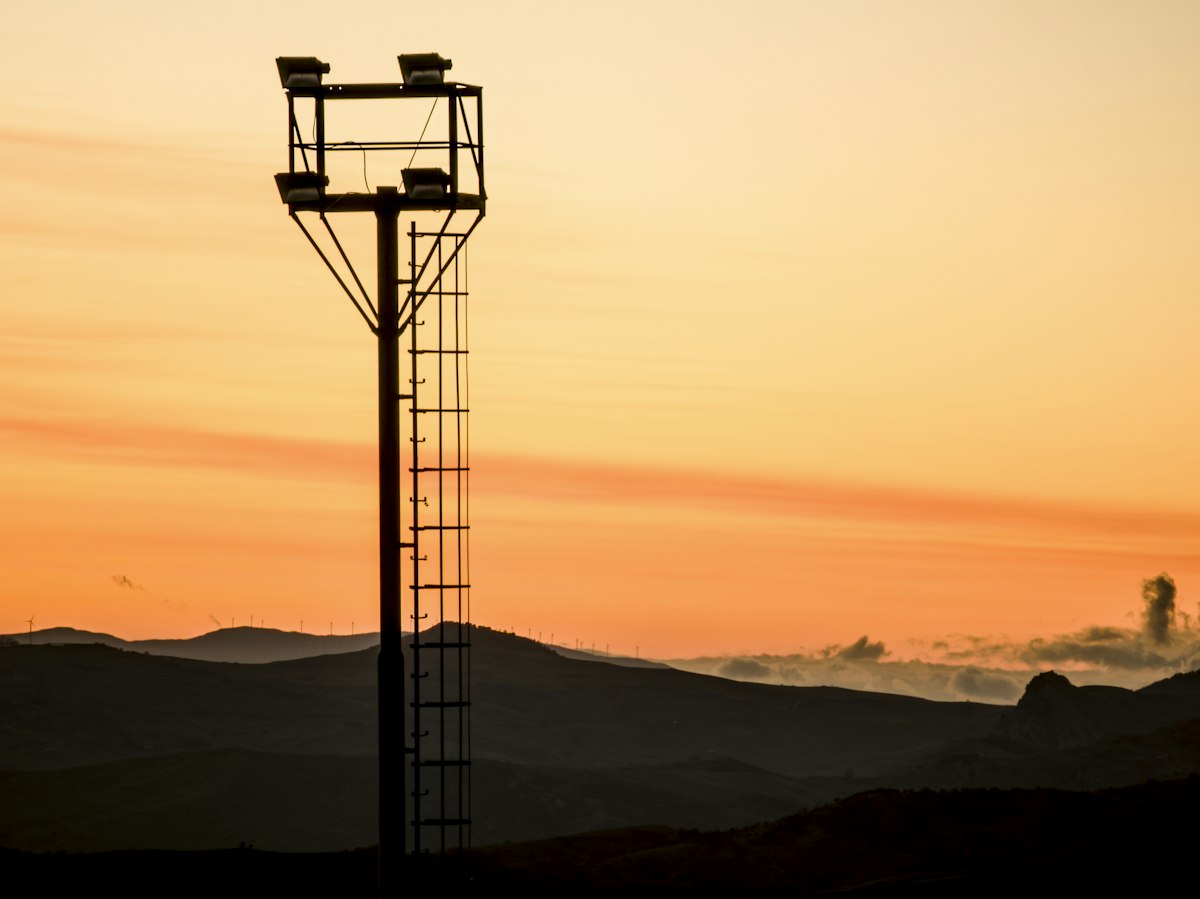
That omission has consequences.
What the Cameras Saw
New Mexico shows what a review might catch. One location there illustrates what a proper review might catch, such as cases where people died near advanced AI-enabled towers, and that's the part we've got to sit with. A postmortem inquiry might reveal that a camera repeatedly failed to detect people in that area. And agents were alerted. They never responded. So it's possible, too, that a postmortem inquiry might reveal that agents were alerted and never responded, though we don't know that yet.
That question cuts deep. Did the cameras see them and nobody came? Or did nobody see them at all? A thorough review aims to answer it, and answering it means treating each death not as an isolated tragedy but as potential evidence about a system that's failing, which is a harder thing to sit with than any single case. The US is set to spend $1 billion tripling the size of the virtual wall by 2034, built in part by the defense company Anduril, which keeps winning major contracts. So before that money gets spent, the country might want to know what the last billion bought.
- More than 1,050 people have died near surveillance towers, and that figure is an undercount.
- Researchers verified nearly 600 towers via satellite imagery, versus the roughly 800 the government says operate.
- In one small stretch of New Mexico desert, more than 18 people died near towers in 2024 alone.
- CBP has never audited tower effectiveness, despite having the internal data to do so since at least 2015.
- The GAO found in 2017 that apprehension data credited nonexistent towers in Texas, and made two recommendations on the Missing Migrant Program that remain unimplemented.
- Tower footage is typically deleted after 30 days unless an internal review is opened.
None of these four fixes requires new technology. They require the willingness to look. An audit, a functioning death-tracking system, honest apprehension data, and a routine check of every death against the tower map would cost far less than another stretch of desert studded with cameras. The failures along the virtual wall are documented, repeated, and, so far, unanswered.
Frequently Asked Questions
How many deaths have been documented near surveillance infrastructure along the US-Mexico border?
A yearlong investigation documented more than 1,050 deaths near surveillance infrastructure. The article states that this tally is an undercount, and no one knows where along the border the problem runs deepest.
Why is the lack of a comprehensive public map of the virtual wall a problem for researchers?
Without that map, researchers can't see the full picture and are left piecing together fragments of a system that stretches across the border. This cripples any attempt to understand the surveillance network's human cost.
What did the Government Accountability Office find in 2017 about Border Patrol's apprehension data?
The GAO reported that the data was inaccurate and unreliable. Agents in Texas were crediting a specific tower type in hundreds of apprehensions, even though no such towers existed anywhere in the state.
What is the fourth fix proposed in the article, and what would it require the agency to do after a body is found?
The fourth fix is to treat every death as a possible system failure. When a body is found, the agency should check whether the person died within sight of a tower or other surveillance technology, and if so, determine why no one spotted them sooner.
How does CBP currently handle tower footage, and when are internal reviews usually opened?
CBP typically deletes tower footage after 30 days, unless an internal review is opened. Reviews usually happen only for deaths in custody.

Markus Heill writes about technology and the tools we use every day, from smartphones to the services that run in the background. He is interested in how good design makes technology easier to live with.
💬 Comments (0)
No comments yet. Be the first!