Ukraine Drone Data Fuels a New Wild West Marketplace
Ukraine's drone data marketplace opens access to thousands of flights, shaping AI training. But legal vacuums and consent issues loom.
Ukraine drone data Opens a New Marketplace
for Combat AI Training
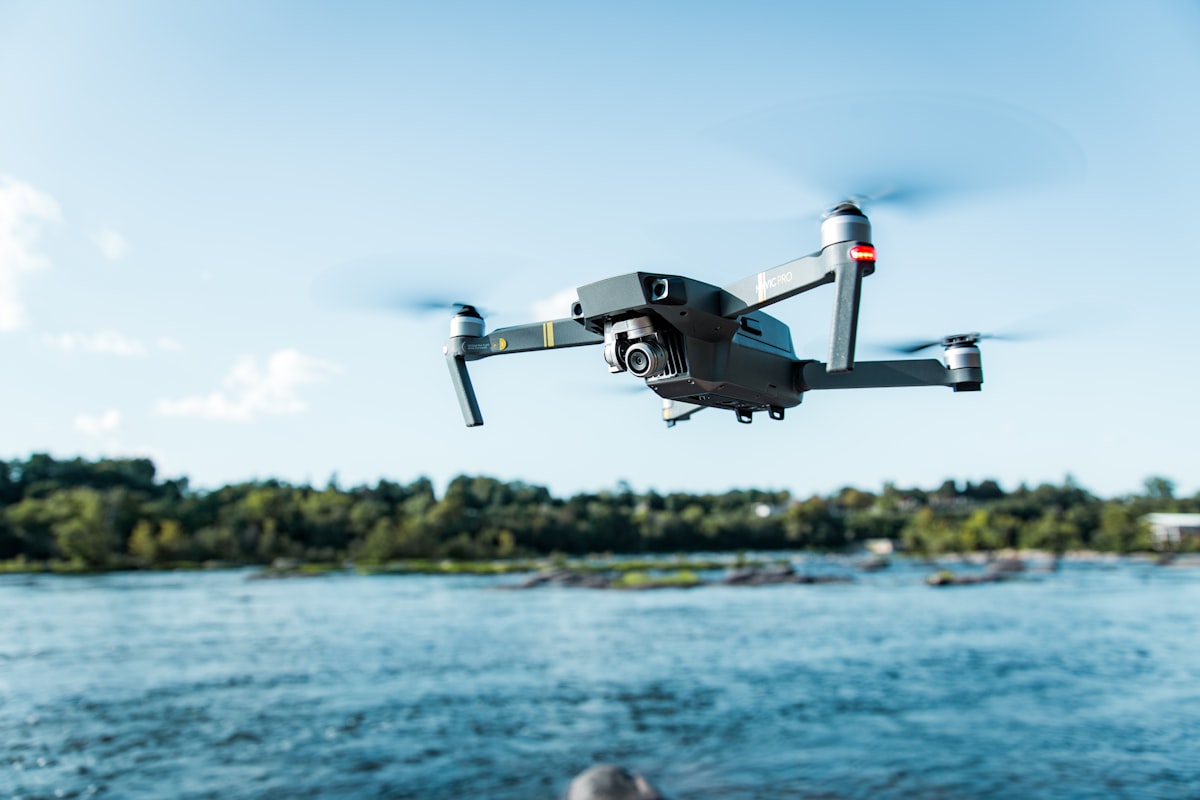
Ukraine drone data is now one of the most sought-after commodities in the defense tech world. But the real shift came in January, when the Ministry of Defense announced it would open millions of data points, collected from tens of thousands of drone flights, to military contractors and commercial companies alike, a move that turned a classified battlefield resource into a shared industrial asset. Since then, over 100 companies and the UK government have tapped the trove. That's a lot of buyers. They're all chasing the same thing.
For a country fighting for its survival, this is a fast path to funding and partnerships. But it also turns the front line into an active training ground for AI models, exploiting conditions that no laboratory can replicate. It's a dangerous trade-off.
The Value Hidden in Wreckage
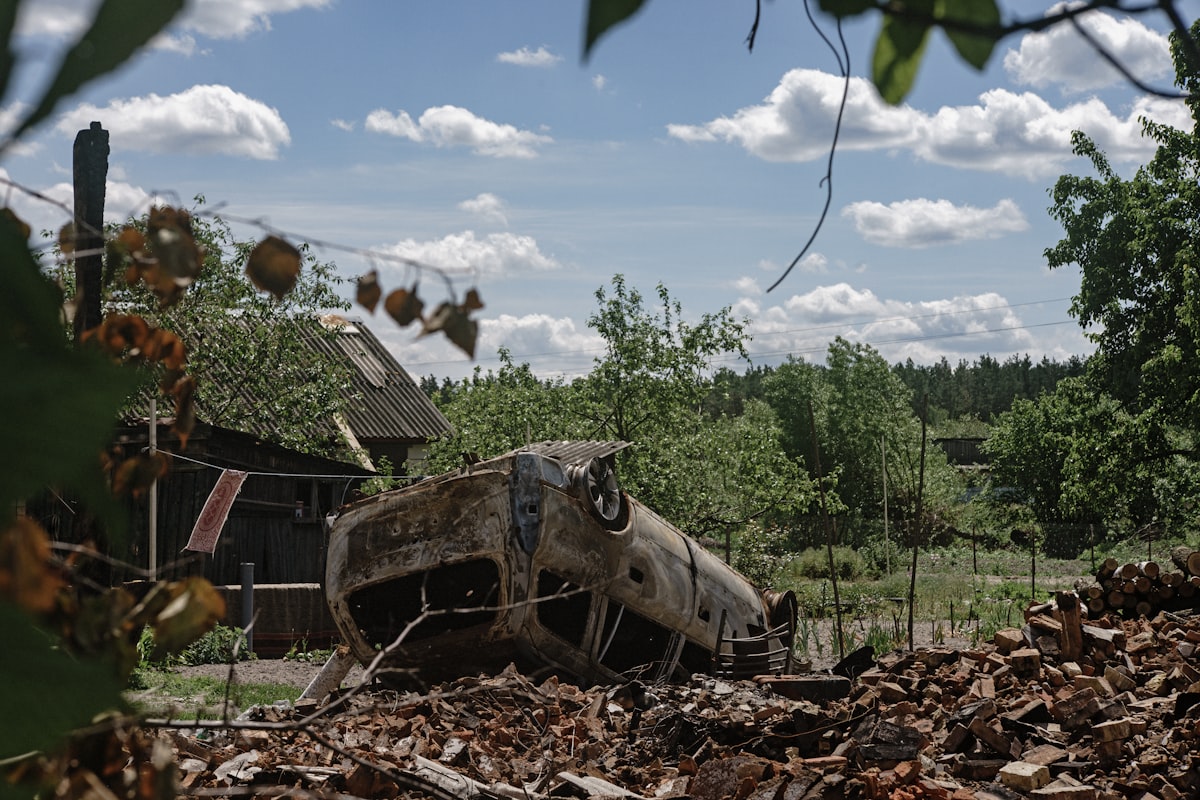
Battlefields across Ukraine are littered with drone remnants, and that physical wreckage is powerful evidence of how central unmanned systems have become to modern warfare, reshaping tactics and supply chains alike. But the scrap tells only part of the story. The data those drones generated will outlast the conflict itself, becoming part of the AI architecture that increasingly shapes civilian life, from traffic routing to hiring algorithms, long after the last shell falls. It's a quiet inheritance.
Every flight produces thousands of data points. Images, video footage, controller inputs, and system responses all combine to show how a machine and its operator reacted to shifting circumstances. The most valuable moments are the exceptions: when visibility disappears, when a signal gets jammed, when a human operator has to improvise on the spot.
AI companies spend years and enormous sums trying to capture enough of these edge cases to make their models more reliable. War doesn't wait for that. It produces them at a frequency that controlled testing simply can't match, so the real world becomes the ultimate trainer, harsh and relentless in its lessons. But the cost is staggering.
That is why Ukraine's decision matters beyond the immediate conflict. A commercial delivery drone may never encounter artillery fire, but it still has to operate with incomplete information in a world where people behave unpredictably. War compresses those challenges into a much shorter timeline, creating training material that would take years to assemble under normal conditions.
From Battlefield to Boardroom
Ukraine's battlefields are not the first to generate data used for model training. American drones over Syria and Yemen collected information that shaped the first generation of semiautonomous military hardware in the late 2010s. What has changed is the accessibility.
They've held onto that drone sensor data for nearly a decade now. Military intelligence programs like Project Maven collected it from systems such as the Predator and Reaper, but the information stayed locked inside the defense world, available only through classified channels and used solely for developing new weapons systems. So it never left that closed circle. That's the whole story.
Ukraine is taking a different approach. The data flows outward to a much wider development network, closing a loop that has never been closed before.
War is a brutal teacher. But its lessons now flow back into peaceful fields. Commercial technologies adapted for combat are generating data that feeds directly into the industries they came from, creating a closed loop where the chaos of the front lines sharpens the tools of the farm. Drones trained in the signal-jammed airspace over Ukraine are being adapted for agricultural use, helping farmers map and survey fields in areas that lack the cell coverage needed by earlier generations of technology. It's a strange kind of progress, isn't it? So the machine that dodged artillery now counts the sprouting wheat.
Enabled Intelligence, an American company specializing in processing data for AI training, says it has already made more than half a million hours of Ukrainian drone footage available for the next round of models. The company advertises possible uses in both military and commercial systems.
Who Gets Access
The scale of access is striking. According to the Ministry of Defense announcement:
- More than 100 companies have gained access to the data
- Tens of thousands of drone flights contributed to the dataset
- The UK government has also been granted access
- Data includes images, video, and controller inputs
The commercial potential is immense. Battlefield data offers large volumes of machine experience gathered under conditions no laboratory can produce. Processed and matched against records of what the operator was doing, operational records become training sets. Combat becomes a commercial asset.
The Legal Vacuum
Existing laws regulate how militaries conduct war. They say almost nothing about what happens when combat records are stripped of their operational context, packaged as data, and licensed to companies whose products circulate far beyond the battlefield.
Ukraine is building access controls. The newly signed UK-Ukraine AI agreement mentions them too. But no government is actively working on regulating what happens once data has been absorbed into a model and then crosses back into civilian markets, and that silence leaves a dangerous gap that nobody's ready to fill. It's a void.
That is a problem of consent. The soldiers and civilians visible in drone footage did not agree to become training material for products that might be sold years later. Sensor data, camera footage, and coordinates from civilians fleeing a drone strike now inform how future machines will make decisions.
What these companies are really mining is experience. And soldiers cannot consent to having their experience used in this way, as training data that produces model advantage and ultimately supports a product used far from where the war was fought.
Risks Beyond the Battlefield
Other countries are likely to follow Ukraine's lead in selling battlefield data. The marketplace that will create is not something we are prepared for.
Bad actors could still acquire the data. Purchase controls already mitigate some of that risk, but they can't eliminate it entirely, and that's a gap intelligence operatives know all too well as they scrutinize potential customers' infrastructure, tracing every pathway and vulnerability to determine how sensitive information might slip toward enemies or other nefarious actors. So the threat persists. It's a constant game of cat and mouse.
Training data creates a different tracing problem. The movement of commercial datasets can be followed when planted contact details appear two steps from the original buyer. But the provenance of AI training data vanishes, embedded in the technology itself in ways that resist tracking.
There is also the risk of an extractive economy. Wealthier countries far from danger could benefit from the mortal threat borne by frontline states, creating a market incentive for war to continue as an unending mine for digital gold.
Errors Travel With the Model
Errors and assumptions embedded in battlefield data don't stay on the battlefield. They travel. The model carries them forward, so as it moves into other military or commercial systems,including delivery vehicles and agricultural machinery,those flaws persist and can't be left behind. But they're not contained. They're embedded in every decision the model touches.
Autonomous capabilities based on that data do not stop at the edge of the conflict zone. They follow the model wherever it goes.
Ukraine has begun grappling with these issues through its Avengers Labs program, which allows companies to train models on battlefield data without giving them direct access to sensitive databases. Yet that addresses only part of the problem.
What Regulation Should Look Like
Governments that provide access to defense data should treat it like a controlled weapons transfer. And that means recording its origin, licensing its users, and restricting onward sharing, because the stakes are enormous and the potential for misuse is simply too high to allow for casual or unmonitored distribution. Don't forget it.
Countries should also require disclosure when models trained on wartime material are later incorporated into civilian products. But that's not enough,wait, no dashes. So we need to make the path from combat to commerce visible. It's a simple demand. The goal would be to trace every algorithmic fingerprint from the battlefield to the boardroom, ensuring that no hidden military lineage slips silently into the software we use daily. That's the whole point.
No agency or regulator currently has jurisdiction over this issue, and that gap isn't just an oversight, it's a structural failure that leaves every stakeholder in a kind of legal no-man's-land where accountability dissolves. But the responsibility for governing this new industry can't fall solely on a country fighting for its survival. That burden is too heavy. So that legal vacuum has to be filled by the countries and companies involved in the industry's development, because they're the ones who created it, they're the ones who profit from it, and they're the ones who must answer for it.
The question is no longer only what technology companies can sell for use in war. It is what they can extract from it. To protect against the excesses of this new marketplace, we need a regulatory system that follows battlefield data wherever it goes, from combat to model to commercial product.
The window for establishing ground rules is narrow, and it is closing as more countries recognize the value of their battlefield records.
Frequently Asked Questions
What is the new marketplace that has emerged around Ukraine drone data?
Ukraine drone data has become a sought-after commodity in the defense tech world, and in January, the Ministry of Defense opened millions of data points from tens of thousands of drone flights to military contractors and commercial companies alike. This turned a classified battlefield resource into a shared industrial asset, with over 100 companies and the UK government gaining access, creating a new marketplace for combat AI training.
Why is Ukraine drone data considered valuable for AI training?
The article states that every drone flight produces thousands of data points, including images, video footage, controller inputs, and system responses, which show how machines and operators reacted to shifting circumstances. The most valuable moments are edge cases like when visibility disappears or signals get jammed, which war produces at a frequency that controlled testing cannot match, making the real world an ultimate trainer for AI models.
How does the accessibility of Ukraine drone data differ from past military data collection?
American drones over Syria and Yemen collected data for early semiautonomous military hardware, but that information stayed locked inside the defense world, available only through classified channels. Ukraine's approach is different: the data flows outward to a much wider development network, closing a loop that has never been closed before, allowing commercial and military companies to access it.
Who has been granted access to the Ukraine drone data marketplace?
According to the Ministry of Defense announcement, more than 100 companies have gained access to the data, the UK government has also been granted access, and the dataset includes images, video, and controller inputs from tens of thousands of drone flights. Enabled Intelligence, an American company, has made over half a million hours of Ukrainian drone footage available for AI training, with uses in both military and commercial systems.
What regulatory gaps exist regarding the use of Ukraine drone data in civilian products?
The article points out that existing laws regulate how militaries conduct war but say almost nothing about combat records being stripped of operational context, packaged as data, and licensed to companies. No government is actively working on regulating what happens once data is absorbed into a model and crosses back into civilian markets, leaving a dangerous gap, and no agency or regulator currently has jurisdiction over this issue.

Liam Fitzgerald reports on gadgets, apps and the companies behind them. He tests new products and cuts through the marketing to tell readers what is genuinely worth their attention.
💬 Comments (0)
No comments yet. Be the first!