Self-Driving Cars Crash Testing Faces a Reclined Reality
Self-Driving Cars Crash Testing is being rewritten for reclined occupants, as Tesla's Cybercab and new THOR-AV dummies force regulators to act.
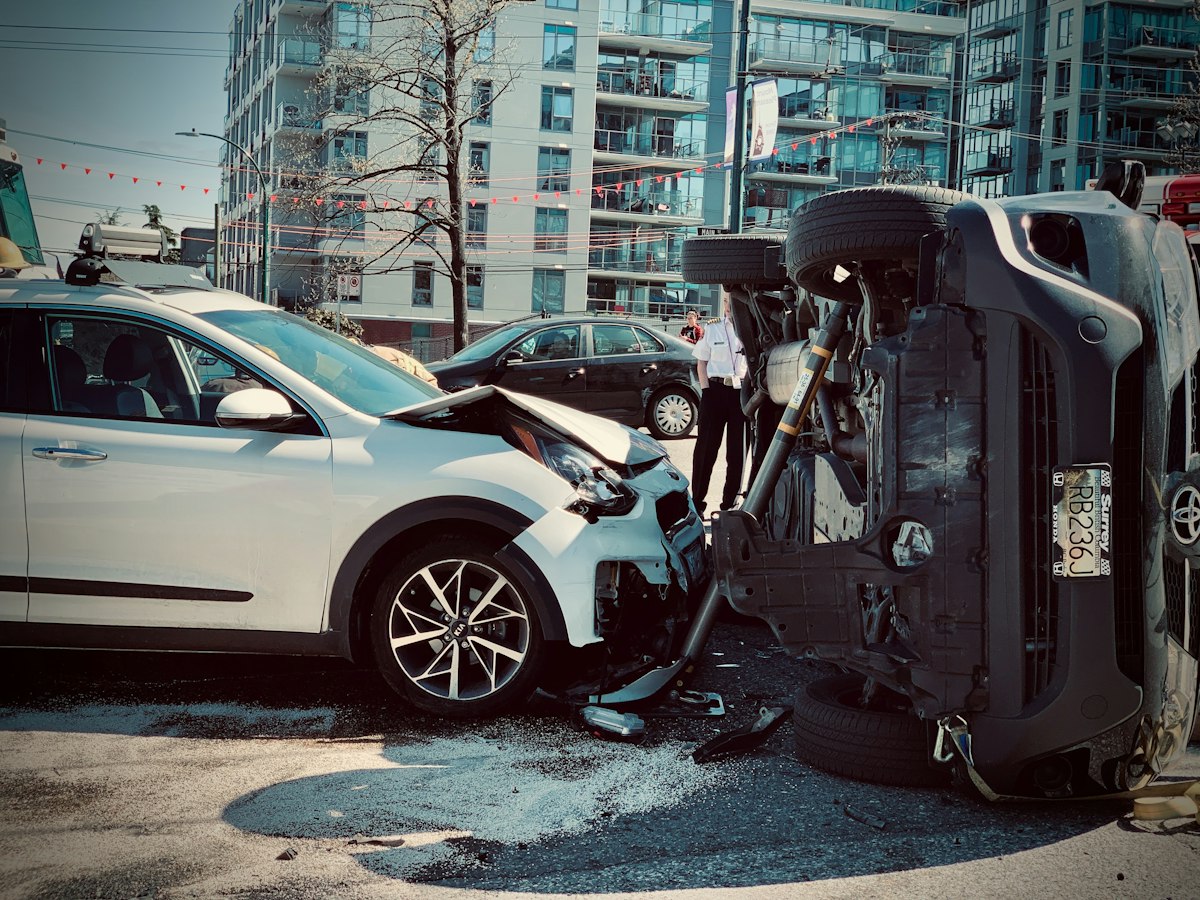
Self-Driving Cars Crash Testing is about to get a lot more complicated. And the reason has nothing to do with sensors, software, or lidar. It has to do with what happens to a human body when a car crashes while that body is reclined, asleep, or facing the wrong way. For decades, every crash test dummy, every seatbelt geometry, every airbag deployment curve has assumed one thing: the person inside is sitting up straight, facing forward. Self-driving cars break that assumption wide open.
The pitch for autonomous vehicles has always included freedom. Eat, game, watch, work. Or doze. One enthusiast demonstration showed that a Cybercab's seats can recline far back, with the narrator saying, "You can really go back. You can really just sleep here." That vision collides with a very old problem that safety researchers have been quietly documenting for years.
Why Reclining Is More Dangerous
Tesla's own rider guide for its autonomous vehicles tells passengers to keep seat backs reclined no more than 35 degrees from vertical, with seatbelts snug across the hips and feet flat on the floor. Doing so, the guide says, "reduces the risk of injury in a collision or sudden stop." Tesla did not respond to questions about the matter.
Safety researchers say the company is right to warn people. Passengers sitting in less-than-standard positions in any car are more likely to get hurt in a crash, even with seatbelts fastened. The numbers back this up. According to US federal safety data, 42 people killed in traffic crashes over the past decade were identified as "seat back not in normal upright position, seat back reclined." That figure is likely an undercount.
"It's really hard to identify people who are sitting out of position," says Becky Mueller, a senior research engineer at the Insurance Institute for Highway Safety.
Crashes move human bodies. Emergency responders work fast to pull hurt people from damaged vehicles. Almost nobody is noting, or even has a way to note, exactly how victims were sitting before or during a crash. Field data for reclined occupants is sparse, according to a spokesperson for the National Highway Traffic Safety Administration.
The Physics of a Bad Seatbelt Fit
Most people never think about this. Seatbelts are designed to be worn around upright, forward-facing bodies, and when a reclining body, or one sitting sideways, gets into a crash, the seatbelt does not do what it was built to do. It tightens around the soft belly. It's not tightening around the hard, bony pelvis the way it's supposed to. It pushes hard, causing internal bleeding, lower spine and pelvis injuries, or damage to internal organs. Lower leg and foot damage are more common when seatbelts aren't worn properly. And even if a passenger can recover, those are the sorts of injuries that can be most debilitating because they affect everyday mobility, the kind of damage that follows you through every step of every ordinary day.
Airbags are configured for upright occupants too. The dummies used in standard crash tests have inflexible pelvises, which means they physically cannot slouch, so the entire testing apparatus assumes a posture that self-driving cars may make obsolete. They can't slouch. And it's a posture that self-driving cars may make obsolete.
Regulators Are Finally Paying Attention
Self-driving cars are here. The Tesla Cybercab nudged governments to take a fresh look at this older, dangerous issue, because when a machine handles the driving, people may no longer sit upright the way they always have. But they're asking a bigger question now. "NHTSA decided to explore reclined occupants as a starting point for automated vehicle occupant safety based on the potential that occupants may choose to ride in a reclined posture if driving was no longer necessary," an NHTSA spokesperson said in a statement.
But a fresh look could take years. The vehicle safety standards automakers must meet today generally assume that vehicle occupants are seated upright, with their seatbelts across their hips. To create new safety standards, studies must be proposed, funded, completed, and analyzed. Afterward, the government collects public comments from all comers.
"That's the big excuse: 'Oh, we can't revisit this regulation because it's such a hassle to open it back up, to go through the whole process,'" Mueller says. Autonomous vehicles are finally convincing regulators "to open up some of these archaic rules and make modifications, maybe modifications that can help modernize regulations for other vehicles, too. It's a good time to make sweeping changes."
Today, companies want self-driving cars with different seating configurations. They mostly choose a lengthy process. They seek special government approval. Regulators seem to want to see that even before they've officially adjusted safety standards, autonomous-vehicle companies can prevent some of those worst injuries, and that's a demand they're making clear right now. But it's not official yet. We've got no new rules. They can't just skip ahead.
- Zoox, an Amazon subsidiary, tried in 2022 to self-certify that its bidirectional, steering-wheel-free vehicle met safety standards, but the federal government did not buy it.
- In the fall of 2025, Zoox officially applied for special approval. The process took months, and the company received permission this summer to use up to 5,000 cars in its robotaxi service for two years.
- Tesla is also trying to self-certify its Cybercab, and NHTSA is currently investigating the issue.
- In a March report to Congress, NHTSA indicated its researchers are at least looking into how to stop the kind of injuries that occur in cars, especially driverless ones, where passengers are not sitting exactly as current standards anticipate.
The agency keeps studying crashes. It's refining how it understands human response kinematics and injuries for various-sized occupants in forward- and rear-facing reclined seating conditions, the report said. And one area of study stands out: advanced crash-test dummies. They're designed to be tested with the sorts of seatbelts and seating conditions found in autonomous vehicles.
The Dummy That Can Slouch
Humanetics is working on it. It's the world's largest manufacturer of crash dummies. The dummies it and a small number of other global manufacturers make are called THOR, or Test device for Human Occupant Restraint, and crash tests with THORs are written into some countries' vehicle safety standards globally while many consumer crash-testing programs use the devices in their tests. Humanetics' dummies come in different sizes. There are models for varying ages and sexes. They're far from the plasticky mannequins of old. These newer dummies cost hundreds of thousands of dollars, mimic the human body's responses, and are studded with sensors that measure their every movement.

Since 2019, Humanetics has been testing THOR-AV. It's a new line of dummies and simulated online tools. They're built to test seating designs and postures in driverless cars, and the work has continued year after year because the company wants to understand how people will actually sit when nobody's driving. The THOR-AV has a more flexible pelvis than other THORs. And it can be adjusted to 25-, 45-, and 65-degree angles.
The future, it seems, is in repose. But right now, no regulators or outside safety groups require crash testing with the THOR-AV dummies, says Chris O'Connor, the president and CEO of Humanetics. He expects the first country to mandate the new crash-test products will not be the US, but China, which has spent the past decade aggressively pushing its inexpensive and impressive electric vehicles into new global markets.
"China is moving faster than anyone," O'Connor says. "They want to be considered as a safety leader."
CCARI is a Chinese certification body. It's run hundreds of tests with the THOR-AV dummy, O'Connor says, and he expects the country to require reclined crash tests in two or three years, a shift that would force European countries selling into China to follow suit. Automakers there have started working with the new crash dummy to prepare. They're getting ready. So the pressure builds.
China's auto regulator proposed new rules in June. They're cracking down on "zero-gravity seats." It's a trendy design now found on tens of Chinese car models, where seats recline steeply to distribute body weight more evenly, which makes it easier for occupants to nap as they travel. But the proposed rules would prevent the driver's seat from reclining more than 35 degrees. And they'd require risk warnings if a seat is reclined while a vehicle is traveling at high speeds.
Unfortunately, the US has done very little," O'Connor says. He worries about something worse. Autonomous vehicles have actually set back safety standards, maybe by more than a decade, a claim that lands hard when you remember how long the industry has been promising that a technology which would not get drunk, high, or drowsy was right around the corner. So why would regulators adjust anything? Perfect, robotic road safety was close at hand. That's the story they sold.
It has not worked out that way, and the government is playing catch-up.
The Catch in the Modernization Push
Alex Mueller, a senior research scientist at the Insurance Institute for Highway Safety who researches driver assistance and automation technologies, is watching the US's process of revising its vehicle safety standards closely. She is not related to her IIHS colleague Becky Mueller. The Trump administration is streamlining and updating rules to make it easier and faster for self-driving cars to hit public roads. Alex Mueller is a bit apprehensive.
"Modernization can't be an excuse to remove core safety standards that are demonstrably important to public safety," she says.
Driverless cars may be safer in some ways. But tweak anything about the car safety system, remove a steering wheel, allow a person to face the other direction, recline seats to horizontal, and the whole enterprise should be reexamined. "We can't throw the baby out with the bathwater," she says.
So what does this actually mean for you? If you ever ride in a self-driving car and decide to stretch out for a nap, you're participating in a safety experiment that regulators have not finished designing. The seatbelt across your hips was engineered for a body that is sitting up. The airbag in front of you was tuned for a torso that is vertical. The dummy that stood in for you during testing could not slouch, and that matters more than you'd think, because every crash test assumption about your pelvis, your ribs, and your spine assumes you're awake, upright, and bracing for impact in a position that a sleeping passenger simply can't hold. Self-Driving Cars Crash Testing is not just a bureaucratic puzzle. It's the difference between a bruise and a broken pelvis.
The technology that promised to eliminate human error on the road may end up forcing a rewrite of the rules that protect humans when error still happens. That rewrite is coming. Just not fast enough for the people already reclining in the back seat.
Frequently Asked Questions
Why is crash testing about to get more complicated for self-driving cars?
Crash testing has long assumed that the person inside is sitting up straight and facing forward, but self-driving cars break that assumption wide open. Passengers may recline, sleep, or face the wrong way, which changes what happens to a human body in a crash.
What does Tesla's rider guide say about seat back position?
Tesla's rider guide for its autonomous vehicles tells passengers to keep seat backs reclined no more than 35 degrees from vertical, with seatbelts snug across the hips and feet flat on the floor. The guide says doing so reduces the risk of injury in a collision or sudden stop.
How do seatbelts and airbags fail to protect reclined occupants?
Seatbelts are designed for upright, forward-facing bodies, so when a reclining or sideways body crashes, the seatbelt tightens around the soft belly instead of the bony pelvis. Airbags are also configured for upright occupants, and standard crash test dummies have inflexible pelvises that physically cannot slouch.
What is NHTSA doing about reclined occupants in automated vehicles?
NHTSA decided to explore reclined occupants as a starting point for automated vehicle occupant safety because occupants may choose to ride reclined if driving is no longer necessary. The agency is refining how it understands human response kinematics and injuries for various-sized occupants in forward- and rear-facing reclined seating conditions.
What is the THOR-AV crash-test dummy and who is developing it?
Humanetics, the world's largest manufacturer of crash dummies, has been testing THOR-AV since 2019 as a new line of dummies and simulated online tools built to test seating designs and postures in driverless cars. The THOR-AV has a more flexible pelvis than other THORs and can be adjusted to 25-, 45-, and 65-degree angles.

Liam Fitzgerald reports on gadgets, apps and the companies behind them. He tests new products and cuts through the marketing to tell readers what is genuinely worth their attention.
💬 Comments (0)
No comments yet. Be the first!