Samsung Galaxy Watch9 Review: I Don't Need Another Health Score
My Samsung Galaxy Watch9 review after two weeks: solid health tracking, a familiar squircle design, but slow charging and a pile of new scores I didn't need.
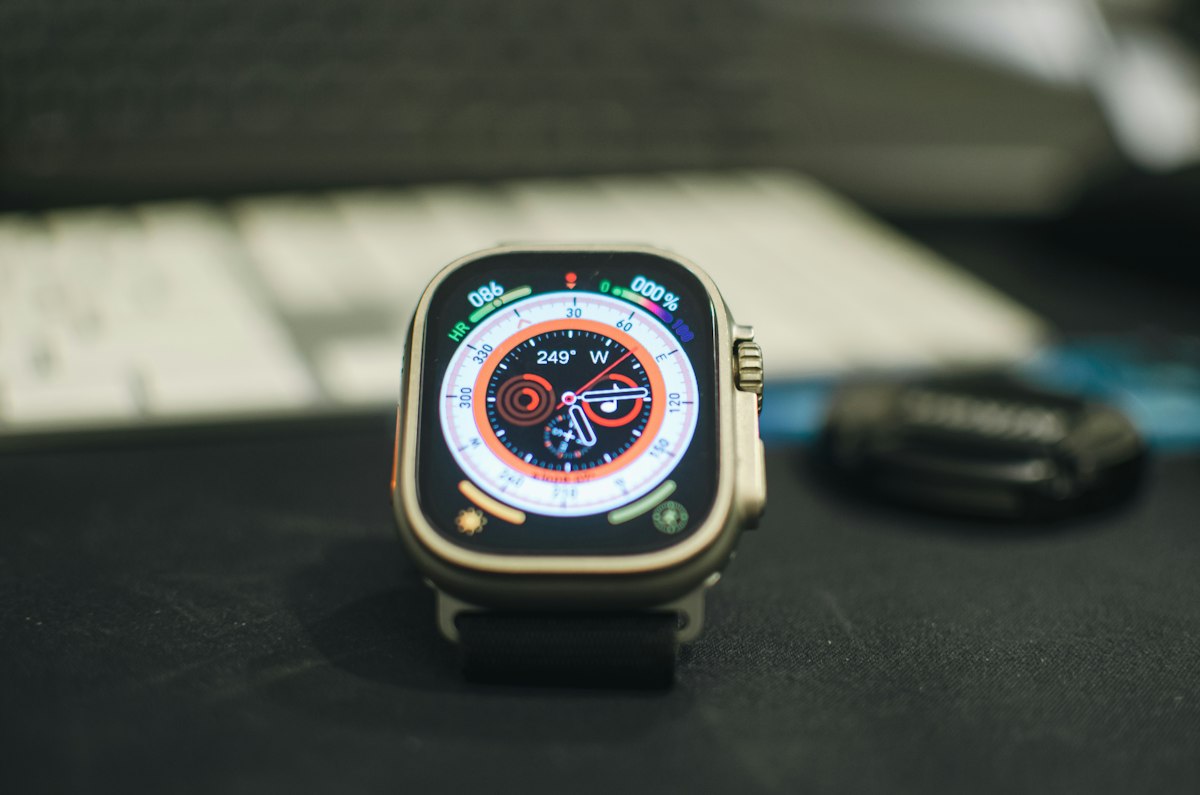
Samsung Galaxy Watch9 review season arrived this past summer. It asks one question. Do you actually need more health scores on your wrist? After two weeks with the 40-mm model, an answer emerges that's complicated, because Samsung's latest wearable, which I've now tested long enough to judge fairly, makes a better case for itself as a smartwatch than as a medical dashboard. But that's the whole tension here. We've got a device that's trying to be two things at once, and it's not clear you can have both.
A Modest Upgrade With Familiar Hardware
The Galaxy Watch9 arrived with the Galaxy Watch Ultra2. That's Samsung's tougher pick. It's rugged. It's shock resistant. It's built for outdoor adventures. But the Watch9 is the everyday alternative, the one for people who don't need shock resistance and just want a smartwatch that fits into normal life. It comes in a 40-mm size in cream and graphite, and a 44-mm size in graphite and silver, starting at $80 according to the pricing shown at Samsung and Best Buy.
This is a modest update. Compared with last year's Galaxy Watch8, it brings a faster processor, a slightly larger battery capacity, and an expanded suite of wellness metrics. If you already own a Watch8, there's little reason to upgrade. But if you're coming from an older Galaxy Watch, or you're already invested in Samsung's ecosystem, the Watch9 makes a strong case as your next smartwatch, because it's a far bigger leap for you than it is for anyone who bought last year's model.
The Squircle Is Back, and So Are the Crevices
The main hardware change is under the hood. The Watch9 now runs Qualcomm's Snapdragon Wear Elite platform, which Samsung claims enhances CPU and GPU performance along with efficiency, and in testing, menus scrolled smoothly, apps launched without lag, and notifications dismissed cleanly. Wear OS 7 adds more customizable widgets. And it adds live updates from compatible apps.
One genuinely useful addition is raise-to-talk for Gemini. Lift your wrist toward your mouth. You can start talking to Google's AI assistant, and because this feature lets you speak to the assistant without tapping or pressing anything on the screen, it's a small but genuinely handy change. The Google Pixel Watch has offered this for two generations now. So it's good to see Samsung finally catch up.
Build and Display Hold Their Ground
Beyond the chip, not much has changed. The Watch9 keeps Samsung's cushioned or "squircle" silhouette: a circular display inside a square bezel with rounded corners, a hybrid look that collects dust in its crevices and leaves dead space that could have gone to a larger screen. It's not a deal breaker. And the watch remains comfortable enough to wear all day and night.
The two-button layout on the right side returns. It's back. The top button goes home from an app, opens your most recent app with a double press, and fires a customizable shortcut when held, which means it handles three separate jobs depending on how you touch it. The bottom button goes back one screen. And it doesn't stop there, since a long press gives you another shortcut, so you've got two buttons doing far more than they appear to.
Both buttons and the touchscreen were responsive. But some controls feel tedious. To finish a workout, you first press the lower button to pause, then hold it to end the session, which works fine until you realize how many steps it takes just to stop. You can swipe right and tap finish instead. But physical buttons are easier when your hands are sweaty, and they're the ones you'll reach for when it's all on the line.
The AMOLED display is unchanged. It's still excellent. It reaches up to 3,000 nits, which made it readable under direct sunlight without any squinting, and it also keeps its IP68 and 5ATM ratings for water and dust resistance, plus MIL-STD-810H certification for harsher conditions. And we've got no complaints there.
Samsung offers silicone Sport, two-tone Misty, and nylon Fabric bands. The Sport Band stayed secure during runs and handled sweat without becoming irritating.
Battery Life Falls Short of the Claims
Here is the part the spec sheet skips. Samsung increased battery capacity: the 40-mm model now has a 390-mAh cell, up from 325 mAh, while the 44-mm version gets 445 mAh, up from 435 mAh. Yet battery life did not improve.
Samsung still estimates up to 30 hours. But in practice, the reviewer averaged closer to 25 hours with Always-On Display enabled, which gets you through a day and night but not enough to forget about charging. That's not enough. A full recharge took about 100 minutes on average, which is significantly longer than the 45 minutes it takes the Pixel Watch 5 to reach a full charge, and that difference is one you can't ignore.
What Actually Works
The Watch9 adds Hearing, Vitals, Sleep Apnea, Daily Cardio Load, Fitness Index, and Heart Health Score on top of an already crowded suite. Some of it earns its place.
- Hearing takes a preventive approach, notifying you of unsafe noise levels.
- Vitals monitors overnight blood oxygen saturation, heart rate, heart rate variability, respiratory rate, and skin temperature, then flags deviations after a seven-night baseline.
- The FDA-cleared Sleep Apnea function uses Samsung's algorithm to identify signs associated with sleep apnea and breathing disturbances.
- Sleep tracking remains reliable, delivering a sleep score each morning alongside the AI-powered Sleep Coach.
These features matched up well against the Apple Watch Series 11 and the Google Pixel Watch 5, though Samsung is playing catch-up with this kind of baseline monitoring.
Too Many Scores, Not Enough Signal
Now for the awkward part. Samsung's new fitness metrics are clever on paper, sure, but here's the thing, they're easy to live without, and that's the real story. Daily Cardio Load is meant to show how hard you are pushing during workouts. Fitness Index tries to distill body composition, cardiovascular fitness, and endurance into a single snapshot. And generating it requires at least two days of wear, a recorded running or walking workout, sleep tracking, and a body composition measurement, which is a lot to ask. You don't need it.
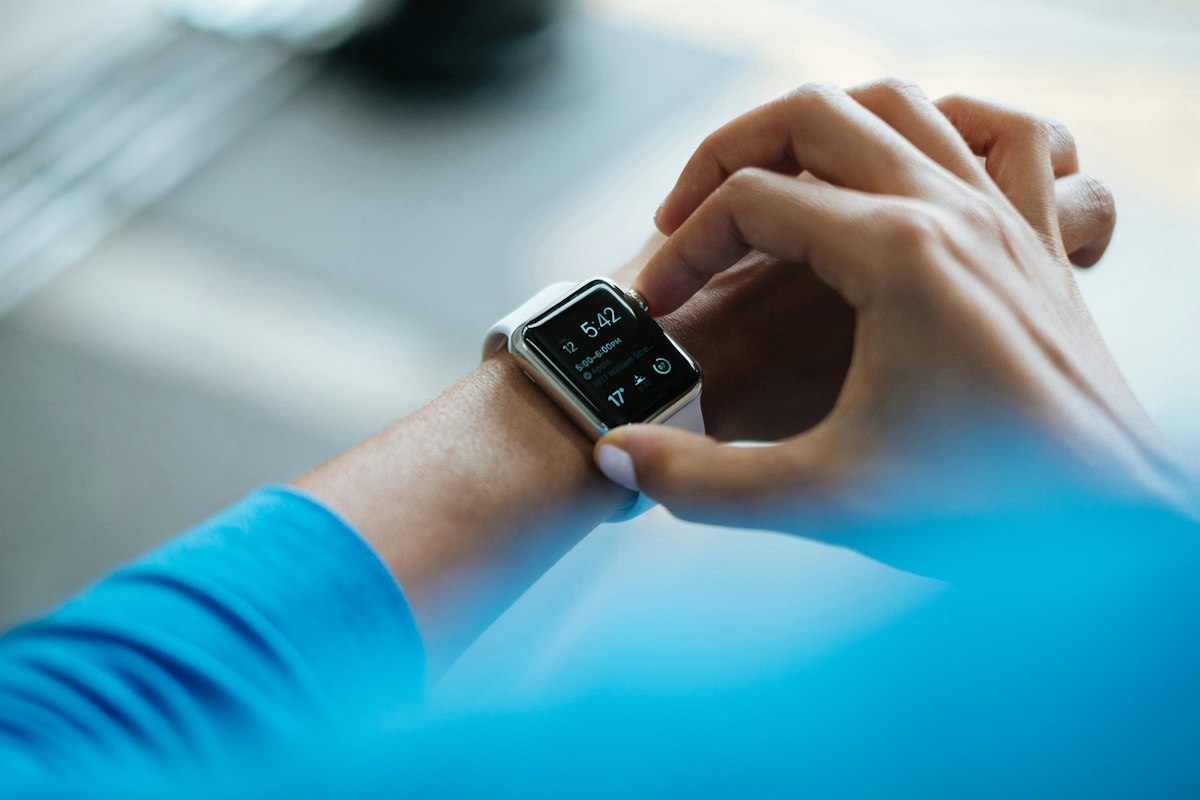
"I'm generally skeptical of turning physiological measurements into a single score, and the Watch9 hasn't changed my mind."
That skepticism is warranted. Scores are useful for spotting long-term trends, not for treating any single result as a verdict on your health.
The Heart Health Score is the bigger problem. It needs calibration against a separate blood pressure cuff. Most people won't buy an extra device just to unlock a feature, and that includes this reviewer, who, like plenty of other folks weighing whether the hassle is worth it, isn't about to add one more gadget to the drawer. Competing wearables like Apple and Oura can identify potential hypertension without that step. But Samsung's system has one advantage. It can take an active reading.
But there's a contradiction worth naming. Samsung has clearly invested in making the Watch9 a more competitive health-tracking smartwatch, and it succeeds on that front. More data isn't better data. The additions make the watch more capable while making the experience more cluttered, and Samsung would have been better off refining the accuracy and usefulness of existing features instead of piling on new scores.
The Verdict on the Samsung Galaxy Watch9
The Samsung Galaxy Watch9 review lands at a 6 out of 10. It's comfortable. The display is bright and durable, and it delivers genuinely useful tools like Vitals, sleep apnea detection, and reliable sleep tracking, which is exactly what you'd want if you're wearing it all day and relying on it every night. But raise-to-talk Gemini and Samsung ecosystem integration are real perks.
The trade-offs are equally clear: slow charging, battery life that falls short of Samsung's own claims, health features that can feel like data overload, and a Heart Health Score locked behind a blood pressure cuff.
For first-time Galaxy Watch buyers, the Watch9 is a feature-packed option. For Watch8 owners, there is no rush. And for anyone tired of another health score, the Watch9 proves that sometimes the most useful upgrade is knowing which numbers to ignore.
Frequently Asked Questions
What processor does the Samsung Galaxy Watch9 run, and how did it perform in testing?
The Watch9 now runs Qualcomm's Snapdragon Wear Elite platform, which Samsung claims enhances CPU and GPU performance along with efficiency. In testing, menus scrolled smoothly, apps launched without lag, and notifications dismissed cleanly.
Why might the Samsung Galaxy Watch9 be a strong upgrade for someone coming from an older Galaxy Watch but not for a Watch8 owner?
Compared with last year's Galaxy Watch8, the Watch9 brings only a faster processor, a slightly larger battery capacity, and an expanded suite of wellness metrics, so there's little reason for Watch8 owners to upgrade. However, for those coming from an older Galaxy Watch or already invested in Samsung's ecosystem, the Watch9 makes a strong case as a next smartwatch because it's a far bigger leap for them.
How did the battery life of the Samsung Galaxy Watch9 compare to Samsung's official estimates in real-world use?
Samsung estimates up to 30 hours of battery life, but in practice the reviewer averaged closer to 25 hours with Always-On Display enabled, which gets you through a day and night but not enough to forget about charging. A full recharge also took about 100 minutes on average, significantly longer than the 45 minutes it takes the Pixel Watch 5 to reach a full charge.
What does the Heart Health Score feature require, and why is that a problem according to the article?
The Heart Health Score needs calibration against a separate blood pressure cuff, and most people won't buy an extra device just to unlock a feature. Competing wearables like Apple and Oura can identify potential hypertension without that step, though Samsung's system has the advantage of being able to take an active reading.
What is the overall verdict on the Samsung Galaxy Watch9, and which trade-offs does the review highlight?
The Samsung Galaxy Watch9 review lands at a 6 out of 10, praising its comfort, bright and durable display, and genuinely useful tools like Vitals, sleep apnea detection, and reliable sleep tracking, along with raise-to-talk Gemini and Samsung ecosystem integration. The trade-offs are equally clear: slow charging, battery life that falls short of Samsung's own claims, health features that can feel like data overload, and a Heart Health Score locked behind a blood pressure cuff.
💬 Comments (0)
No comments yet. Be the first!