Robot Carnival in Shanghai Showcases Humanoids
In Shanghai, a robot carnival wows crowds with humanoids performing martial arts and flips, highlighting China's AI ambitions.

Shanghai Robot Carnival Draws Crowds With Drunken
Boxing and Front Flips
Robot carnival Shanghai brought something unexpected to the outskirts of the city: a humanoid in a bedazzled jacket stumbling through the exaggerated movements of drunken boxing while another machine nailed a front flip. The crowd in the main tent responded the way crowds do at any good show. They chanted for more.
You Xiaoying spent a full day at the event, and the scene she described captures a specific moment in China's robotics push. It's not a trade show for engineers. Nor is it a closed demo for investors. This is a public spectacle, designed for ordinary people to walk in, watch machines perform, and leave with a sense that humanoids are part of the near future, a future they can touch and see with their own eyes before it fully arrives. So don't mistake it for something niche. It's a show for everyone.
That public exposure matters more than it might seem. It's easy to dismiss it as hype. Humanoid robots have been a fixture of tech conferences for years, but their progress in real-world applications has been slow, and that gap between flashy demos and practical use has left many observers skeptical about the entire category. But events like this one in Shanghai attempt to close the gap between what the industry promises and what the public actually experiences, letting people touch, see, and question the machines directly. So don't underestimate the power of a live demo.
A Strategy Written in Delivery Numbers
The carnival sits within a larger national effort. China has positioned humanoid robots as a central piece of its plan to bring artificial intelligence into everyday life. The numbers from last year tell the story: nearly 90% of the more than 13,000 two-armed, two-legged robots delivered globally were made in China.
That's a commanding lead. So the country now stands atop a field that's still learning to walk, with robots built by the thousands, shipped across oceans, and paraded before crowds in venues that blur the line between spectacle and engineering. It's a remarkable position. But can they hold it?
The Shanghai event is part of that playbook. It gives people a reason to care about machines that might otherwise seem distant or abstract. Applause, chants, and the spectacle of a robot performing martial arts do more for public acceptance than any white paper ever could.
Why Public Showcases Matter
There is a practical side to this approach. Robots that are meant to live alongside humans need humans to trust them. A front flip performed in a tent does not prove that a robot can help around the house or work in a factory, but it does something important: it makes the technology feel real.
Exposure matters, You Xiaoying noted, because humanoid progress has been slow elsewhere. The gap between hype and delivery has plagued the industry for years. So China's answer, at least in part, is to put the machines in front of people and let them react, trusting that direct contact will do what endless speculation couldn't. It's a simple bet.
And the crowd did react. They wanted more flips. They wanted more performances. They wanted the robots to keep going.
The State of Humanoids Beyond the Tent
The Shanghai carnival is one snapshot of a broader trend. China's robotics firms have been expanding their footprint, and the country has been replacing factory workers with robots at a notable pace. The global delivery numbers confirm that Chinese manufacturers are leading in volume.
But volume does not automatically translate into capability. The article notes that humanoids' progress has been slow, a reminder that shipping units and delivering useful work are two different things. The robots on display in Shanghai are impressive performers, but the industry still faces the hard problem of making these machines reliable, safe, and genuinely useful outside controlled settings.
There is also the question of market stability. That volatility raises questions about whether the sector is overvalued or simply going through the normal growing pains of a young industry.
What the Carnival Tells Us About China's Approach
China's strategy appears to be one of saturation. Build the robots, ship them everywhere, and put them on stage whenever possible. The carnival is a direct invitation for the public to experience humanoids up close, which is a different approach from the more cautious, lab-focused development seen in some other regions.
It also signals a bet on consumer acceptance. If people enjoy watching robots perform, the theory goes, they will be more willing to accept them in schools, hospitals, and homes. The Shanghai event is an early test of that theory, and by all accounts from the source, the audience was enthusiastic.
The robots are part of a bigger story. It's a conversation about AI in daily life, one that China has been explicit about steering with a clear and public ambition to push artificial intelligence beyond the confines of screens and into the physical world where we live and move. But humanoids are the most visible expression of that goal. They're the physical proof.
The Slow Road to Real Utility
For all the spectacle, the hard truth remains: humanoids have not yet proven themselves in everyday settings. The source is direct about this, noting that progress has been slow. The robots at the carnival can pull off some impressive stunts, but there's still a long way to go before a front flip turns into a useful household assistant.
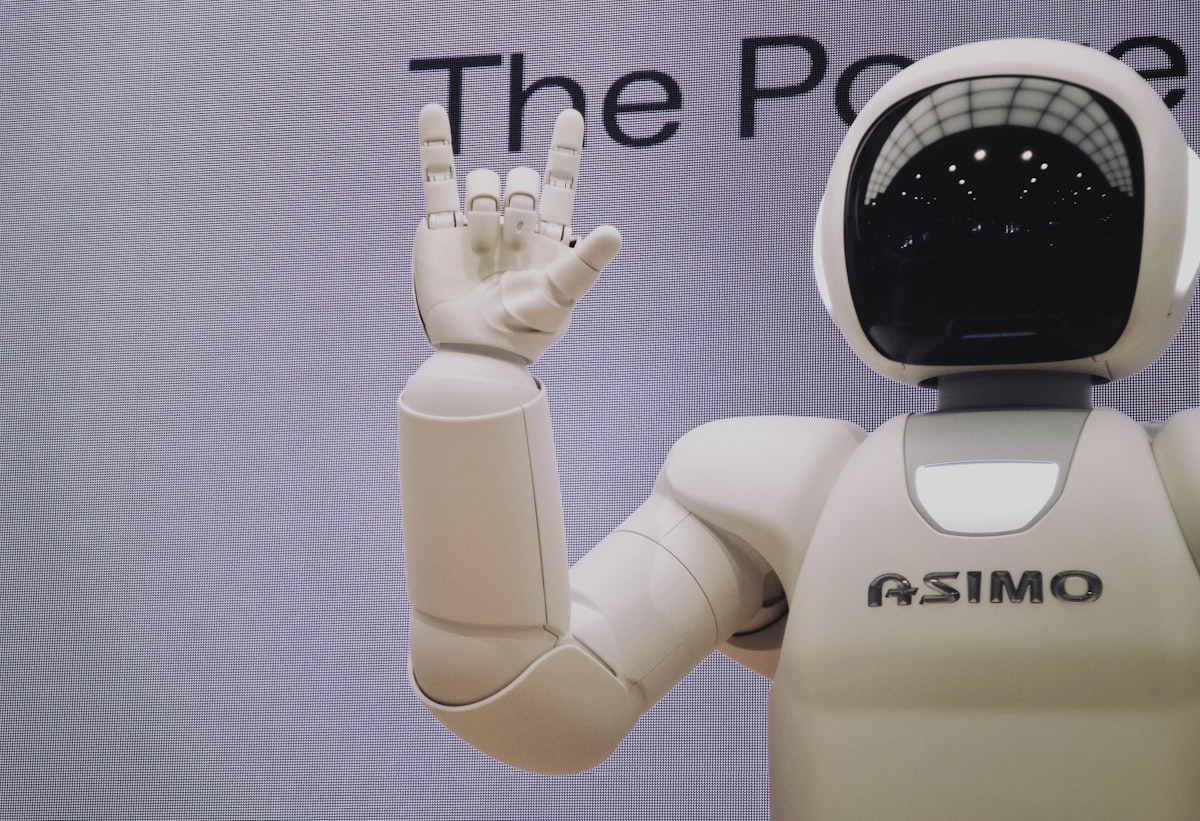
That gap is not unique to China. The global humanoid industry has struggled with the same fundamentals: battery life, dexterity, cost, and safety. The machines look good on stage, but they have yet to demonstrate that they can consistently perform boring, practical tasks without constant supervision.
The delivery numbers suggest China is betting that scale will solve some of these problems. It's a simple wager, really. More robots in the field means more data, more iteration, and more opportunities to find use cases that actually work, so the feedback loop tightens with every deployment, and the failures become just as valuable as the wins. But the carnival is the visible face of that bet.
Public enthusiasm doesn't equal commercial success. The crowd in Shanghai wanted more flips, but the industry still needs more than applause to thrive. It needs robots that can do real work, reliably, at a price people can afford. So don't mistake a roar for a revenue stream. Applause fades fast. What doesn't is the hard cost of building machines that can sort parcels, weld frames, or fold laundry without breaking down, and that's a hurdle no standing ovation can clear.
Still, the carnival serves a purpose that's easy to underestimate. It normalizes the idea of humanoids, giving people a memory of seeing a machine do something surprising and delightful, and that kind of exposure matters even if it doesn't directly translate into sales. But that memory sticks. So it's worth it.
The audience can't get enough. They chant: "More, more, more."
That quote from the source captures the mood of the event. It also nails the current moment in robotics. People are ready to be impressed, and that's a powerful shift, but the real question is whether the industry can actually keep up with the enormous expectations it keeps creating for itself. So we've got a gap forming. Can they close it?
What Comes Next for the Robot Economy
China's humanoid push isn't happening in isolation. But the country has been integrating robots into factories at speed, replacing workers in manufacturing roles, and those machines are now moving beyond assembly lines into logistics, healthcare, and even household settings, where their presence is reshaping how tasks get done. The global delivery numbers tell the story. Chinese firms are already the dominant suppliers of humanoid hardware. That's a fact we can't ignore.
Whether that translates into long-term leadership is an open question. So the Unitree stock drop is a reminder that financial markets are not convinced the sector's value matches its hype, and that gap between delivery volume and real-world utility remains the industry's central challenge, one that won't close anytime soon. It's a hard truth.
For now, the carnival in Shanghai offers a glimpse of what the future might look like if the technology delivers on its promise. It's a small moment, a tent full of people cheering for robots. But that kind of moment builds momentum. The machines are here, they're entertaining, and they're made in China, so the spectacle itself becomes a quiet proof of what's already arrived.
The next step is making them useful. That will take time, and the industry knows it. But as the crowd in Shanghai demonstrated, the public is willing to watch and wait, as long as the show keeps going.
Frequently Asked Questions
What type of event was the Robot Carnival in Shanghai, and what did it feature?
The Robot Carnival in Shanghai was a public spectacle designed for ordinary people to watch machines perform, not a trade show or closed demo. It featured humanoids performing stunts like drunken boxing and a front flip, drawing crowds who chanted for more.
According to the article, what percentage of the more than 13,000 two-armed, two-legged robots delivered globally last year were made in China?
The article states that nearly 90% of the more than 13,000 two-armed, two-legged robots delivered globally last year were made in China. This indicates China's commanding lead in the production of humanoid robots.
Why does the article say public showcases like the carnival matter for humanoid robots?
Public showcases matter because they help close the gap between what the industry promises and what the public actually experiences, letting people touch, see, and question the machines directly. They make the technology feel real and build public trust, which is practical since robots meant to live alongside humans need humans to trust them.
What does the article suggest about the progress of humanoids in real-world applications?
The article notes that humanoid progress has been slow and that they have not yet proven themselves in everyday settings. Despite impressive stunts, there's still a long way to go before robots can perform boring, practical tasks reliably, and the industry faces challenges like battery life, dexterity, cost, and safety.
Who is You Xiaoying and what did she describe about the carnival?
You Xiaoying spent a full day at the event and described the scene as a public spectacle where ordinary people watched machines perform, leaving with a sense that humanoids are part of the near future. She noted that exposure matters because humanoid progress has been slow elsewhere, and direct contact can do what endless speculation couldn't.

Liam Fitzgerald reports on gadgets, apps and the companies behind them. He tests new products and cuts through the marketing to tell readers what is genuinely worth their attention.
💬 Comments (0)
No comments yet. Be the first!