Netris's $15M Round Signals GPU Network Shift
Netris raises $15M from a16z to solve GPU network bottlenecks as neocloud operators demand hardware-accelerated automation.
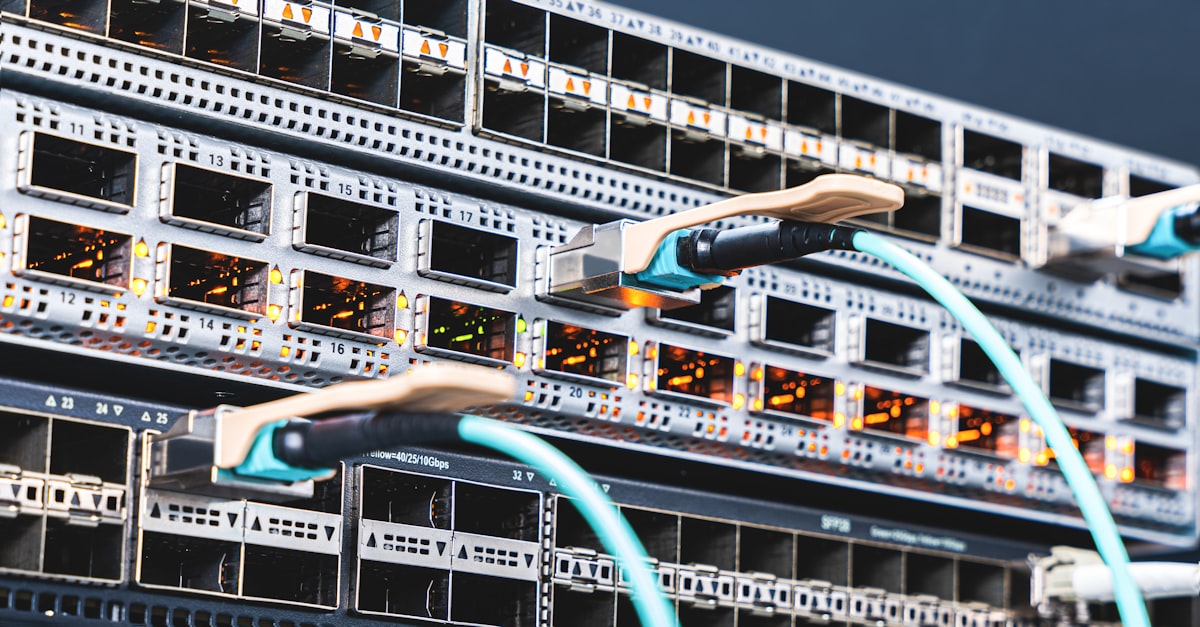
GPU network automation is the quiet shift. It's how data centers handle the sheer volume of modern artificial intelligence workloads, even as companies pour capital into compute resources where the physical and logical links between those processors become the primary bottleneck. That's a big problem. So the recent funding of 15 million dollars for a Santa Clara startup highlights a move toward automating the infrastructure that keeps expensive hardware running at peak capacity. But this move sits within a broader pattern. The complexity of connecting thousands of servers risks leaving machines idle, and we can't afford that.
The Hidden Bottleneck of Modern Clusters
Building high-performance clusters isn't just stacking chips. It's far more complex than that. Each server requires an elaborate web of connections, three north-south, 16 east-west, and four NVL72 links, to function as a unified entity, and these physical paths must be managed with precision. One small error can trigger total failure or risk cross-customer data exposure. So when operators add, remove, or resize a tenant, they must reconfigure the entire fabric, updating hundreds or thousands of switches at once, and this demands incredible coordination. But manual configuration simply can't keep pace with the scale of current deployments.
Hardware Acceleration Over Software
Traditional software-defined networking can't manage the intensity of these traffic volumes. It just can't. The requirement for speed dictates that operations must happen in hardware, which is why the industry is turning toward specialized platforms that run directly on switches. But Alex Saroyan, the CEO of the startup, provided clear reasoning for this direction during discussions about the firm's strategy.
For AI, software is not okay, because the amount of traffic is so high, everything must be hardware accelerated.
Shift the intelligence to the hardware layer. It's not a new architectural choice for this team, who have spent eight years building hardware-accelerated systems so operators can move traffic at speeds general software approaches simply can't match. So they've mastered this.
Standardizing the Network Layer
Standardized networking is gaining momentum. But Guido Appenzeller, a partner at the lead investor firm, points to the specific nature of this demand, noting that operators managing massive pools of compute are driving this shift, and the platform now supports over 35 active deployments across clusters containing roughly one million GPUs.
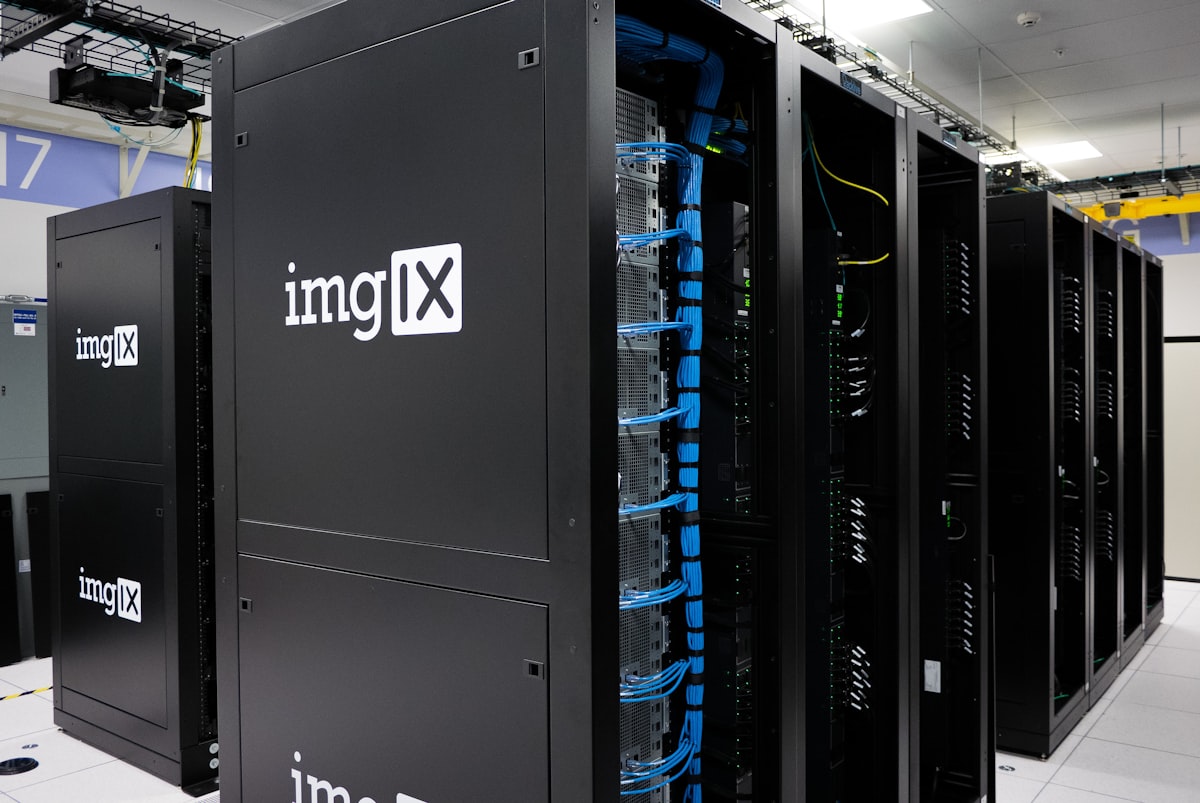
GPU clusters run across many fabrics at once, and legacy automation was never built for that.
Cloud providers can't ignore this reality. They're now forced to hunt for vendor-agnostic solutions that let them manage equipment from multiple vendors while still keeping a unified automation framework, and that ability has become a non-negotiable requirement for anyone trying to compete in today's high-demand compute market.
Operational Metrics and Scale
The growth of this specific sector is reflected in the adoption rates reported by the company. The following deployments and milestones illustrate the current reach of the platform:
- The firm reports 800 percent annual recurring revenue growth.
- The platform is live at more than 35 GPU clusters worldwide.
- Current supported hardware includes gear from both Nvidia and AMD.
- The organization operates teams across several regions, including the United States, United Kingdom, Taiwan, Australia, Armenia, and India.
- New support and expansion plans include a fresh office in Singapore.
Deterministic Logic in a Creative Industry
The broader tech sector rushes to embed AI everywhere, but this networking platform takes a different path. It's a deliberate choice. So they explicitly avoid using machine learning or AI models to manage switch configurations, instead relying on deterministic algorithms that rest on a firm belief in absolute predictability when machines must change thousands of configurations at once. They can't rely on probabilistic outcomes. The system demands persistence and repeatability to keep data center environments stable under heavy load, and that's non-negotiable.
The Path to Scaling Infrastructure
The wider sector's strategy is clear. It's a foundational layer. The company avoids competing with the very cloud operators it aims to support by selling the infrastructure software needed to connect GPUs, and with the new capital, the plan involves hiring more engineers and sales staff to meet demand. But the roadmap focuses on adding support for additional hardware vendors while expanding the range of automation tools provided to operators. The company expects to continue its international growth as it refines the tools that keep large-scale GPU clouds operational.
Frequently Asked Questions
What is GPU network automation and why is it important according to the article?
GPU network automation is the process of automatically managing the infrastructure that connects thousands of servers and GPUs. It is important because manual configuration cannot keep pace with the scale of current deployments, and errors can trigger total failure or risk cross-customer data exposure.
Why does the startup's CEO argue that hardware acceleration is necessary over software-defined networking?
The CEO, Alex Saroyan, argues that for AI, software is not okay because the amount of traffic is so high, meaning everything must be hardware accelerated. This shift to hardware allows operators to move traffic at speeds that general software approaches cannot match.
How does the platform ensure stability and predictability in managing switch configurations?
The platform explicitly avoids using machine learning or AI models to manage switch configurations, instead relying on deterministic algorithms. This ensures absolute predictability and repeatability, which is necessary when machines must change thousands of configurations at once.
What operational metrics and growth figures does the article report for the startup?
The article reports 800 percent annual recurring revenue growth and that the platform is live at more than 35 GPU clusters worldwide. It also notes that the supported hardware includes gear from both Nvidia and AMD.
According to the article, what is driving the demand for vendor-agnostic network automation solutions?
Operators managing massive pools of compute are driving this shift, as they need to manage equipment from multiple vendors while keeping a unified automation framework. This ability has become a non-negotiable requirement for competing in today's high-demand compute market.

Liam Fitzgerald reports on gadgets, apps and the companies behind them. He tests new products and cuts through the marketing to tell readers what is genuinely worth their attention.
💬 Comments (0)
No comments yet. Be the first!