How Lightning Dock Revived Geothermal Energy
Zanskar’s successful deep-well drilling at Lightning Dock has more than doubled the plant's electricity output since 2025.
Lightning Dock shows geothermal energy has a second life
Lightning Dock proves old energy sites often hold hidden value. But it's running at full capacity again roughly two years later. In June 2024, a company called Zanskar purchased a geothermal power plant in New Mexico that was failing fast because it was struggling with cooling water temperatures and was becoming too expensive to operate, so this turnaround offers a glimpse into how modern technology can revive aging infrastructure.
The mechanics of a geothermal failure
Geothermal power depends on specific underground conditions. Water travels through fractured hot rocks to capture heat, which then powers a plant to generate electricity, but if the water doesn't reach a high enough temperature or the flow rate is insufficient, the system becomes inefficient. So the site at Lightning Dock came online in 2013. It relied on two original production wells to feed its operations.
Systems cool down gradually. It's a slow process , a standard drop of 1 to 2 degrees Fahrenheit per year. But before Zanskar took control, this site saw a far sharper decline, with temperatures falling by 50 degrees over five years at a rate of 10 degrees per year. That's catastrophic. By the time the sale occurred, the incoming water sat at 250 degrees Fahrenheit, and we can't operate efficiently when we need 310.
Advanced modeling drives the recovery
Zanskar applied advanced modeling techniques to map the underground conditions at the site. But the findings revealed a critical flaw. The initial production wells were too shallow. They reached only 2,500 feet into the ground, so they were only accessing the very top of the reservoir rather than its core, which is a costly mistake that Joel Edwards, the cofounder and CEO of Zanskar, noted as lacking optimal positioning. So the company decided that drilling deeper in a new location would provide the necessary heat and flow. It's a far better shot at success.
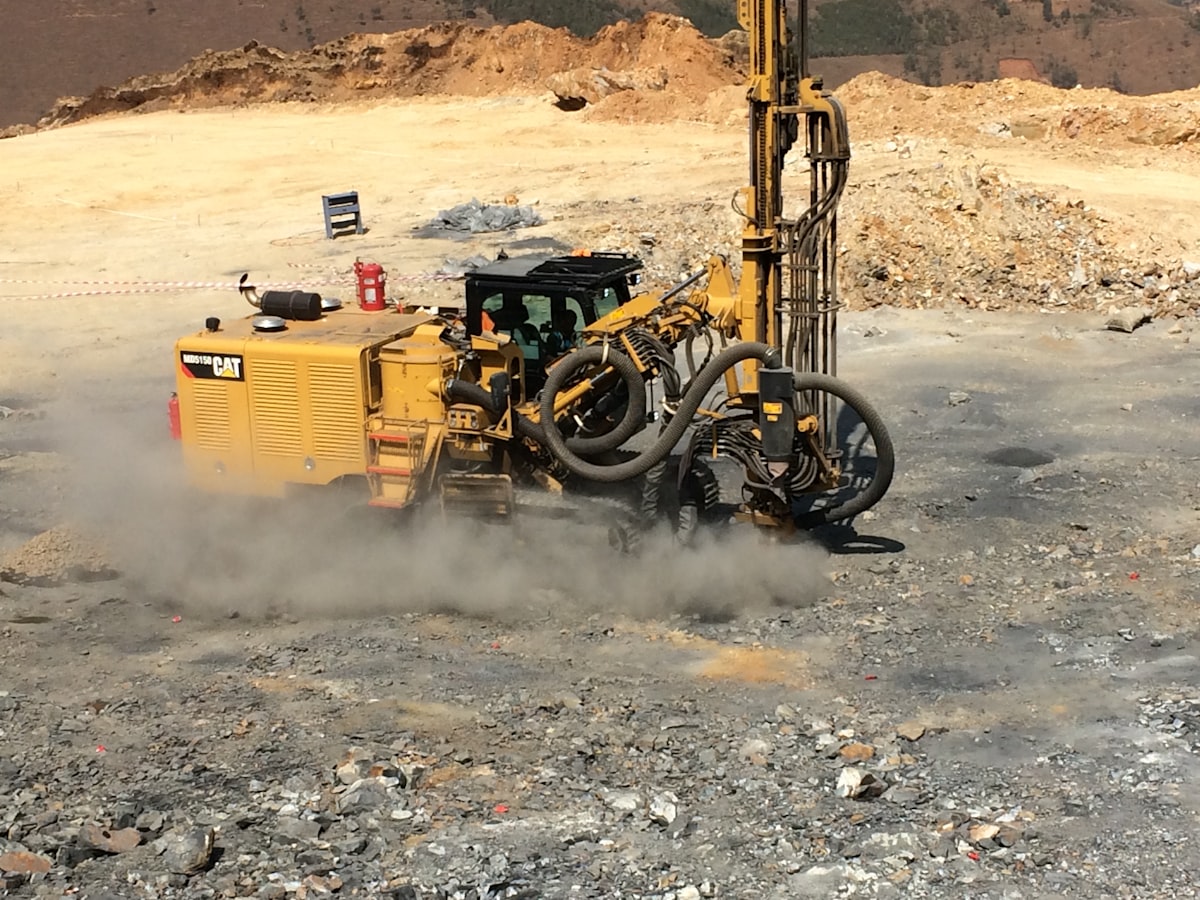
They drilled a new well in May 2025. It reaches a depth of 8,000 feet, and after a full year the well is still flowing at more than 4,000 gallons per minute. Edwards says the plant has completely turned around. It looks really exciting.
Changing the outlook for geothermal assets
Drilling deeper should tighten rock and restrict water flow. That's a common belief in the energy sector, creating a potential problem for power generation. But the results at this New Mexico site contradict that assumption, since the flow rate actually increased in the area where the new, deeper well was drilled.
Impact on current and future operations
The old view is dead. This site's success has completely shifted how developers now see every hydrothermal asset scattered across the country, and Ben Brenner, Zanskar's director of federal affairs, said these results change the industry's entire thinking about the potential of all similar American assets. But the operational improvements are substantial.
- The plant now has a capacity of 15 megawatts, enough to power 11,000 homes.
- Electricity generation has more than doubled over the past year compared to the old wells.
- The new well reaches a depth of 8,000 feet.
- Water flow continues at a rate of over 4,000 gallons per minute.
The road toward deeper energy extraction
Deep drilling isn't new to oil and gas. But industry leaders expect a similar trend to take hold in the geothermal space, where typical well fields currently range from 3,000 to 5,000 feet, yet moving toward greater depths may become standard practice as extraction demands grow. The company plans to continue development at the site. They aim to extract even more electricity through future upgrades. There's plenty of untapped potential in existing, conventional resources. While other projects focus on new fracking techniques to open up closed rock, these sites often just need a second look.
Frequently Asked Questions
What is Lightning Dock and why is it significant?
Lightning Dock is a geothermal power plant in New Mexico that was failing but was revived by Zanskar. It demonstrates how modern technology can revive aging infrastructure and shows that old energy sites often hold hidden value.
Why was the Lightning Dock plant failing before Zanskar purchased it?
The plant was failing because it was struggling with cooling water temperatures and becoming too expensive to operate. The water temperature had fallen by 50 degrees over five years at a rate of 10 degrees per year, making it inefficient.
How did Zanskar revive the Lightning Dock plant?
Zanskar applied advanced modeling techniques to map underground conditions, revealing that the original production wells were too shallow at 2,500 feet. They drilled a new well at a depth of 8,000 feet in a new location, which provided the necessary heat and flow.
When did Zanskar purchase the Lightning Dock plant and when did they drill the new well?
Zanskar purchased the plant in June 2024. They drilled the new well in May 2025, and after a full year the well was still flowing at more than 4,000 gallons per minute.
Who is the CEO of Zanskar and what did he say about the plant's turnaround?
The cofounder and CEO of Zanskar is Joel Edwards. He said the plant has completely turned around and that it looks really exciting.

Markus Heill writes about technology and the tools we use every day, from smartphones to the services that run in the background. He is interested in how good design makes technology easier to live with.
💬 Comments (0)
No comments yet. Be the first!