How Laser Enrichment Could Power Nuclear Reactors
Global Laser Enrichment is testing commercial-scale laser enrichment, a new method to separate uranium from nuclear waste.
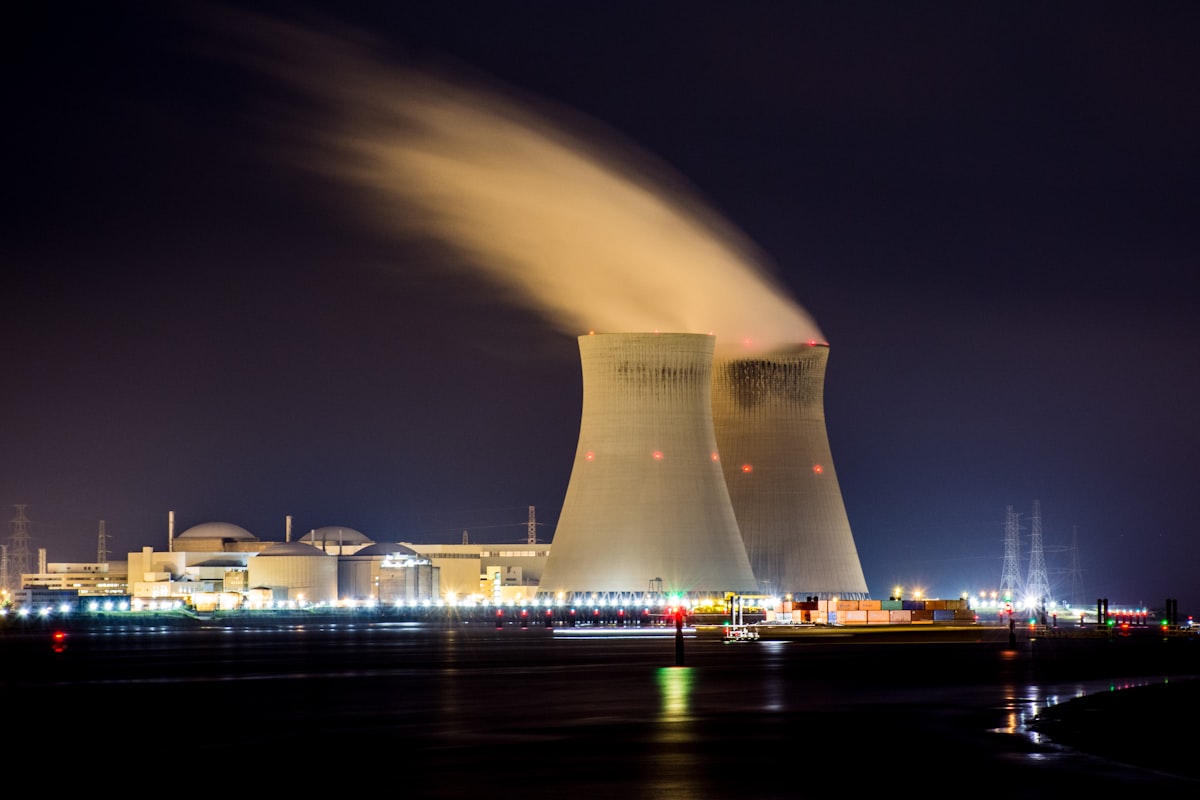
Laser enrichment offers a path for nuclear fuel
Laser enrichment is emerging as a potential solution. But it's a new path forward as nations seek to expand their reactor capacity, and the need for efficient, cost-effective fuel sources is increasing because nuclear energy accounts for about 9 percent of global electricity production today. New techniques for extracting usable material from existing waste could change everything. They might alter the logistics of the entire fuel cycle.
The mechanics of material separation
The core concept isolates specific isotopes from old waste for power generation. It targets uranium by applying light-based energy to the mixture, and this is a major departure from older methods that rely on intensive chemical or mechanical separation. But this refines how we recover fuel. And the industry hopes it'll keep new reactor construction projects feasible.
Pause on one detail. The success of this approach depends on scaling the technology to a level that makes sense for commercial operations, and a firm named Global Laser Enrichment is preparing to test whether this process performs as expected at a commercial scale.
Evaluating the commercial viability
That's the big challenge. If the tests prove successful, it could shift the economics of how nuclear fuel is sourced and processed, and operators often look for ways to reduce the cost of fuel as a means to improve the financial profile of new energy plants. But it's not simple.
- Nuclear power currently provides about 9 percent of global electricity.
- The industry anticipates building new reactors in the coming years.
- Global Laser Enrichment is moving toward commercial-scale testing.
- The process focuses on separating uranium from older waste materials.
Refining fuel production
But there's a catch. Any new technology in the nuclear sector faces a gauntlet of technical and regulatory requirements, and proving that a process is not only effective but also safe and consistent is a multi-step journey that demands rigorous testing and oversight. So it could ease some pressure on global supply chains. The ability to reclaim material from waste streams provides a secondary fuel source.
Technology at the service of energy
Legacy fuel cycles have remained constant for decades. But if lasers offer a more precise way to manage these resources, the impact could be seen across the entire power grid, even as countries balance their energy needs against climate objectives. Lower costs for fuel production could make nuclear energy more attractive. It's a major shift.
Public perception of new methods
New technologies often face scrutiny, especially in the energy sector. But it's the upcoming testing phase that will likely determine whether this method gains traction. If the performance data holds up during these trials, it will provide a clearer picture of how this technology fits into the future of energy. We'll see.
As Marian Agnew, a nine-year-old from Norman, Oklahoma, suggests in her critique of modern technology trends, skepticism is a healthy part of the innovation process. She noted her frustration with the current state of artificial intelligence models, stating:
I think that artificial intelligence should stand for artificial idiot.
It doesn't always stick. This sentiment reveals a broader truth about how we adopt new tools, but just because a technology offers a theoretical advantage doesn't mean its integration will be simple or universally accepted. So the coming trials will test that promise. The focus remains on the upcoming tests and the hope for a more efficient fuel cycle.
The path forward for nuclear energy remains complex. But many are watching with interest as the potential to turn old waste into valuable fuel develops, and if the technology matures, it may provide a much-needed boost to the sector. So for now, the next move lies with the testing of these laser-based systems at a scale that matters for the real world.
Frequently Asked Questions
What is laser enrichment and how does it work according to the article?
Laser enrichment is a new technique for extracting usable material from existing nuclear waste by applying light-based energy to separate specific uranium isotopes. This is a major departure from older methods that rely on intensive chemical or mechanical separation.
Why is laser enrichment considered important for the nuclear industry?
Laser enrichment could shift the economics of nuclear fuel sourcing by reducing costs and providing a secondary fuel source from waste streams. This may improve the financial profile of new energy plants and help keep new reactor construction projects feasible.
How is the commercial viability of laser enrichment being evaluated?
Global Laser Enrichment is preparing to test the process at a commercial scale to see if it performs as expected. The success of this approach depends on scaling the technology to a level that makes sense for commercial operations.
When might we know if laser enrichment is a viable technology?
The upcoming testing phase will likely determine whether this method gains traction. If the performance data holds up during these trials, it will provide a clearer picture of how this technology fits into the future of energy.
Who is involved in advancing laser enrichment technology?
A firm named Global Laser Enrichment is preparing to test whether the laser-based process performs as expected at a commercial scale. They are moving toward commercial-scale testing to prove the technology's effectiveness and safety.

Chloe Dupont covers consumer technology, from the latest devices to the software shaping daily life. She focuses on how new tools fit into the real world and whether they live up to the promise.
💬 Comments (0)
No comments yet. Be the first!