Can Starling Fix Your Microwave Sound?
Designers at Starling show how existing hardware can be updated with code to improve the annoying sounds of a microwave.
Microwave sound is a problem we have
accepted for too long.
Most of us have developed a strange habit. We hover near the appliance, ready to hit the button to stop the timer just before the final second ticks away so we can escape that shrill, grating beep that signals our food is ready. It's a form of conditioning. This turns a mundane kitchen task into a race against a noisy machine. But for years this audio experience has remained stagnant, trapped in a cycle of cheap manufacturing and ignored user needs.
The core of the issue hides behind the control panel. Since the 1970s, manufacturers have relied on the same passive piezoelectric buzzer to alert users, and these components are extremely inexpensive, often costing only a matter of cents. They function as a simple membrane that vibrates when charged with electricity to produce a basic, piercing tone. But this design leaves little room for sonic personality or user comfort. It's efficient, though.
The Case for Better Audio
Joel Corelitz and Colin Coogan have backgrounds working on projects for major technology and automotive brands, and they recently decided to challenge this status quo. They realized the harsh beeps we hear daily aren't a hardware requirement but a design choice. It's a simple fix. So by focusing on the existing microcontrollers already present in appliances, they found that a simple change in code can produce a vastly different sonic result.
Their approach focuses on the following concepts:
- Microcontrollers that accept C++ can be reprogrammed to generate diverse, complex sounds.
- Piezoelectric buzzers can simulate dynamic volume changes by sweeping through resonant frequencies.
- Existing hardware already contains the necessary parts to produce more pleasant audio without adding cost.
- Software-based sound design can replace aggressive tones with soft, premium clicks or melodic sequences.
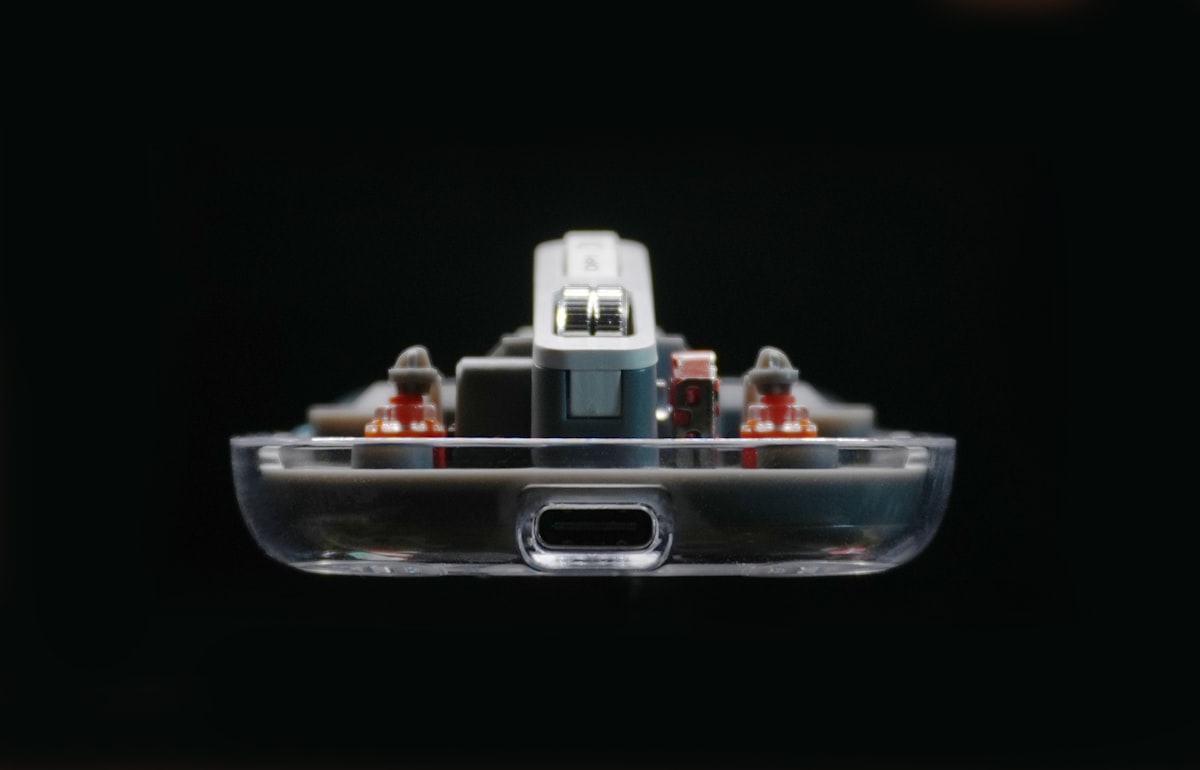
The duo built their test setup with an Arduino. So they transformed standard, unpleasant beeps into trills, frequency sweeps, and arpeggios that sound more like a modern video game interface than a relic of the 1970s. It's not the hardware. The real barrier is the lack of attention to user experience design in the kitchen appliance market.
Why Manufacturers Stick to the Noise
Richard Hughes spent fifteen years as a principal UX designer at Whirlpool. Now, he’s a design lead for digital user experiences at Volvo. He notes that the industry is often driven by a lack of internal audio expertise, so companies rarely apply professional sound design to the user interface even though they’re skilled at managing product noise from fans and motors. These audio specs are carried over from one model to the next. So the same annoying sounds persist for decades.

But there's a catch. The industry remains locked in a cycle of fierce competition where every cent matters, so replacing a cheap buzzer with a speaker would increase costs and brands prefer to keep the established, albeit abrasive, technology. Yet the market might be shifting. As consumers begin to value premium interfaces, the pressure to provide a better, more thoughtful experience is growing.
"One of the top things that people kept commenting over and over again was, Oh my God, I would pay $50 more for a microwave that sounded better," Colin Coogan says.
The Future of Kitchen Audio
It's a gradual shift. As companies work to distinguish their premium product lines, small details like sound design become a way to add value without significantly changing the physical assembly. So this focus on what designers call delighters is turning into a competitive advantage for brands that decide to invest in the user experience.
Refining the Sound Experience
One detail is worth pausing on. A 4,000-Hz beep that lasts for only one millisecond can provide a sharp, satisfying click that rivals the feedback on a smartphone, so it's a small but clever trick. But that's what turns a standard, noisy machine into a tool engineered for the human ear. It's a perfect example of how minor software adjustments can change the way we perceive our appliances.
Low Hanging Fruit
This is an easy win. Any manufacturer willing to try can implement it without requiring new hardware or complex engineering overhauls, so the potential for change exists right now. It's simply a matter of swapping out lines of code to improve the user's daily life. But as the trend of better sound design trickles down from high-end products to more affordable ones, the days of the grating, cortisol-inducing kitchen beep may finally be numbered.
Frequently Asked Questions
What is the main issue with microwave sound according to the article?
The article states that microwave sound is a problem we have accepted for too long, characterized by a shrill, grating beep that signals food is ready. This audio experience has remained stagnant since the 1970s due to reliance on cheap piezoelectric buzzers.
Why do manufacturers continue to use the same unpleasant microwave sounds?
Manufacturers stick to the noise because the industry is driven by a lack of internal audio expertise and fierce competition where every cent matters. Replacing a cheap buzzer with a speaker would increase costs, so brands prefer to keep the established, albeit abrasive, technology.
How can microwave sound be improved without adding new hardware?
The article explains that microcontrollers already present in appliances can be reprogrammed to generate diverse, complex sounds. By changing the code, piezoelectric buzzers can simulate dynamic volume changes and produce more pleasant audio, such as soft clicks or melodic sequences.
Who are Joel Corelitz and Colin Coogan, and what did they do regarding microwave sound?
Joel Corelitz and Colin Coogan have backgrounds working on projects for major technology and automotive brands. They challenged the status quo by using an Arduino test setup to transform standard beeps into trills, frequency sweeps, and arpeggios that sound more modern.
What did Colin Coogan say about consumer willingness to pay for better microwave sound?
Colin Coogan stated, "One of the top things that people kept commenting over and over again was, Oh my God, I would pay $50 more for a microwave that sounded better." This indicates growing consumer demand for improved sound design.

Markus Heill writes about technology and the tools we use every day, from smartphones to the services that run in the background. He is interested in how good design makes technology easier to live with.
💬 Comments (0)
No comments yet. Be the first!