Best Apple Watch 2026: Series 12, Ultra 4, and SE 3 Tested
Best Apple Watch 2026 tested: Series 12 at $399, Ultra 4 at $780, SE 3 at $269. Here is how Apple's current lineup stacks up.
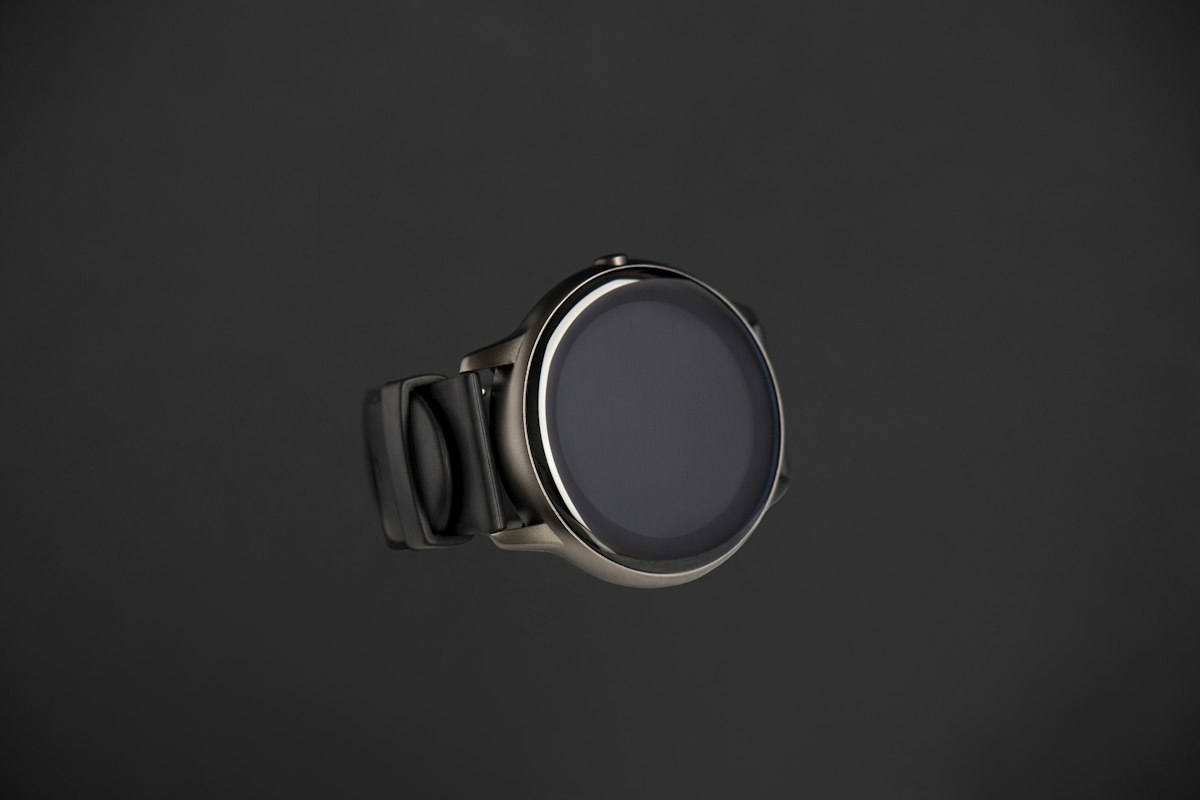
Best Apple Watch 2026 shoppers have three clear paths this year, and the differences between them are sharper than the similar case designs suggest. After wearing the Series 12, the Ultra 4, and the SE 3 day and night, the lineup breaks down less by price than by which health sensors you actually get. Apple has quietly turned the Watch into a health instrument first and a notification screen second. That shift defines every recommendation below.
Series 12: The Health Sensor Overhaul
The Series 12 is the flagship, and the headline change is the new Health Sensing System. This is not a cosmetic refresh. The ECG now runs 32 electrodes for better skin contact, up from two on the Series 11. Improved optical sensing and more efficient LEDs push heart-rate accuracy higher.
What that means in daily use is a dramatic jump in sampling frequency. The Series 12 tracks heart rate every five seconds throughout the day and HRV as often as every five minutes. The Series 11 sampled heart rate every five minutes and HRV roughly every two hours. That is a different category of data density.
Apple introduced the Readiness score too. It's a snapshot of how prepared your body is for the day, built from recent health and activity data, and it gives you a quick read on where you stand. Audio Intelligence arrives as well. But two of its headline features, Live Rewind and Siri Recap, won't show up until later this year, so you can't use them yet.
Battery life holds at a rated 24 hours, but charging is faster. Fifteen minutes on the charger delivers up to 12 hours of normal use. Five minutes gets you up to 10 hours of sleep tracking. The Series 12 costs $399.
Ultra 4: More Battery, Same Adventure
The Ultra 4 lasts up to 50 hours on a charge. That's up from 42 hours on the Ultra 3, and it reaches up to 84 hours in Low Power Mode, which is a notable gain for anyone who's away from a charger for long stretches. Fast charging improves too. Fifteen minutes provides up to 18 hours of normal use. And five minutes offers up to 10 hours of sleep tracking.
A new Health Sensing System and the faster S11 chip enable the same frequent background heart-rate and HRV tracking, the Readiness score, and the Audio Intelligence suite found on the Series 12.
Beyond those improvements, the Ultra 4 is essentially the same smartwatch as its predecessor. It remains built for multi-day hikes, water sports, and endurance activities, with water resistance up to 100 meters and a depth gauge rated to 40 meters for recreational scuba diving. Satellite messaging remains the standout feature, letting you contact emergency services beyond cellular or Wi-Fi coverage. Fall and crash detection plus a built-in siren round out the safety package. The price is $780.
The Ultra 4's biggest practical limitation has nothing to do with sensors. The 49-mm case can be too large on slimmer wrists. A 46-mm option would make this watch viable for far more people. It's that simple. And while the sensor array inside this thing is genuinely impressive, and while the engineering that went into packing all of that technology into such a compact frame deserves real credit from anyone who follows wearable design closely, the fact remains that a case measuring 49 mm is simply going to look and feel oversized on a great many slimmer wrists out there. A 46-mm option would make this watch viable for far more people.
SE 3: The Budget Pick That Holds Up
Apple didn't update the SE this year. So the Watch SE (3rd Gen) remains the most affordable at $269, which means that if you're shopping for the cheapest option in the lineup, this is the one that's still sitting there at that price. It runs the S10 chip. That chip enables many health features the SE 2 lacked, and among them you'll find sleep apnea notifications and skin temperature sensing, two additions that weren't there before.
It is compatible with watchOS 27, so you get the dynamic app grid, the Siri app, and Workout Buddy. It has fast charging. Even without the Series 12's rated 24-hour battery life, one tester still managed a full day with the always-on display enabled.
The trade-offs are real. The screen is a 1,000-nit display compared with the 2,000-nit wide-angle OLED on the Series 11. There is no UWB locator chip. You lose the Readiness score, high-frequency heart-rate and HRV tracking, and Audio Intelligence. It cannot check blood oxygen or take an ECG, and it lacks the latest hypertension notifications.
The Specs That Actually Separate Them
- Series 12: $399, 32-electrode ECG, heart rate every five seconds, HRV every five minutes, 24-hour rated battery
- Ultra 4: $780, 50-hour battery (84 in Low Power Mode), satellite messaging, 100-meter water resistance, 40-meter depth gauge
- SE 3: $269, S10 chip, sleep apnea notifications, skin temperature sensing, no ECG or blood oxygen
- All three: fast charging, watchOS 27 compatibility
Two Older Watches to Skip
Apple Watch Series 11 at $399: with no price difference between generations, it only makes sense at a significant discount. It misses high-frequency background heart-rate tracking, Recovery HRV readings, the Readiness score, and Audio Intelligence. It uses standard GPS instead of the newer Precision L1 GPS and lacks the latest fast-charging boost, though it can still charge for up to eight hours of battery life in 15 minutes.
Apple Watch Ultra 3 at $799: again, no price gap between generations makes this a discount-only buy. It has a shorter rated battery life of 42 hours versus the Ultra 4's 50. You also lose Audio Intelligence, high-frequency heart-rate and HRV tracking, and the Readiness score. Otherwise it is basically the same outdoor-focused watch.
WatchOS 27 only works with the Series 9 and newer. So buying anything older is a dead end. With less price variation between generations than we've seen before, an older Apple Watch only makes sense on sale, and that's a fact you can't ignore if you're shopping right now. It's a dead end.
How These Watches Get Tested
Day and Night Wear
We wear each watch day and night for about a week. That's the start. We treat it like a typical smartwatch, fitness tracker, and sleep tracker, and that initial review period shapes everything we do next. Then testing continues for at least another month. Why? To evaluate longer-term claims and whether the wellness data proves useful in practice. And we don't stop there, because a week tells you little, and a month tells you more, and the claims still need checking against what you actually get. It's a long haul. We've got to see if the data helps. We can't just trust the box.
What Gets Measured
Each watch is worn during workouts, throughout the day, and while sleeping to judge comfort over time. Screen readability indoors and outdoors matters, as does the responsiveness of the touchscreen and physical controls. Everyday functions like Siri, music playback, and watchOS get evaluated for intuitiveness and iPhone integration. Battery life is tracked with workout tracking, notifications, and sleep tracking enabled, along with charging speed and practicality across a full day and overnight.
Because the Apple Watch is also a fitness tracker, testing covers runs, rides, and strength training. Heart rate readings, workout detection, step counts, and other metrics get compared against previous Apple Watches and against Oura and Whoop. Sleep tracking gets the same treatment, with attention to data quality, usefulness of metrics, and whether the insights are actionable.
The Series 12 tracks your heart rate every five seconds throughout the day and HRV as often as every five minutes, compared with every five minutes for heart rate and roughly every two hours for HRV on the Series 11.
So Which One Should You Buy?
The Series 12 is the best Apple Watch overall for most people. It carries the full Health Sensing System, the Readiness score, and the fastest charging in the standard line, all at $399.
The Ultra 4 is the pick for battery life and off-grid safety. If you hike for days, dive, or simply hate charging, the 50-hour rating and satellite messaging justify the $780 price. Just check the 49-mm case against your wrist first.
The SE 3 remains the budget-friendly entry at $269. It covers sleep apnea notifications, skin temperature sensing, and watchOS 27, but it cannot do ECG, blood oxygen, or the new Readiness score. That is the line Apple has drawn this year: health depth costs money. The SE 3 gives you the Watch experience. The Series 12 and Ultra 4 give you the health platform. Decide which one you actually need before you decide what you can afford.
Frequently Asked Questions
What is the Readiness score on the Apple Watch Series 12?
The Readiness score is a snapshot of how prepared your body is for the day, built from recent health and activity data. It gives you a quick read on where you stand.
Why might the Ultra 4's 49-mm case be a problem for some buyers?
The 49-mm case can be too large on slimmer wrists, and a 46-mm option would make this watch viable for far more people. It's that simple.
How does the SE 3 compare to the Series 12 in terms of health features?
The SE 3 lacks the Readiness score, high-frequency heart-rate and HRV tracking, and Audio Intelligence. It cannot check blood oxygen or take an ECG, and it lacks the latest hypertension notifications.
When does the Series 12's battery deliver up to 12 hours of normal use?
Fifteen minutes on the charger delivers up to 12 hours of normal use. Five minutes gets you up to 10 hours of sleep tracking.
Who should buy the Ultra 4 according to the article?
The Ultra 4 is the pick for battery life and off-grid safety. If you hike for days, dive, or simply hate charging, the 50-hour rating and satellite messaging justify the $780 price.

Chloe Dupont covers consumer technology, from the latest devices to the software shaping daily life. She focuses on how new tools fit into the real world and whether they live up to the promise.
💬 Comments (0)
No comments yet. Be the first!