ARK-1 Robot: A New Era of Tactical Deployment
Ukraine is using flying drones and boats to deploy the ARK-1 robot, changing how ground-based machines move in battle.

ARK-1 robot units are changing the game. By pairing these machines with aerial drones, operators can now bypass rough terrain that would otherwise stop a wheeled vehicle in its tracks, and it's a simple but powerful shift in logistics.
Tactical Delivery Systems
Moving ground-based hardware through a contested zone is a high-stakes challenge. It's dangerous. The standard method often involves driving over dangerous paths, so now flying hexacopters carry these machines directly to their destination using a suspended cable system.
This method keeps the robot hidden from certain types of ground-level threats. But it also speeds up the time it takes to get from a safe zone to an engagement point. It's a mobile platform for weapons or other equipment once it's dropped.
Speed and Capability
Performance varies across different models. But the ARK-1 robot can reach top speeds of nearly 28 miles per hour, and this impressive speed helps the unit close distance to a target before defenses can react.
Key Facts About Deployment
- Primary delivery methods include heavy bomber drones and drone boats.
- The ARK-1 robot can be armed with explosive anti-tank mines.
- Robotic mission volume increased from under 7,500 in January to over 16,600 in June.
- Operations now include amphibious assaults and supply transport.
Amphibious Robotic Assaults
Air isn't the only way to move these units. But recent operations on the Kinburn Spit showed that drone boats can also act as delivery vehicles, using a landing ramp to drop a ground robot directly onto a contested beachhead.
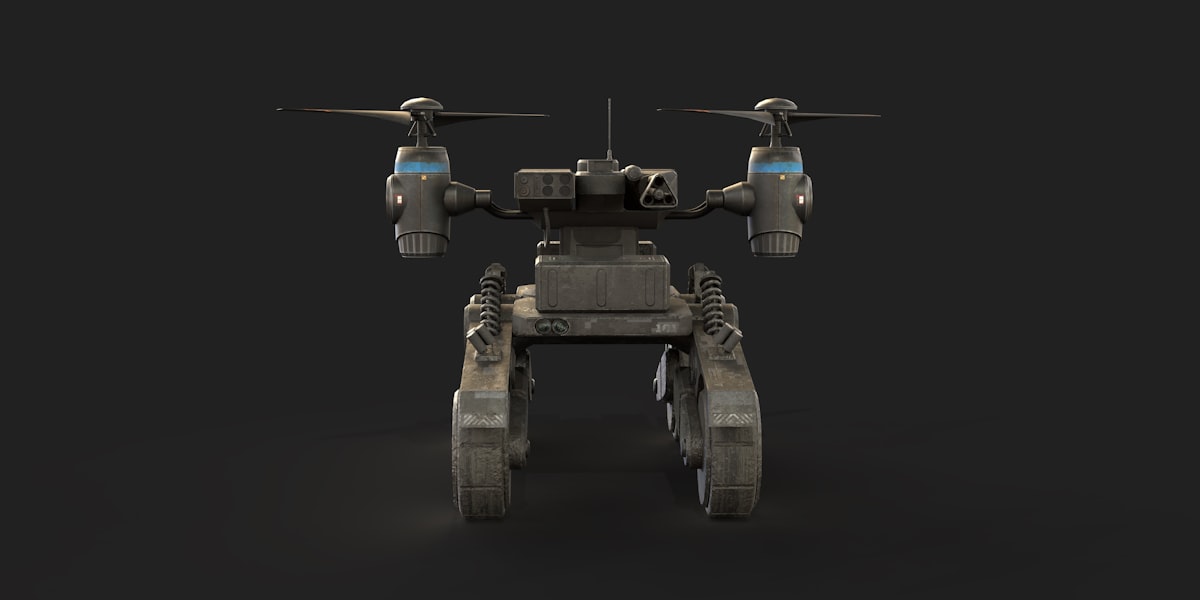
These machines have engaged in active combat. But they've shown this capability only after deployment, as seen in one demonstration where a remotely controlled unit fired its machine gun during apparently mild fighting. So military forces can plant flags or hold positions without putting soldiers in the initial line of fire.
Michael Bohnert of the RAND Corporation noted that while the amphibious robotic assault concept is an impressive feat, it is likely not yet ready for heavy combat scenarios.
The Reality of Modern Combat
The numbers show a massive surge in usage. But if you're looking at the effectiveness of these systems, it's clear they now handle everything from mine clearance to the evacuation of wounded personnel.
But there's a catch. Not every mission report confirms a successful outcome, and some operations remain unclear in their final results since this is still an experimental phase for these technologies.
Future Outlook
The military still needs solutions. It's looking for ways to offset manpower advantages, and using machines to handle dangerous assaults is a direct response to this pressing demand. But the tech is evolving. So the shift toward using drone motherships and specialized ground units is clear.
We're watching a shift in how equipment arrives at the fight. But as drone technology improves, the line between air and ground warfare will blur even further, forcing commanders to adapt to a new, more fluid reality where supplies can appear from the sky. Expect more experimentation with these delivery methods in the coming months. It's a big change.
Frequently Asked Questions
What is a key advantage of using aerial drones to deliver the ARK-1 robot?
Flying hexacopters can carry the ARK-1 robot directly to its destination using a suspended cable system, bypassing rough terrain that would stop wheeled vehicles. This method keeps the robot hidden from certain ground-level threats and speeds up transit from a safe zone to an engagement point.
How fast can the ARK-1 robot travel, and why is this speed significant?
The ARK-1 robot can reach top speeds of nearly 28 miles per hour. This impressive speed helps the unit close distance to a target before defenses can react.
What other delivery method besides aerial drones has been used for the ARK-1 robot?
Drone boats have been used as delivery vehicles, as seen in operations on the Kinburn Spit. These boats use a landing ramp to drop the ground robot directly onto a contested beachhead.
According to the article, what did Michael Bohnert of the RAND Corporation say about the amphibious robotic assault concept?
Michael Bohnert noted that while the amphibious robotic assault concept is an impressive feat, it is likely not yet ready for heavy combat scenarios.
What trend in usage volume does the article report for robotic missions?
Robotic mission volume increased from under 7,500 in January to over 16,600 in June. This surge in usage indicates that these systems now handle diverse tasks like mine clearance and evacuation of wounded personnel.

Markus Heill writes about technology and the tools we use every day, from smartphones to the services that run in the background. He is interested in how good design makes technology easier to live with.
💬 Comments (0)
No comments yet. Be the first!