RSPB: 921 Attacks on Protected Birds of Prey
Protected birds of prey face ongoing illegal killings, with 921 attacks in a decade, RSPB shows. Campaigners want licensing.
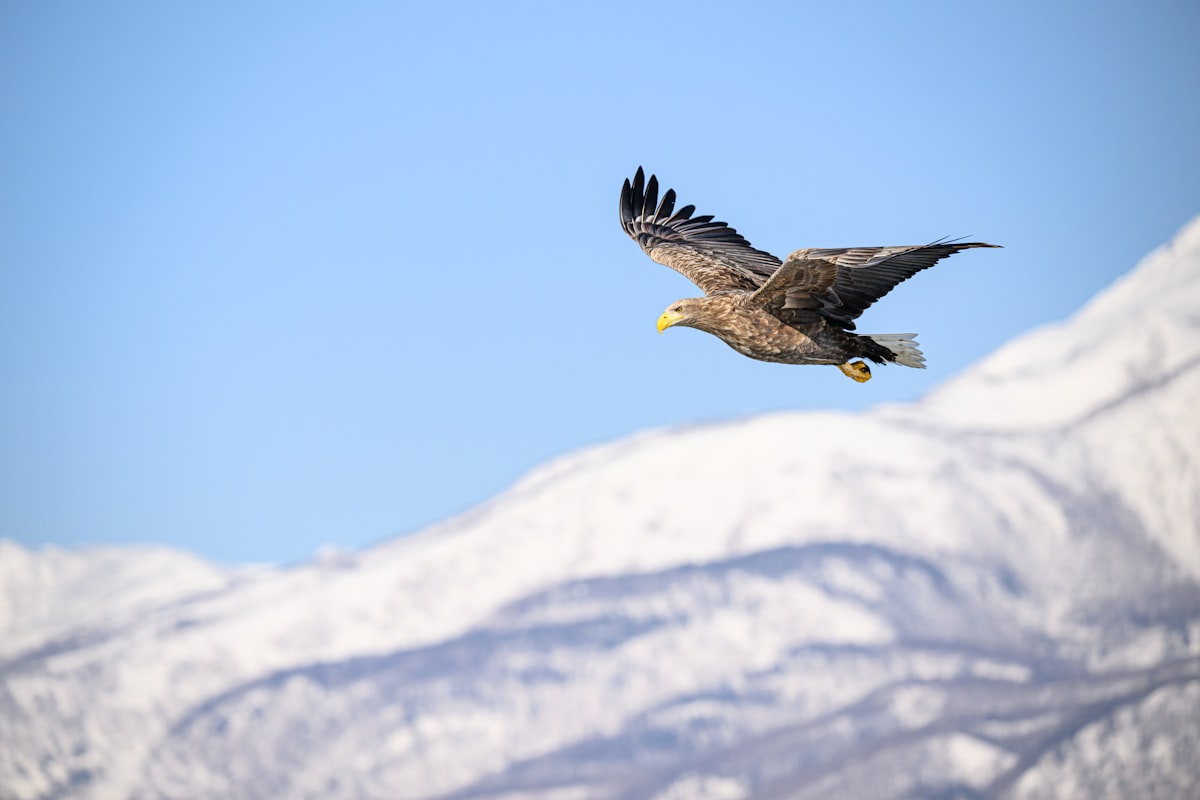
It's a stark report. But protected birds of prey across Britain are still being shot, trapped, and poisoned despite decades of legal protection, according to the RSPB's new findings that document 921 confirmed attacks between 2015 and 2024. More than half of those incidents occurred on or near land managed for game shooting.
921 Attacks in a Decade
The scale is hard to ignore. Over ten years, nearly a thousand protected birds of prey were confirmed as victims of illegal killing. And those are just the cases the RSPB could verify with forensic, eyewitness, or video evidence. The real number is almost certainly higher.
Targeted species read like a roll call of Britain's most iconic raptors.
- Eagles
- Red kites
- Peregrine falcons
- Hen harriers
- Goshawks
- Barn owls
But they've almost no margin. With fewer than 150 pairs of white-tailed eagles thought to live in the UK, every loss cuts deep into populations that have almost no margin for error.
How the RSPB Confirms a Case
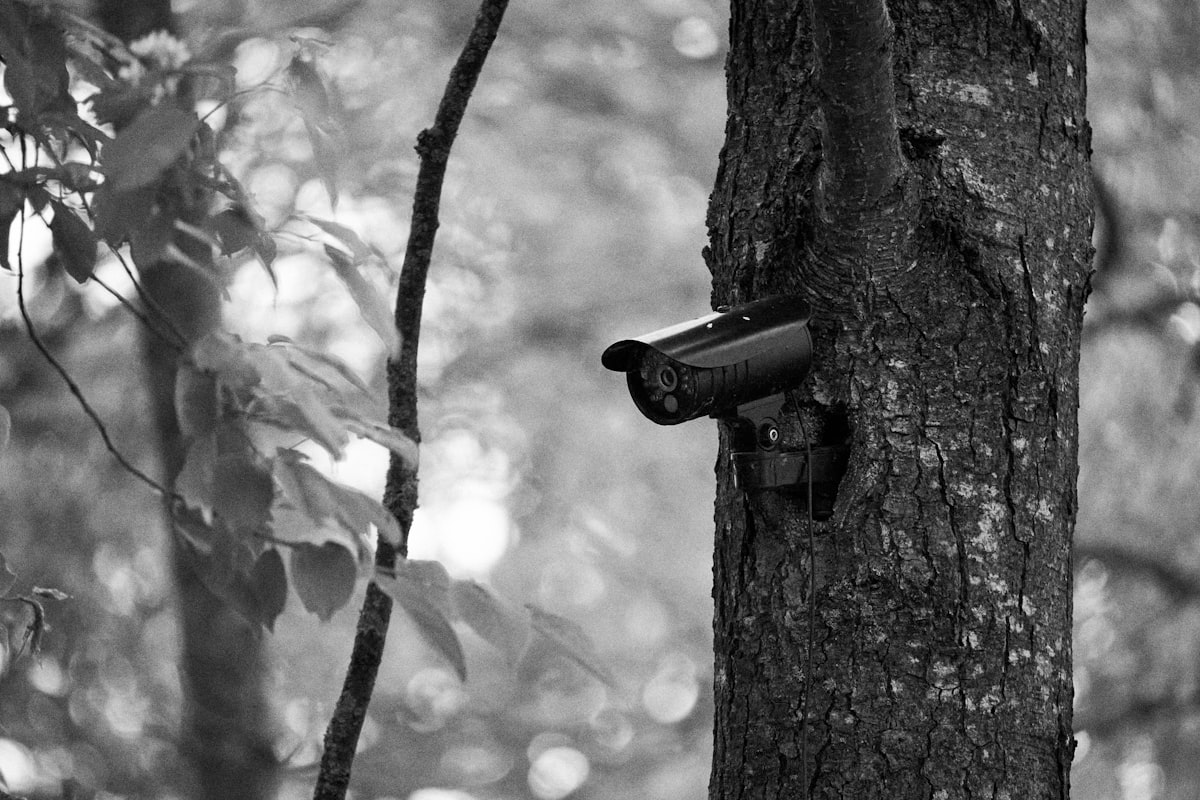
The charity does not throw the label "confirmed" around lightly. Cases only make the official tally when backed by forensic analysis, eyewitness testimony, or video evidence. The investigations unit, staffed by former police officers and bird experts, works methodically to identify suspects. Hidden cameras play a growing role. So does patience. Building a case can take months.
The Money Behind the Killing
Mark Thomas, head of the RSPB's investigations unit, does not mince words.
The killings are about money. Birds of prey are targeted to stop them taking young pheasants, partridges, or grouse, leaving more birds to be shot by paying customers.
That is the economic logic. Brutal. Direct. And entirely illegal. Protected birds of prey are not collateral damage in this equation. They are seen as a cost to be eliminated.
Shooting organisations strongly deny persecution is widespread across the industry. They say it is carried out by a small minority and condemn it outright. But the RSPB argues the pattern is too consistent to dismiss as a few bad actors. The charity is now calling for gamebird shooting in England and Wales to be licensed, arguing estates should face tougher consequences when protected birds of prey are killed on their land.
Three Convictions, One Hidden Camera
This year, the RSPB's evidence helped secure three criminal convictions. Two cases involved birds being beaten to death after they were caught in traps. One was a buzzard. The other, a goshawk.
That clearly didn't happen here. But there's one detail worth pausing on: some live-capture traps are perfectly legal for pest control of crows and pigeons, and the law requires regular checks of traps and non-target species must be released unharmed.
The Hen Harrier Sting
The third case was more elaborate. Covert surveillance at a hen harrier roost in the Yorkshire Dales captured something the RSPB had long suspected but rarely documented in real time: a planned attempt to kill one of the UK's rarest protected birds of prey.
921 confirmed attacks tell a story. But this footage showed the story unfolding. RSPB cameras recorded head gamekeeper Racster Dingwall arriving with a shotgun. Hidden audio picked up a discussion of killing other protected birds and a question that revealed the hunters' own paranoia: was the harrier satellite-tagged? Dingwall later admitted offences linked to the attempted killing. He was ordered to pay a fine of £1,520.
Recorded incidents have fallen in recent years. But here is the part the press release skipped. The RSPB argues the long-term pattern proves criminal prosecutions alone are not enough. Convictions are rare. Fines are modest. Deterrence is weak.
Licensing: The New Battlefront
The RSPB wants England and Wales to follow Scotland's lead. Scotland already licenses red grouse shooting. Under a licensing system, estates could lose their right to operate at the civil standard of proof, even where a criminal prosecution is difficult. That is a lower bar. It would make consequences far more likely.
Shooting organisations oppose the proposals. They say licensing would penalise responsible estates and risk undermining conservation work.
The Industry Pushes Back
Dr Marnie Lovejoy of the British Association for Shooting and Conservation told the BBC licensing would add another layer of regulation to activities already covered by law and affect everyone in shooting, not just offenders. So it's not just offenders.
What we should do is strengthen law enforcement to prosecute individuals who commit these crimes. They have no place in the modern shooting community.
She pointed to conservation spending. BASC estimates that around £500m a year goes into nature recovery work, and that's the equivalent of 26,000 full-time jobs and 14 million workdays. But the industry argues the numbers tell a different story, one of stewardship, not destruction.
Professor Davy McCracken from Scotland's Rural College has spent 35 years studying upland management and wildlife. The tension is ultimately economic. That's where the root of the conflict actually lands, he told the BBC. But he agrees persecution is carried out by a minority of those with game-shooting interests, and he warns that focusing only on them can obscure conservation work happening elsewhere in the sector.
What the Government Says
The government has not backed the RSPB's licensing proposal. But it has not closed the door either. A Defra spokesperson told the BBC that many estates already meet high environmental standards. The department wants all estates to achieve those same standards and says it will work with the shooting sector and others to explore wider measures, including licensing.
For now, protected birds of prey remain vulnerable. The laws exist. The evidence is gathered. But the killing continues. And 921 confirmed attacks in a decade suggest that whatever Britain has been doing, it has not been enough.

Astrid Berg covers space and astronomy, from missions and launches to the science of the universe. She follows the ongoing effort to explore beyond our planet.
💬 Comments (0)
No comments yet. Be the first!