Kosmos 2589: What Sky Watchers Should Know
All of this is visible to amateur astronomers and sky watchers – here is why Kosmos 2589 matters for you.
Kosmos 2589 Just Arrived. A US Spy Satellite Was Waiting.
But it didn't go unnoticed. Kosmos 2589, the new Russian satellite that showed up in geosynchronous orbit this April, was already being circled by a US Space Force inspector satellite within a few weeks. So here's what sky watchers and space enthusiasts need to know about this high-altitude game of tag.
Quick Facts: What We Know
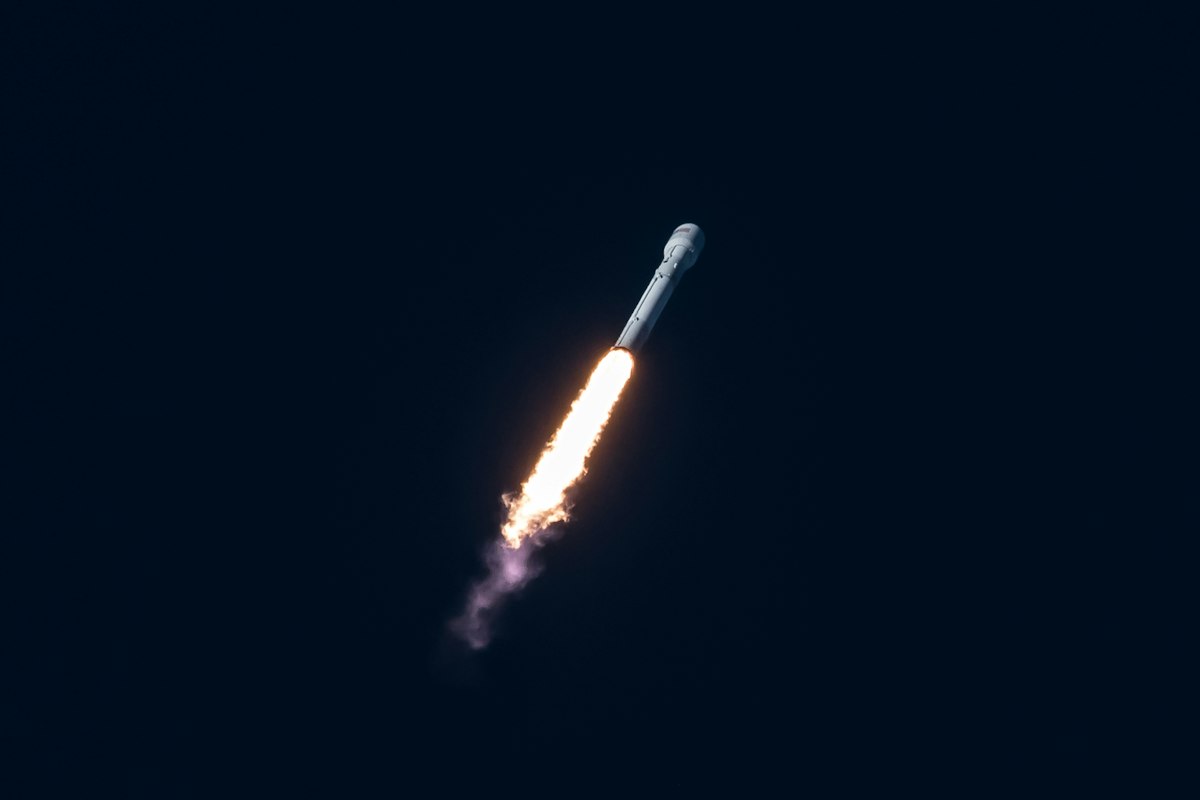
- What it is: Officially Kosmos 2589, launched June 2025 into a highly elliptical orbit alongside a smaller satellite, Kosmos 2590.
- Where it went: After rendezvous and proximity ops with its companion, Kosmos 2589 moved into a circular geosynchronous orbit. It arrived in April 2026.
- Who is watching: A US GSSAP satellite (USA-325) loops near it twice per day. On May 1, it came as close as 8 miles (13 km), per data from COMSPOC.
- Purpose: Unclear. Some Western officials suspect it is a higher-altitude version of Russia’s Nivelir anti-satellite system.
- Next US program: The Space Force is ordering a new family of cheaper, refuelable spy satellites called RG-XX (Andromeda). 14 companies are potential suppliers.
The Real Takeaway: Why This Matters to You
If you follow space news, you know that geosynchronous orbit is prime real estate. Satellites there hover over one spot, providing communications and missile warning. For years the US and China have been sending inspector satellites to sidle up to each other’s spacecraft. Now Russia is doing it too.
Here is the deal: Kosmos 2589 is not just another satellite. It performed a series of high-altitude maneuvers with a partner spacecraft before settling into its current slot. That signals a level of capability that goes beyond eavesdropping. Russia already had wandering satellites for listening in. This one seems designed for closer inspection.
And the US response is immediate. A GSSAP satellite is already on site, taking a look at the newcomer. As retired Lt. Gen. John Shaw told Ars, commanders want to inspect a potential target when it first arrives, while it is still orienting itself. That is exactly what happened here.
“One of the dynamics of the current geosynchronous cat-and-mouse activity is your desired imaging target may try to run away from you, and as it goes away from you, may even turn around, and then get a good look at you.” , Retired Lt. Gen. John Shaw, former deputy commander of US Space Command
Fuel Limits and the Next Generation
Here is the catch. The GSSAP satellites, built by Northrop Grumman, have limited fuel. That forces commanders to think twice before sending one to check out every new object. Gen. Stephen Whiting, commander of US Space Command, put it bluntly: he wants to be able to tell a young captain, “Hey, you can fly that satellite like you stole it for advantage, not like our sweet grandmother who’s trying to go to church on Sunday morning.” Fuel is the limiting factor.

The answer is a new program called RG-XX, or Andromeda. These will be cheaper, refuelable satellites that can patrol GEO without the same fuel anxiety. The Space Force wants a “proliferated architecture” , think dozens or hundreds, not the fewer than eight GSSAP satellites active today. Fourteen companies are in the running to build them.
What This Means for Amateur Observers
It's visible to amateur astronomers. As Shaw noted, the shiny satellites stand out against space's blackness; tracking GEO slots you might spot Kosmos 2589 parked near 98°E with the US inspector looping around this entire cat-and-mouse dance.
Cold War-style shadowing has moved to high orbit, and the US, China, and now Russia are all prowling GEO, so the Space Force is investing heavily to keep up. That's the bigger story.
“What we need to do is evolve our own practice to the point where we don’t need that checkout period, and we can start maneuvering immediately. I expect others will do the same.” , Retired Lt. Gen. John Shaw
Practical Verdict
Kosmos 2589 is a clear signal that orbital reconnaissance is no longer just a low-Earth orbit game. The high-altitude belt is now a contested neighborhood. For sky watchers, it means there is more to track than ever. For the Space Force, it means a new generation of satellites is coming , and they will be able to fly hard, not drive like a grandmother.
Keep your telescopes pointed up. The next few months will tell us whether Kosmos 2589 is just a scout or something more aggressive.
Frequently Asked Questions
What is Kosmos 2589 and when was it launched?
Kosmos 2589 is a new Russian satellite launched in June 2025 into a highly elliptical orbit alongside a smaller satellite, Kosmos 2590. After performing maneuvers with its companion, it moved into a circular geosynchronous orbit, arriving in April 2026.
Why is the US Space Force monitoring Kosmos 2589?
The US Space Force is monitoring Kosmos 2589 because it performed high-altitude maneuvers with a partner spacecraft, signaling a level of capability beyond eavesdropping. Some Western officials suspect it may be a higher-altitude version of Russia's Nivelir anti-satellite system.
How close did a US GSSAP satellite get to Kosmos 2589?
A US GSSAP satellite (USA-325) loops near Kosmos 2589 twice per day. On May 1, it came as close as 8 miles (13 km), according to data from COMSPOC.
Who commented on the cat-and-mouse dynamics in geosynchronous orbit?
Retired Lt. Gen. John Shaw, former deputy commander of US Space Command, commented that when inspecting a potential target, it may try to run away and even turn around to get a good look at you. He also noted that the US needs to evolve its practice to maneuver immediately without a checkout period.
What is the next US program to address fuel limitations of current spy satellites?
The next US program is called RG-XX (Andromeda), which aims to build cheaper, refuelable satellites that can patrol geosynchronous orbit without fuel anxiety. The Space Force wants a proliferated architecture with dozens or hundreds of these satellites, and 14 companies are potential suppliers.

Astrid Berg covers space and astronomy, from missions and launches to the science of the universe. She follows the ongoing effort to explore beyond our planet.
💬 Comments (0)
No comments yet. Be the first!