The Truth About Infection Risk on Cruise Ships
Experts explain why infection risk on cruise ships is hard to eliminate and what practical steps passengers can take to protect themselves.
Three Dead, and a Question Nobody Asks
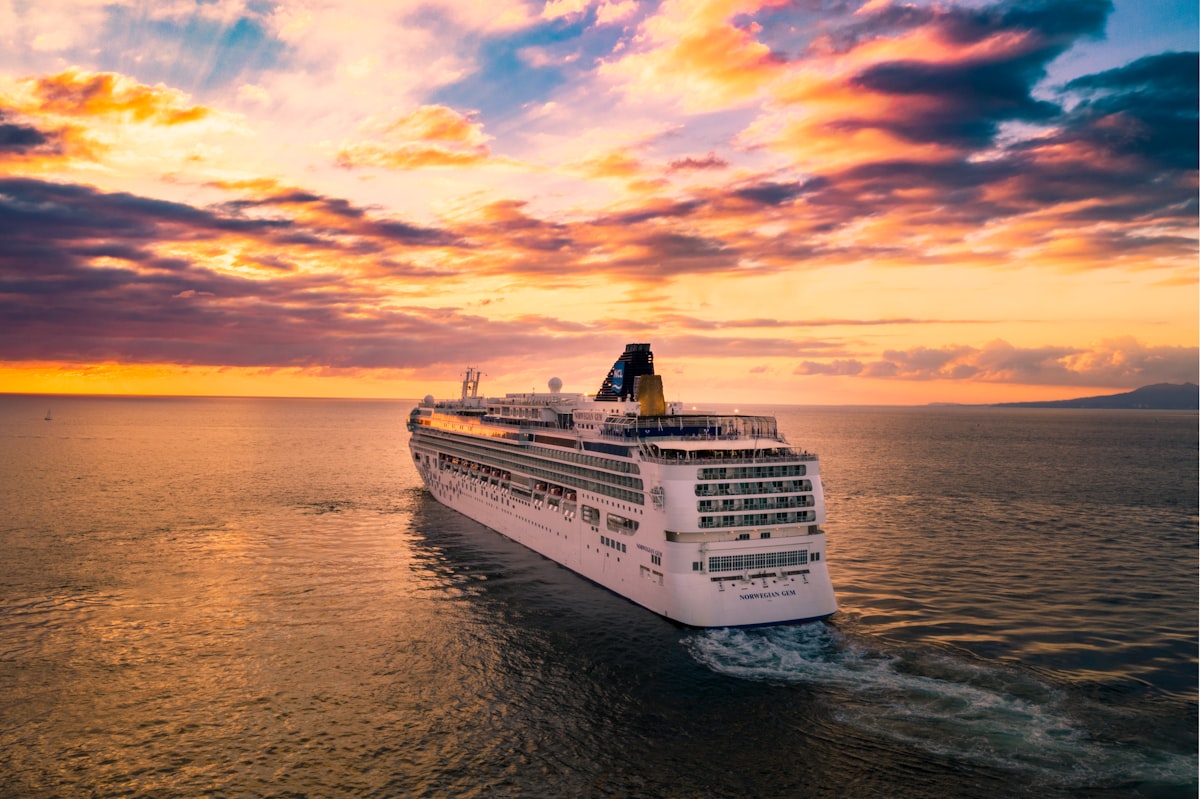
Infection risk on cruise ships is not some abstract statistic. It killed three people on the MV Hondius this year. Their Atlantic expedition, a voyage that promised adventure and escape, turned into a nightmare within weeks. Hantavirus swept through the vessel. More passengers fell ill. The ship became something no brochure ever shows you.
Nobody's forgotten the Diamond Princess. But at the same time, another cruise ship is under investigation for a norovirus outbreak, and flu, E coli, and varicella, the virus behind chickenpox, have all caused problems on these vessels. In 2020, that ship sat quarantined off the coast of Japan while Covid tore through its population, and more than 700 of the 3,711 people onboard tested positive.
So here is the real question. Is this just bad luck? Or is there something about cruise ships that makes infection risk on cruise ships a baked-in feature, not a bug you can patch?
Your Ship Is a Floating Mixing Chamber
Let me put it bluntly. A cruise ship is engineered for close contact. Thousands of people from different countries, with different vaccination histories and different levels of immunity, all packed into a confined space. The ship moves. It stops at ports. People get on. People get off. Every port is a new roll of the dice.
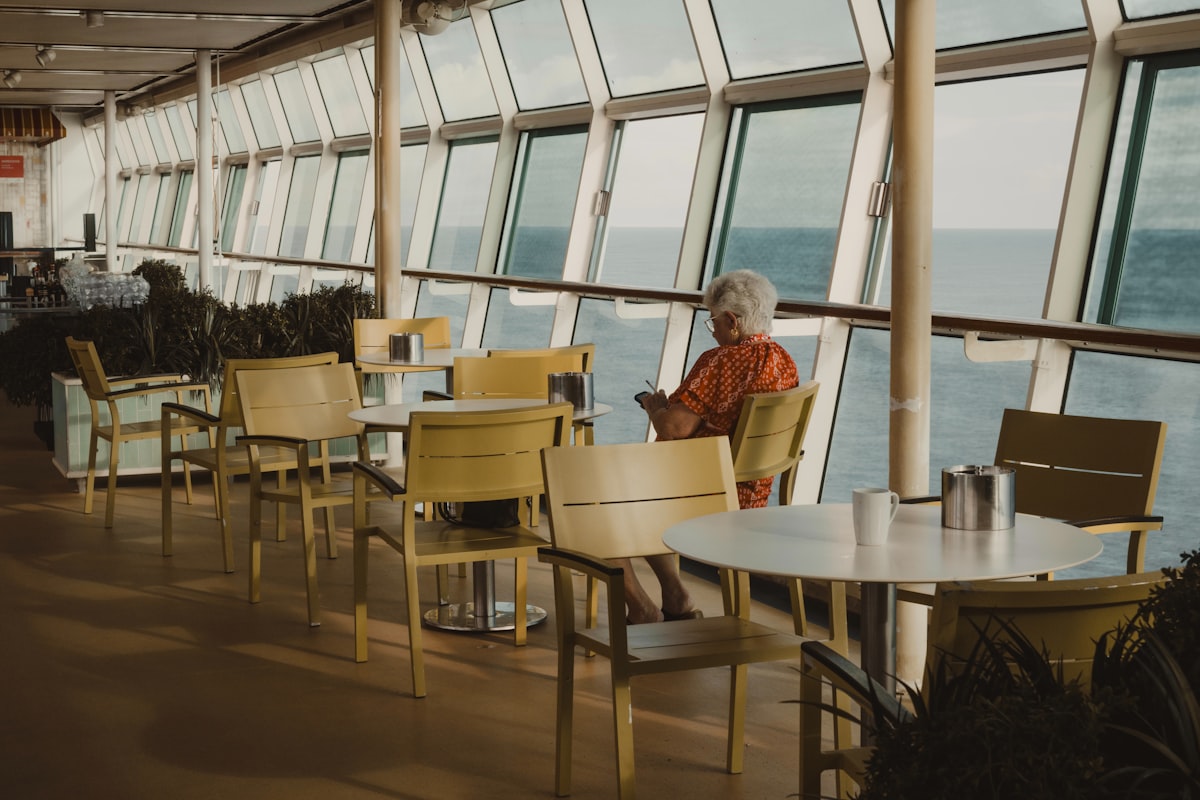
It's not just a hallway. Dr Charlotte Hammer, an infectious diseases epidemiologist at the University of Cambridge, puts it this way: the movement of the ship means passengers encounter pathogens they'd never meet in their daily lives, and you're not just sharing a hallway with strangers but also their microbes, their respiratory droplets, and whatever they picked up at the last port.
Add one more uncomfortable fact. A substantial proportion of passengers tend to be older adults. They are more susceptible to certain diseases. The scene is set. The stage is lit. Now all it takes is one infected person boarding the ship.
David Heymann, a professor of infectious disease epidemiology at the London School of Hygiene and Tropical Medicine, explains it simply. Outbreaks depend on who comes onboard and what pathogen they carry. That is the starting gun.
The Air Problem
Ships have tried to improve ventilation. Better air quality matters. But there are hard physical limits. Hammer does not sugar-coat it.
You're not going to have high ceilings on a boat. You are not going to have the airflow of two open windows, just because most cabins do not have windows.
That is not a design flaw you can retrofit. That is the sheer engineering of a ship. You only have so much space. You only have so much airflow. Respiratory diseases like Covid and flu exploit this reality ruthlessly. Tiny aerosol particles linger. Droplets land on surfaces. People breathe them in.
The Buffet You Cannot Avoid
Food is another transmission highway. E coli and norovirus often spread through contaminated food.
Dr Vikram Niranjan, an assistant professor in public health at the University of Limerick, points to another weak spot. Buffets. Everyone shares the same serving utensils. Everyone touches the same surfaces. And there are plenty of other high-touch surfaces across the ship. Railings. Elevator buttons. Door handles.
Ships aren't dirty, they are just efficient mixing chambers.
That line from Niranjan sticks with you. Efficient mixing chambers. It is the perfect phrase for what these vessels really are.
Water, the Hidden Carrier
Then there's the water system. Cruise ships have experienced outbreaks of Legionnaires' disease, a lung infection from inhaling water droplets with legionella bacteria, and Heymann says it's extremely difficult to deal with. You have to prove the organism is in the water first, but the ship may not even have the means to do that testing onboard. So you're flying blind while people get sick.
When the Outbreak Overwhelms the Doctor
Once an outbreak begins, the challenges stack up fast. Diagnosis is the first hurdle. Hantavirus is rare. Only one strain is known to pass between people. The medical team onboard, sometimes just a single doctor, may not immediately recognize what they are facing. Heymann notes that a single hantavirus infection looks like any other viral infection. You only start to suspect when many people have it. By then, the damage is done.
Testing is limited. Hammer reminds us that ships do not carry full laboratories or hospital-grade equipment. You cannot run complex diagnostics at sea. Medical space is finite. Medical professionals are few. Niranjan says these ships are simply not prepared for mass outbreaks. Isolation rooms exist. Ventilators exist. But at a scale to handle dozens of sick passengers? No.
Niranjan suggests a practical solution. He's proposing collapsible isolation cabins that could deploy during emergencies. But Heymann's alternative involves better training for doctors on larger cruise ships and giving those doctors more skills in epidemiology and outbreak management so they can minimize transmission when the inevitable happens.
What You Can Actually Control
Infection risk on cruise ships is never going to hit zero. Hammer delivers the honest verdict. Many of the risk factors are not easy to change. More than that, if you changed them, the cruise ship would stop being a cruise ship.
You can make it not move any more, but that sort of defeats the point.
That is the contradiction central to this entire conversation. You can reduce some risks. You cannot eliminate them without destroying the very thing people are paying for.
But you are not powerless. The US Centers for Disease Control and Prevention has issued clear guidance. Here is what it says.
- Do not board if you are unwell. Seriously. Just do not.
- Wash your hands regularly while onboard. Soap and water. No shortcuts.
- Get vaccinated against routine diseases before you travel.
- Get destination-specific vaccines or medications if required.
- Notify the ship's medical centre immediately if you get sick.
- Have travel insurance. Do not skip this one.
Niranjan adds one more practical tip. Pack face masks. They weigh nothing. They take no space. And they might matter more than you think.
The Guardian reported these expert assessments after the Hondius tragedy and the ongoing investigation into the norovirus outbreak. The facts are laid bare. Cruise ships are extraordinary machines of leisure. They are also extraordinary machines of transmission. You can enjoy the voyage. You can also prepare for the reality. Those two things are not mutually exclusive. But pretending the risk does not exist? That is the only truly dangerous choice.
Frequently Asked Questions
What caused the deaths on the MV Hondius?
Hantavirus swept through the vessel, killing three people. The article reports that the Atlantic expedition turned into a nightmare when hantavirus infected passengers and crew.
Why are cruise ships described as 'efficient mixing chambers' for infections?
Because thousands of people from different countries with varying immunity levels are packed into a confined space, sharing hallways, microbes, and respiratory droplets. The ship moves between ports, introducing new pathogens, and features like buffets and high-touch surfaces facilitate transmission.
How does the article describe the limitations of ship ventilation in preventing respiratory infections?
Ships have hard physical limits such as low ceilings and a lack of open windows in most cabins, which restrict airflow. Respiratory diseases like COVID and flu exploit this reality, as aerosol particles linger and droplets land on surfaces.
When should passengers notify the ship's medical centre according to CDC guidance in the article?
Passengers should notify the ship's medical centre immediately if they get sick while onboard. This is part of the CDC's clear guidance listed in the article, which also advises not boarding if unwell and washing hands regularly.
Who proposed the idea of collapsible isolation cabins for cruise ships, and what alternative did another expert suggest?
Dr. Vikram Niranjan proposed collapsible isolation cabins that could deploy during emergencies. Professor David Heymann suggested better training for doctors on larger cruise ships in epidemiology and outbreak management.
Nadia Petrov covers science and research across disciplines, from the laboratory to the field. She enjoys making discovery accessible and showing why new findings matter.
💬 Comments (0)
No comments yet. Be the first!