Blastoid IVF Startups Reshape the Pregnancy Market
Blastoid IVF is moving from lab to market as startups Simbryo and dawn-bio develop tests and optimized media to cut IVF failure rates.

It's commercial now. It's pulling a profound rethinking of the pregnancy market. Blastoids, first crafted at multiple labs including Nicolas Rivron's at the Institute of Molecular Biotechnology in Vienna in 2021, now power start ups aiming to slash the stubborn failure rates defining IVF for decades. That's not a distant promise. And two companies, Simbryo Technologies in Texas and dawn-bio in Austria, are converting basic research on these embryo models into products that could change how clinics handle the most opaque moment in pregnancy, implantation.
Why IVF Still Fails
It's a black box. After fertilisation the embryo must burrow into the uterine lining, but only about a third do so successfully, and for those undergoing IVF, 60 per cent of embryo transfers fail. Researchers have long known the statistics, yet the mechanisms behind that failure were invisible and locked inside the body. No direct observation was possible. Animal models and static tissue samples from hysterectomies or miscarriages offered snapshots, not live action. But the blastoid was a strategic turning point. As Peter Rugg-Gunn, a developmental biologist at the University of Cambridge, explained, blastoids let scientists recreate early pregnancy in a dish and then “poke it, perturb it and see how the system copes.” For drug discovery and diagnostics, that's the equivalent of being handed a functional test environment after decades of reading a manual in the dark.
A Dish Becomes a Test Bed
It's not just the models. But the scientific foundation for blastoid IVF depends on pairing blastoids with three-dimensional endometrium mimics built from donor tissue, and in two studies this year researchers watched implantation unfold outside the uterus. Rugg-Gunn's team constructed an artificial endometrium from healthy biopsy samples, and they saw over 80 percent of blastoids implant within three days. Jun Wu at the University of Texas Southwestern Medical Center created endometrioids, postage stamp-sized chips with a bioengineered lining. When blastoids were added, implantation rates dropped to just 20 percent when the tissue came from women with repeated failed IVF. That's a screenable defect. Wu's group subsequently tested over 1,000 FDA-approved drugs and found several that boosted implantation by up to 60 percent, though it's only for some samples. So the search for a broadly effective compound is now underway.
Two Startups, Two Strategic Bets
The blastoid IVF innovation's split. It has two entrepreneurial routes. Simbryo Technologies builds a diagnostic layer, growing endometrium models from a client's own tissue and using blastoids to test whether an embryo can embed, predicting the odds of a successful next transfer. Aryeh Warmflash, bioscientist at Rice University and chief science officer at Simbryo, put it bluntly: “When things go wrong, we know the problem is on the endometrial side, not the embryo side.” So that distinction matters because it redirects patients and clinicians away from repeated, costly transfers that are unlikely to work.
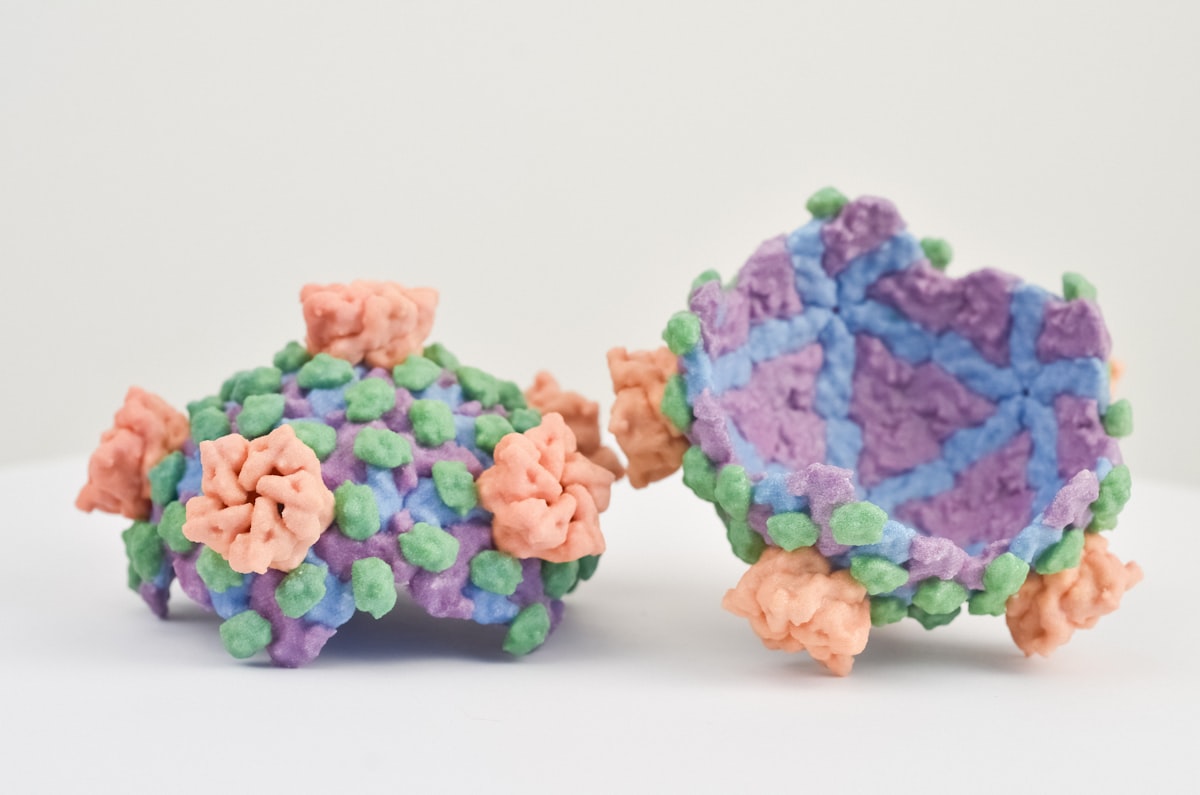
Dawn-bio targets the embryo itself. Peter Greiner, chief executive and a biochemist of dawn-bio, which was co-founded by Rivron, notes that only 20% of fertilised eggs develop sufficiently in time for transfer because the culture media has barely changed since the first IVF baby, and he says, 'We're not giving the embryos what they need.' The company screened 150 human metabolites on blastoids and donated embryos, identifying seven that improved embryo quality by day five. But Greiner calls the blastoid 'a tectonic shift possible for the field of IVF' and frames dawn-bio's ambition as systemic: 'We are aiming for a 100 per cent own healthy baby rate.
“Blastoids made a tectonic shift possible for the field of IVF” , Peter Greiner, dawn-bio
The Weight of the Patient Experience
A UK round costs £8,000. Christina Fadler, founder of the Austrian fertility advocacy group Die Fruchtbar, described the emotional strain of repeated negative tests as a depression that deepened with each cycle. In the US it's $30,000. But Fadler acknowledged many would find diagnostic tests valuable but cautioned against profiteering on infertility, adding everything that's researched and every bit of additional knowledge generated is important and beneficial for patients in the long run. Against these technical strides sits a human burden that gives blastoid IVF its commercial urgency, so the tension between cost, access, and genuine advancement will define how they're received in health systems and insurance markets.
The Horizon Beyond Implantation
Looking further out, the same embryo model technology is pushing into ethically restless territory. Jacob Hanna at the Weizmann Institute of Science has grown stem cell-based models to the equivalent of 21 days post-fertilisation, and through his company Renewal Bio envisions growing them to 70 days to harvest eggs for IVF, potentially giving those without viable eggs a new source. That ambition is contentious. Rivron himself argued it is unacceptable to generate near-complete structures to use a small part of them and discard the rest. Regulatory frameworks are uneven: the UK and Australia cap human embryo research at 14 days, while Germany and Austria ban it entirely, yet blastoid models often fall outside those rules. Emma Cave, chair of the Nuffield Council on Bioethics review of embryo models, said that if later-stage models start to resemble human embryos, questions of sentience and pain will become inescapable. No one knows yet where the consensus will settle.
It's only the beginning. Heidar Heidari Khoei's "pause button" in human blastoids is capable of slowing development and restarting it. Anna Osnato's gene-editing work pinpoints the genetic drivers of implantation. These discoveries suggest blastoid IVF is only at the start of its functional utility. But Rugg-Gunn believes that studying implantation will eventually yield biomarkers for pre-eclampsia and other complications, moving blastoid IVF from a fertility tool to a platform for maternal health. So the market is reshaping not because one company has a product but because the basic science has made the embryo a system that can be tuned, tested, and eventually treated like any other clinical variable.
Eva Koch writes about scientific research and the people behind it, covering the studies and breakthroughs shaping our understanding of the world. She values curiosity and careful evidence in equal measure.
💬 Comments (0)
No comments yet. Be the first!