West Nile virus Maricopa County: Act Now To Stay Safe
Four people have died from West Nile virus in Maricopa County. This is the worst early season in over two decades. Here's your urgent guide.

West Nile virus Maricopa County cases are rising
Four people are dead. West Nile virus is spreading fast, and Maricopa County health officials are tracking a surge in infections that has already claimed those four lives this year. So as you prepare for outdoor holiday events, the reality is that the Phoenix metro area currently serves as the epicenter for the most active transmission zone in the United States. It's a serious risk.
The situation demands your immediate attention. But as of July 1, 2026, there are 29 confirmed human cases and four deaths, and this number accounts for the majority of Arizona's 32 total statewide infections. So if you're spending time outdoors this evening, you need to be proactive about your safety.
Understanding your local risk
The virus spreads through Culex mosquitoes. They're most aggressive at dusk and dawn,but this year the outbreak is geographically concentrated in the Phoenix metro area, and that happens to be exactly when many residents will gather for fireworks displays and outdoor celebrations. So it's a dangerous overlap. Unlike some seasons where cases are scattered, this one is tight and concentrated.
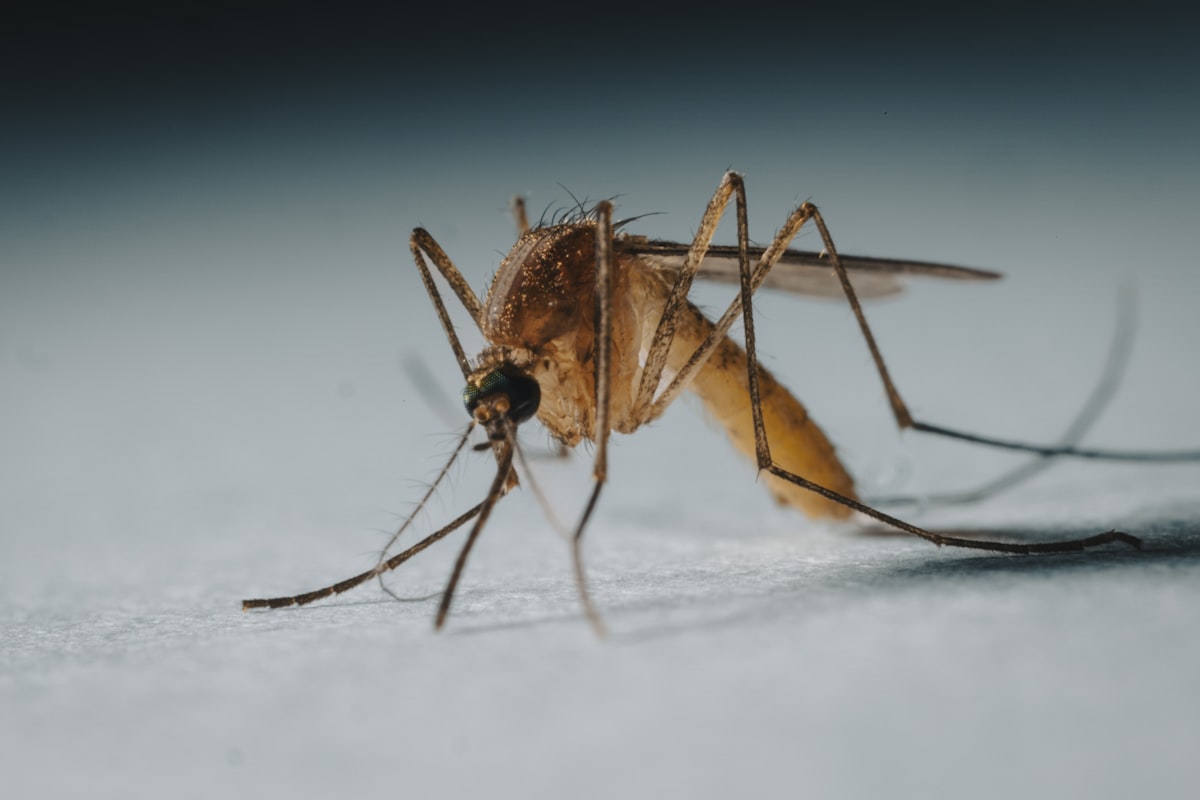
This desert-urban landscape uses retention basins and irrigation systems, creating a perfect habitat for these mosquitoes. But the risk isn't going away. With the arrival of monsoon season and the presence of standing water, the total number of infections is likely higher than the official count, as many people with mild symptoms never seek testing. It's a persistent threat.
What the data shows
The current season is tracking significantly higher than historical norms. Consider these key facts regarding the current situation:
- There are 29 confirmed human cases in Maricopa County.
- Four deaths have occurred, all within the county.
- The U.S. has recorded 48 confirmed cases across 23 states.
- The source states that 38 of 48 national cases are classified as neuroinvasive disease.
- The 2026 case count is nearly five times the historical average for this time of year.
Taking personal responsibility
There's no vaccine and no specific antiviral treatment. So your only reliable defense against infection is prevention, and the advice from health authorities is straightforward and should be followed before you step out the door tonight. Don't ignore it.
I would be taking mosquito bite prevention seriously.
That is the direct advice from Dr. Daniel Pastula, chief of neuro-infectious diseases at the University of Colorado School of Public Health, for anyone currently in the Phoenix area.
Simple steps to stay safe
You can significantly reduce your risk by making a few changes to your routine before heading to your July 4 gatherings. Don't skip the repellent. First, apply an EPA-registered insect repellent containing DEET, picaridin, or IR3535, and cover all exposed skin, but don't forget to reapply according to the product label if you remain outside for more than two hours.
Clothing matters as much as repellent. Wear long sleeves and pants in loose, light-colored fabrics to minimize the skin available for mosquitoes to target, but you can't just spray the kids and hope it sticks. So if you're a parent, make sure to apply the repellent for your children rather than letting them handle it themselves.
Protecting your home environment
The battle against the virus starts in your own backyard. So don't overlook those tiny puddles, because Culex mosquitoes can breed in incredibly small amounts of water that you might not even notice. Inspect your property. Look for any containers that hold water, including flowerpot saucers, discarded buckets, or clogged rain gutters.
Even an overturned bottle cap can hold enough water for mosquitoes to breed. So refresh the water in bird baths frequently, and make sure your window and door screens are in good repair because these mosquitoes are small enough to enter homes through tiny gaps. Keep them outside.
Watch for these symptoms
Most people infected never show symptoms. But about 20 percent develop a flu-like illness, so if you feel feverish, experience muscle aches, or develop a rash within two weeks of outdoor exposure, take note. Seek immediate medical evaluation if you experience a high fever paired with a severe headache, stiff neck, or confusion.
There's no antiviral treatment. So medical care focuses on supportive measures like pain management and hydration. But people with underlying health conditions,such as diabetes or a weakened immune system,and those over the age of 60, face a higher risk of developing the more severe neuroinvasive form of the disease.
Stay informed and stay covered. By taking these precautions tonight, you can enjoy the holiday without compromising your health.
Frequently Asked Questions
What is the current status of West Nile virus in Maricopa County?
As of July 1, 2026, there are 29 confirmed human cases and four deaths in Maricopa County, making it the epicenter of the most active transmission zone in the U.S. The case count is nearly five times the historical average for this time of year.
Why is the Phoenix metro area particularly vulnerable to West Nile virus?
The desert-urban landscape uses retention basins and irrigation systems, creating a perfect habitat for Culex mosquitoes. Additionally, the arrival of monsoon season and presence of standing water contribute to the concentrated outbreak in the area.
How can residents protect themselves from mosquito bites according to the article?
Apply an EPA-registered insect repellent containing DEET, picaridin, or IR3535, and reapply after two hours. Wear long sleeves and pants in loose, light-colored fabrics, and ensure children have repellent applied by an adult.
When are Culex mosquitoes most aggressive, and why is this dangerous for holiday events?
Culex mosquitoes are most aggressive at dusk and dawn, which coincides with when many residents gather for fireworks displays and outdoor celebrations. This creates a dangerous overlap between peak mosquito activity and holiday festivities.
Who is at higher risk for severe neuroinvasive disease from West Nile virus?
People with underlying health conditions such as diabetes or a weakened immune system, and those over the age of 60, face a higher risk of developing the more severe neuroinvasive form of the disease.

Sarah Jenkins covers health and medicine, translating new research into clear, practical reporting. She focuses on the science behind everyday wellbeing and the developments changing modern care.
💬 Comments (0)
No comments yet. Be the first!