Understanding the Real Cause of lacunar ischemic stroke
Scientists have uncovered evidence that challenges decades of assumptions about lacunar ischemic stroke, suggesting artery widening is the real cause, not fatty plaque. This shift guides new treatment strategies.
Understanding the Real Cause of lacunar ischemic stroke
Lacunar ischemic stroke is a common and often disabling form of brain injury, but new evidence uncovered by scientists now challenges the traditional view that fatty plaque accumulation in larger arteries is the primary driver of this condition. It's a big shift. So researchers suggest the biggest factor is actually the brain's intricate network of blood vessels and the enlargement and widening of its smaller arteries. That changes everything.
This evolving understanding holds profound implications for how medical professionals diagnose, prevent, and treat this particular type of stroke. For decades, the focus has largely been on addressing atherosclerosis, the hardening and narrowing of arteries due to fatty deposits. But that approach hasn't worked well for everyone. Yet, for many patients, standard preventive treatments based on this premise have yielded only limited success, and the recent findings offer a compelling explanation for these prior shortcomings by pointing toward a need for a fundamental shift in clinical strategy.
A Paradigm Shift in Stroke Etiology
The research came from a major collaborative effort. Scientists at the University of Edinburgh, the UK Dementia Research Institute, and a network of international partners all worked together to understand this prevalent stroke type. But they didn't just guess. To do it, they studied 229 individuals,each had recently suffered a lacunar stroke or a mild non-lacunar stroke, which gave them a critical group for their investigation.
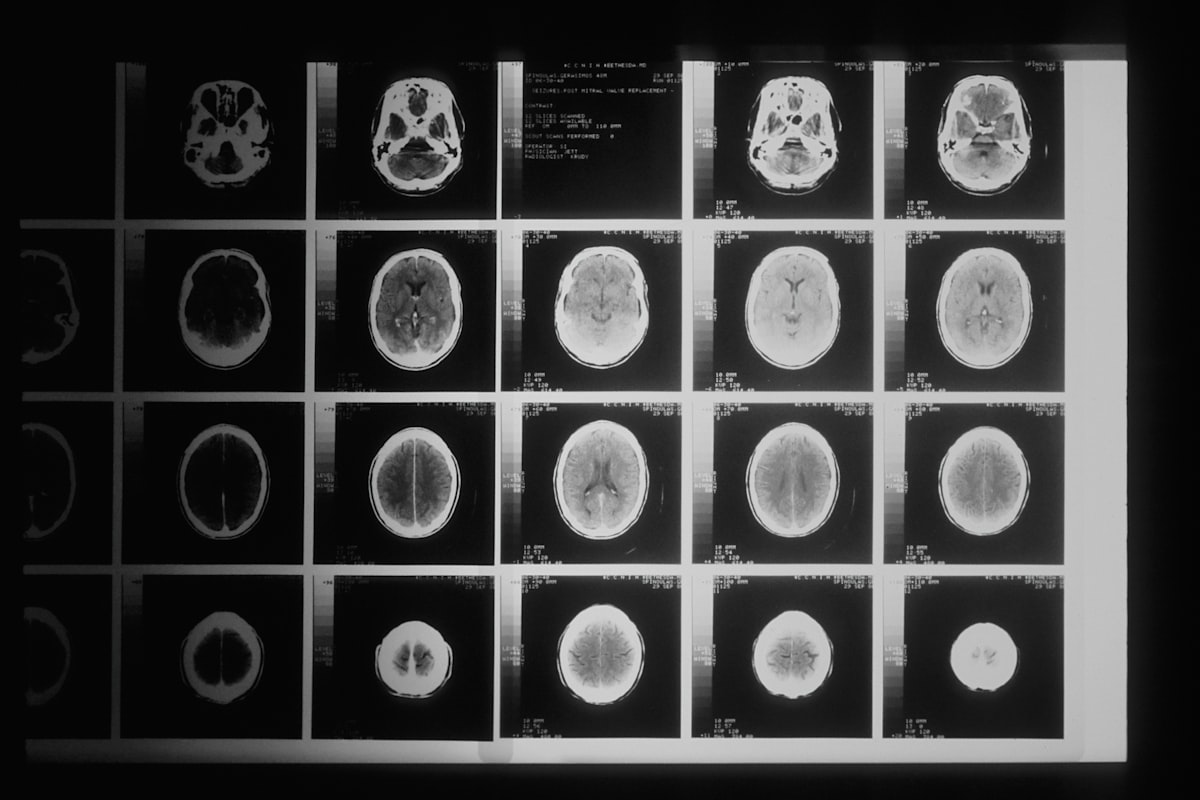
Each participant underwent a full set of clinical and cognitive tests. They also had advanced MRI brain scans shortly after their first stroke. A year later, follow-up scans were conducted. These detailed imaging sessions let scientists classify stroke types, monitor subtle signs of small vessel disease, and identify any new areas of brain injury that might have developed between scans. But the investigative approach compared two distinct vascular changes: the well-understood fatty narrowing within larger arteries, and the less explored widening and elongation in smaller arteries deep inside the brain. It's a careful process.
Small Vessel Disease: The Overlooked Threat
Lacunar stroke damages the brain's tiniest blood vessels. It's a condition broadly categorized as small vessel disease. But this stroke isn't just an isolated event, and it contributes significantly to global disability while linking to a cascade of severe long-term health problems like cognitive decline, developing dementia, and suffering future strokes.
The analysis yielded a striking contrast. The team observed no association between the narrowing of large arteries and the occurrence of lacunar stroke or with small vessel disease progression. But fatty artery narrowing was more common in other types of stroke. However, it did not predict new brain damage in the follow-up scans, and this finding directly challenges conventional wisdom while highlighting the inadequacy of a one-size-fits-all approach to stroke prevention.
Uncovering the Arterial Culprit
The study revealed a stark link. Patients with enlarged arteries were more than four times more likely to have experienced lacunar ischemic stroke, and researchers connected this artery widening to more severe signs of small vessel disease. It also sped up brain damage. But there's more: artery widening raised the chance of developing new 'silent' strokes.
- Silent strokes are small areas of brain tissue damage caused by interrupted blood supply, often occurring without obvious symptoms.
- More than one in four participants in the study developed these silent strokes over the course of the research.
- Critically, these new areas of brain injury emerged even though participants were already receiving standard treatments intended to prevent additional strokes, further emphasizing the limitations of existing therapies for lacunar ischemic stroke.
Rethinking Prevention: A Call for New Approaches
These revelations explain a lot. Commonly prescribed stroke prevention medications like aspirin and other antiplatelet drugs haven't been very effective at stopping lacunar ischemic stroke, and that's been puzzling for doctors. But if the real problem is underlying damage and widening of the brain's small vessels, then those conventional treatments might just be targeting the wrong issue entirely.
This study offers strong evidence. Lacunar stroke isn't caused by fatty blockage of larger arteries, but instead by disease of the small vessels within the brain itself. And recognizing this difference matters. It explains why conventional treatments like antiplatelet drugs are less effective for this stroke type, so we need new therapies that target the underlying microvascular damage.
, Professor Joanna Wardlaw, University of Edinburgh's Institute for Neuroscience and Cardiovascular Disease
Professor Wardlaw’s insights underscore the urgent need for a strategic redirection in stroke research and treatment. But we can’t keep ignoring the brain’s delicate microvascular architecture. So the focus must now shift toward therapies that directly address these tiny vessels rather than continuing to primarily target the macrovasculature, which is the larger network we’ve studied for decades. It’s time for a change.
Targeting Microvascular Damage
This fresh perspective is already informing the next generation of therapeutic strategies. But the real hope lies in prevention. One notable effort is the LACunar Intervention Trial 3 (LACI-3), which is actively evaluating pharmaceutical agents specifically designed to safeguard and support the brain's smallest blood vessels. Researchers are now testing existing medications, including cilostazol and isosorbide mononitrate, to determine their potential in protecting the brain, reducing the likelihood of subsequent strokes, and mitigating long-term issues such as memory impairment, mobility challenges, and the onset of dementia following a lacunar ischemic stroke event. The hope is that by targeting the true root cause, medical professionals can finally offer more effective and tailored interventions for this debilitating condition, fundamentally improving patient outcomes and quality of life.
Frequently Asked Questions
What is the real cause of lacunar ischemic stroke according to new research?
New evidence challenges the traditional view that fatty plaque accumulation in larger arteries is the primary driver. Instead, researchers suggest the biggest factor is the enlargement and widening of the brain's smaller arteries, indicating disease of the small vessels within the brain itself.
How did the study investigate the cause of lacunar stroke?
The research team studied 229 individuals who had recently suffered a lacunar stroke or a mild non-lacunar stroke. They performed advanced MRI brain scans shortly after the first stroke and follow-up scans a year later to classify stroke types and monitor signs of small vessel disease.
Why have standard preventive treatments like aspirin been less effective for lacunar ischemic stroke?
The study found that lacunar stroke is caused by disease of the brain's small vessels, not fatty blockage of larger arteries. Therefore, conventional treatments targeting atherosclerosis, such as antiplatelet drugs, may be addressing the wrong issue entirely.
What is the LACunar Intervention Trial 3 (LACI-3) testing?
LACI-3 is actively evaluating pharmaceutical agents designed to safeguard and support the brain's smallest blood vessels. Researchers are testing existing medications, including cilostazol and isosorbide mononitrate, to determine their potential in protecting the brain and reducing subsequent strokes.
Who led the research and what did Professor Joanna Wardlaw emphasize?
The research was led by scientists at the University of Edinburgh and the UK Dementia Research Institute, with international partners. Professor Joanna Wardlaw emphasized the urgent need for a strategic redirection in stroke research toward therapies that directly address the brain's delicate microvascular architecture.

Hanna Schmidt writes about health, nutrition and wellbeing, separating evidence from the noise. She covers how lifestyle and science come together to shape long-term health.
💬 Comments (0)
No comments yet. Be the first!