How Gestational Chemical Exposure Affects Birth Risks
A major study reveals pregnant women are exposed to an average of 45 chemicals, with gestational chemical exposure linked to earlier births and lower birth weight, prompting calls for policy changes.
Gestational chemical exposure is a widespread and concerning reality for pregnant women. But a major new investigation now identifies dozens of common substances linked to substantial birth risks. This research shows that expecting mothers regularly encounter everyday chemicals, many of which can affect how early a baby is born and its birth weight, and these factors are known to affect a child's health beyond infancy, potentially shaping well-being for years to come. It's a sobering finding.
Uncovering Everyday Chemical Encounters
Here's the stark picture. While it stands as one of the most thorough investigations ever conducted into chemical exposure during pregnancy, researchers at the UNC Gillings School of Global Public Health, Stanford University School of Medicine, and the Woods Institute for the Environment meticulously examined the prevalence of these substances. It's a grim portrait of environmental interaction.
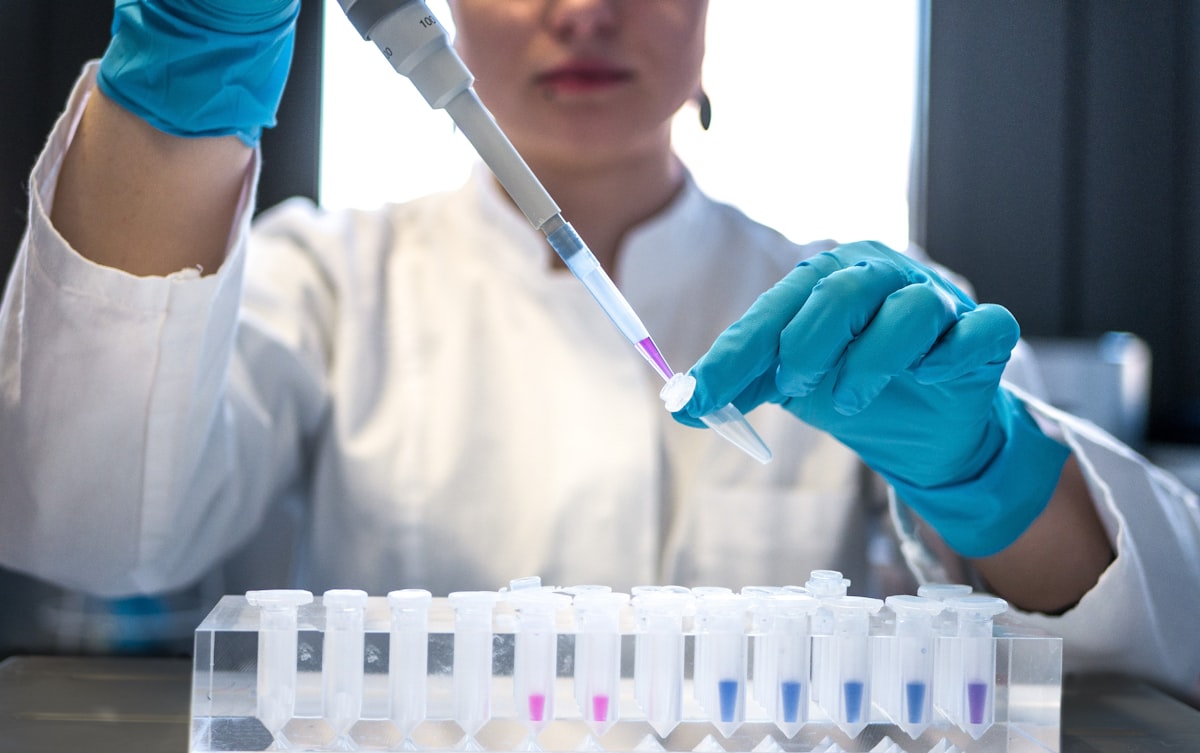
Investigators analyzed data from more than 5,000 mothers and their children, encompassing births between the years 2000 and 2021. The team focused on maternal urine samples, testing for 113 chemicals commonly found within homes, as well as in air, food, and water sources. A striking discovery emerged. But participants were exposed to an average of 45 different chemicals. In some individual cases, a single sample contained as many as 64 distinct compounds.
The identified substances fell into several key categories, including:
- Phthalates
- Replacement plasticizers
- Polycyclic aromatic hydrocarbons (PAHs)
- Halogenated phenols
These chemicals come from surprising sources. They lurk in the food we eat, the water we drink, and even the air we breathe, making their way into everything from personal care products and fragrances to countless household items we use every single day. So it's tough to avoid them. Their inclusion in products isn't always obvious to consumers.
Real Consequences for Newborns
The research team didn't just detect these chemicals. They explored how exposures correlated with variations in gestational age and birth weight, and the findings paint a clear, worrying picture regarding the potential impact on newborns. But it's a concerning snapshot.
The findings are stark. A consistent association emerged between several phthalates and alternative plasticizers and shorter pregnancies, while a broader group of chemicals,including phthalates, replacement plasticizers, and PAHs,were directly linked to lower birth weights. But the concern doesn't stop there. Even some lesser-studied compounds, such as halogenated phenols, also showed connections to reduced birth weight, broadening the scope of concern for expectant mothers and their babies.
These outcomes aren't trivial. Even small changes in birth weight or gestational age can affect a child's health trajectory, and such effects can ripple through development, influencing vulnerabilities and well-being long after the earliest stages of life.
The Persistent Challenge of Phthalates
Phthalates, a class of chemicals frequently encountered during gestational chemical exposure, have been a focus of regulatory attention for some time. They're in baby products. These substances, along with their replacement plasticizers, are often found in items designed for children, and toys, diaper creams, shampoos, and other consumer goods have historically contained them. But we've known this for years.
In 2017, the U.S. Consumer Product Safety Commission banned or heavily restricted eight commonly used phthalates in children's toys and products. This decision was a direct response to the known harmful health effects associated with exposure to these chemicals. However, a critical gap remained: these restrictions did not extend to many other products that pregnant individuals might use or encounter regularly. The new investigation confirmed the continued presence of several phthalates in participants' samples, including compounds brought in as replacements for those previously restricted.
The Alarming Truth About Replacements
A particularly concerning discovery within the investigation relates to the effectiveness and safety of newer chemicals introduced as substitutes for more widely recognized toxic substances like phthalates. But they're not safe. Manufacturers have increasingly used these alternative plasticizers in an effort to mitigate known risks, yet the research found that these replacement chemicals appeared to have health effects similar to the ones they were meant to replace.
This suggests that simply swapping out one chemical for another, without rigorous prior testing, may not offer the intended protection. But it's not just that. It raises serious questions about the "safer" status of these alternatives and highlights a potential blind spot that we've overlooked in current chemical safety protocols, so we can't afford to ignore this any longer.
An Urgent Call for Systemic Change
Gestational chemical exposure is widespread. It's linked to birth risks, and scientists are demanding action now. Jessie Buckley, PhD, a professor of epidemiology at the Gillings School and one of the lead authors on the work, emphasized the pervasive nature of the problem.
"These chemicals are hard to avoid because they're in many products we use every day," Buckley explained. "It can be difficult to know whether products contain them, and even when we do know, we have limited control over exposures. Although there are some practical steps people can take, reducing harmful chemicals at the source is the most effective way to protect children and families."
This sentiment was echoed by senior researcher Tracey Woodruff, PhD, a professor of epidemiology and population health at Stanford, who underscored the necessity of robust policy interventions to safeguard public health.
Our study highlights the need for stronger policies to protect people from toxic chemicals," Woodruff stated. "For example, we found that several newer chemicals used to replace toxic ones are also harmful, which shows why new and replacement chemicals must be properly tested before they are sold. Further, government agencies that evaluate health risks for toxic chemicals like phthalates should incorporate our findings to reduce exposures and ensure healthier pregnancies.
Experts agree: many exposures lie beyond individual control. Pregnant individuals face chemical exposure through multiple avenues, and this reality means that personal avoidance strategies simply can't work on their own. But governments and companies bear a major responsibility here. They must act at a broader level. Better efforts are required to reduce harmful chemicals in everyday products and to ensure that any new chemicals entering the market are genuinely safe. So researchers stress that this proactive approach is the clearest path to healthier children and stronger families. It's simple.
Frequently Asked Questions
What health outcomes are linked to gestational chemical exposure according to the study?
The study found that gestational chemical exposure is associated with variations in gestational age and birth weight, with shorter pregnancies linked to phthalates and alternative plasticizers, and lower birth weights linked to phthalates, replacement plasticizers, and PAHs. Even small changes in these factors can affect a child's health trajectory well beyond infancy.
Why are replacement plasticizers a concern based on the research?
The research found that replacement plasticizers, introduced to replace more widely recognized toxic substances like phthalates, appear to have similar health effects, such as being linked to shorter pregnancies and lower birth weights. This suggests that substituting one chemical for another without rigorous testing may not offer protection and raises questions about the safety of these alternatives.
How many chemicals were participants exposed to on average, and what was the maximum found in a single sample?
Participants were exposed to an average of 45 different chemicals, with some individual samples containing as many as 64 distinct compounds. The study tested for 113 chemicals commonly found in homes, air, food, and water.
When did the U.S. Consumer Product Safety Commission restrict phthalates in children's products, and what gap remained?
In 2017, the U.S. Consumer Product Safety Commission banned or heavily restricted eight commonly used phthalates in children's toys and products. However, these restrictions did not extend to many other products that pregnant individuals might use or encounter regularly, leaving a critical gap in protection.
Who are the lead researchers quoted in the article, and what systemic changes do they advocate?
The lead researchers are Jessie Buckley, PhD, a professor at UNC Gillings School, and Tracey Woodruff, PhD, a professor at Stanford. They advocate for stronger policies to reduce harmful chemicals at the source, proper testing of new and replacement chemicals before sale, and government agencies incorporating findings to ensure healthier pregnancies.

Hanna Schmidt writes about health, nutrition and wellbeing, separating evidence from the noise. She covers how lifestyle and science come together to shape long-term health.
💬 Comments (0)
No comments yet. Be the first!