NB.1.8.1 COVID variant Dominance Signals Evolving Strategy
The NB.1.8.1 COVID variant, 'Nimbus,' now dominates U.S. cases. Its rapid spread signals recurring summer surges and strategic implications for healthcare.
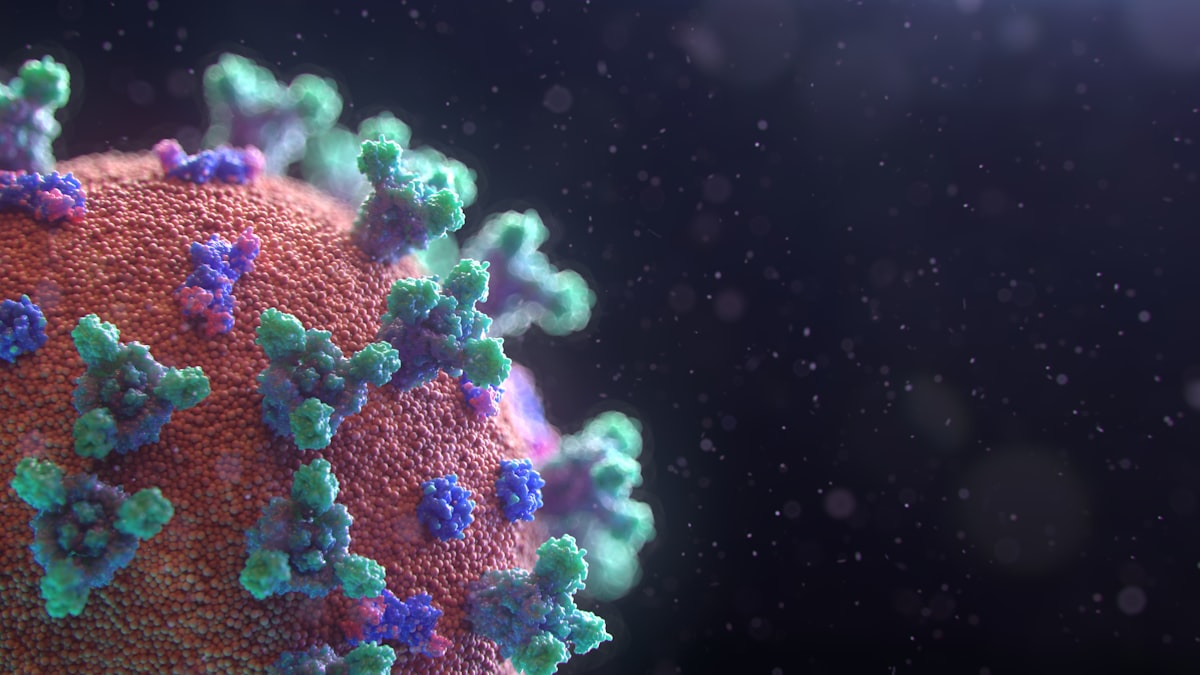
The NB.1.8.1 COVID variant has rapidly emerged as the dominant circulating strain in the United States, representing approximately 43% of cases by late June 2026. This development, following surges in various Asian regions, is not merely a clinical update; it signifies a maturing phase in how healthcare systems, pharmaceutical innovators, and public health bodies must strategically approach the ongoing challenge of respiratory viruses. For investors and administrators, this shift highlights the critical importance of adaptable public health infrastructure and targeted medical interventions, moving beyond crisis management towards sustained vigilance.
Evolving Surveillance and Endemic Strategy
This move sits within a broader pattern of COVID-19 transitioning from a novel pandemic threat to an endemic respiratory virus with predictable seasonal patterns. Three consecutive years of summer surges since 2022 have solidified a recurring cycle: waning immunity from winter infections, coupled with increased indoor gatherings, summer travel, and the emergence of new variants, consistently drives waves of illness. The NB.1.8.1 COVID variant fits squarely into this established dynamic, reinforcing the need for long-term strategic planning rather than reactive measures.
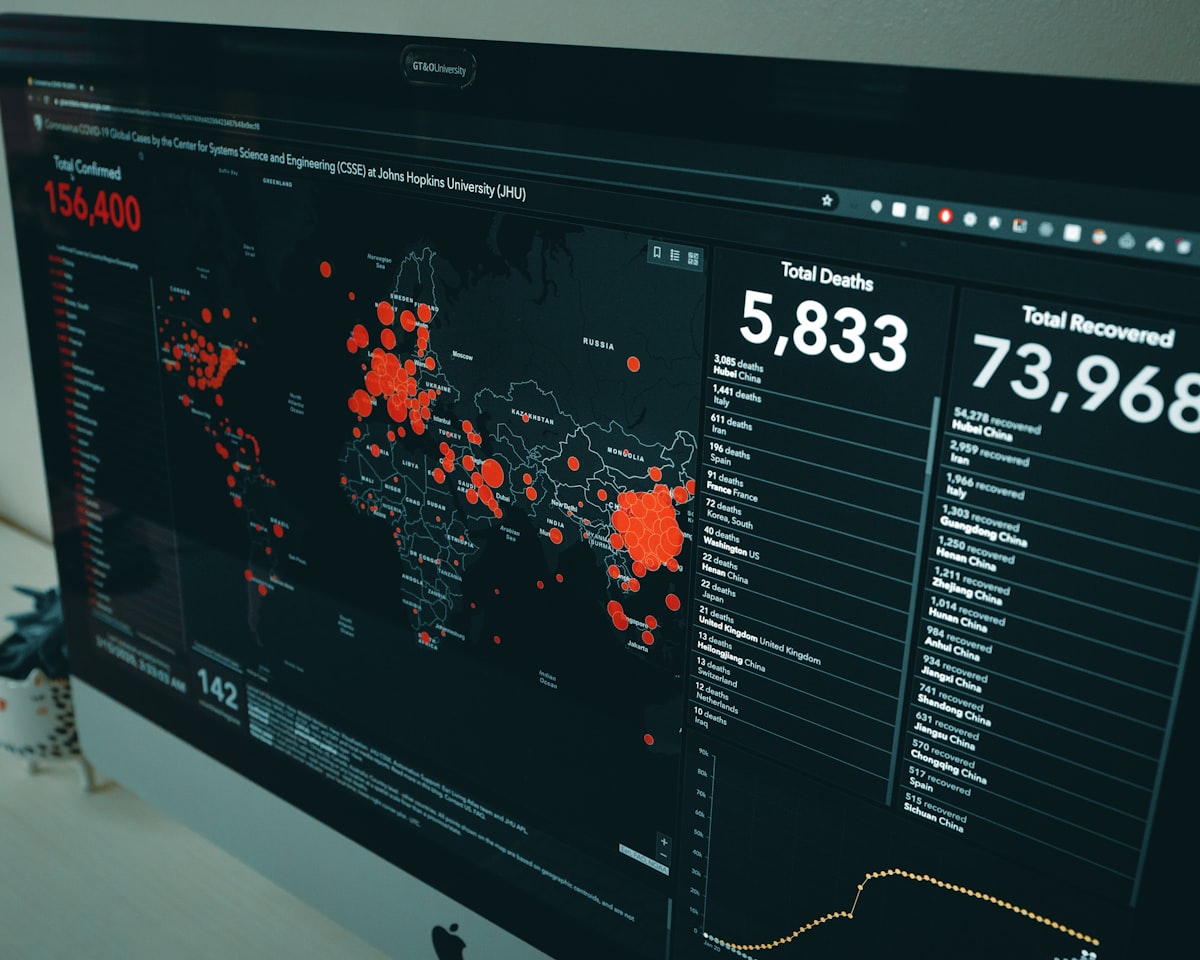
A major strategic pivot observed here is the reliance on wastewater surveillance. With the Centers for Disease Control and Prevention no longer tracking total confirmed U.S. case counts, wastewater data has become the primary window into community-level COVID activity. This shift highlights a strategic investment in infrastructure that can provide early warnings and localize risk, allowing for more granular public health responses. For hospital administrators, this data becomes invaluable for anticipating patient load and resource allocation, especially in the 9 states currently reporting high or very high wastewater viral levels, concentrated in the South and West.
The Competitive Landscape of Viral Evolution
From a competitive standpoint, the emergence of the NB.1.8.1 COVID variant positions pharmaceutical companies and diagnostic developers against not just each other, but the relentless adaptability of the virus itself. The World Health Organization's classification of NB.1.8.1 as a "Variant Under Monitoring," rather than a "Variant of Concern," provides a critical nuance. It suggests that while transmissibility is high and drives surge dynamics, the variant does not appear to cause more severe disease than other recent Omicron sublineages. This distinction is vital for framing public health messaging and for informing vaccine development roadmaps.
The deeper question is positioning within the vaccine market. The continued effectiveness of these existing vaccines against serious illness from NB.1.8.1 is a key consideration. Industry watchers reading this story will recognize the ongoing strategic challenge of anticipating the next dominant strain and developing updated vaccines that remain broadly protective, or rapidly adaptable, for future seasonal cycles. This dynamic places a premium on research and development agility and the ability to scale production quickly.
Balancing Transmissibility and Severity in Public Health Messaging
The expert commentary reinforces this nuanced view. Eduardo Colzani, M.D., M.P.H., Ph.D., ECDC's head of respiratory viruses, noted in a public statement that NB.1.8.1 "doesn't appear to pose a greater threat than other Omicron descendants.This offers meaningful reassurance about clinical severity, which is key for managing public anxiety and keeping focus on vulnerable populations. However, the high transmissibility of the NB.1.8.1 COVID variant, evidenced by approximately 60% weekly growth rates in Singapore, cannot be overlooked. High transmission still translates to a greater number of overall infections, which inevitably increases the burden on healthcare systems, even if individual case severity is lower.
The observation by Andy Pekosz, Ph.D., a professor of molecular microbiology and immunology at the Johns Hopkins Bloomberg School of Public Health, that SARS-CoV-2 adapts better to hot, humid weather than other respiratory viruses, also offers a strategic insight. This environmental adaptation contributes directly to the summer seasonality, indicating that public health campaigns must be tailored to address specific regional and temporal risks, rather than a monolithic national approach.
Market Implications for Pharma and Providers
The dominance of NB.1.8.1 has direct implications for the wider sector. For pharmaceutical companies, the ongoing demand for updated vaccines remains a critical revenue stream.
Hospital administrators must prepare for localized surges, particularly in the South and West, where populations experienced lower COVID transmission last winter and may have less recent immune priming. The focus on high-risk groups remains unchanged, with severe outcomes concentrated in:
- Adults 65 and older
- People with weakened immune systems
- Individuals with uncontrolled chronic conditions
- Pregnant people
- Residents of nursing homes and long-term care facilities
- Unvaccinated adults who have not had a recent COVID infection
This consistent risk profile allows for targeted communication and resource allocation strategies, emphasizing vaccine status review for these groups.
Anticipating the Next Strategic Move
Looking ahead, the strategic focus for public health authorities and industry players alike will be on the continuous monitoring of viral evolution and adaptive vaccine development. The CDC will provide ongoing intelligence on wastewater and variant proportion data.
The evolution of the NB.1.8.1 COVID variant signals a mature phase of pandemic management, characterized by sophisticated surveillance, targeted interventions, and an acceptance of seasonal endemicity. This necessitates a strategic recalibration across the healthcare ecosystem, emphasizing agility, data-driven decision-making, and proactive engagement with at-risk populations.
Frequently Asked Questions
What percentage of COVID-19 cases did the NB.1.8.1 variant represent in the United States by late June 2026?
The NB.1.8.1 COVID variant represented approximately 43% of cases in the United States by late June 2026. This made it the dominant circulating strain at that time.
Why is wastewater surveillance now the primary method for tracking COVID-19 activity in the U.S.?
The Centers for Disease Control and Prevention no longer tracks total confirmed U.S. case counts, making wastewater data the main tool for monitoring community-level COVID activity. This shift allows for early warnings and localized public health responses.
How does the NB.1.8.1 variant's transmissibility compare to its severity according to the World Health Organization?
The World Health Organization classified NB.1.8.1 as a 'Variant Under Monitoring,' indicating high transmissibility but no evidence of causing more severe disease than other Omicron sublineages. The variant's high transmission still leads to more infections, increasing healthcare burden despite lower individual severity.
When does the article suggest COVID-19 surges typically occur, and what factors contribute to this pattern?
The article notes three consecutive years of summer surges since 2022, driven by waning immunity from winter infections, increased indoor gatherings, summer travel, and new variant emergence. The NB.1.8.1 variant fits this established summer surge pattern.
Which groups are identified as having a higher risk of severe outcomes from the NB.1.8.1 variant?
The article specifies that severe outcomes are concentrated in adults 65 and older, people with weakened immune systems, individuals with uncontrolled chronic conditions, pregnant people, residents of nursing homes and long-term care facilities, and unvaccinated adults without a recent COVID infection.

Matteo Ricci reports on medicine and public health, from clinical breakthroughs to the systems that deliver care. He is committed to explaining complex health topics in a way readers can act on.
💬 Comments (0)
No comments yet. Be the first!