Vitamin B12 therapy shows promise for glioblastoma
A study in Oncoscience shows nitrosylcobalamin crosses the blood-brain barrier to target aggressive glioblastoma tumors.
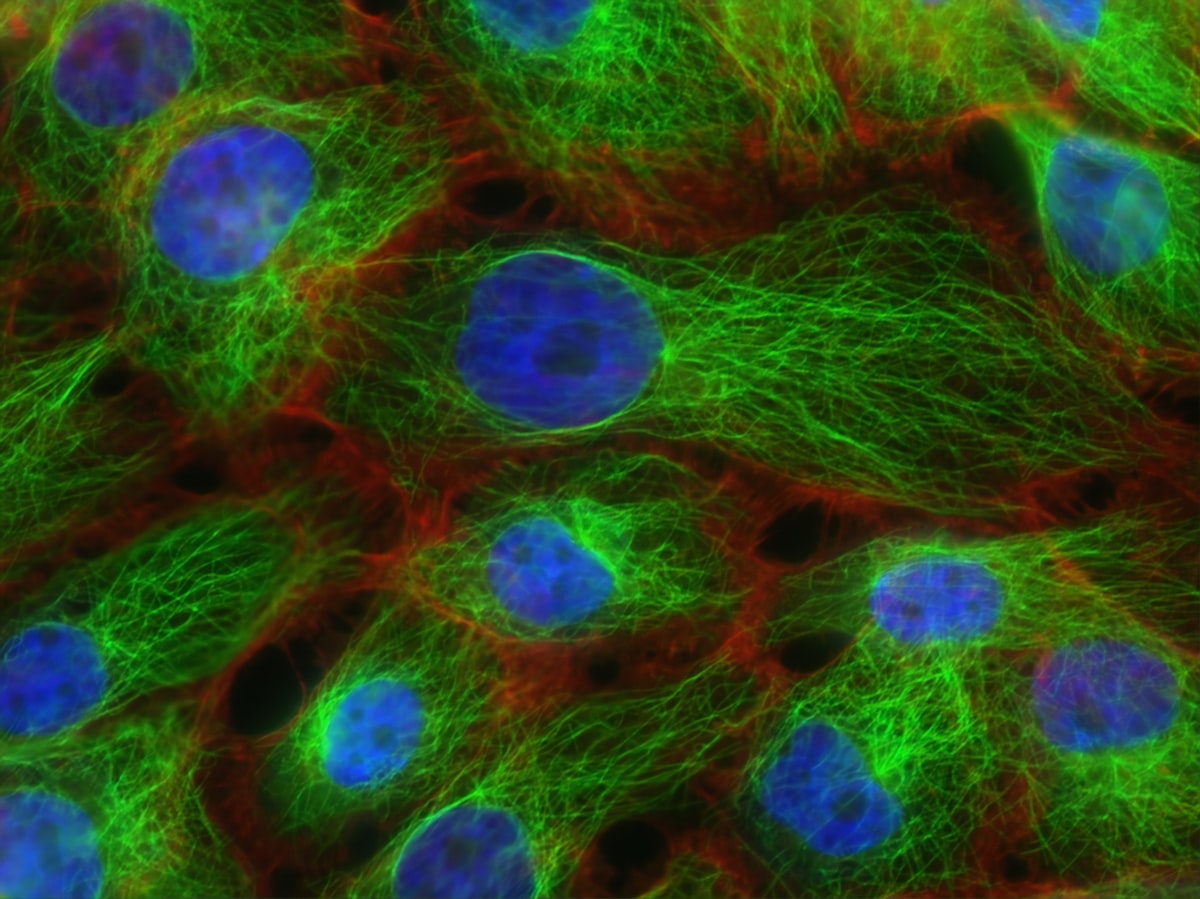
Vitamin B12 therapy shows promise for glioblastoma
Vitamin B12 therapy is showing real promise. It's being tested against glioblastoma, an exceptionally aggressive and difficult-to-treat brain cancer, and recent investigations reveal that a modified form called nitrosylcobalamin (NO-Cbl) can bypass the brain's formidable protective barrier to directly target cancerous tissue. But that's not all. This early discovery could offer a powerful new weapon against one of the most lethal cancers known.
The debilitating nature of glioblastoma multiforme (GBM) stems from its inherent resistance to treatment. Despite the most advanced surgical techniques, radiation, and chemotherapy options available, No fix needed. A critical obstacle in effectively treating these tumors is the blood-brain barrier (BBB), a highly selective membrane that shields the brain from harmful substances circulating in the blood but also inadvertently prevents many therapeutic drugs from reaching the tumor cells where they are desperately needed.
Breaking Through the Brain's Defenses
The research, detailed in a newly published study, focused on whether NO-Cbl, a specialized vitamin B12 derivative that's engineered to release nitric oxide, could overcome this particular challenge. But scientists wanted to know if this compound could cross the blood-brain barrier. Could it build up selectively inside glioblastoma tumors? That selectivity is vital. Any treatment must target cancerous cells without harming healthy brain tissue, so they're searching for a way to do exactly that.
They used rigorous methods to evaluate NO-Cbl's capabilities. But researchers didn't stop there. They tested it against a diverse array of cancer cells from the NCI-60 human tumor cell line panel, and they also conducted detailed pharmacokinetic studies using rats that had been implanted with glioblastoma tumors, carefully observing how the compound moved through the body. The team tested how well NO-Cbl worked alongside other established treatments in human glioblastoma cells. It's a thorough approach.
Key Findings Unveiled
NO-Cbl showed antitumor activity across a broad spectrum of cancer types during initial testing. But tumor cells from the central nervous system displayed only moderate sensitivity to this experimental treatment, and that broad activity suggests a wider potential for the compound beyond just glioblastoma. It's not limited to one specific cancer.
One of the most compelling findings emerged from the animal experiments. NO-Cbl breached the blood-brain barrier after systemic administration, and it gathered preferentially within glioblastoma tissue, a critical step toward effective brain cancer therapy. This mattered. Further investigations showed the compound remained active within the tumors for an extended period, with nitrate levels in the tumor tissue staying elevated for at least 24 hours post-treatment, contrasting sharply with the quicker decline observed in normal tissues. It's a sustained presence. So this implies NO-Cbl can localize and deliver its therapeutic payload directly to the tumor's immediate environment. And visual data from the study's figures, specifically on pages 3 and 4, corroborated these findings, illustrating sustained levels of nitrate and cobalamin-related metabolites specifically in brain tumor tissue when compared to other organs. It's selective accumulation.
Boosting Existing Treatments
The research team didn't just study NO-Cbl alone. But they also tested whether it could boost the power of existing or experimental glioblastoma therapies, combining the compound with either TRAIL or temozolomide in lab-grown U87 and D54 cancer cells. It worked. The paired treatments suppressed tumor growth far more effectively than any single drug, no matter the dose range, so it's clear these compounds form a strong partnership.
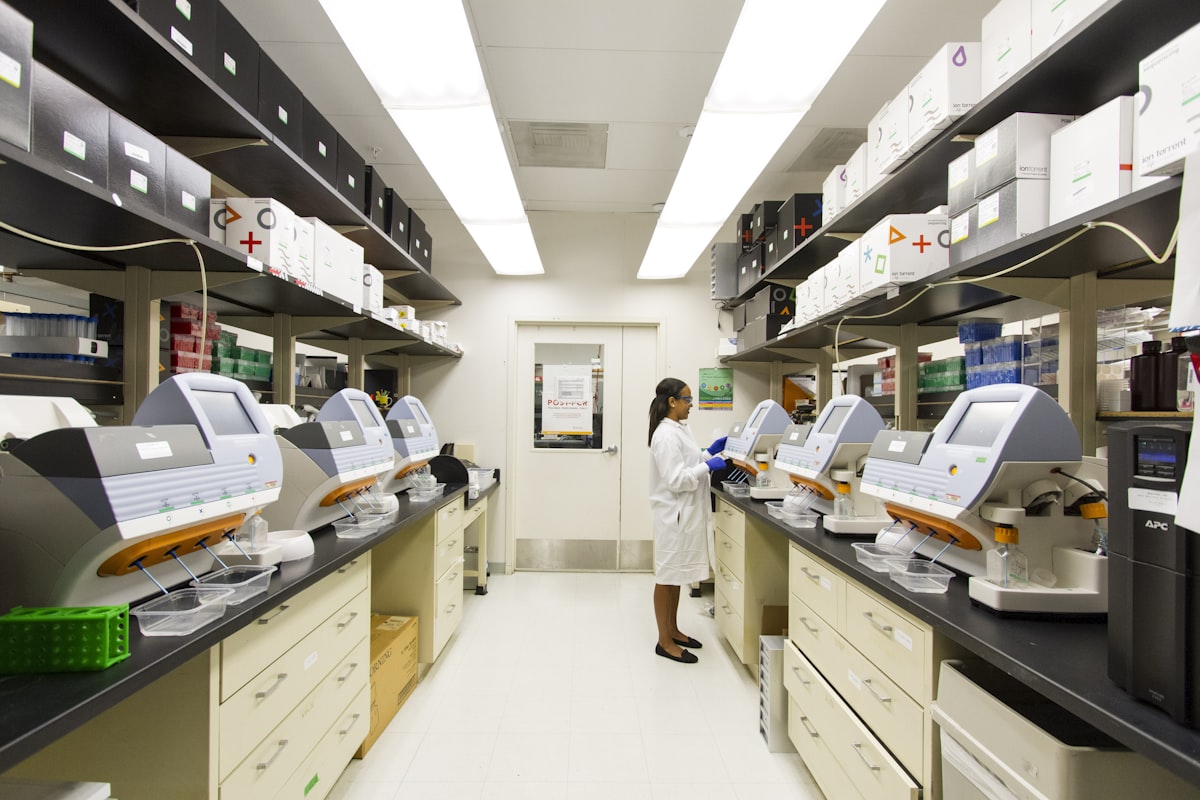
"This pilot study demonstrates that NO-Cbl crosses the BBB, accumulates selectively in brain tumor tissue, and synergizes with established and experimental glioblastoma therapies," affirmed Joseph A. Bauer, who served as a lead researcher on this project.
But there's hope. This specific vitamin B12 therapy could overcome the inherent resistance mechanisms that glioblastoma tumors often develop, as prior studies referenced by the current research indicate that NO-Cbl can activate caspase-8 to promote apoptosis, suppress NF-κB survival signaling, and strengthen TRAIL receptor signaling through S-nitrosylation. It's a powerful combination. These combined effects might render glioblastoma cells more susceptible to therapy, even those tumors that have grown resistant to standard treatments like temozolomide. So this opens new avenues for therapeutic intervention in particularly stubborn cases.
The Path Ahead for Glioblastoma Research
These findings are encouraging. But the researchers stress that this represents a pilot translational study, marking an important first step even though much more work is required before this approach can be considered for clinical application in humans. The journey from lab discovery to patient care often takes many steps, and it includes multiple rounds of testing and improvement.
Next Steps in Development
Future studies are slated to delve deeper into several critical areas, aiming to refine and validate this promising vitamin B12 therapy. These include:
- Orthotopic validation, ensuring the findings hold true in more complex tumor models.
- Optimizing dosing strategies to achieve maximum efficacy with minimal side effects.
- Tracking nitric oxide activity over longer periods to understand its sustained impact.
- Investigating the underlying mechanisms of action in additional central nervous system tumor models.
Early evidence hints at a new strategy: a cobalamin-based nitric oxide donor like NO-Cbl for glioblastoma. It's promising. But this novel vitamin B12 therapy uniquely penetrates the blood-brain barrier, selectively targets tumors, and enhances existing therapies, offering a fresh perspective on drug delivery and fighting treatment resistance. So it's a glimmer of hope in neuro-oncology. It pushes what's possible against this tough disease.
Frequently Asked Questions
What is the modified form of vitamin B12 being tested for glioblastoma, and what unique property does it have?
The modified form is nitrosylcobalamin (NO-Cbl), a specialized vitamin B12 derivative engineered to release nitric oxide. It can bypass the blood-brain barrier to directly target cancerous tissue.
Why is the blood-brain barrier a critical obstacle in treating glioblastoma?
The blood-brain barrier is a highly selective membrane that shields the brain from harmful substances but also prevents many therapeutic drugs from reaching tumor cells. This makes it difficult to deliver effective treatments directly to the cancer.
How did NO-Cbl perform when combined with other therapies in lab experiments?
When combined with TRAIL or temozolomide in human glioblastoma cells, the paired treatments suppressed tumor growth far more effectively than any single drug. This demonstrates a synergistic effect.
What did animal experiments reveal about NO-Cbl's distribution in the body?
NO-Cbl breached the blood-brain barrier after systemic administration and accumulated preferentially within glioblastoma tissue. Nitrate levels in tumor tissue stayed elevated for at least 24 hours, contrasting with quicker decline in normal tissues.
Who is the lead researcher mentioned in the article, and what did he say about the study?
Joseph A. Bauer served as the lead researcher. He affirmed that the pilot study demonstrates NO-Cbl crosses the BBB, accumulates selectively in brain tumor tissue, and synergizes with established and experimental glioblastoma therapies.

Hanna Schmidt writes about health, nutrition and wellbeing, separating evidence from the noise. She covers how lifestyle and science come together to shape long-term health.
💬 Comments (0)
No comments yet. Be the first!