UK Poll Reveals Fears Over Emergency Contraception Access
A YouGov poll reveals nearly half of the UK population fears limited emergency contraception access on Sundays and after 10pm. The College of Sexual and Reproductive Healthcare advocates for wider retail availability.

UK Poll Reveals Fears Over Emergency Contraception Access
Almost half of UK residents think getting emergency contraception on a Sunday would be tough. A recently published survey reveals a stark finding: a notable challenge for many in the British public, especially outside regular weekday hours. Two-thirds expect problems after 10pm. This widespread concern points to a need to rethink how and where the morning-after pill is available, but don't expect change overnight.
The research, conducted by YouGov, gathered insights from a representative sample of 2,115 people across the UK. It revealed a stark contrast in perceived availability, with only 7% of respondents indicating difficulty accessing emergency contraception during daytime hours on a weekday. These figures highlight a specific vulnerability in the current system, leaving many feeling unprepared and potentially unprotected during evenings and weekends when pharmacies may be closed or operating with reduced hours.
Calls for Wider Availability
The College of Sexual and Reproductive Healthcare has responded to these findings with a strong call for oral emergency contraception to be reclassified, moving it onto the general sales list so it can be sold directly from a wider range of retail outlets. But that's not all. This change would allow the morning-after pill to be purchased in places beyond traditional pharmacies, much like common household items such as paracetamol, antihistamine tablets, and antiseptic creams. It's a big change.
Currently, individuals seeking emergency contraception can find it at high street pharmacies, dedicated sexual health clinics, GP surgeries, and NHS walk-in centres. However, it remains conspicuously absent from the shelves of many everyday retail locations. Corner shops, petrol stations, and supermarkets, which usually stock over-the-counter medicines, do not carry this medication, creating barriers for those who need it urgently.
Regional Disparities in Concern
The survey revealed fascinating regional differences. Residents in the south-west of England, Northern Ireland, and Wales expressed the highest levels of concern about obtaining emergency contraception on a Sunday. But those in the south-west or east of England were most likely to anticipate difficulties finding it late at night. It's a stark divide.
Londoners were the most optimistic. They believed they could get emergency contraception both on a Sunday and after 10pm, but these geographical differences suggest varying service levels or public awareness across the country. So timely access becomes more complicated for those in need.
Strong Public Backing for Change
The push for wider retail availability appears to resonate strongly with the public. A substantial 61% of all respondents expressed their support for this change, a figure that climbed even higher among younger demographics. Among 18- to 34-year-olds, support for broader access to emergency contraception reached an impressive 75%, demonstrating a clear generational desire for more convenient options.
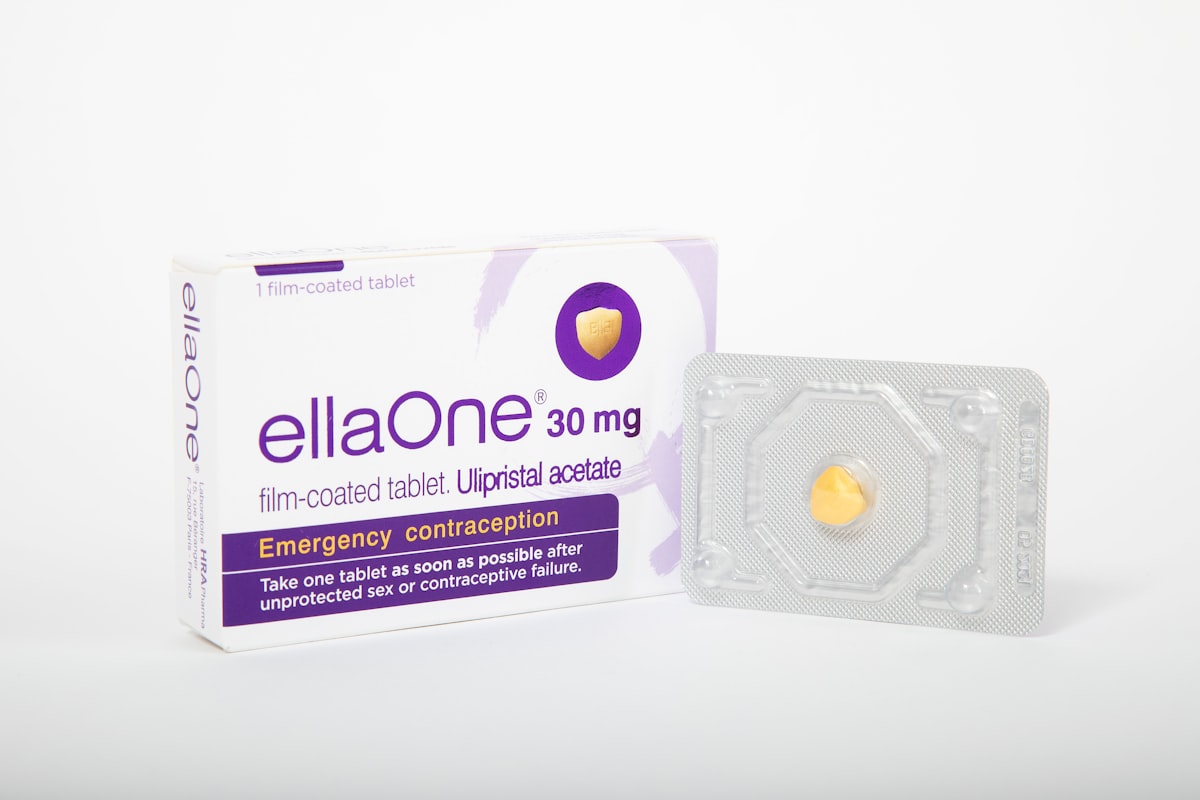
Dr. Zara Haider, president of the College of Sexual and Reproductive Healthcare, characterized the proposed reclassification as a "simple fix" for a complex problem. She highlighted the safety and effectiveness of the medicine, drawing parallels to other readily available items such as condoms and pregnancy tests that empower individuals to manage their reproductive health.
"Women shouldn’t have to navigate unnecessary hurdles to get emergency contraception, particularly when time matters," Dr. Haider asserted. "Yet these findings show that many people are worried they won't be able to get it when they need it." The decision to prevent an unintended pregnancy is a basic human right and should not depend on the day of the week, the time of day, your postcode or whether the local pharmacy happens to be open."
A Coalition for Reproductive Health
The proposal to reclassify oral emergency contraception has garnered significant support from a formidable coalition of women’s health charities and medical colleges. This united front includes influential organizations such as:
- The Faculty of Pharmaceutical Medicine
- The Royal College of Obstetricians and Gynaecologists
- MSI Reproductive Choices
- The British Pregnancy Advisory Service
This collective endorsement underscores the professional consensus on the importance of improving emergency contraception access. However, the College of Sexual and Reproductive Healthcare has made it clear that any expanded rollout should not come at the expense of existing pathways that provide free oral emergency contraception. The aim is to supplement, not replace, these services.
Ensuring Informed Choices
The college wants pills in more stores. That's not all they're pushing for. They also stress informed choices, so they propose that printed or digital information must go to everyone buying oral emergency contraception, no matter where they buy it, covering key areas like dosage, side effects, and when to see a doctor. But this guidance can't be optional. It should be standard.
- Appropriateness of use for the individual
- Potential drug interactions that could affect efficacy
- Details of alternative methods of emergency contraception
- Signposting to online testing services for sexually transmitted infections
- Information on accessing broader reproductive health services
The college argues that allowing the medicine to be bought directly from a wider array of retail outlets would better align with the evolving demands of modern healthcare and ensure people get prompt treatment after unprotected sex or contraceptive failure, where every hour matters. Every hour matters. But Haider underscored this point, explaining that stocking these drugs in more retail outlets "would give women greater control over their reproductive health," a concept that enjoys broad public approval.
Frequently Asked Questions
What did the UK poll reveal about emergency contraception access on Sundays?
The poll found that almost half of UK residents think getting emergency contraception on a Sunday would be tough. Residents in the south-west of England, Northern Ireland, and Wales expressed the highest levels of concern about obtaining it on a Sunday.
Why is the College of Sexual and Reproductive Healthcare calling for reclassification of emergency contraception?
The college calls for oral emergency contraception to be moved onto the general sales list so it can be sold directly from a wider range of retail outlets. This change would allow the morning-after pill to be purchased in places beyond traditional pharmacies, like paracetamol or antihistamines.
How does public support for wider retail availability of emergency contraception vary by age?
A substantial 61% of all respondents expressed support for wider availability, but this figure climbed higher among younger demographics. Among 18- to 34-year-olds, support reached an impressive 75%, showing a clear generational desire for more convenient options.
Who are the key organizations supporting the proposal to reclassify oral emergency contraception?
The proposal has support from a coalition including the Faculty of Pharmaceutical Medicine, the Royal College of Obstetricians and Gynaecologists, MSI Reproductive Choices, and the British Pregnancy Advisory Service. This united front underscores the professional consensus on improving emergency contraception access.
What information does the College of Sexual and Reproductive Healthcare propose should accompany sales of emergency contraception?
The college proposes that printed or digital information must go to every buyer, covering dosage, side effects, when to see a doctor, potential drug interactions, alternative methods, and signposting to STI testing and broader reproductive health services. This guidance should be standard and not optional.

Sarah Jenkins covers health and medicine, translating new research into clear, practical reporting. She focuses on the science behind everyday wellbeing and the developments changing modern care.
💬 Comments (0)
No comments yet. Be the first!