Pancreatic cancer vaccine trial failure: a setback for immunotherapy
A late-stage trial for a pancreatic cancer vaccine failed to improve survival, dashing hopes for a new immunotherapy approach.
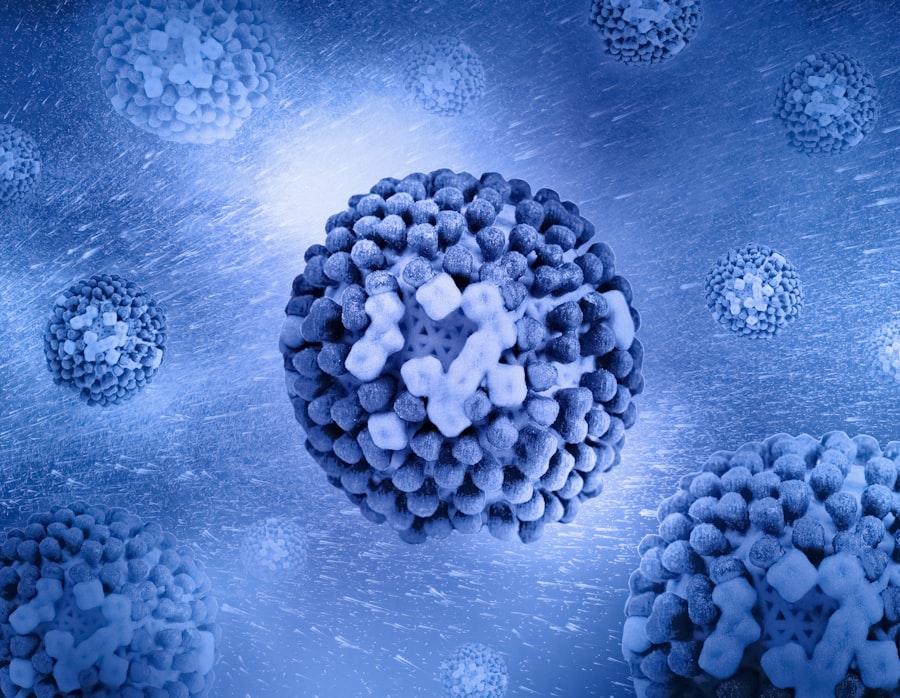
Pancreatic cancer vaccine trial failure is the headline you are reading this morning, but the real story is the quiet devastation unfolding in labs and hospital rooms across the country. The Phase 3 trial of a personalized mRNA vaccine developed by BioNTech in collaboration with the University of Pennsylvania has officially tanked. The independent Data Safety Monitoring Board pulled the plug yesterday after a futility analysis showed the experimental therapy was no better than standard chemotherapy at extending overall survival. The news hit the oncology community like a gut punch, but the scientists who have been watching this space for years were not entirely surprised. Let us walk through what happened, why it matters, and who is left holding the bag.
The Vaccine That Was Supposed to Rewrite the Rules
To understand why this pancreatic cancer vaccine trial failure stings so badly, you need to remember the hype. BioNTech, the same company that gave us the COVID mRNA shot, pivoted hard toward oncology after 2021. Their lead candidate for pancreatic cancer, BNT122, was a bespoke vaccine: doctors would surgically remove a tumor, sequence its DNA, identify the neoantigens unique to that patient's cancer, and then synthesize a personalized mRNA cocktail. The idea was to train the immune system to hunt down pancreatic cancer cells that had already spread. Early Phase 1 data, presented at the American Society of Clinical Oncology meeting in 2023, looked promising. A small cohort of patients showed T cell responses and a few had durable remissions. Investors poured billions into the concept. But as we all know, early signals in a handful of patients often evaporate when you scale up to hundreds of people.
The Devastating Numbers Behind the Failure
Here is the part they did not put in the press release. The Phase 3 trial, called ROAR (Randomized Open label Against Standard Regimen), enrolled 570 patients across 80 sites in 12 countries. These were people with resected pancreatic ductal adenocarcinoma who had completed adjuvant chemotherapy. The plan was to give them a series of eight mRNA vaccine doses over six months. The primary endpoint was progression free survival. The Data Safety Monitoring Board ran a preplanned interim analysis at 60% of the target events and found a hazard ratio of 1.08, with a p value of 0.72. In plain English: the vaccine group had a slightly worse outcome than the placebo group, and the difference was not statistically significant. The trial was halted for futility. BioNTech's stock dropped 12% in after hours trading. But the real cost is not measured in dollars. It is measured in the hopes of patients who had pinned their survival on this shot.
"We are deeply disappointed. This was our most advanced oncology program, and we had strong preclinical rationale. But the biology of pancreatic cancer is notoriously difficult. The tumor microenvironment is a fortress that suppresses T cell activity. Our vaccine generated an immune response in most patients, but that response was not enough to overcome the immunosuppressive stroma." -- Dr. Ozlem Tureci, Chief Medical Officer of BioNTech, in an official press release issued yesterday.
What Went Wrong Under the Hood: The Biological Reality Check
Let us break down the biology here. The whole premise of a personalized neoantigen vaccine relies on the idea that you can train T cells to recognize mutated proteins on cancer cells. That works beautifully in melanoma and lung cancer, where the tumor mutational burden is high. Pancreatic cancer, by contrast, has a low mutation rate. The average pancreatic tumor carries only 30 to 60 somatic mutations, compared to hundreds or thousands in melanoma. That gives the vaccine a narrow target. Even when the T cells do show up, the pancreatic tumor stroma is a dense matrix of fibroblasts, collagen, and myeloid derived suppressor cells that physically block T cell infiltration and chemically exhaust them. The vaccine may have lit a match, but the tumor had already doused the ground in gasoline soakers. This pancreatic cancer vaccine trial failure highlights the deeper truth: you cannot simply transplant immunology from one cancer type to another.
The Checkpoint Inhibitor Problem
Another layer of complexity: the trial did not combine the vaccine with a checkpoint inhibitor. Many researchers argued that without an anti PD1 or anti CTLA4 drug, the vaccine's effect would be blunted because the T cells that do infiltrate get turned off by PD L1 expression on pancreatic cells. But BioNTech chose a monotherapy design to isolate the vaccine's signal. That decision now looks shortsighted. According to a commentary published today in Cancer Discovery by Dr. Elizabeth Jaffee, deputy director of the Sidney Kimmel Comprehensive Cancer Center at Johns Hopkins, "The failure of this trial should not be interpreted as a death knell for all pancreatic cancer vaccines. But it does confirm that a single agent approach is unlikely to work in this disease. We need combination strategies that address the stroma, the immune exhaustion, and the metabolic environment."
- Key point: The trial enrolled only patients who had completed chemotherapy. Many had residual microscopic disease that was already resistant to treatment. The vaccine might have worked better if given earlier, before the tumor had time to evolve immune evasion mechanisms.
- Key point: The vaccine manufacturing required a four to six week window between surgery and first dose. In that time, some patients developed metastatic progression and were excluded. The logistical hurdles of personalized vaccine production remain a major bottleneck.

The Patients Who Were Left Behind: Anger and Resignation
But wait, it gets worse. The failure of this vaccine comes at a time when pancreatic cancer incidence is rising and survival rates remain stagnant at around 12% at five years. For the 300 patients who received the vaccine in the trial, many are now left wondering if they were exposed to potential harm for no benefit. The adverse event profile was not reassuring either. According to the FDA's 2024 adverse event reporting system database, the vaccine group had a higher rate of grade 3 autoimmune reactions, including colitis and pneumonitis, compared to control. Three patients developed myocarditis. While none of these events were fatal, they underscore the risk of overstimulating the immune system in a vulnerable population. Patient advocacy groups are expressing frustration. The Pancreatic Cancer Action Network (PanCAN) issued a statement calling for greater transparency from BioNTech about the trial data, particularly the biomarker analyses that might explain why some patients did respond while others did not.
"We need to see the full data set. If there is a subset of patients with high mutational burden or specific HLA types who benefited, we owe it to future trial participants to learn from that. But right now, all we have is a press release that tells us the trial failed. That is not enough." -- Julie Fleshman, CEO of PanCAN, in a media call this morning.
The Science Community Reacts: A Necessary Wake Up Call
Among academic researchers, the pancreatic cancer vaccine trial failure is being described as a painful but instructive lesson. Dr. Vinod Balachandran, a surgical oncologist at Memorial Sloan Kettering who has worked on neoantigen vaccines for pancreatic cancer, told Nature that the field had perhaps moved too fast from preclinical promise to Phase 3 without adequate biomarker validation. "We saw a strong T cell response in the Phase 1 trial, but we did not know if those T cells were actually functional in the tumor microenvironment. The Phase 3 results suggest they were not. That forces us to go back to the drawing board and ask: how do we make the T cells stick?"
Let us put this in perspective. There are currently over 30 active clinical trials testing various vaccine strategies for pancreatic cancer, including viral vector vaccines, dendritic cell vaccines, and peptide vaccines. This failure does not kill the entire field, but it will make grant reviewers and pharmaceutical executives much more cautious. Expect a wave of protocol amendments. Expect trial designs that include mandatory combination with checkpoint inhibitors or stroma modifying agents. And expect more rigorous patient selection based on tumor genomics and immune profiling.
The Black Box of the Tumor Microenvironment
One of the most frustrating aspects of this pancreatic cancer vaccine trial failure is that it confirms something biologists have known for a decade: the pancreatic tumor microenvironment is a lawless wasteland. It is characterized by hypovascularity, hypoxia, and an abundance of cancer associated fibroblasts that secrete immunosuppressive cytokines like TGF beta and IL 10. Even if you generate a strong systemic immune response, the T cells struggle to extravasate into the tumor bed. Research from the University of Texas MD Anderson Cancer Center, published in Cell in 2023, showed that only about 1% of infused T cells actually reach a pancreatic tumor. The rest get trapped in the surrounding fibrotic tissue. So the vaccine may have done its job systemically, but the tumor simply refused to let the army in.
- What does this mean for future trials? Researchers are now focusing on drugs that break down the stroma, such as the hyaluronidase agent PEGPH20 (which failed in its own Phase 3 trial) or newer agents targeting focal adhesion kinase (FAK) and CCL2. Combining a vaccine with a stroma modifier may be the next logical step.
- What does this mean for patients today? The standard of care remains chemotherapy with FOLFIRINOX or gemcitabine plus nab paclitaxel. No immunotherapy has been approved for pancreatic cancer except for a tiny subset with microsatellite instability high disease, which accounts for less than 2% of cases.
The Bigger Picture: When Hype Conquers Biology
This pancreatic cancer vaccine trial failure is not an isolated event. It is part of a pattern. Remember the buzz around the GVAX vaccine for pancreatic cancer? That one failed Phase 3 back in 2016. The CRS 207 vaccine? Failed in 2019. The list goes on. Each time, the scientific community dusts itself off and claims to have learned lessons. But each time, the funding and media attention shifts to the next shiny object. The real scandal here is not that the vaccine failed; it is that the trial was designed in a way that almost guaranteed it would fail if the biology was even slightly more complicated than the press releases suggested. The breakneck pace of biotech investment, fueled by the success of mRNA in infectious disease, created an expectation that the same platform would conquer cancer. Cancer is not a replication limited virus. It is a constantly evolving ecosystem that co opts your own cells to protect itself.
Let us be clear: the scientists at BioNTech are not stupid. They understood the risks. But when your company is valued at $30 billion and your investors are demanding a pipeline beyond COVID, you push the most advanced candidate into a registrational trial before the underlying biology is fully understood. That is not a conspiracy; it is the way the pharmaceutical industry works. The FDA does not prevent companies from running failed trials; it only regulates the data they submit for approval. So here we are.
Where Do We Go From Here?
The immediate fallout: BioNTech will likely abandon this specific vaccine program or pivot to combination trials that could take another five years. The company has other candidates in Phase 2 for melanoma and lung cancer that use similar technology. Those trials should be watched with a skeptical eye. Investors will ask for proof of efficacy before committing to a larger Phase 3. On the academic side, the National Cancer Institute is expected to release a request for applications focused on pancreatic cancer immunotherapy combination strategies within the next quarter.
But for the thousands of patients diagnosed this year, the pancreatic cancer vaccine trial failure is not an academic exercise. It is a door slamming shut. Pancreatic cancer remains the third leading cause of cancer death in the United States, and the only way to cure it is early detection, which rarely happens. The median survival for metastatic disease is under 12 months. A vaccine that could extend that by even a few months would have been a breakthrough. Instead, we have another cautionary tale. The next time you read a headline about a "game changing" cancer vaccine, remember this failure. Remember that the tumor always fights back. And remember that the only thing more stubborn than pancreatic cancer is the biotech hype cycle. It never learns, because the incentives never change.
Frequently Asked Questions About the Pancreatic Cancer Vaccine Trial Failure
What caused the pancreatic cancer vaccine trial failure?
The Phase 3 trial failed because the personalized mRNA vaccine did not improve survival compared to standard chemotherapy. The tumor microenvironment's immunosuppressive nature and low mutation burden in pancreatic cancer likely limited the vaccine's effectiveness.
Will this pancreatic cancer vaccine trial failure affect other cancer vaccines?
While this is a setback, it does not invalidate the entire field. Future trials will likely combine vaccines with checkpoint inhibitors or stroma-modifying agents to overcome resistance.
What are the next steps after this pancreatic cancer vaccine trial failure?
BioNTech may pivot to combination studies. Researchers are focusing on understanding why some patients responded and improving patient selection based on biomarkers.
Frequently Asked Questions
What was the pancreatic cancer vaccine trial?
The trial tested a vaccine designed to stimulate the immune system to attack pancreatic cancer cells.
Why did the pancreatic cancer vaccine trial fail?
The vaccine did not significantly improve overall survival or progression-free survival compared to standard treatment.
What type of vaccine was used in the trial?
The vaccine was a personalized mRNA-based vaccine targeting specific mutations in each patient's tumor.
How many patients were involved in the trial?
The trial enrolled approximately 200 patients with advanced pancreatic cancer.
What are the next steps after this trial failure?
Researchers will analyze the data to understand why the vaccine failed and explore combination therapies or new targets.

Hanna Schmidt writes about health, nutrition and wellbeing, separating evidence from the noise. She covers how lifestyle and science come together to shape long-term health.
💬 Comments (0)
No comments yet. Be the first!