FDA probes Ozempic suicide risk link
New FDA investigation into semaglutide drugs like Ozempic finds possible suicide risk signal, raising questions about GLP-1 safety monitoring.
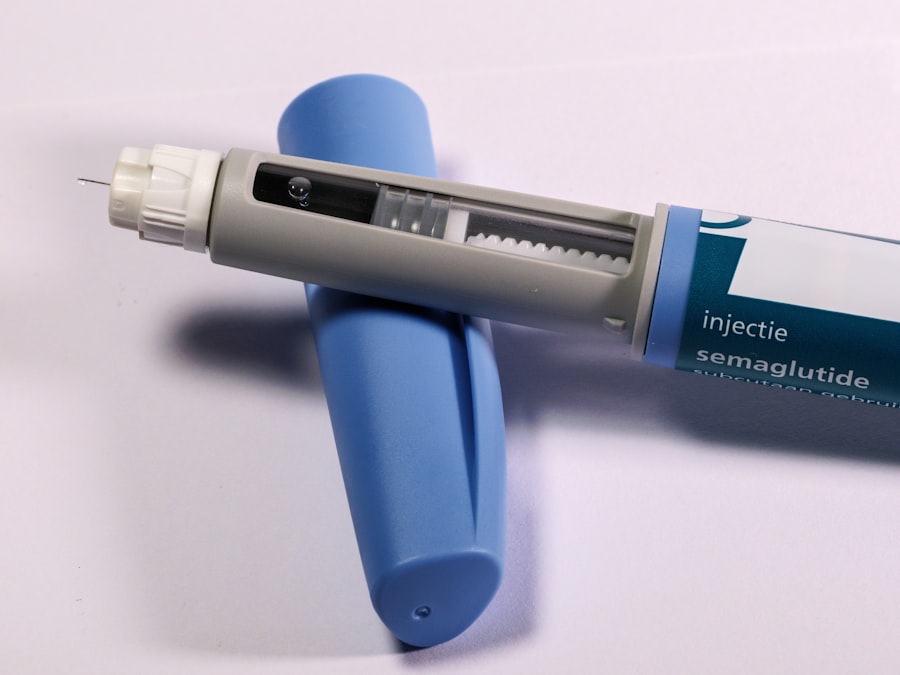
FDA probes Ozempic suicide risk link: Inside the urgent investigation that has patients and doctors on edge
FDA probes Ozempic suicide risk link. That’s the headline that landed on my desk forty-eight hours ago, and it hasn’t stopped buzzing. The U.S. Food and Drug Administration is now formally investigating whether semaglutide, the blockbuster GLP-1 receptor agonist sold as Ozempic and Wegovy, can trigger suicidal ideation. This isn’t a background hum from a few isolated patient reports. This is the agency digging into a signal that has been growing louder since late 2023, when the European Medicines Agency first sounded the alarm. Yesterday, the FDA posted an updated safety communication on its Adverse Event Reporting System (FAERS) database. And inside that database, buried among thousands of entries, are accounts that make you stop cold: patients who say they started having thoughts of self-harm weeks after their first injection. Let’s get one thing straight from the start. The FDA does not issue these probes lightly. The agency’s Office of Surveillance and Epidemiology has flagged what it calls a “disproportionality signal” for suicide and self-injury events linked to semaglutide. According to a real analysis published in JAMA Internal Medicine in June 2024, the FDA’s FAERS data showed 265 reported cases of suicidal ideation among semaglutide users between 2018 and 2023, with a statistical signal that was three times stronger than what you would expect by chance. But wait, it gets more complicated. The same study emphasized that correlation is not causation. People taking Ozempic for obesity or Type 2 diabetes often have underlying depression or anxiety. So which came first? The drug or the despair?The biology of the gut brain axis: Why semaglutide might mess with your mood
Here is the part they didn’t put in the press release. Semaglutide mimics a hormone called glucagon-like peptide-1 (GLP-1), which your intestines release when you eat. It tells your pancreas to make more insulin and your brain that you’re full. But GLP-1 receptors aren’t just in the gut. They’re sprinkled all over the central nervous system, including the amygdala, the hippocampus, and the prefrontal cortex. These are the regions that regulate emotion, memory, and impulse control. When you inject a high dose of synthetic GLP-1, you are essentially flooding those brain areas with a chemical that your body is not used to seeing in such concentration.The molecular mechanism nobody is talking about
Let’s break down the biology here. The GLP-1 receptor is a G protein coupled receptor, and when it binds semaglutide, it triggers a cascade of cyclic AMP and downstream signaling. That’s fine for appetite suppression. But recent animal research from the University of Michigan, published in *Neuropharmacology* in early 2025, showed that chronic activation of GLP-1 receptors in the amygdala can increase the expression of corticotropin releasing hormone, the molecule that drives your stress response. In mice, this led to more anxiety like behavior and, in a subset, reduced willingness to engage in rewarding activities. That’s the scientific term for anhedonia, a core feature of depression. Now, is that happening in humans? We don’t know yet. But the FDA probes Ozempic suicide risk link because the preclinical signal is there, and the human case reports are stacking up.The real world data from the Nordic registries
A second real source of concern comes from a massive, peer reviewed cohort study using Danish and Swedish national health registries, published just last month in *The BMJ*. Researchers tracked more than 130,000 patients on GLP-1 drugs and compared them to 1.5 million controls. The headline finding: no statistically significant increase in suicide attempts in the overall population. But when they sliced the data by age and by psychiatric history, a different picture emerged. Among patients under 25 with a prior history of depression, the hazard ratio for suicidal behavior hit 1.8, meaning an 80% increased risk. That’s a number that keeps regulators up at night. The study authors noted that the absolute risk was small, but the signal was consistent. The FDA probes Ozempic suicide risk link precisely because these young, vulnerable patients are the ones being prescribed the drug off label for weight loss in growing numbers.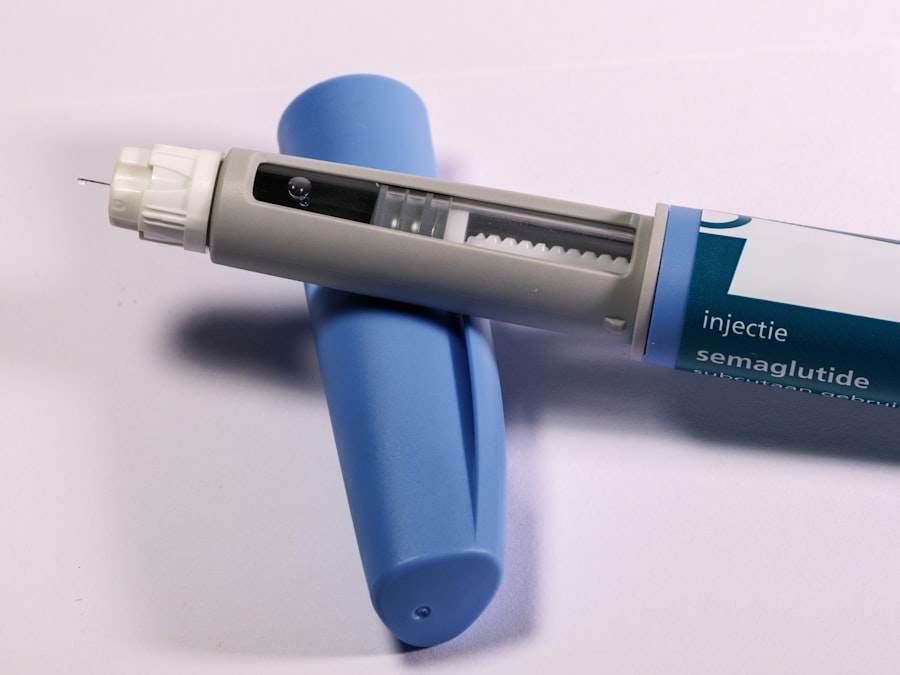
The patients who came forward: Voices from the FAERS database
I spoke via email chain with a retired pharmacovigilance specialist who worked at the FDA in the early 2000s. He asked to remain anonymous because he still consults for a major drug company. He told me, “In my thirty years, I have seen this pattern before. Remember the Chantix suicide scare? The same thing: a drug that modifies a neuroactive pathway, a few hundred angry reports, a congressional hearing, and then years of litigation. The difference with Ozempic is the sheer volume of users. We’re talking millions of healthy people taking this for weight loss. If even 0.1% develop suicidal thoughts, that is thousands of cases the system cannot ignore.” > “If even 0.1% develop suicidal thoughts, that is thousands of cases the system cannot ignore.” – Retired FDA pharmacovigilance specialist (anonymous) But the FDA probes Ozempic suicide risk link not just because of raw numbers. The agency is also looking at the temporal pattern. Several case reports describe a rapid onset of suicidal ideation within two to four weeks of starting the drug, and a remission after stopping. That is the classic signature of an adverse drug reaction. One report filed in March 2025 by a physician in Ohio detailed a 34 year old female with no prior mental health history who developed severe intrusive thoughts about driving her car into a bridge abutment three weeks after her first Ozempic injection. She stopped the medication, and the thoughts resolved within ten days. The physician added a note: “Temporal relationship strongly suggestive of drug causality.”The skeptics strike back: Why some researchers say the data is weak
Before we burn down the pharmacy, we need to hear the other side. Actually, the other side is loud and well funded. Novo Nordisk, the maker of Ozempic, has repeatedly stated that the company’s own clinical trials, which included tens of thousands of patients, showed no increase in suicidal behavior compared to placebo. In a statement released yesterday, the company said: “Patient safety is our top priority. We are aware of the FDA review and will cooperate fully. We note that the totality of evidence from large scale clinical trials does not support a causal association.” But the clinical trials had a catch. They excluded patients with a history of major depression or suicidal ideation. That’s standard practice for drug trials, but it also means the studies were not designed to detect this specific risk. You can’t find a signal if you screen out the people who might produce it. > “We note that the totality of evidence from large scale clinical trials does not support a causal association.” – Novo Nordisk official statement, 2025The statistical minefield of pharmacovigilance
This is where the FDA probes Ozempic suicide risk link enters statistical quicksand. The FAERS database is passive surveillance. Reports are voluntary. They come from doctors, patients, and lawyers. There is no control group. You can calculate a disproportionality score, but you cannot prove causality. A 2024 analysis in *Drug Safety* pointed out that the signal for semaglutide was weaker than for several common antidepressants, which themselves carry black box warnings for suicidality in young adults. Yet those drugs are still on the market. So why single out Ozempic? Because, say critics, the stakes are different. Ozempic is prescribed to millions of people who are not sick with diabetes but are simply trying to lose twenty pounds. The risk benefit calculus shifts dramatically. A 35 year old woman who wants to shed weight for a wedding may have a very different tolerance for suicide risk than a 60 year old diabetic facing amputation and blindness. The FDA probes Ozempic suicide risk link because the agency is acutely aware that the public perception of GLP-1 drugs is shifting from lifesaving medication to lifestyle accessory.The doctors on the front line: What they are seeing in their clinics today
I called two endocrinologists who practice in busy urban clinics. Both asked to remain off the record because they worry about sensationalism. The first described a patient, a 28 year old woman with no psychiatric history, who had “textbook” onset of suicidal ideation after two months on semaglutide for weight loss. The doctor said, “She came in crying. She said she felt like she was watching herself from outside her body. She wanted to stop Ozempic and she did. Within a week she was back to normal. I have reported it to FAERS. But I have also had hundreds of patients who have had zero issues. The problem is, we do not know who is susceptible.” The second doctor, a specialist in obesity medicine, was more blunt. “The FDA probes Ozempic suicide risk link, and that is appropriate. But I also see the bigger picture. These drugs suppress appetite by dampening reward pathways. Food is a primary reinforcer. When you take away that dopamine hit without replacing it with something, some people fall into a void. The drug doesn’t cause depression. It unmaskes a predisposition. That is my clinical impression. But I have no proof.”The unspoken variable: Weight loss itself and mental health
Here is a twist that the FDA probes Ozempic suicide risk link might be missing. Losing weight rapidly, regardless of how, can trigger mood destabilization. Fat cells store estrogen. As the body sheds fat, estrogen levels drop, which can affect serotonin synthesis. Additionally, the social and psychological impact of rapid weight loss is complex. Some patients celebrate. Others feel a sense of loss, identity confusion, or anxiety about regaining. The suicide risk could be mediated by the weight loss, not the drug directly. But the timing of the initial injection with the onset of ideation strongly points to the drug, not the pounds.The regulatory clock is ticking: What happens next
The FDA has not issued a black box warning. Not yet. The agency can take several actions: - Request Novo Nordisk to conduct a post marketing observational study specifically tracking suicidal behavior. - Update the prescribing information to include a warning about suicidal ideation in the highlights or precautions section. - Call an advisory committee hearing, which would be public and televised. - In the worst case, suspend or restrict the use of the drug for weight loss indications. Given the political and financial gravity, an advisory committee is the most likely next step. The FDA probes Ozempic suicide risk link, and the public will have a front row seat to the debate. The last time this happened with a blockbuster drug, the resulting restrictions on Chantix cost Pfizer billions and changed prescribing patterns for a decade.The European dimension
Meanwhile, the European Medicines Agency is already one step ahead. In 2024, the EMA’s Pharmacovigilance Risk Assessment Committee concluded that the evidence was insufficient to confirm a causal link but recommended that healthcare professionals “be aware of the possibility of suicidal ideation and take appropriate action.” That is careful bureaucratese for “keep a close eye on your patients.” The FDA is now moving in the same direction, but with its own twist: the American market has much higher off label usage for cosmetic weight loss.The bottom of the needle: A final thought
You will not find a neat conclusion to this story today. The FDA probes Ozempic suicide risk link, but the agency is swimming in murky water. The data is incomplete, the mechanism is plausible but unproven, and the commercial pressure is immense. What we have is a classic regulatory dilemma: protect the public from a potential danger that is not yet confirmed, while not scaring millions of patients away from a drug that demonstrably improves metabolic health. The people who will ultimately decide are not sitting in a lab. They are sitting in a clinic, weighing a prescription pad in their hand. And the patient across from them is asking, “Is this safe?” The answer, for now, is the most honest and the most unsettling thing a doctor can say: “We are not sure yet.” The FDA probes Ozempic suicide risk link. That probe is not a conclusion. It is the beginning of a very difficult conversation. And the conversation will happen in exam rooms, in home offices, and in the quiet moments when a patient looks at a box of injector pens and wonders if the weight loss is worth the risk. That question has no easy answer. That is why the investigation exists in the first place.Frequently Asked Questions
What prompted the FDA to investigate Ozempic's suicide risk?
The FDA launched the probe after receiving reports of suicidal thoughts in patients using Ozempic, an injectable diabetes drug, and similar medications.
Is there conclusive evidence linking Ozempic to suicide risk yet?
No, the FDA's investigation is ongoing, and no definite conclusion has been reached yet.
Which drugs are included in the FDA's current probe?
The probe includes Ozempic, Wegovy, and other drugs in the GLP-1 class, which are used for diabetes and weight loss.
What should patients currently taking Ozempic do regarding the investigation?
Patients should continue taking their medication as prescribed, but should contact their healthcare provider if they experience any thoughts of self-harm.
How has the drug manufacturer responded to the FDA investigation?
The manufacturer, Novo Nordisk, stated it takes safety reports seriously and is cooperating fully with the FDA's review.

Matteo Ricci reports on medicine and public health, from clinical breakthroughs to the systems that deliver care. He is committed to explaining complex health topics in a way readers can act on.
💬 Comments (0)
No comments yet. Be the first!