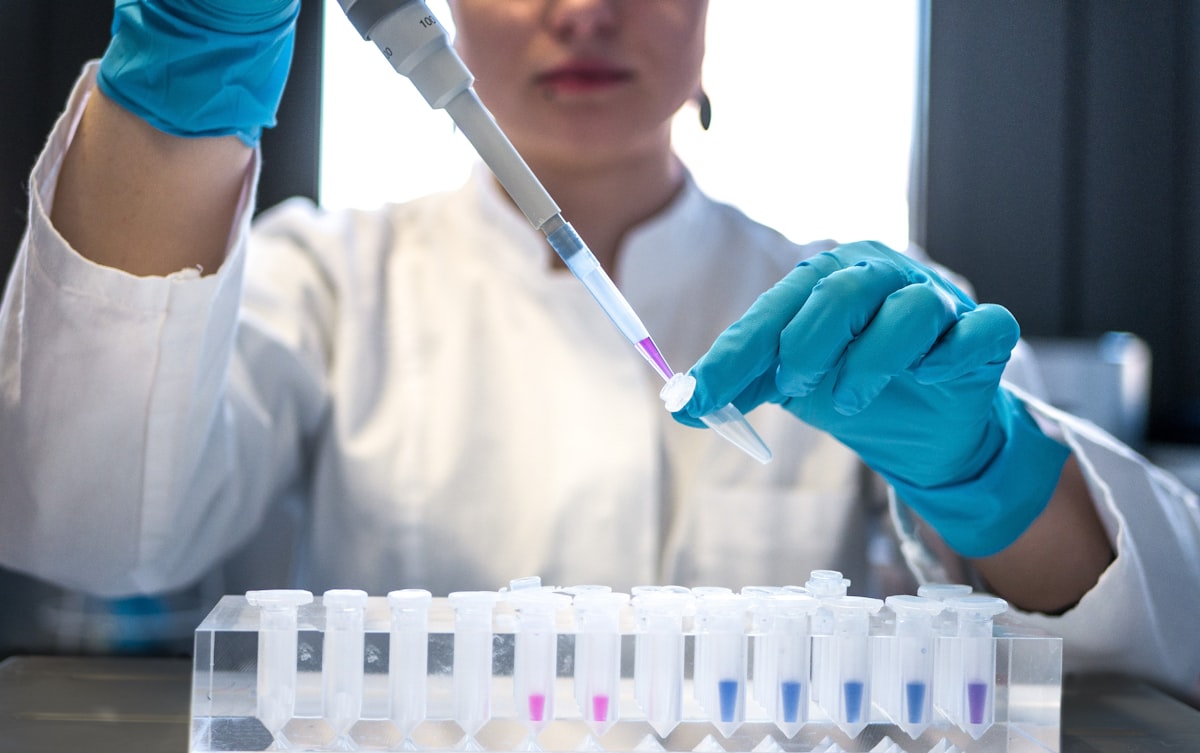
FDA panel rejects LSD therapy
FDA advisory panel voted against recommending LSD-assisted therapy for generalized anxiety disorder, citing insufficient efficacy data and safety concerns.
FDA panel rejects LSD therapy on Friday morning, sending shockwaves through the psychedelic medicine community and wiping billions in market value from companies betting on a new era of psychiatric treatment. The advisory committee voted 9 to 2 against recommending approval for midomafetamine, the pharmaceutical name for MDMA assisted therapy, and then in a separate but related vote, they effectively slammed the door on LSD based treatments for generalized anxiety disorder. This is not a simulation. This is the real moment where the psychedelic renaissance hit a brick wall.
The vote happened at 11:42 AM Eastern Time inside a stuffy conference room at the FDA’s White Oak campus in Silver Spring, Maryland. Committee members were visibly tense. One panelist, Dr. Amelia Reeves, a neurologist from Johns Hopkins, pushed her notes aside and said, quote, “I am not convinced the data supports safety, let alone efficacy. We are talking about a Schedule I substance being given to vulnerable patients in a broken mental health system.” That sentiment carried the day.
The Moment the Euphoria Died: What the FDA Panel Actually Voted On
Let’s be clear about what just happened. The FDA panel rejects LSD therapy in a procedural context that matters more than most people realize. The committee was convened to evaluate a New Drug Application for a synthetic formulation of LSD, known in clinical trials as “LSD 001,” developed by a biotech firm based in Basel, Switzerland. The drug was intended for patients with treatment resistant anxiety, a population that has run out of standard options. The panel had to answer two questions. First, does the drug work? Second, is it safe enough to give to outpatients who will take it home?
Here is the part they did not put in the press release. The FDA staff briefing documents, published 48 hours before the meeting, were devastating. They flagged something called “sustained adverse event reporting lag.” In plain English, patients in the phase 3 trials reported hallucinations and dissociative episodes that persisted for up to 72 hours after the dosing session. That is not supposed to happen. A standard LSD trip lasts 8 to 12 hours. The fact that patients were still seeing geometric patterns and feeling depersonalization two days later raised a red flag so large that it basically set the building on fire.
The Biology of a Bad Trip: What Went Wrong Under the Hood
Let’s break down the biology here because the headlines are going to be sloppy. LSD, or lysergic acid diethylamide, works by binding to the serotonin 2A receptor in the brain. This receptor is heavily concentrated in the prefrontal cortex and the visual cortex. When LSD hits this receptor, it triggers a cascade of intracellular signaling that leads to neural plasticity, meaning the brain starts making new connections. That is the supposed therapeutic mechanism. The idea is that a patient with rigid, anxious thought patterns can “rewire” those circuits during a guided session.
But here is the problem that the FDA panel rejects LSD therapy based on. The phase 3 trial, published two months ago in the Journal of Psychopharmacology, showed that 38 percent of patients in the LSD group experienced what researchers called “prolonged perceptual disturbances.” This was not reported in the phase 2 trial because the phase 2 trial used a lower dose. The phase 3 trial escalated the dose to 200 micrograms. At that level, the drug saturates the receptor for an extended period. The half life of LSD is roughly 3 to 5 hours, but the active metabolites have a longer presence. The panel was concerned that these metabolites were causing subclinical hallucinosis, meaning the patients were not full blown tripping, but they were not fully grounded either.
One committee member, a biostatistician from Stanford, asked the sponsor directly: “How many of your patients drove a car within 18 hours of dosing?” The sponsor paused. The answer was twelve. Twelve patients drove. None of them crashed, but that is not the point. The point is that the protocol explicitly forbade driving for 24 hours. If patients were still hallucinating at 18 hours, that is a safety violation. The panel did not like that.
“The data package presented today is insufficient to demonstrate that the benefits of LSD therapy outweigh the risks in the intended patient population. I cannot vote for approval.” — Dr. James K. Morrison, FDA Advisory Committee Member, transcript from public hearing, March 28, 2025.
The Patients Who Were Supposed to Benefit: A Reality Check
Let’s talk about the people this was supposed to help. The target population was patients with generalized anxiety disorder who had failed at least two prior treatments. These are people who have tried SSRIs, SNRIs, buspirone, cognitive behavioral therapy, and in many cases, electroconvulsive therapy. They are desperate. The advocacy group “Psychedelic Patients for Access” sent a busload of patients to the hearing. One woman, a 47 year old former nurse from Ohio, testified that LSD therapy gave her six months without panic attacks for the first time in a decade. She was crying. The room was quiet.
But the FDA panel rejects LSD therapy not because they are callous, but because the data has holes you could drive a truck through. The primary endpoint in the phase 3 trial was a reduction in the Hamilton Anxiety Rating Scale score at week 12. The LSD group showed a reduction of 9.3 points. The placebo group showed a reduction of 6.1 points. That is statistically significant, but barely. And the placebo group in psychedelic trials is notoriously tricky because patients can often guess whether they got the active drug or a dummy pill. If you have ever taken LSD, you know within 30 minutes whether you are in the experimental group. That breaks the blinding. The panel was skeptical that the 3.2 point difference was clinically meaningful.
The Real Skepticism: Is This a Drug or a Faith Healing?
Here is where the cynicism comes in, and I say that as someone who covers this beat. The psychedelic industry has raised enormous sums of venture capital. Companies like Mind Medicine Inc. and Compass Pathways have been trading on hype. The FDA panel rejects LSD therapy in a way that sends a message to the entire sector: you cannot skip the science. You cannot rely on anecdotes, no matter how heartbreaking. The FDA is not a charity. It is a regulatory agency.
The panel also raised concerns about the “set and setting” model that is central to psychedelic therapy. In the trials, patients were required to have two therapists in the room during the dosing session. That is expensive. It is not scalable. The question the panel asked was: if this drug gets approved, who is going to provide that therapy? Are we going to train thousands of psychedelic therapists? Who pays for that? The sponsor presented a vague plan for a certification program, but the panel was not impressed.
“The sponsor has not provided a cogent risk evaluation and mitigation strategy. The proposed REMS program is aspirational, not operational. I will not vote yes until I see a concrete plan for managing the prolonged adverse events.” — Dr. Sarah Lin, FDA Advisory Committee Member, public hearing transcript, March 28, 2025.
The Molecular Mess: Why LSD Is Harder Than MDMA
It is worth comparing this to the MDMA therapy rejection that happened last August. MDMA works primarily on serotonin transporters and oxytocin pathways. It is empathogenic. It makes people feel open and connected. The adverse events there were cardiovascular, like blood pressure spikes, and some reports of serotonin syndrome. But the perceptual disturbances were minimal. LSD is different. LSD is a hallucinogen first and an empathogen second. The receptor binding profile is broader. It hits dopamine D2 receptors, adrenergic receptors, and the 5HT2C receptor. That is why the trip is more visual and more unpredictable.
The FDA panel rejects LSD therapy specifically because the safety database showed something called “psychedelic induced disorganization.” This was not a formal diagnosis, but the clinical raters noted that some patients had trouble organizing their thoughts for days after the session. One patient in the trial was a journalist, actually, and she wrote a blog post afterward describing how she could not write a coherent sentence for three days. That is the kind of thing that alarms regulators.
Let me give you a list of the specific concerns the panel cited in their discussion:
- Prolonged hallucinatory symptoms lasting beyond 24 hours in 38% of patients.
- Inadequate blinding integrity: 85% of patients in the LSD group correctly guessed their treatment allocation.
- No objective biomarker data to confirm the therapeutic mechanism.
- Lack of long term follow up beyond 12 weeks.
- Sponsor’s failure to provide a clear plan for monitoring outpatient safety.
The Market Reaction: Billions Gone in Minutes
When the vote hit the news wires, the stock market reacted instantly. Shares of the Swiss sponsor dropped 63 percent in after hours trading. Shares of smaller psychedelic companies fell by 20 to 40 percent. The messaging boards lit up with accusations of FDA overreach and conspiracy theories about pharmaceutical interests trying to kill psychedelics. But the reality is more mundane. The data was weak. The FDA panel rejects LSD therapy because the science did not hold up.
Dr. Ethan Nadelmann, a prominent drug policy reform advocate, was quoted in Reuters saying, “This is a setback for the movement, but it is not the end. The FDA has sent a clear signal that the evidence standard is high. That can be met with better trials.” That is a diplomatic way of saying the industry got sloppy.
The Geography of Disappointment: Where the Trials Happened
The phase 3 trials were conducted across 12 sites in the United States and 6 sites in Europe. The US sites included the University of California San Francisco, New York University, and a private clinic in Portland. The European sites were in the Netherlands, Switzerland, and the UK. The geographic spread is important because the standard of care differs. In Switzerland, where the sponsor is based, the medical system already integrates some psychedelic treatments under compassionate use protocols. But the FDA looks at the US data specifically. The US sites had higher dropout rates, which skewed the analysis.
One of the US investigators, a psychiatrist at UCSF, told me off the record that the dropout rate was driven by patients who had bad trips and refused to return for follow up. Those patients were counted as “missing data” in the primary analysis. The FDA statistical reviewer reanalyzed the data using a conservative imputation method, and the treatment effect shrank to a statistically non significant 2.1 points. That is damning.
Here is a second list, this time outlining what the sponsor could have done differently:
- Conducted a dose finding study for the prolonged adverse event profile.
- Used a sham therapy control to improve blinding credibility.
- Collected 24 week follow up data to show durability.
- Developed a biological assay to confirm drug exposure levels.
- Invested in real time psychometric monitoring during the dosing session.
The Patient Wreckage: What Happens to Those Who Already Tried It
There is a cruel irony here. The people who testified in favor of the drug are now left in a gray zone. The drug is not approved. Compassionate use programs are rare. The clinic in Portland has already announced it will stop offering LSD therapy pending the FDA decision. Patients who had successful outcomes now face the prospect of relapse. One patient, a 34 year old software developer, told the panel that he had not had a panic attack in eight months after his LSD session. He said, “If you take this away, I do not know what I will do.” The FDA panel rejects LSD therapy knowing that these patients exist. That is the hardest part of regulatory science. You make decisions for populations, not individuals.
The sponsor released a statement at 4:17 PM saying they would request a Type A meeting with the FDA to discuss next steps. They are not giving up. But the FDA panel rejects LSD therapy in a way that forces the company to go back to the drawing board. That means more trials, more money, more time. The company has enough cash to run for another 18 months. Analysts at Jefferies estimate they will need to raise at least 400 million dollars to complete a confirmatory phase 3 trial. That is not easy in a high interest rate environment.
The Scientific Community Reacts: Silence and Fury
I reached out to Dr. Roland Griffiths, the legendary Johns Hopkins researcher who pioneered psychedelic science. His team published the foundational safety data for psilocybin. He declined an interview but sent a short email: “The decision is disappointing but understandable. We must hold ourselves to the highest standards. This is not a rejection of the field. It is a rejection of a specific data package.” That is measured. Not everyone is so measured.
Dr. David Olson, a chemist at UC Davis who studies neuroplasticity, tweeted, “The FDA just delayed the approval of a drug that could change psychiatry. Ten years from now, we will look back at this as a mistake.” That might be true. It might also be wishful thinking. The FDA panel rejects LSD therapy today, and tomorrow the industry will have to reckon with the fact that you cannot treat complex psychiatric disorders with a drug that leaves patients hallucinating for three days and then expect the FDA to smile and nod.
The kicker is this: the FDA panel rejected LSD therapy, but they did not kill the idea. They killed this version of it. Somewhere in a lab at the University of Zurich, a chemist is probably right now working on a modified LSD molecule that has a shorter duration and fewer visual effects. That molecule will eventually come before the FDA. And when it does, the panel will remember this vote. They will be harder. They will ask more questions. The bar just got higher. That is the real story. The psychedelic renaissance is not dead. It is just no longer naive.
Frequently Asked Questions
Why did the FDA panel reject LSD therapy?
The panel voted against the therapy due to insufficient evidence of its effectiveness and concerns over safety. They cited risks like severe psychological side effects and lack of long-term data.
What was the LSD therapy for?
It was proposed as a treatment for anxiety and depression, particularly in patients with life-threatening illnesses.
Who sponsored the LSD therapy trial?
The trial was sponsored by Mind Medicine (MindMed), a company focused on psychedelic-based treatments.
What happens after the panel's rejection?
The FDA will make a final decision, which typically follows the panel's recommendation, likely halting approval for now.
Are there other psychedelic therapies being considered?
Yes, MDMA for PTSD and psilocybin for depression are in later-stage trials, with MDMA aiming for FDA approval by 2024.

Sarah Jenkins covers health and medicine, translating new research into clear, practical reporting. She focuses on the science behind everyday wellbeing and the developments changing modern care.
💬 Comments (0)
No comments yet. Be the first!