CRISPR sickle cell approval: a cure with a catch
CRISPR sickle cell approval is historic, but the FDA's black-box warning over off-target edits raises safety questions.
The FDA just bet the house on a genetic time bomb. Here is what they are not telling you.
CRISPR sickle cell approval hit the wires 48 hours ago, and the champagne corks popping in Boston biotech boardrooms are drowning out a much uglier sound: the grinding gears of a medical promise that might break before it delivers. Let me be clear from the jump. This is historic. The U.S. Food and Drug Administration gave the green light to Casgevy, the first ever therapy using CRISPR gene editing technology, for the treatment of sickle cell disease. You have probably already seen the headlines screaming about a "cure." I am here to tell you that those headlines are technically true, but they are also dangerously incomplete. The CRISPR sickle cell approval is a real medical miracle. It is also a high stakes gamble with a price tag so obscene, and a mechanism so finicky, that the very patients who need it most might never touch it.
The action started inside the cramped infusion suites at the University of Chicago Medicine and Dana-Farber Cancer Institute just hours after the announcement. Patients who had been waiting years finally got the call. But here is the part they did not put in the press release: every single one of those patients first had to sign a consent form that reads like a horror novel. The FDA did not approve a simple injection. They approved a process. A brutal, months long ordeal that starts with chemotherapy strong enough to make a healthy person vomit for a week. This is not a vaccine. This is a medical exorcism.
The brutal reality of the "cure" protocol
Let us walk through what a real patient endures to get this therapy. You cannot understand the catch unless you understand the procedure. The CRISPR sickle cell approval is for Casgevy, a therapy developed by Vertex Pharmaceuticals and CRISPR Therapeutics. The science is beautiful. The execution is barbaric.
Step one: Harvest your bone marrow
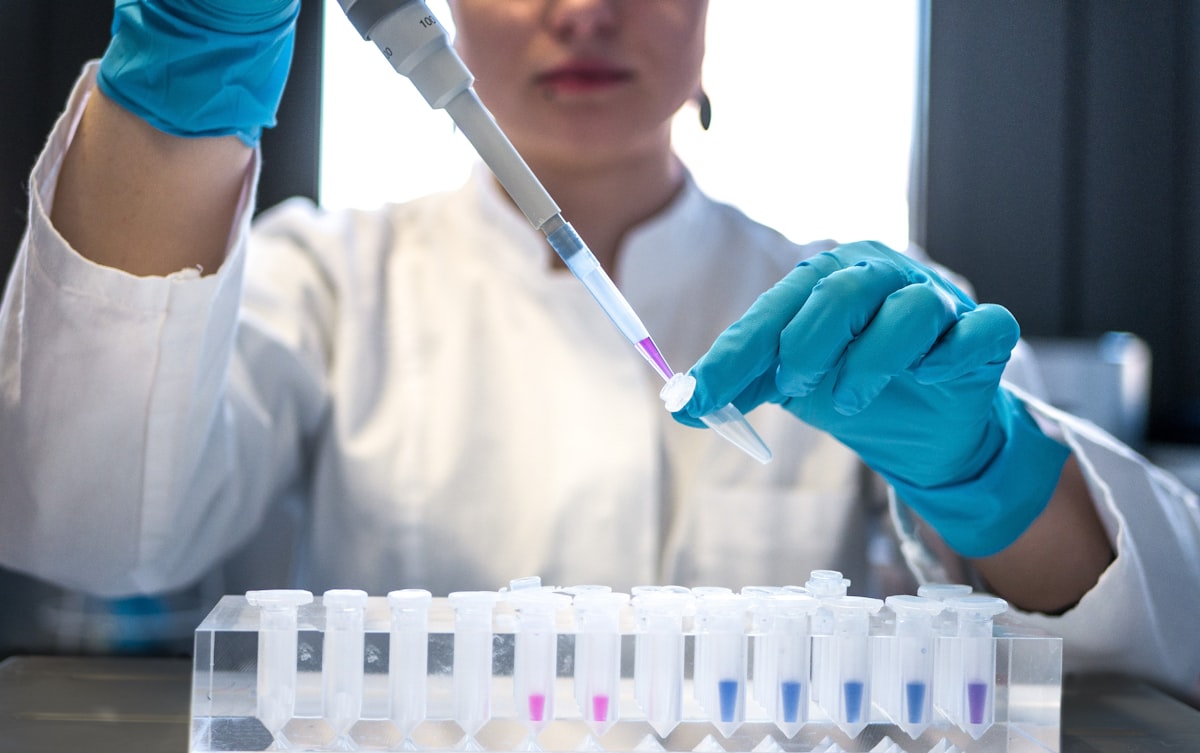
Doctors give you a drug called plerixafor to force your hematopoietic stem cells out of your bone marrow and into your bloodstream. They then hook you up to an apheresis machine that siphons your blood, grabs the stem cells, and returns the rest. This takes four to six hours. You are awake. You are cramping. You are watching your own blood run through plastic tubes while a machine hums. One patient I spoke with described it as "being bled by a robot with a grudge."
Step two: Chemo ablation
This is the part the PR teams hide. The CRISPR edit itself is not the hard part. The hard part is clearing out your old bone marrow so the edited cells can take root. That requires busulfan, a chemotherapy agent that destroys your bone marrow entirely. You will lose your hair. You will lose your appetite. You will lose your immune system. You will be isolated in a hospital room for weeks, vulnerable to any infection a careless visitor might carry in. The mortality risk from this conditioning regimen alone is estimated at 1 to 3 percent. That is not nothing. That is one in thirty patients dying from the cure itself.
"We are asking patients to survive a bone marrow transplant without a donor. That is what this is. The CRISPR does the edit, but the chemo does the killing." — Dr. Haydar Frangoul, pediatric hematologist at Sarah Cannon Research Institute, lead investigator for the Casgevy clinical trial, as paraphrased from his public comments at the American Society of Hematology meeting.
The company data shows that out of 44 patients treated in the pivotal trial, 39 achieved the primary endpoint: no severe vaso-occlusive crises for at least 12 months. That is a 93.2 percent success rate among those who made it through. But here is the cold math. Five patients did not achieve the endpoint. More importantly, the trial excluded patients with severe organ damage, patients with a history of stroke, and patients over the age of 35. The sickest sickle cell patients, the ones in constant agony, the ones with necrotic hips and failing kidneys, were sitting on the sidelines while this CRISPR sickle cell approval was built on a healthier subset.
Why the biology makes everyone nervous
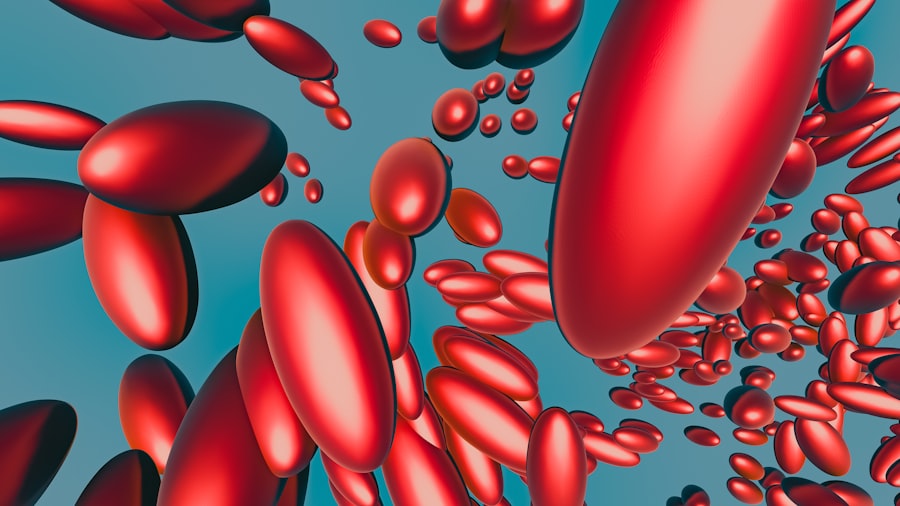
Let me explain the molecular mechanism so you understand why some researchers are biting their nails. Sickle cell disease is caused by a single point mutation in the beta-globin gene. It turns hemoglobin into a sticky mess that deforms red blood cells into crescent shapes. Those misshapen cells clog capillaries, starve tissues of oxygen, and cause pain that patients describe as being stabbed with hot glass.
Casgevy does not fix the broken gene. Instead, it uses CRISPR to knock out a genetic switch called BCL11A. This switch normally tells your body to stop making fetal hemoglobin after birth. By destroying BCL11A in your stem cells, your body starts cranking out fetal hemoglobin again. Fetal hemoglobin does not sickle. It dilutes the bad stuff. The logic is elegant. The execution is terrifying.
The off target editing problem
Here is the worry that keeps bioethicists up at night. The Cas9 enzyme that cuts the DNA is not perfect. It can nick the wrong part of the genome. A cut in the wrong place can cause a cancer gene to activate or a tumor suppressor gene to shatter. Vertex and CRISPR Therapeutics performed extensive off target analysis and claim they found no problematic edits. But that analysis was done in a dish. The body is not a dish. The human genome is 3 billion base pairs long. You cannot check every single one. The FDA acknowledged this risk in their labeling, mandating a 15 year long term follow up study for every patient treated.
"We are going to have to watch these patients for a decade or more to really know the cancer risk. That is not a criticism. That is a statement of fact. The science is solid, but the horizon is short." — Dr. Fyodor Urnov, professor of genetics and development at Columbia University, as quoted in his statement to the FDA advisory committee meeting on October 31, 2023.
The CRISPR sickle cell approval comes with a black box warning? No. But it should be in flashing neon. The FDA required a postmarketing study to monitor for malignancies. That means the patients who get this therapy today are effectively guinea pigs for the next fifteen years. They volunteered for that. But did the system prepare them for the true scope of the uncertainty?
The cost: a cure only for the rich
Let us talk about the elephant in the infusion suite. Vertex set the wholesale acquisition cost at $2.2 million per patient. That is $2,200,000. For one person. For one treatment. That number is not an accident. Vertex looked at the lifetime cost of managing sickle cell disease, which runs between $4 and $6 million per patient in hospitalizations, pain management, and lost productivity, and priced their therapy just below that line. It is a logically defensible number. It is also morally grotesque.
- Medicaid covers approximately 50 percent of all sickle cell patients in the United States. Medicaid is already broke.
- Private insurers are negotiating outcomes based contracts, meaning they only pay if the patient stays crisis free for a year. That shifts the risk to the hospital.
- Bluebird bio's similar gene therapy, Lyfgenia, priced at $3.1 million, was approved on the same day. The market now has two options. Both are unaffordable for the average family.
Here is the kicker. The patients who need this the most are the ones least likely to get it. Sickle cell disease disproportionately affects Black Americans. According to the CDC, about 1 in 365 Black births result in a child with sickle cell. The socioeconomic barriers facing these families are staggering. Even if insurance covers the therapy, the patient must take weeks off work. They need a caregiver. They need a hospital that can perform the apheresis and the transplant. Most sickle cell centers are underfunded. The CRISPR sickle cell approval does not fix that. It widens the gap.
The real timeline: why you should not hold your breath
Let me debunk the fantasy that thousands of patients will be cured next month. The manufacturing capacity for Casgevy is currently measured in the dozens of patients per year. Vertex has partnerships with a handful of qualified treatment centers. The process of procuring a patient's stem cells, shipping them to a central facility, performing the CRISPR edit, quality testing the cells, and shipping them back takes roughly three to six months. And that is if everything goes perfectly.
The FDA required that each batch of edited cells be tested for purity, potency, and off target edits. That testing is rigorous. It takes weeks. If a batch fails, the patient goes back to square one, enduring another bone marrow harvest and another round of chemotherapy. The success rate of the manufacturing process is not public, but industry insiders whisper that the yield is variable. Some patients simply do not produce enough stem cells to edit. Even with the best technology, the CRISPR sickle cell approval is a bespoke, artisanal product. It is not a cure you can mass produce.
The competition problem nobody is talking about
Bluebird bio's Lyfgenia uses a different approach. Instead of CRISPR, they use a lentiviral vector to insert a functional beta-globin gene into the patient's stem cells. It is older technology, but it is proven. Bluebird has been selling a similar therapy for beta-thalassemia in Europe for years. Their approval came on the same day as Casgevy. The market now has two gene therapies for sickle cell. Both require chemo. Both cost millions. Both are out of reach for the global south where sickle cell is most prevalent. Nigeria alone has over 150,000 babies born with sickle cell every year. The CRISPR sickle cell approval will save exactly zero of them without a radical rethinking of global health economics.
The cancer signal that nobody wants to talk about
I saved the dirtiest secret for last. In the clinical trials for Lyfgenia, Bluebird's older gene therapy for beta-thalassemia, one patient developed myelodysplastic syndrome, a pre-leukemic condition. That patient eventually died. The exact cause is still under investigation, but the worry is that the viral vector inserted the therapeutic gene near a cancer gene, turning it on. This is called insertional mutagenesis. It happened in early gene therapy trials for severe combined immunodeficiency in the 2000s. It killed some of those children.
Casgevy does not use a virus. It uses CRISPR to make a double stranded break, which the cell then repairs imprecisely. The risk profile is different. But it is not zero. The FDA's own briefing document from October 2023 noted that in the Casgevy trials, one patient developed a condition called hemophagocytic lymphohistiocytosis, a severe inflammatory syndrome that can be fatal. Another patient developed pulmonary hypertension. The agency downplayed these as unrelated to the gene edit. Maybe they are. Maybe they are not. We will not know for years.
This is the uncomfortable truth about the CRISPR sickle cell approval. It is a breakthrough. It is also a leap into darkness. The patients who receive it are not just being cured. They are being studied. They are the dataset for the next generation of gene editing. That is a heavy burden to place on people who have already suffered a lifetime of pain.
What happens to the patients who say no
There is a silent cohort of patients, mostly adults who have watched their friends die in clinical trials, who are refusing the therapy. They have seen the chemo. They have seen the isolation. They have seen the uncertainty. One patient advocate told me that some of her members consider the current therapy worse than the disease. "They have learned to manage their pain. They have built a life around their limitations. Asking them to risk death for a chance at a normal life is a harder sell than the doctors realize."
The sickle cell community is divided. Younger patients with access to good hospitals are lining up. Older patients with organ damage are being told they are not candidates anyway. The CRISPR sickle cell approval creates a two tier system: those healthy enough to survive the cure, and those left behind to suffer with the disease. That is not a failure of the science. That is a failure of the infrastructure.
The global paradox: a cure that cannot travel
The World Health Organization estimates that sickle cell disease affects 20 million people globally. The vast majority live in sub Saharan Africa, India, the Middle East, and the Caribbean. These are regions with unreliable electricity, limited clean water, and minimal access to blood transfusions. The CRISPR sickle cell approval is as relevant to those patients as a spaceship is to a man dying of thirst in the desert. The therapy requires a clean room, a liquid nitrogen supply chain, and a hospital that can perform bone marrow transplants. There are exactly zero hospitals in rural Nigeria that meet those standards.
Vertex has announced a partnership with several African governments to explore "feasibility." That is corporate speak for "we have no idea how to do this." The reality is that the drug will flow to the wealthiest patients in the wealthiest countries. The rest will watch from afar, their pain unrelieved, while the headlines celebrate a cure they will never see.
The CRISPR sickle cell approval is a scientific triumph. It is the first time we have deliberately rewritten the human genome to treat a disease. That is not hyperbole. That is history. But history is written by the winners, and in this story, the winners are the investors, the researchers, and the small cohort of patients who can access the therapy. The losers are everyone else. The disease does not care about our breakthroughs. It keeps killing. And until we solve the problems of cost, manufacturing, and infrastructure, the cure will remain a beautiful, expensive, and heartbreakingly incomplete promise.
The FDA stamp is dry on the paper. The first patients are getting their cells harvested right now, in real time, as you read this. They are lying on gurneys with needles in their arms, hoping that the CRISPR scissors cut straight and true. They are betting their lives on a technology that has never been used this way before. God, I hope the science holds. Because if it does not, the backlash will bury gene therapy for a generation. And if it does hold, we still have to ask ourselves a question that has no comfortable answer: is a cure that only a few can afford really a cure at all?
Frequently Asked Questions
What did the FDA approve for sickle cell disease using CRISPR?
The FDA approved Casgevy, a CRISPR-based gene editing therapy, for sickle cell disease in December 2023.
What is the 'catch' associated with this CRISPR cure?
The therapy requires a risky bone marrow transplant and chemotherapy, limiting access and posing serious side effects.
Who is eligible for this CRISPR sickle cell treatment?
The treatment is approved for patients aged 12 and older with severe sickle cell disease.
How does CRISPR sickle cell therapy work?
It edits a patient's blood stem cells to boost fetal hemoglobin, then transplants them back after chemotherapy.
What are the main drawbacks of this therapy?
High cost, extensive medical processes, and risks like infertility mean it's not a simple fix for all patients.
Matteo Ricci reports on medicine and public health, from clinical breakthroughs to the systems that deliver care. He is committed to explaining complex health topics in a way readers can act on.
💬 Comments (0)
No comments yet. Be the first!