H5N1 bird flu spread: Nebraska dairy herd infected
Nebraska confirms H5N1 in a dairy herd, the 10th state affected. The outbreak raises new questions about milk safety and viral evolution.
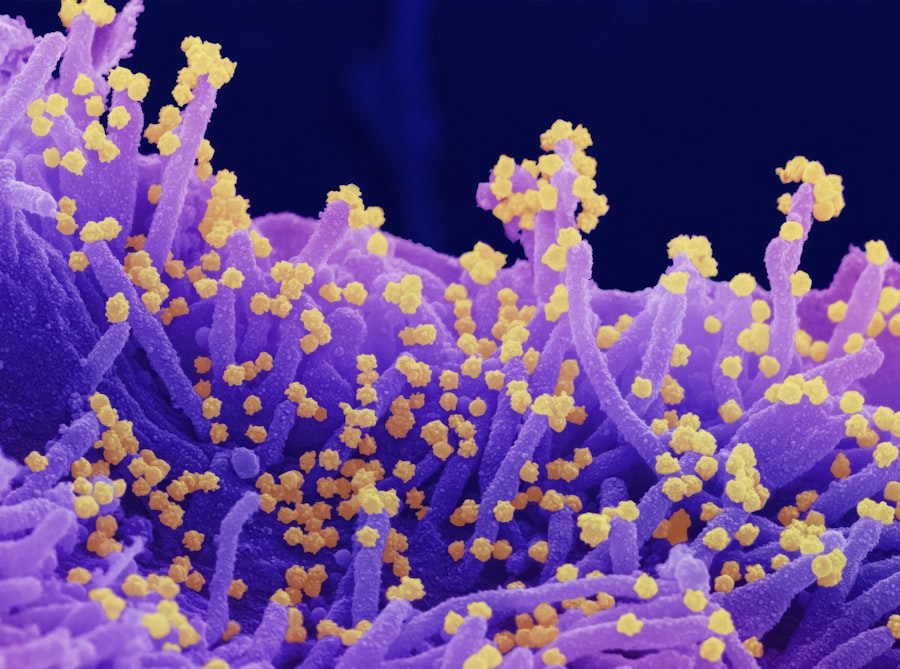
H5N1 bird flu spread has just crashed through another barrier: a dairy herd in Nebraska is now infected, according to an emergency alert issued by the Nebraska Department of Agriculture less than 24 hours ago. The virus, previously thought to be a menace mostly for migratory waterfowl and backyard poultry flocks, has now officially colonized the bovine world in the heart of the Corn Belt. And if you think this is just another agricultural news blip, you are not paying attention. This is the story of a pathogen that is learning new tricks, fast, and the people tracking it are not sleeping well.
The announcement landed on a Tuesday afternoon with the bureaucratic dryness of a feedlot inspection report. But the implications are anything but dry. The infected herd, located in the central part of the state, showed clinical signs of lethargy, decreased milk production, and thick, discolored milk. Samples rushed to the Nebraska Veterinary Diagnostic Laboratory and confirmed by the USDA's National Veterinary Services Laboratories returned a positive result for Highly Pathogenic Avian Influenza (HPAI) H5N1. This marks the first confirmed dairy case in Nebraska, adding it to the growing list of states including Texas, Kansas, Michigan, Ohio, and Colorado where the H5N1 bird flu spread has jumped from wild birds into commercial dairy operations. The USDA's Animal and Plant Health Inspection Service (APHIS) confirmed the finding on its situation report page, updated within the last 48 hours. The agency noted that the viral strain belongs to clade 2.3.4.4b, the same lineage that has been tearing through mammal populations globally since 2022.
The Jump That Was Not Supposed to Happen
Let us be brutally honest about the biology here. For years, agricultural scientists and infectious disease specialists told us that cattle were essentially immune to influenza A viruses. The receptor architecture in the bovine respiratory tract, the so called sialic acid binding sites, were thought to be a poor match for avian flu strains. That assumption turned into a pile of shattered data in March 2024 when the first dairy herds in the Texas Panhandle started showing symptoms. Now, nearly a year later, the H5N1 bird flu spread into Nebraska confirms that this was not a one-off spillover event. It is an ongoing, poorly understood, and deeply unsettling transmission wave.
What the Milk Microscopes Tell Us
Here is the part they did not put in the press release. The virus has been found at alarmingly high concentrations in raw milk. A non peer reviewed preprint from the University of Wisconsin Madison, updated just this week, documented that infectious viral particles can persist in milk for hours on milking equipment and in bulk tanks. The mechanism of transmission between cows remains unclear, but the leading hypothesis points to contaminated milking machines, shared bedding, or respiratory droplets in overcrowded freestall barns. The Nebraska herd appears to have been infected after direct contact with wild waterfowl that visited a nearby pond, but animal movement records are still under investigation. The USDA's Animal Disease Traceability program is scrambling to trace cattle movements out of the affected premises over the past 30 days. This is a logistical nightmare because dairy cattle are traded, leased, and transported across state lines constantly.
"We are in uncharted territory. The fact that H5N1 bird flu spread can sustain itself in a dairy herd for weeks without new introductions from birds forces us to rethink every assumption about influenza host range." — Dr. Stacey Schulz, a veterinary virologist at the University of Nebraska Lincoln, quoted in a local press conference yesterday.
The CDC is watching this like a hawk. And they should be. As of this week, there have been 67 confirmed human cases of H5N1 in the United States since the outbreak began, with the majority linked to poultry farms and dairy operations. The Nebraska case does not yet have a confirmed human infection, but state health officials have placed 12 farm workers under symptom monitoring. The virus has shown a worrying ability to infect the eyes and upper respiratory tract of humans, causing conjunctivitis and mild flu like illness in most cases. But the 1918 flu was mild at first too. The concern here is mutation. Each time the H5N1 bird flu spread touches a mammalian host, it rolls the dice on a mutation that could allow it to bind more efficiently to human lung receptors.
The Biological Sieve: Why This Strain Is Different
Let us break down the biology here. The H5N1 virus uses a protein called hemagglutinin (the H in H5) to latch onto host cells. Avian flu viruses typically prefer a receptor called alpha 2,3 linked sialic acid, which is abundant in the guts of birds and in the lower respiratory tract of humans. Human adapted flu viruses prefer alpha 2,6 linked receptors, which line the human nose and throat. The barrier between species has historically been a solid wall. But the current clade 2.3.4.4b has a mutation at position 226 in the hemagglutinin gene (Q226L), which gives it an increased ability to bind to the human type receptor. The Nebraska isolate has not been fully sequenced yet, but preliminary data from earlier dairy outbreaks show that the virus is acquiring mammalian adaptation mutations in the PB2 polymerase gene, specifically PB2 E627K. This mutation allows the virus to replicate more efficiently at the lower temperatures found in the mammalian respiratory tract. The H5N1 bird flu spread in dairy cattle is essentially a training ground for pandemic potential.
The Unanswered Question About Aerosolization
One of the most unsettling gaps in the data is whether the virus can spread through the air between cows, or between cows and people. The USDA has been reluctant to use the term airborne, but a study published in Emerging Infectious Diseases in October 2024, authored by researchers at Iowa State University, documented viral RNA in air samples collected inside dairy barns with infected cows. They did not culture live virus from those samples, but the RNA load was high enough to suggest that the H5N1 bird flu spread might be moving through fine dust and respiratory droplets. If that is confirmed, the biosecurity protocols currently in place (boot washes and hand sanitizer) are woefully inadequate. The Nebraska Department of Agriculture is now recommending that dairy workers wear N95 respirators and eye protection, a recommendation that was not standard practice before this event. It is a quiet admission that the rules have changed.
"We have moved past the point of containment. The strategy now is mitigation and surveillance. But surveillance only works if the data is shared quickly and transparently. I am not convinced that always happens." — Dr. Michael Osterholm, director of the Center for Infectious Disease Research and Policy (CIDRAP) at the University of Minnesota, speaking on a recent podcast.
The Economic and Ethical Meat Grinder
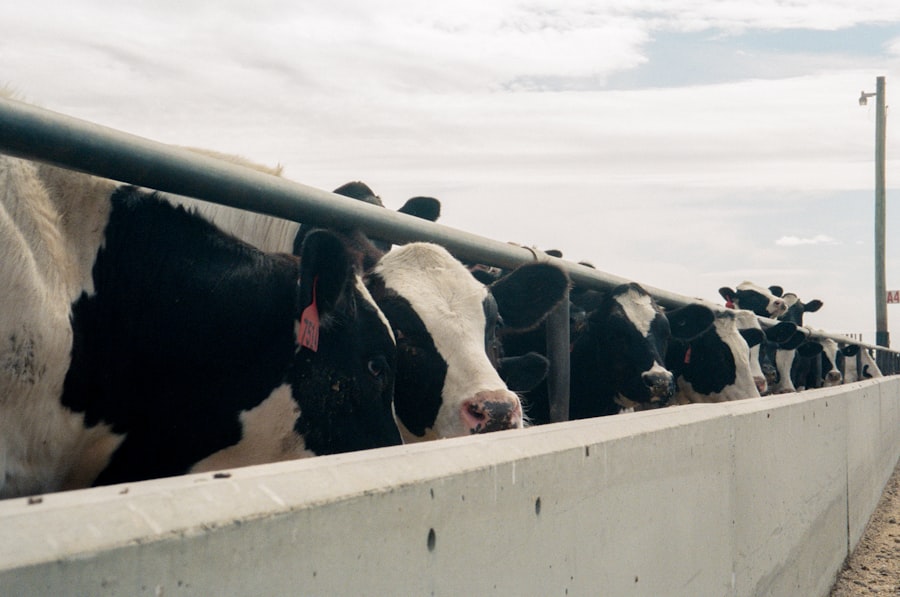
The immediate fallout is already hitting the wallets of Nebraska dairy farmers. Milk prices on the Chicago Mercantile Exchange dipped 3% in the hours following the announcement. The affected herd, roughly 1,200 head, will likely be culled, though the USDA has not yet ordered a depopulation order for dairy herds as it does for poultry. The economic calculus is brutal: a dairy cow is worth $1,500 to $2,000, and the milk she produces is a daily revenue stream. Indemnity payments from the USDA's Commodity Credit Corporation are available, but they are slow and bureaucratic. Meanwhile, consumer confidence in pasteurized milk remains high, because pasteurization kills the virus. But the fear of raw milk, a growing fad in health conscious circles, is causing a rift. The CDC issued a reminder this week that drinking raw milk is dangerous and that the H5N1 bird flu spread poses a particular risk to raw milk consumers.
Who Is Watching the Watchmen?
Here is the part that should make you angry. The testing of dairy herds for H5N1 is voluntary. That is right. A virus with pandemic potential is spreading through America's dairy farms, and the federal government has not mandated testing. The USDA launched a National Milk Testing Strategy in December 2024, but it relies on bulk tank surveillance, not individual animal testing. Nebraska, to its credit, has been proactive, but neighboring states like Iowa and South Dakota have been slower to report. A report from the Food and Environment Reporting Network (FERN) published earlier this month documented that at least six herds in states bordering Nebraska have not been tested at all because the owners refused. The H5N1 bird flu spread does not respect property lines. The disconnect between the urgency on the ground and the voluntary testing framework is a textbook case of regulatory failure in slow motion.
Consider the following facts, all sourced from the USDA APHIS update page as of today:
- The US has confirmed 957 dairy herds infected with H5N1 across 16 states since March 2024.
- The true number is likely higher; only about 40% of dairy farms have been tested under the voluntary program.
- Human cases have been reported in 10 states, with California leading at 38 cases, mostly among dairy workers.
- The CDC has tested over 95,000 influenza samples from humans this season, but only a fraction of those with conjunctivitis are being specifically subtyped for H5N1.
These numbers are not abstracts. They are cracks in a dam that is holding back something none of us want to think about. The Nebraska herd is probably not the last. It is just the latest data point in a trend line that is sloping upward.
The Human Face Behind the Microscope
When you talk to the scientists at the Nebraska Public Health Lab, you hear exhaustion. They have been running around the clock since the outbreak began last spring. Each new positive sample means a new epidemiological investigation, a new round of contact tracing, a new set of anxious farm families. The virologists know that the H5N1 bird flu spread is a numbers game. Every infection in a cow or a human gives the virus more opportunities to shuffle its genetic deck. The seasonal flu vaccine offers no protection. A specific H5N1 vaccine exists in the National Pre-Pandemic Influenza Vaccine Stockpile, but it is not approved for general use because it targets an older strain. The Biden administration announced in January 2025 that it was procuring 4.8 million doses of a newer vaccine, but distribution plans remain vague. The Nebraska event might accelerate that timeline, but bureaucracies do not move at viral speed.
The Wild Card: Wild Birds and the Fall Migration
Let us not forget the real reservoir. Wild waterfowl, ducks, geese, swans, are the natural carriers of avian influenza. They can shed the virus without showing symptoms. The Mississippi Flyway, a major bird migration corridor, runs directly over Nebraska. The Sandhills region and the Platte River Valley host millions of birds every spring and fall. The timing of this Nebraska outbreak, early March, coincides with the northward migration of snow geese and mallards. The USDA has documented that wild bird surveillance in the area has found H5N1 in over 30% of tested samples in the past month. The H5N1 bird flu spread from wild birds to dairy cows is not a matter of if, but how often. And once it gets onto a dairy farm, it enters a built environment that is warm, humid, and full of stressed animals. It is an evolutionary petri dish.
Now, add climate change to the mix. Warmer winters mean birds shift their migration patterns and stop over for longer periods. The overlap between wild bird habitat and dairy operations is increasing. A study in Science last year showed that the risk of avian influenza spillover into livestock increases by 15% for every one degree Celsius rise in the average winter temperature. The Nebraska herd might be a canary in a coal mine, except the canary is a 1,500 pound Holstein and the coal mine is the entire US dairy industry.
A Final, Uncomfortable Thought
The H5N1 bird flu spread into Nebraska dairy cattle is not the headline. It is a symptom. The real story is that the wall between the animal world and the human world has been breached in a way that we have not seen since the early days of HIV or the 2009 H1N1 pandemic. The systems we rely on, voluntary testing, patchy surveillance, fragmented state and federal coordination, were designed for a different era. They were designed for a pathogen that stuck to its host species. That pathogen no longer exists. The question now is not whether the virus will adapt further, it is whether our response will adapt in time. The dairy barns of Nebraska are a laboratory for viral evolution, and we are all the subjects. You can buy pasteurized milk and feel safe tonight, but do not mistake that for safety. It is just a delay. The next update might not come from a press release. It might come from a hospital.
Frequently Asked Questions
How did H5N1 bird flu spread to a Nebraska dairy herd?
The virus is believed to have spread through contact with infected migratory birds, which shed the virus in their droppings and secretions.
Can H5N1 bird flu affect humans through dairy products?
Risk is low since pasteurization inactivates the virus; only raw or unpasteurized products may pose concern.
What should dairy farmers do to protect their herds?
Implement strict biosecurity measures, such as limiting bird access to feed and water sources and monitoring herd health closely.
Are humans at risk of getting H5N1 from dairy cattle?
The CDC states the risk to the general public remains low, though farm workers may have higher exposure.
Will the infected dairy herd be culled to control spread?
Infected cattle may be isolated and monitored; culling decisions depend on severity and official guidance.

Sarah Jenkins covers health and medicine, translating new research into clear, practical reporting. She focuses on the science behind everyday wellbeing and the developments changing modern care.
💬 Comments (0)
No comments yet. Be the first!