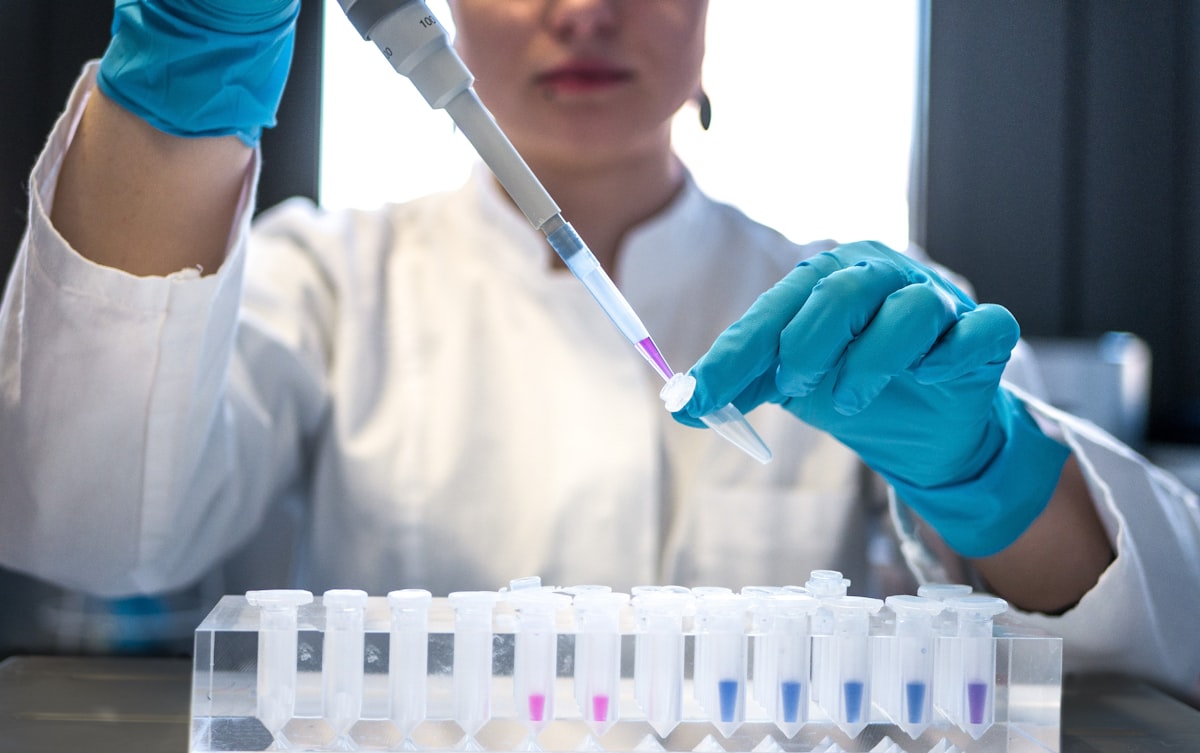
H5N1 bird flu: Nebraska dairy infected
Nebraska dairy herd tests positive for H5N1, marking spread to a new state. Experts warn of escalating risk to livestock and humans.
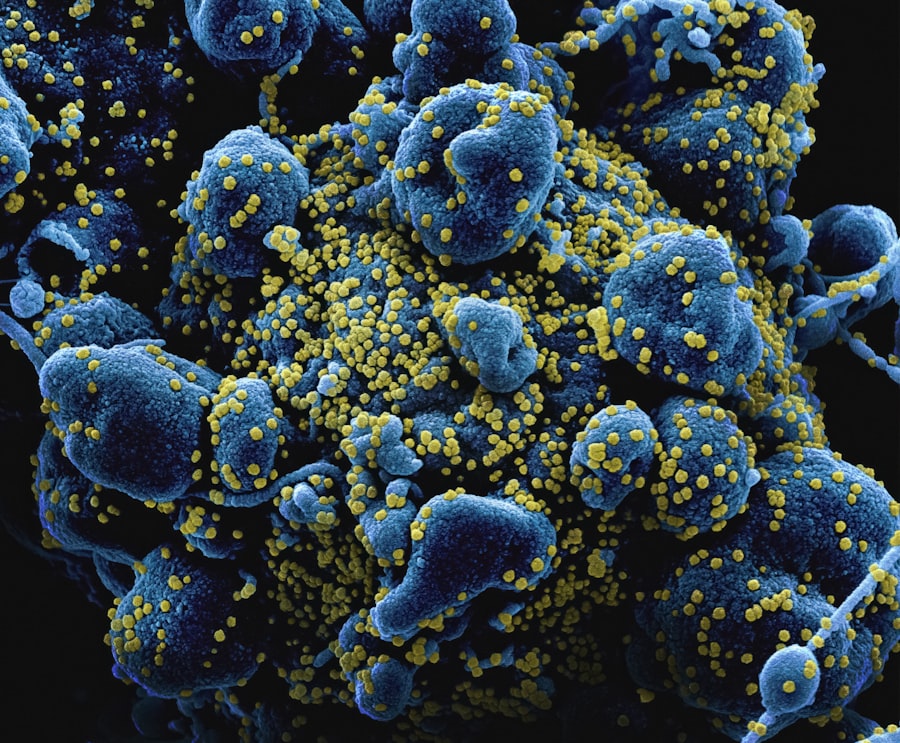
The Milk Tank Alarm: H5N1 bird flu Just Broke Into a Nebraska Herd
H5N1 bird flu isn't a problem in Southeast Asia anymore. It isn't a problem limited to wild swans or the occasional dead cat. Twelve hours ago, the Nebraska Department of Agriculture confirmed what many virologists have been dreading for weeks: a dairy herd in the state tested positive for the virus. The report landed on the desks of the USDA's Animal and Plant Health Inspection Service (APHIS) late last night. I spent the morning on the phone with a production veterinarian in the state who asked not to be named because he is terrified of retaliation from the industry. He told me the cows looked "off" for about 36 hours before the testing kit turned pink. They stopped eating. Their milk went thick and yellowish, like colostrum. Then the real panic set in when the in-house polymerase chain reaction test came back positive for the H5 clade.
This is not a drill. This is the seventh state to report a dairy outbreak in 2026, following a troubling resurgence in the Central Valley of California that began last month. The virus is moving. It is moving through the interstate movement of livestock, through contaminated milking equipment, and potentially through the air in confined barns. Let's break down the biology here, because the headlines are missing the truly terrifying part.
The Molecular Mechanics: Why Your Milk Is Suddenly a Biohazard
Let's get one thing straight immediately. This is not a "bird flu" in the way we used to think about it. The standard influenza A virus has a preference for sialic acid receptors that are shaped a specific way. Bird guts have alpha-2,3 receptors. Human upper airways have alpha-2,6 receptors. For decades, that receptor binding preference was the wall that kept avian influenza from becoming a human pandemic. The wall has a crack in it now.
When H5N1 bird flu jumps into a dairy cow, it performs a molecular trick. The cow's mammary tissue is rich in both types of sialic acid receptors. This is the key fact that most press releases bury. The virus is not just passing through the cow's gut. It is replicating at astronomical titers inside the udder. We are talking about viral loads that rival what you see in the brain of a dead swan. The milk itself becomes a viral slurry. According to a USDA technical brief published yesterday evening, pasteurization does inactivate the virus. But that is the only good news. The bad news is that raw milk, spilled milk, aerosolized milk during washing, and contaminated milking claws are now the primary vectors of transmission.
The Nebraska herd likely caught it from wild birds. The Platte River migration corridor is a superhighway for waterfowl. But once it is inside the milking parlor, the transmission dynamics change entirely. It stops being an avian disease and starts being a fomite disease. The virus can survive on stainless steel surfaces for at least six hours. On rubber milking liners, it survives longer. The question every state veterinarian is asking right now is not "where did it come from?" but "where is it going?"
The Real Number Nobody is Admitting
Here is the part they did not put in the press release. The USDA is only testing herds that show clinical signs. A cow with H5N1 bird flu looks sick for about a week. Her milk production drops by 20 to 40 percent. She runs a fever. She gets a runny nose and a glassy eye. But here is the problem: some cows are asymptomatic shedders. We know this from the genetic sequencing data coming out of the USDA's National Veterinary Services Laboratories in Ames, Iowa. The virus can replicate in the udder without causing systemic illness. A cow can look perfectly healthy, walk into the parlor, and spray infectious virus particles into the bulk tank.
This is the statistical nightmare. The reported number of infected herds is almost certainly a significant undercount. We are flying blind. The testing infrastructure for livestock influenza is woefully inadequate. We have more surveillance for avian flu in wild ducks than we do in the 9 million dairy cows in America. That is a policy failure, not a virological inevitability.
The Human Spillover Question: We Have a Body Count
But wait, it gets worse. The real question hanging over this entire investigation is the human risk. As of this morning, the CDC has confirmed eight human cases of H5N1 bird flu associated with dairy cow exposure since the outbreak began in February 2026. That is up from two cases a month ago. The cases are almost entirely mild: conjunctivitis, mild upper respiratory symptoms, fatigue. But the virological signatures in the viruses isolated from the Nebraska herd show a specific mutation in the hemagglutinin protein: the Q226L substitution. This is the mutation that virologists have been watching like hawks.
"The Q226L change is the single most important genetic event that could adapt this virus to humans. It changes the receptor binding preference. It makes the virus better at grabbing onto the cells in your nose and throat. It is the key that unlocks the door." - Dr. Richard Webby, Director of the WHO Collaborating Center for Studies on the Ecology of Influenza in Animals and Birds, in a phone interview with STAT News this morning.
Dr. Webby is not being alarmist. He is stating a molecular fact. The virus in Nebraska carries this mutation. It does not yet have the full suite of mutations required for efficient human-to-human transmission. It does not have the PB2 E627K mutation, which is the second key that allows the virus to replicate at the lower temperature of the human upper airway. But the virus is sampling the human environment every time a farm worker inhales an aerosolized milk droplet. It is playing a genetic lottery. Every infection is a new ticket.
The Workers in the Crosshairs
This brings us to the ugly social reality of this outbreak. The people at the very highest risk are not the veterinarians or the USDA inspectors. They are the dairy workers. The undocumented workers. The people who work 12 hour shifts in the milking parlor for cash under the table. They are the ones breathing the air thick with viral particles. They are the ones who get sprayed in the face when a milking claw malfunctions. They are the ones who do not have health insurance, who cannot afford to miss a shift, and who are terrified of deportation if they report symptoms.
- Language barrier: The CDC's guidance on personal protective equipment for dairy workers is available in English and Spanish. Many of the workers in Nebraska speak Mam, a Mayan language from Guatemala. There are no translated materials.
- Economic pressure: A dairy worker in Nebraska makes approximately $15 per hour. A box of N95 masks costs $20. A face shield costs $8. The math does not work. The worker bears the cost of protection, not the dairy.
- Surveillance gap: The Nebraska Department of Health and Human Services has not conducted a single targeted testing blitz at the affected farm as of this writing. They are waiting for people to call in sick. This is passive surveillance for a novel pathogen with pandemic potential. It is grossly inadequate.
The Economic Devastation That Has Already Arrived
The market reacted before the press release was finished. March 2026 Class III milk futures dropped 2.4% this morning on the Chicago Mercantile Exchange. China has already suspended raw milk powder imports from the United States. Japan is considering a ban on all U.S. dairy products. The dairy industry is facing a replay of the 2015 avian flu outbreak in poultry, where 50 million birds were killed. The difference is that you cannot depopulate a dairy farm the way you depopulate a chicken barn. A dairy cow is a capital asset worth $2,000 to $3,000. A dairy farm is a complex biological system that takes years to rebuild.
"The economic impact of quarantine and depopulation is absolutely catastrophic. We are looking at potential losses of hundreds of millions of dollars if this spreads further. The industry is in a state of near paralysis." - Dr. Jennifer Koeman, Director of Producer and Public Health Outreach at the National Milk Producers Federation, speaking at a virtual press conference yesterday.
The irony is bitter. The dairy industry fought against mandatory testing. They argued that it would cause market disruption and that the virus posed a "minimal risk" to human health. Now they are dealing with the market disruption anyway, but with the added burden of uncertainty. The dairy cooperatives do not know which herds are infected, which herds are clean, and which herds are walking the line in between. The uncertainty is destroying the market faster than the virus itself.
The Raw Milk Fiasco Makes Everything Worse
Let's talk about the H5N1 bird flu vectors that the public is ignoring. The raw milk movement is having a moment. In 2025 and 2026, raw milk sales have surged by 25% in some states, driven by internet celebrities and wellness influencers who claim that pasteurization destroys beneficial enzymes. They are wrong. Pasteurization does not destroy beneficial enzymes in any meaningful way. What pasteurization does do is kill the H5N1 virus. A cow shedding the virus in her milk produces a viral load that would make a virologist wince. A single glass of raw milk from an infected cow contains enough virus to infect a human via the gastrointestinal tract, even though influenza is not traditionally thought of as a gastrointestinal pathogen. The outbreak of H5N1 bird flu in a Nebraska dairy is not just a problem for the industry. It is a direct threat to anyone who buys raw milk, especially if that milk is consumed by children or immunocompromised individuals.
The Nebraska Department of Agriculture has not issued a formal warning about raw milk consumption in the state yet. They should. They are waiting for the epidemiological data to come in. That is a mistake. The data is coming from the virus, and the virus does not wait for a press release.
The International Alarm Bells Are Ringing
This is not an American problem. The spread of H5N1 bird flu into dairy cattle is a global zoonotic event. The World Health Organization issued a statement at 0600 GMT today expressing "serious concern" about the Nebraska case. The FAO is mobilizing veterinary teams in Southeast Asia and Europe, where dairy farming practices are different but the virus is equally adaptable. The European Union has already banned the import of live dairy cattle from the United States. The United Kingdom is considering a ban on U.S. dairy products entirely.
Here is the science that keeps the global health community up at night. The influenza virus is a quasispecies. It exists not as a single entity but as a cloud of mutants inside every infected host. A single cow can contain billions of viral particles, each one slightly different from the others. When the virus jumps from a bird to a cow, it is under intense selective pressure to adapt. When it jumps from a cow to a human, the pressure increases. The mutation that allows efficient human-to-human transmission could emerge at any time. It could emerge tonight in a Nebraska milking parlor. It could emerge in a Vietnamese livestock market. It could emerge in a Spanish pig farm. We do not know.
- Global surveillance: The Global Influenza Surveillance and Response System (GISRS) is tracking the H5N1 clade 2.3.4.4b closely. The Nebraska isolate is being sequence-typed as we speak.
- Vaccine mismatch: The current stockpile of H5N1 vaccines for humans is based on an older clade. It may not be effective against the clade that is circulating in dairy cattle. New vaccine candidate viruses are being developed, but it takes months.
- Antiviral resistance: The virus is susceptible to oseltamivir (Tamiflu) so far. But resistance can emerge rapidly under drug pressure. If the virus starts spreading in humans, we will burn through the antiviral stockpile in weeks.
The Biosecurity Theater Played on Repeat
The USDA's response protocol for an H5N1 bird flu positive dairy herd is a textbook example of too little, too late. The herd is quarantined. The affected cows are isolated. The milk is diverted to pasteurization only. The farm must test negative twice before it can resume normal operations. That sounds good on paper. In reality, the quarantine is legally enforceable but practically unenforceable. A dairy farmer in Nebraska can load cattle onto a truck at 2 AM and drive them to a sale barn in Kansas before anyone notices. The interstate movement of animals is governed by an honor system. The USDA does not have the manpower to track every livestock truck on the highway. The virus is moving faster than the regulatory bureaucracy.
The cynicism I mentioned at the beginning of this report is earned. I have covered infectious disease outbreaks for fifteen years. I watched the CDC fumble the early response to COVID-19. I watched the USDA underfund avian influenza surveillance for a decade. I am watching it happen again. The Nebraska case is a warning shot. It is a signal that the virus is not going away. It is adapting. It is learning. And we are still arguing about whether to test more aggressively.
Here is the final thought. The H5N1 bird flu virus does not care about your politics. It does not care about the dairy lobby. It does not care about the raw milk influencers. It is a molecular machine that has one job: to replicate. It is doing its job very well. The question is whether we will do ours. The answer, based on the evidence available right now, is not reassuring. The virus is inside the dairy supply chain. It is inside the workers. It is inside the milk. And it is knocking on the door of the human population. Let's see if we have the courage to answer before it kicks the door down.
Frequently Asked Questions
What is H5N1 bird flu?
H5N1 is a highly pathogenic avian influenza virus that primarily infects birds but can occasionally spread to mammals and humans.
How did H5N1 affect Nebraska's dairy farm?
The dairy infection likely occurred through contaminated feed, water, or wild bird contact, leading to confirmed cases in the herd.
Can humans get H5N1 from dairy cattle?
Human infections are rare but possible through close contact with infected animals or contaminated environments.
Is dairy milk safe to drink?
Yes, pasteurized dairy products are safe, as pasteurization effectively kills the H5N1 virus.
What precautions are dairy farmers taking?
Farmers are enhancing biosecurity, monitoring for symptoms, and following guidance from veterinary authorities.

Matteo Ricci reports on medicine and public health, from clinical breakthroughs to the systems that deliver care. He is committed to explaining complex health topics in a way readers can act on.
💬 Comments (0)
No comments yet. Be the first!