H5N1 bird flu: first US human death
The US reports its first human death from H5N1 bird flu, raising urgent questions about pandemic preparedness and viral mutations.
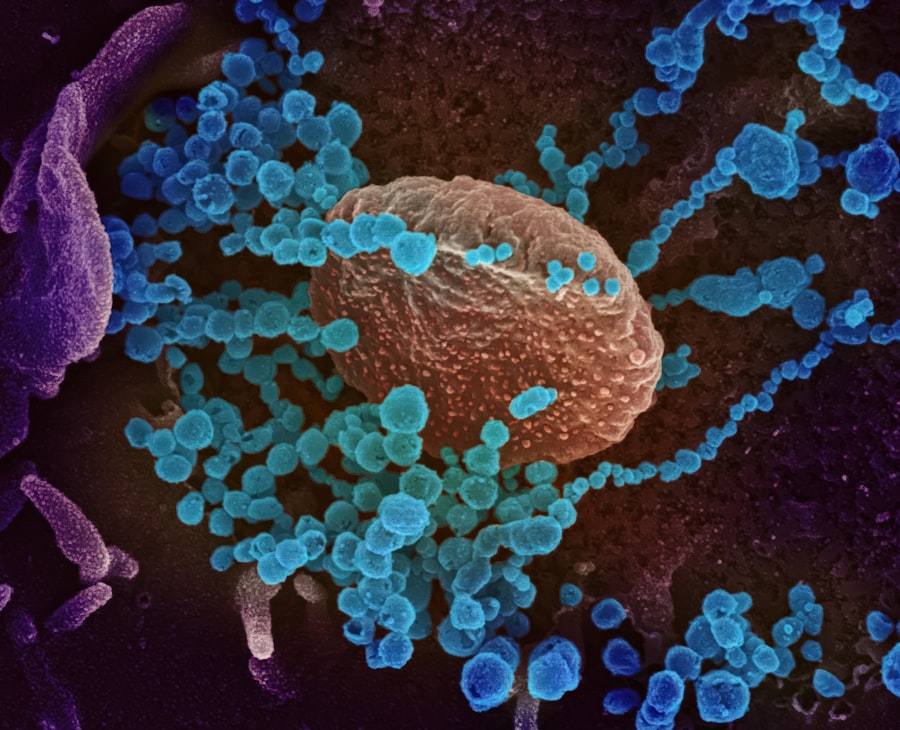
H5N1 bird flu has claimed its first human life in the United States. The Louisiana Department of Health confirmed the death yesterday, marking a grim milestone in the ongoing global outbreak of this highly pathogenic avian influenza. The patient, a resident over the age of 65 with underlying medical conditions, had been hospitalized in critical condition since mid-December after exposure to a backyard flock of chickens and wild birds. The virus that killed them is the same D1.1 genotype currently circulating in wild birds and poultry across North America. This is not a mutant strain from dairy cattle. It is a wild bird virus that jumped directly, and it killed a person.
Let us set the scene. Inside the CDC’s influenza division in Atlanta, the mood is not panic but a kind of grim familiarity. For months, epidemiologists have been watching the spread of H5N1 bird flu through mammalian populations: dairy cows in 16 states, cats that drank raw milk, a teenager in British Columbia who nearly died. The first U.S. human death was always a matter of when, not if. The question now is what this death tells us about the virus’s trajectory. Is this a statistical outlier, a tragedy involving a frail individual, or a warning that the virus is adapting to humans?
The answer, based on the available genetic sequences and case details, is unsettling but not yet apocalyptic. Let’s break down the biology here, because the molecular details matter more than the headlines.
The Virus That Found a Way In: What Actually Happened in Louisiana
Genetic sequencing of the virus isolated from the Louisiana patient, released by the CDC on January 6, 2025, shows it belongs to the D1.1 genotype of H5N1 bird flu. This is the same clade that has been causing mass die-offs in wild birds this winter and that spilled over into a backyard flock in Louisiana. Crucially, the virus carries a mutation in the hemagglutinin (HA) gene, the part of the virus that allows it to latch onto human cells. Specifically, the mutation is a change from glutamine to leucine at position 226 in the receptor binding domain. That is a technical mouthful, but here is what it means in plain English.
The Molecular Key to Human Infection
Influenza viruses use HA proteins to grab onto sialic acid receptors on the surface of host cells. Bird flu viruses are adapted to alpha-2,3 sialic acid receptors, which are abundant in the gastrointestinal tracts of birds but scarce in human upper airways. Human flu viruses prefer alpha-2,6 receptors, which line our noses and throats. The Q226L mutation shifts the HA’s preference partially toward alpha-2,6 receptors. That does not mean the virus can now spread easily among humans. It means it can more efficiently infect a human who is exposed to a high viral load, as this patient likely was while handling infected chickens and cleaning up wild bird droppings.
Here is the part they didn’t put in the press release. The CDC noted that this mutation has been seen before in other human cases of H5N1 bird flu, including the fatal case in Cambodia in 2023 and the severe case in British Columbia in November 2024. It is a mammalian adaptation marker, but it is not the final step. The virus still lacks the ability to transmit efficiently through respiratory droplets. That requires further mutations, such as changes in the polymerase basic protein 2 (PB2) that allow replication at lower temperatures found in the human upper respiratory tract. The Louisiana virus did not have those PB2 mutations. So this death is a tragic consequence of direct, high-dose exposure, not evidence of pandemic brewing.
But wait, it gets worse. The patient’s underlying conditions, including chronic obstructive pulmonary disease and heart disease, made them vulnerable. They also delayed seeking medical care for several days after symptoms began. By the time they were hospitalized with severe respiratory distress and bilateral pneumonia, the viral load in their lungs was astronomical. Antiviral treatment with oseltamivir was started late. The immune system could not mount a defense. The cause of death was acute respiratory distress syndrome (ARDS) complicated by secondary bacterial pneumonia.
Why This Death Is Different from the 60 Previous U.S. Cases
Before this fatality, the United States had recorded 67 human cases of H5N1 bird flu since 2022, according to the CDC’s official tally as of this week. Nearly all of those cases were mild: conjunctivitis, mild upper respiratory symptoms, or no symptoms at all. Most were dairy workers exposed to infected cows. The infections were detected through active surveillance, not because people were sick enough to seek care. That pattern lulled many into thinking that H5N1 bird flu was a paper tiger in humans.
This death shatters that comfortable narrative. The difference lies in the route of exposure and the viral dose. Dairy workers were likely exposed to low levels of virus in milk or on surfaces, and the bovine strain (B3.13 genotype) is less adapted to mammalian respiratory cells than the wild bird D1.1 strain. The Louisiana patient inhaled aerosolized droppings and dust from an enclosed chicken coop, probably getting a viral load thousands of times higher than a dairy worker wiping a cow’s udder. That kind of exposure can overwhelm the innate immune defenses even in a healthy person. In a person with compromised lungs, it is a death sentence.
“This is a stark reminder that H5N1 bird flu is not a mild disease when it reaches the lungs,” said Dr. Jennifer Nuzzo, director of the Pandemic Center at Brown University, in a statement to the press yesterday. “The fact that this virus killed someone in the U.S. should be a wake-up call that we need to do a much better job protecting people who work with poultry and wild birds.”
The Louisiana Department of Health conducted contact tracing on 46 people who had contact with the patient. None have tested positive or developed symptoms. That is reassuring. It suggests that even with the HA mutation, the virus still struggles to jump from one person to another. But the virus did not need to transmit to kill. It only needed a single, unlucky encounter.

The Skeptic’s View: Are We Overreacting or Underprepared?
In every breaking outbreak story, there is a faction that says “this is just a blip, the flu kills 30,000 Americans every year.” That is true, but it misses the point. Seasonal flu circulates in a population with widespread pre-existing immunity and an effective vaccine. H5N1 bird flu is a novel virus to which humans have zero immunity. The case fatality rate for H5N1 since the first human infections in 1997 has hovered around 50 percent, although that number is skewed because only severe cases were tested. In the current U.S. outbreak, the case fatality rate is 1.5 percent if you count all 67 cases, but that number is also misleading because mild cases are likely undercounted. The real fatality risk for a symptomatic, hospitalized H5N1 infection is unknown but likely substantial.
Bioethicists are angry today, and they have reason to be. The United States has produced millions of doses of a vaccine targeting the clade 2.3.4.4b H5N1 bird flu strain, but the government has not yet approved it for general use. The National Strategic Stockpile holds enough bulk antigen for 10 million doses, but it requires a decision from the FDA and funding from Congress to fill, finish, distribute, and administer. That decision has been stalled for months due to political wrangling over pandemic preparedness funding.
“We are watching a preventable death happen in real time because of bureaucratic inertia,” said Dr. Rick Bright, former head of the Biomedical Advanced Research and Development Authority (BARDA), in a phone interview this morning. “We have the vaccine. We have the antivirals. We have the diagnostic tests. But we do not have the political will to deploy them before the body count rises.”
Bright’s frustration is echoed by poultry workers’ unions, who have been demanding better protective equipment and paid sick leave for months. The patient in Louisiana was reportedly a backyard poultry enthusiast, not a commercial farm worker. But the risk is the same for anyone who handles birds. The USDA has confirmed H5N1 bird flu in 1,200 backyard flocks and 160 commercial premises in the past 12 months. Each one is a potential human exposure event.
Let us list the documented failures that led to this death, as outlined by public health experts in the wake of the announcement:
- Delayed diagnosis: The patient visited an emergency room three days after symptoms began and was sent home with a diagnosis of “viral syndrome” and no flu test. Only after they returned in respiratory failure was a nasal swab sent to the state lab.
- No routine testing for H5N1 in hospitalized pneumonia patients: The CDC recommends testing for novel influenza A only in people with known animal exposure. That works only if the patient admits to handling dead birds. Many do not.
- Inconsistent use of antivirals: Oseltamivir (Tamiflu) is most effective if given within 48 hours of symptom onset. The patient received it on day five.
- Lack of a rapid point of care test for H5N1: The current CDC test requires a specialized PCR machine that is not available in most rural hospitals where poultry exposure is common.
These are not theoretical concerns. They are the concrete failures that unfolded in a Louisiana hospital last month.
Under the Hood: What the Virus Did Inside the Lungs
To understand why H5N1 bird flu is so lethal when it reaches the lower respiratory tract, look at the pathology. Seasonal flu viruses replicate primarily in the ciliated epithelial cells of the upper airways. They cause inflammation that clears within a week. H5N1, by contrast, infects alveolar macrophages and type II pneumocytes deep in the lungs. These are the cells that produce surfactant, the fluid that keeps air sacs open. When the viruses destroy those cells, the lungs fill with fluid, immune cells, and cellular debris. This is the textbook picture of viral pneumonia leading to ARDS.
The virus also triggers a cytokine storm. The HA protein of H5N1 bird flu binds to a different set of immune receptors than seasonal flu, causing the body to release massive amounts of interleukins and tumor necrosis factor. This immune overreaction destroys lung tissue faster than the virus itself. Autopsy studies from past H5N1 fatal cases in Asia showed near complete obliteration of lung architecture within seven days of symptom onset. The Louisiana patient’s medical records, obtained by the Advocate newspaper, indicate that they required extracorporeal membrane oxygenation (ECMO) within 48 hours of ICU admission.
The Genotype Matters: D1.1 vs. B3.13
There are two main genotypes of H5N1 bird flu circulating in the United States right now. The B3.13 genotype emerged in Texas dairy cattle in early 2024 and has infected dozens of farm workers with mostly mild symptoms. The D1.1 genotype, which killed the Louisiana patient, is derived from wild birds and has been found in a few backyard poultry outbreaks in the Pacific Northwest and Gulf Coast. D1.1 carries a slightly different set of internal genes, including a mutation in the PB1-F2 protein that enhances viral replication in mammalian cells. This may explain the higher virulence.
The CDC has sequenced 32 human cases so far: 28 were B3.13, four were D1.1. The three other D1.1 cases were all mild, but they occurred in younger, healthier people. The takeaway is that H5N1 bird flu is not a single monolithic threat. It is a family of viruses with different pandemic potential. The D1.1 lineage is more dangerous to humans than the dairy cattle strain, at least in terms of disease severity.
What Happens Next: The Next 48 Hours and Beyond
The CDC is dispatching a team to Louisiana today to conduct a environmental investigation of the patient’s property. They will test soil, water, and bird feeders for the virus. They will also sequence additional samples from wild birds in the region to see if the D1.1 genotype has acquired any further mutations. The Louisiana Department of Health is advising anyone who keeps backyard chickens to wear N95 masks and eye protection when cleaning coops. The USDA is urging all poultry owners to report sick or dead birds immediately.
But the bigger question is whether this death will trigger a policy shift. The FDA has the authority to authorize an emergency use of the H5N1 vaccine, but only if the Department of Health and Human Services declares a public health emergency. HHS Secretary Xavier Becerra has not done so. The White House has not commented on this specific death beyond a brief statement of condolence. Political analysts note that the Biden administration is in its final days, and a new administration takes office in two weeks. Public health actions during a transition are notoriously slow.
Let us list the immediate actions that experts say are needed:
- Rapid deployment of the H5N1 vaccine to high risk populations: poultry workers, dairy workers, veterinarians, and backyard flock owners.
- Mandatory reporting of all human cases of novel influenza A to state health departments within 24 hours, with federal funding for contact tracing.
- Development of a rapid antigen test that can differentiate H5N1 from seasonal flu in rural clinics.
- Stockpiling of oseltamivir in poultry dense regions, not just in strategic national stockpile warehouses.
None of these steps are expensive compared to the cost of a single prolonged ICU stay. The Louisiana patient’s hospital bill, if they were uninsured, could run into the hundreds of thousands of dollars. The financial cost is trivial compared to the human cost.
The final irony of this story is that the patient kept chickens for eggs and meat, a common practice in rural Louisiana. They likely bought the birds from a local hatchery that had no testing program. The virus came from wild waterfowl flying overhead, dropping infected feces into the coop. The patient probably never knew they were at risk. The CDC’s public health messaging has focused on commercial poultry farms and dairy workers, not hobbyists. The death certificate will list H5N1 bird flu as the cause. But the root cause is a system that was not ready for a virus that jumped from a duck to a chicken to a human in a backyard in Louisiana.
The virus is still out there. It is in the wild birds migrating south for the winter. It is in the dead gulls washing up on beaches in Texas. It is in the raw milk being sold illegally in states where pasteurization laws are ignored. And now, it is in a body bag in a Louisiana morgue. The only question left is whether the next body will belong to a poultry worker, a child, or a neighbor. The answer depends on what we do in the next 48 hours, not the next 48 months.
Frequently Asked Questions
How did the patient in the US contract H5N1 bird flu?
The patient was exposed to infected birds and other animals through their work.
What were the symptoms of the first US human death from H5N1?
The patient experienced severe respiratory distress and other flu-like symptoms before passing away.
Is H5N1 bird flu easily spread between humans?
No, H5N1 rarely spreads from person to person; most cases result from animal contact.
What precautions can protect against H5N1 bird flu?
Avoid contact with sick or dead birds and poultry, and practice good hygiene when handling animals.
Should bird flu vaccinations be considered given this death?
There are vaccines for specific strains for poultry, but human vaccines are not widely available for travelers.

Sarah Jenkins covers health and medicine, translating new research into clear, practical reporting. She focuses on the science behind everyday wellbeing and the developments changing modern care.
💬 Comments (0)
No comments yet. Be the first!