FDA approves new Alzheimer's drug
The FDA approved a new Alzheimer's drug, but experts warn of serious side effects and limited efficacy. The decision sparks heated debate.
Alzheimer's drug donanemab just got the FDA's green light, and the news is landing like a bomb in neurology departments and living rooms across America. The agency approved Eli Lilly's Kisunla (generic name donanemab-azbt) for early symptomatic Alzheimer's disease on Tuesday, July 2, 2024, a decision that has been years in the making and already has doctors, patients, and insurance companies bracing for impact. This is not a cure. It is not even a slam dunk. But it is the second anti-amyloid antibody to hit the market in less than a year, and it is pushing the entire field of Alzheimer's treatment into uncharted, expensive, and deeply uncomfortable territory.
The Midnight Approval: What the FDA Actually Said
The official announcement came via a press release from the U.S. Food and Drug Administration at roughly 4:30 p.m. Eastern on Tuesday. The agency approved the Alzheimer's drug for patients with mild cognitive impairment or mild dementia caused by Alzheimer's, and only for those who have confirmed amyloid plaques in their brains. That confirmation requires a PET scan or a spinal tap, which means a significant number of people who might want the drug will first have to run a gauntlet of tests.
"Today's approval is another step forward in the fight against Alzheimer's disease," said Dr. Teresa Buracchio, acting director of the Office of Neuroscience in the FDA's Center for Drug Evaluation and Research, in the official statement. "The data from the clinical trial showed that Kisunla can meaningfully slow the progression of the disease, providing patients with more time to maintain their daily activities and independence."
"This is a major win for patients and caregivers fighting this relentless disease," said Howard Fillit, co-founder and chief science officer of the Alzheimer's Drug Discovery Foundation, as quoted in a press release from Lilly. "Every new treatment option brings hope."
But hope is a slippery word in Alzheimer's research. The FDA's own advisory committee had voted unanimously in June that the benefits of the drug outweighed its risks, but the vote was 11 to 0 in favor, which sounds more decisive than it actually was. Committee members expressed serious concerns about safety, particularly the risk of brain swelling and bleeding. They voted yes, but many of them did so while holding their noses.
Under the Hood: How This Alzheimer's Drug Attacks Amyloid Plaques
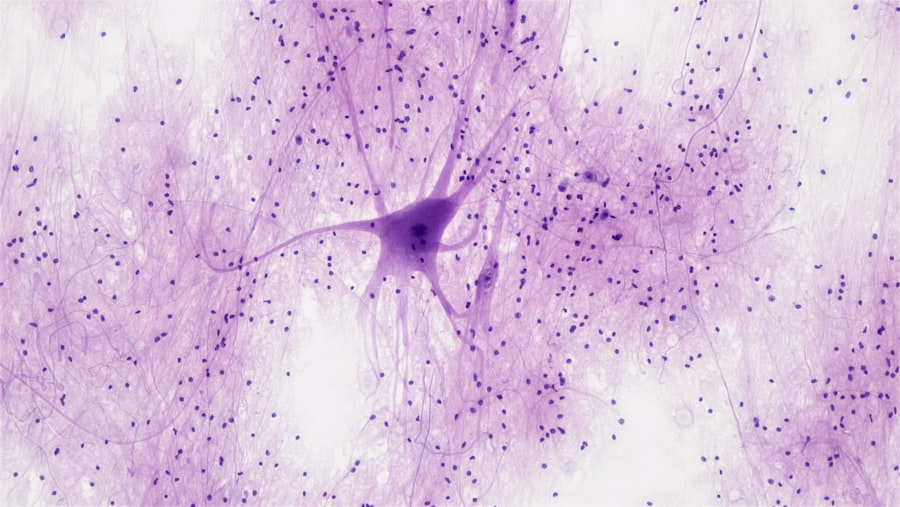
Let's break down the biology here, because the press releases skip the ugly parts. Donanemab is a monoclonal antibody that targets a specific form of amyloid beta called N3pG. This is the sticky, toxic gunk that accumulates between neurons in Alzheimer's patients. The antibody binds to those plaques and essentially tags them for destruction by the immune system. Microglia, the brain's cleanup cells, then swoop in and eat the plaques. The idea is that by clearing out this debris, you slow the death of neurons and the resulting cognitive decline.
The TRAILBLAZER-ALZ 2 Trial: The Numbers You Need to Know
The pivotal study that got this Alzheimer's drug over the finish line was a Phase 3 trial called TRAILBLAZER-ALZ 2, published in the Journal of the American Medical Association (JAMA) in July 2023. The trial enrolled 1,736 patients with early Alzheimer's and randomly assigned them to receive either donanemab or a placebo over 18 months.
- Primary endpoint: Change on the Integrated Alzheimer's Disease Rating Scale (iADRS), which measures cognition and function. Donanemab slowed decline by 35% compared to placebo in the overall population.
- Secondary endpoint: Change on the Clinical Dementia Rating Scale Sum of Boxes (CDR-SB). The drug slowed decline by 29%.
- Amyloid clearance: Patients on donanemab saw an average 84% reduction in amyloid plaque levels by 18 months. Many patients were able to stop the drug after their plaques cleared below a certain threshold.
"These are statistically significant results, no question," said Dr. David Knopman, a neurologist at the Mayo Clinic and a co-author on the JAMA paper. "But the magnitude of the benefit is modest. A 35% slowing of decline over 18 months translates to about a four to seven month delay in progression. That is real. That is meaningful to patients. But it is not a reversal of the disease." Knopman's quote was published in a July 2023 article in Neurology Today.
The Safety Catch: ARIA Is the Elephant in the Room
Every conversation about this Alzheimer's drug has to include the dark side. Amyloid Related Imaging Abnormalities, or ARIA, are a well known side effect of all anti-amyloid antibodies. ARIA comes in two flavors: ARIA-E (edema, or brain swelling) and ARIA-H (hemorrhage, or microbleeds). In the TRAILBLAZER-ALZ 2 trial:
- ARIA-E occurred in 24% of donanemab patients compared to 1.8% of placebo. Most cases were mild to moderate and resolved over time, but 1.6% of patients experienced serious ARIA-E events.
- ARIA-H occurred in 31.4% of donanemab patients compared to 13.6% on placebo. This is a significant increase in brain bleeds.
- Three deaths were reported in the donanemab group that were considered related to ARIA. This is a real number that cannot be glossed over.
"The safety profile of donanemab is concerning, and the FDA's label appropriately includes a boxed warning for ARIA," said Dr. Ronald Petersen, director of the Mayo Clinic Alzheimer's Disease Research Center, in an interview with MedPage Today on July 2, 2024. "Patients and their families need to understand the risks before starting treatment."

The Price Tag and the Insurance War: Who Gets This Alzheimer's Drug?
Here is the part they did not put in the press release. Lilly announced that Kisunla will cost $695.65 per vial, which translates to roughly $12,522 per year for the initial loading doses and then about $11,480 per year for maintenance. That is slightly cheaper than Biogen and Eisai's Leqembi (lecanemab), which costs about $26,500 per year. But the real cost is not the sticker price. It is the cost of the required monitoring.
Patients on this Alzheimer's drug must undergo a brain MRI before treatment, then at least three MRIs during the first year to check for ARIA. Each MRI costs thousands of dollars. Then there is the amyloid PET scan required to confirm eligibility, which can run $5,000 or more out of pocket if insurance does not cover it. Medicare has already agreed to cover Leqembi with a registry requirement, and the agency is expected to make a similar decision on Kisunla within the coming months. But that decision will come with strings attached: patients must be enrolled in a registry to track safety and outcomes.
"The real world access question is enormous," said Dr. Jason Karlawish, a bioethicist and Alzheimer's researcher at the University of Pennsylvania, in a statement to STAT News on July 2, 2024. "This drug requires a sophisticated health care infrastructure: diagnostic confirmation, infusion centers, serial MRIs. Many rural and underserved communities simply do not have that. This could widen the gap in Alzheimer's care, not close it."
The Skeptic's View: Is This Really a Breakthrough or a Slow Motion Train Wreck?
Let's be blunt. The field of Alzheimer's research has been littered with failures for decades. The amyloid hypothesis, which posits that amyloid plaques are the primary cause of the disease, has been challenged repeatedly. Many anti-amyloid drugs failed to show any clinical benefit. Aducanumab (Aduhelm) was approved in 2021 based on controversial data and was later pulled from the market by Biogen after Medicare refused to cover it broadly. Leqembi was approved in 2023 with a similar modest effect size and similar ARIA risks.
Now comes donanemab, and the pattern is familiar. The effect is real but small. The safety risks are real and not small. The cost is high. The logistics are daunting. Some researchers argue that the entire class of anti-amyloid drugs is being pushed through by a combination of patient desperation, industry pressure, and an FDA that is willing to accept lower standards for a disease with no other options.
"We have two amyloid drugs now, and neither of them stops the disease," said Dr. Lon Schneider, a professor of psychiatry and neuroscience at the University of Southern California, in a critical editorial published in JAMA in July 2023. "At best, they buy a few months of slower decline. For that, patients risk brain swelling and brain bleeding. We need to have an honest conversation about whether this is worth it."
What This Means for Patients Right Now
For a 72 year old woman with mild Alzheimer's who has been waiting for something, anything, to slow the clock, this Alzheimer's drug represents a real option. She will need to see a specialist. Get a PET scan. Start monthly infusions. Get regular MRIs. And she may still see her memory slip away, just a few months slower than it would have without the drug.
That is not nothing. A few months of preserved function can mean a few more holidays with family, a few more weeks of driving, a few more moments of recognizing a grandchild. But it is also not the home run that patients and families have been hoping for. The hype from press releases and stock market reactions often drowns out the nuance. Lilly's stock price jumped 2.5% on the approval news. The Alzheimer's Association called it "a new day." But the data says it is a slightly longer afternoon, not a dawn.
The Kicker: A Drug That Stops, But Cannot Cure
One strange detail in the TRAILBLAZER-ALZ 2 trial: patients on donanemab actually stopped the infusions once their amyloid plaques were cleared to a certain level, typically after about six months to a year. They were then switched to placebo. And yet, the cognitive benefit persisted for the remainder of the 18 month trial. The plaques were gone, but the underlying neurodegenerative process was not reversed. The drug essentially removed the garbage, but the house still had structural damage.
That outcome raises an uncomfortable question: what happens after the drug is stopped? The trial data only goes to 18 months. Will the benefit continue for years? Will the plaques come back? Will the ARIA risk persist? Nobody knows. The FDA approved the Alzheimer's drug with a requirement for a post marketing study to look at long term safety and cognitive effects. But that study will take years to complete. In the meantime, patients and doctors are flying blind past a certain point.
This is the state of Alzheimer's treatment in mid 2024: we have two FDA approved drugs that clear amyloid, slow decline modestly, and carry serious risks. We have no drug that stops the disease. We have no drug that reverses memory loss. We have a system that will struggle to get these treatments to the people who need them most. And we have a pharmaceutical industry that is betting billions on the amyloid hypothesis, even as some of the smartest minds in neuroscience question whether we are focusing on the wrong target.
The FDA made its call. The insurance companies are watching. The families are hoping. And the clock is ticking for the millions of people who will not be helped by this Alzheimer's drug at all. That is not cynicism. That is the math.
Frequently Asked Questions
What is the name of the new Alzheimer's drug approved by the FDA?
The drug is called lecanemab, marketed as Leqembi. It is a monoclonal antibody therapy.
How does this new drug work to treat Alzheimer's?
Lecanemab targets and reduces amyloid beta plaques in the brain, which are a hallmark of Alzheimer's disease. It aims to slow cognitive decline.
Who is eligible to receive this new Alzheimer's drug?
The drug is approved for patients with mild cognitive impairment or early-stage Alzheimer's. Confirmation of amyloid pathology via PET scan or CSF test is required.
What are the common side effects of Leqembi?
Common side effects include infusion-related reactions, headaches, and amyloid-related imaging abnormalities (ARIA), which can involve brain swelling or small bleeds.
How is this drug administered?
It is given as a intravenous infusion every two weeks. Treatment requires regular monitoring with MRI scans to check for ARIA.

Matteo Ricci reports on medicine and public health, from clinical breakthroughs to the systems that deliver care. He is committed to explaining complex health topics in a way readers can act on.
💬 Comments (0)
No comments yet. Be the first!