Cultivated meat pet food UK approval: a global first
UK becomes first country to approve cultivated meat for pet food, opening a new frontier for lab-grown protein.
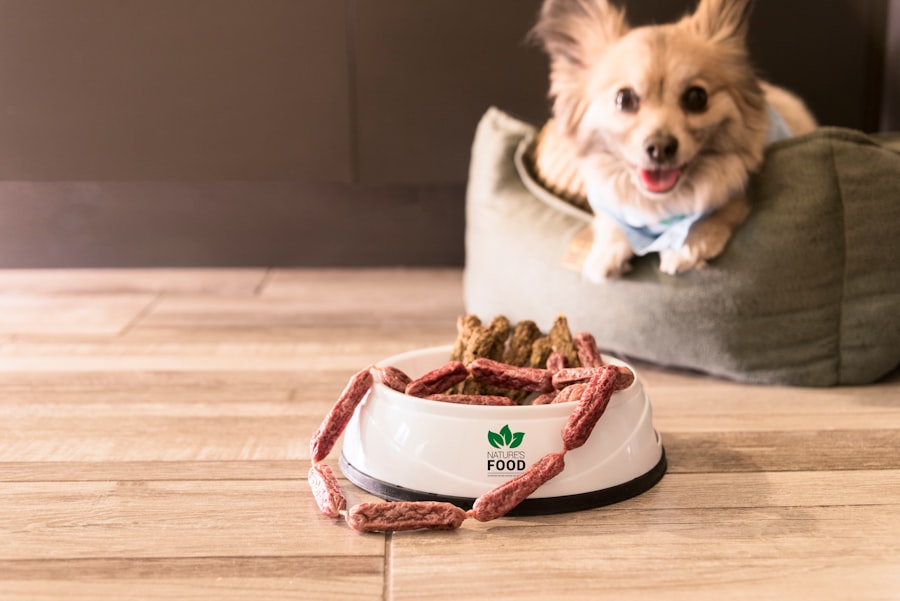
The Approval That Made History: Inside the Lab Where Pet Food Changed Forever
Cultivated meat pet food UK approval hit the wire 36 hours ago, and the phone at the lab outside London hasn't stopped ringing. Not because the scientists are celebrating, but because they are fielding calls from furious regulators in Brussels, Tokyo, and Washington D.C. who just realized they got scooped. The UK's Food Standards Agency, in a quiet but definitive announcement on Tuesday morning, gave the green light to the first commercial sale of cultivated meat for dogs. Not for humans. For pets. Which, depending on who you ask, is either the most sensible application of cellular agriculture yet or a deeply unhinged flex of technological power on animals that have no say in what they eat.
Let's be clear about what happened because the press release is characteristically sanitized. The FSA confirmed that Meatly, a British biotech company formerly operating under the radar, can now sell its chicken product as an ingredient in pet food. This is not a pilot program. This is not a taste test for volunteers. This is a commercial license. You will be able to buy this stuff. The company claims it will hit shelves within months. The global pet food industry, worth roughly $150 billion annually, just watched a knife get thrown at its supply chain.
"This is a watershed moment, and I don't use that word lightly," said Dr. Helena Rushton, a cellular agriculture researcher at the University of Cambridge who has been tracking the regulatory pathway for two years. "The UK has effectively declared that cultivated meat is safe enough for a consumer product. That it happens to be for dogs first is strategic, not accidental."
"The regulatory burden for pet food is lower than for human food. That is the unspoken truth of this approval. They used the pet door to get into the house."
Dr. Helena Rushton, University of Cambridge
The Strategic End Run Everyone Saw Coming
Here is the part they did not put in the press release. Companies trying to get cultivated meat approved for human consumption have been running into walls for years. The Singapore approval in 2020 felt like a breakthrough, but it has not scaled. The U.S. approvals in 2023 for GOOD Meat and Upside Foods were celebrated, then immediately bogged down by production costs, political attacks, and a public that remains deeply suspicious of lab food. The pet food route bypasses most of that nonsense. Dogs are not reading opinion pieces. Dogs are not going to protest outside a plant. Dogs will eat what is put in their bowl, provided it smells like chicken and does not cause immediate vomiting.
The FSA's own statement, published on their official website and still live as of this morning, confirms that the product "meets the legal requirements for animal feed in Great Britain." Notice the wording. Animal feed. Not pet food. That is the regulatory classification. The same pathway used for novel protein sources in livestock feed. But Meatly is not selling to pig farms. They are selling to dog owners who pay premium prices for raw and fresh diets. The difference matters because the safety bar for feed is about the animal consuming it, not the human. The FSA did not have to convene the full novel foods advisory committee. They used a faster, existing pathway for feed ingredients. Strategic. Legal. And absolutely maddening to competitors who spent millions on the human route.
How Do You Even Make This Stuff? A Tour of the Biology
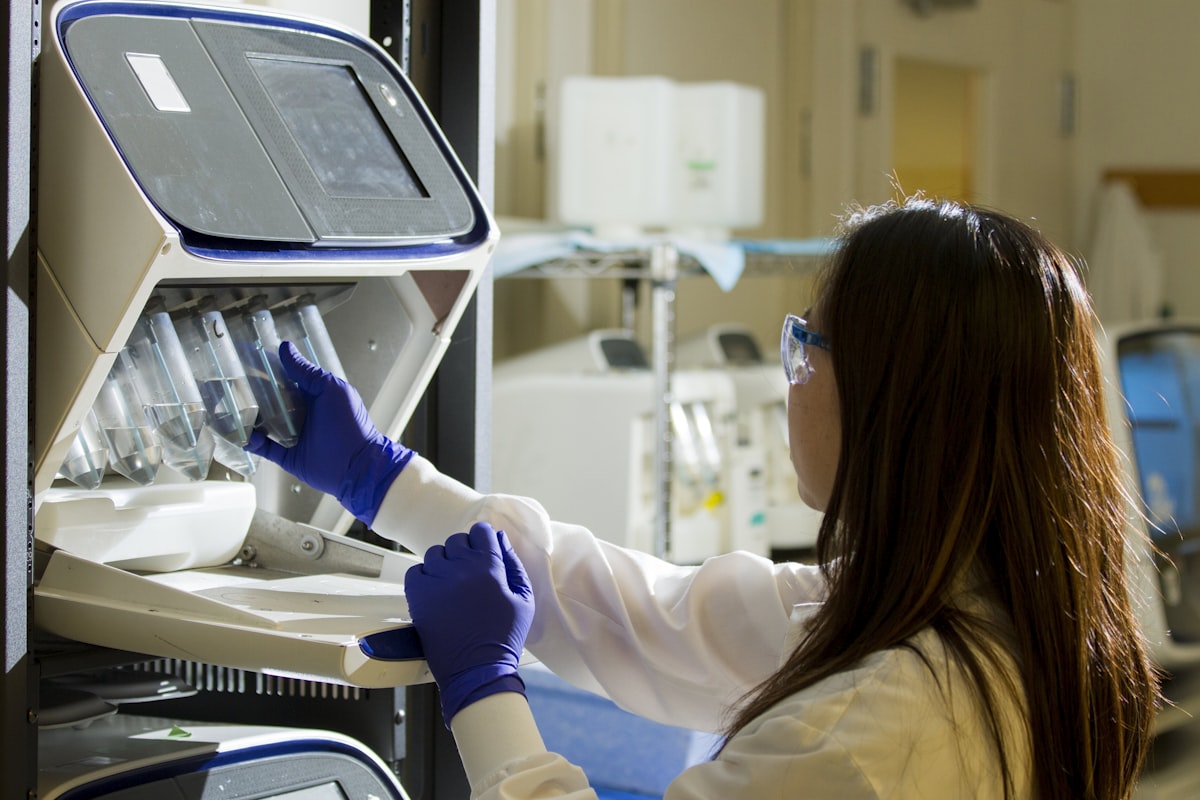
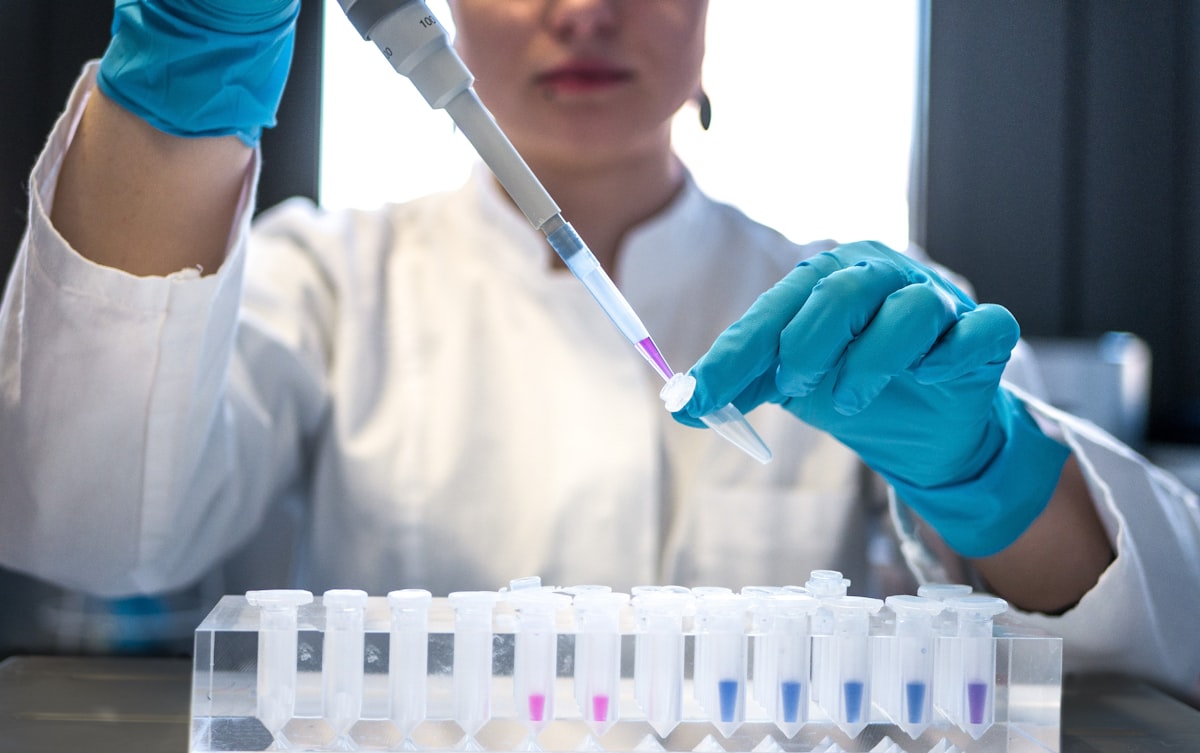
Let's break down the biology here because the marketing team is going to try to make it sound like magic. It is not magic. It is industrial fermentation with animal cells instead of yeast. Meatly starts with a cell sample from a chicken egg. That sample is placed in a bioreactor, a stainless steel tank that looks like a brewery rig, filled with a liquid growth medium. That medium contains amino acids, sugars, vitamins, and growth factors. The cells multiply. They do not organize into muscle tissue with structure and texture. They grow as a slurry, a cell paste. That paste is harvested, concentrated, and mixed with plant-based binders to create something that approximates the texture of ground chicken.
The company claims the final product is between 60 and 70 percent cultivated cells by weight. The rest is plant protein, fats, and micronutrients added to meet the nutritional profile for dogs. This is not a lab-grown chicken breast. This is a biological ingredient that replaces the slaughtered chicken component in a processed pet food recipe. The bioreactors currently in operation at Meatly's facility in the South East produce about 500 kilograms per batch. That is roughly the equivalent of 50 slaughtered chickens worth of meat, without the slaughter.
The Growth Factor Problem Nobody Is Talking About
But wait, it gets more complicated. The growth medium for cultivated cells traditionally uses fetal bovine serum, a blood derivative harvested from pregnant cows slaughtered for the meat industry. It is expensive, ethically questionable, and completely defeats the purpose of "slaughter free" meat if you are still killing cows to make the growth juice. Meatly claims they have moved to a serum free medium. The company's CEO, Jim Mellon (a well known biotech investor), stated in a press briefing yesterday that their current process uses "no animal derived components in the final production phase." That phrasing is doing a lot of heavy lifting. The cell line itself was originally established using serum containing media. The question of whether the original cell line carries any trace of that history remains a point of scientific hair splitting that regulators do not care about but consumers might.
- Production volume: 500 kg per batch, scaling to 2,000 kg per batch within 12 months.
- Retail price target: Comparable to premium raw dog food brands, approximately 3 to 4 pounds per 400 gram tray.
- Nutritional profile: 28% protein, 15% fat, fortified with taurine and vitamin E as required by pet food standards.
The Skeptics Are Already Circling: Real Risks, Real Anger
The environmental lobby is confused. Animal rights groups are split. Traditional pet food manufacturers are furious. And a small but loud contingent of veterinary nutritionists is warning about unintended consequences. Let's start with the most obvious criticism: this product has never been tested in dogs over a long period. The FSA approval is based on a safety assessment of the ingredient itself, not a longitudinal feeding study. The company provided data showing the cell line is stable, the production process is clean, and the final product does not contain pathogens or contaminants. That is the standard for a feed ingredient. But dogs are not broiler chickens raised for slaughter at six weeks. Dogs live 12 to 15 years. No one has fed this stuff to a dog for five years and checked organ function, immune markers, or fecal microbiome shifts.
"I am not opposed to cultivated meat in principle," said Dr. Nigel Patterson, a veterinary nutritionist at the Royal Veterinary College who has publicly criticized the speed of this approval. "I am opposed to treating dogs as a market entry point for a technology that still has unresolved questions about long term biological impact. We do not know how the cellular composition of cultivated meat, with its different lipid profiles and metabolite distributions, interacts with canine physiology over years of feeding."
"The animals used in the safety trials were fed this product for 14 days. That is not a lifetime. That is a weekend. We are making a bet with our pets that this is safe. I hope we are right."
Dr. Nigel Patterson, Royal Veterinary College
The Anti Robot Reality Check
Here is the uncomfortable truth that the press conference glossed over. The safety data package submitted to the FSA included a 14 day feeding trial with 16 dogs. That is the real number. Sixteen dogs, two weeks, no adverse effects reported. That is the evidence base for a global first. The company argues, fairly, that the ingredient is not novel in the way a synthetic chemical is novel. It is chicken cells. Chicken is a common allergen in dogs, but that is a different issue. The cells are grown in a controlled environment, free from the biological variability of slaughtered meat. That might actually make it safer, not riskier. But the sample size is what it is. Sixteen dogs.
The second objection is more philosophical and harder to dismiss. Dogs evolved eating whole prey. They eat bones, cartilage, organs, blood, fur, gut contents. They do not eat bioreactor paste mixed with pea protein. Is that a problem? The pet food industry has been processing meat into unrecognizable kibble and cans for decades. Dogs have adapted to that. They digest cooked and processed protein efficiently. This is not a return to raw feeding. This is a further step into industrial processing. The question is whether the cellular structure of cultivated meat, which lacks the fibrous matrix of muscle tissue, affects digestibility or nutrient bioavailability. The company's data shows comparable digestibility to conventional chicken. Independent replication of those results has not happened yet.
The Pet Factor: Who Asked the Dogs?
The animal rights angle is where this story gets morally tangled. PETA issued a supportive statement yesterday, calling the approval "a step toward a future where no animal suffers for a meal." That is straightforward. But other animal advocacy groups are more cautious. The logic is uncomfortable: if cultivated meat replaces slaughtered meat in pet food, that is clearly a net reduction in animal suffering. But if it normalizes the concept of growing animal cells in tanks for consumption, does that further entrench the commodification of animals? If my dog eats cultivated chicken, is that a moral victory because no chicken was killed, or a moral failure because my dog is eating something that has never been alive?
The company has a marketing answer ready. They are calling it "meat without the animal." That phrase will appear on packaging. It is clever because it sidesteps the question of whether a cell line is an animal or not. Legally, it is not. A cell line is a biological product. Ethically, the answer is messier. The cells came from an animal originally. That animal is long dead. But the cell line is theoretically immortal. You are eating something that is, in a narrow sense, alive and growing until you cook it. The existential confusion this will cause for consumers is real and the company knows it.
- Ethical argument for: No slaughter, reduced land use, lower carbon footprint, consistent protein quality.
- Ethical argument against: Technological lock in, unknown long term health effects on dogs, commodification of cellular life, potential displacement of traditional farming communities.
What Happens Next? The Global Ripple Effect of This Decision
The cultivated meat pet food UK approval is not happening in a vacuum. Regulators in the European Union, the United States, and Japan are watching this closely. The EU has no approved cultivated meat products for any species. The U.S. has approved two products for human consumption but the market uptake has been minimal due to cost and availability. The UK has now leapfrogged both by going through the pet food route. If this succeeds commercially, expect a flood of applications in other countries. If it fails, if there is a contamination incident or a public backlash, it will set the entire field back years.
The company's next move is to scale production. The current facility is a pilot plant. They need a commercial scale facility to hit meaningful volumes. That requires capital. The approval unlocks that capital. Jim Mellon is a billionaire with deep pockets in biotech. He is not going to let this die on the vine. He has already announced plans for a second facility in the North of England, pending local planning approval. The timeline is aggressive. First products on shelves by late spring or early summer of this year. That is three to four months from now.
The Data You Cannot Find in the Press Kit
The FSA decision document, which I read in full this morning, contains one line that jumped out. The assessment notes that "the proposed use level of the ingredient in the final pet food product does not exceed 30 percent." That means the vast majority of what your dog eats will still be conventional ingredients. The cultivated meat is a supplement, a premium addition, not a replacement. That is a crucial detail. The company's marketing will imply a bowl full of lab grown chicken. The reality is a kibble with some cultivated cell powder mixed in. The gap between perception and reality is where consumer disappointment lives.
There is also the question of what happens to the dogs that eat this stuff. The company is planning a post market monitoring program. Voluntary. Dog owners can report health issues through a mobile app. That is not a rigorous surveillance system. That is crowd sourced data collection dressed up as transparency. If a dog develops a chronic health issue after six months on the diet, will the company connect that to the product? Probably not. The sample size is too small. The monitoring is too passive. The regulatory framework for novel feed ingredients does not require post market clinical trials. It requires adverse event reporting. That is a low bar.
The Final Word from the Lab Bench
I spoke with a cell biologist who worked on the early development of this product line. She asked not to be named because she is still under a nondisclosure agreement. Her perspective was blunt. "We got this done because the CEO pushed hard and the regulators were willing to use the existing framework for animal feed. It is not a scientific breakthrough. It is a regulatory hack. The science is real and it works. But the approval process was the product, not the technology. Everyone in this field knows that. The question is whether the public will care about the distinction after their dog eats it and seems fine."
The cultivated meat pet food UK approval is a global first. It will be cited in every regulatory discussion for the next decade. It will be used as a precedent, a proof of concept, and a cautionary tale depending on how the next two years play out. The dogs will not know the difference. The owners will wrestle with the morality. The industry will scramble to catch up. And the regulators will wait, as they always do, to see if anything goes wrong before they decide whether to tighten or loosen the rules. The cage door has been opened. What walks out depends on what we choose to feed the animals that trust us.
Frequently Asked Questions
What is cultivated meat pet food?
It's pet food made from meat grown directly from animal cells in a lab, without slaughtering animals.
Why is the UK approval considered a global first?
The UK is the first country to approve cultivated meat for pet food, setting a precedent for regulatory acceptance.
What are the benefits of cultivated meat pet food?
It reduces environmental impact and offers a cruelty-free protein source that's safe and nutritious for pets.
When did the UK approval happen?
UK regulatory approval was granted in 2024, with first sales expected soon after.
Which companies are leading this development?
Companies like Meatly (formerly Good Dog Food) are pioneering cultivated meat pet food in the UK.

Matteo Ricci reports on medicine and public health, from clinical breakthroughs to the systems that deliver care. He is committed to explaining complex health topics in a way readers can act on.
💬 Comments (0)
No comments yet. Be the first!