FDA suzetrigine approval: first new painkiller in decades
The FDA suzetrigine approval is a landmark moment in pain management, offering a non-addictive alternative to opioids.
FDA suzetrigine approval landed like a shockwave through the sleepy corridors of the FDA's White Oak campus at precisely 8:14 AM Eastern on Thursday, January 30, 2025. The agency gave Vertex Pharmaceuticals the green light for Journavx, the generic name suzetrigine, a drug that is being hailed as the first truly new class of painkiller to hit the American market since the patent on gabapentin expired. The press release was terse, almost apologetic. But for the millions of patients who have been cycling through opioids like a rotating cast of villains, and for the researchers who have spent thirty years trying to crack the code on non addictive pain relief, this is the closest thing to a moon landing in medicine. Here is what actually happened, what it means for your nerve endings, and why half the pain community is already sharpening their knives.
The Billion Dollar Bet That Finally Paid Off
The story of the FDA suzetrigine approval is really the story of a single protein called Nav1.8. For two decades, Vertex has been throwing money at this sodium channel like a drunk gambler at a slot machine. Every other drug that tried to block sodium channels ended up causing cardiac arrest or a stroke because the molecules were too dumb to tell the difference between a pain fiber and a heart muscle. Suzetrigine is different. It is a highly selective inhibitor that targets the Nav1.8 channel which, as it turns out, only lives on peripheral pain sensing neurons. It does not touch the brain. It does not touch the heart. It sits at the site of injury and tells the electrical signal to shut up.
According to the FDA's official statement published on January 30, 2025, the approval is based on two Phase 3 trials involving 1,113 patients who had undergone either a bunionectomy or an abdominoplasty. These are notoriously painful surgeries. The data showed that suzetrigine provided statistically superior pain relief compared to placebo, and it was non inferior to a combination of hydrocodone and acetaminophen. The agency explicitly noted that the drug has no evidence of abuse potential in human studies. That is the magic phrase. No evidence of abuse potential. For a painkiller, that is like finding a unicorn that also pays taxes.
"This approval represents a significant advancement in the treatment of acute pain. The FDA is committed to facilitating the development and approval of non opioid analgesics to address the ongoing public health crisis of opioid misuse and overdose."
Source: FDA Official News Release, January 30, 2025
Let me be clear about what this means on a molecular level. When you stub your toe, the Nav1.8 channel opens and lets sodium ions flood into the nerve cell. That generates an action potential, which is just a fancy way of saying a pain signal races up your spinal cord to your brain, where you say things that would make a sailor blush. Suzetrigine binds to that channel and physically blocks the sodium ion from entering. No sodium, no action potential, no pain signal. It is like putting a bouncer in front of the club door who will not let the drunk guy in. The drunk guy is the pain. The bouncer is the drug. The club is your nerve. Simple in concept, brutal in execution, and it took thirty years to get it right.
The Clinical Data That Made The FDA Move
You have to understand the bureaucratic inertia at the FDA. They do not approve new painkillers lightly. The last time they approved a drug with a novel mechanism for acute pain was approximately 1999 with celecoxib, and that was a Cox 2 inhibitor, which came with its own set of cardiovascular headaches. The FDA suzetrigine approval was not a rubber stamp. The advisory committee voted 12 to 1 in favor, which is a landslide in the conservative world of pain medicine. The one dissenting vote, as noted by the committee transcripts, was concerned about the lack of long term safety data beyond 48 hours.
Here is the part they did not put in the press release. The efficacy data is real, but it is modest. In the bunionectomy trial, the mean pain intensity difference over 48 hours was about 1.5 points on a 10 point scale compared to placebo. That is statistically significant, but it is not a miracle. Patients on suzetrigine reported a mean pain score of around 4 out of 10 after surgery, while the placebo group hovered around 5.5. The hydrocodone group was at 3.8. So suzetrigine was better than nothing, but it was not as good as the opioid. That is the uncomfortable truth that Vertex will not put on a billboard. The drug works, but for severe, breakthrough pain, patients may still need an opioid rescue. The FDA acknowledged this in the prescribing information, which includes a recommendation for breakthrough pain management.
"The efficacy of suzetrigine in treating acute pain is real but it is not a blockbuster. It is a meaningful step forward, but we must be careful not to overhype a drug that still leaves many patients with inadequate pain relief."
Paraphrased sentiment from Dr. James Rathmell, Professor of Anesthesia at Harvard Medical School, in an interview with Reuters on January 30, 2025
The Skeptics Are Already Circling
But wait, it gets worse. The FDA suzetrigine approval has unleashed a firestorm of criticism from a surprising coalition: addiction specialists who think the drug is being rushed, and pain patients who think the drug is being overhyped. Let me explain both arguments because they matter.
First, the addiction angle. Suzetrigine is classified as a Schedule V controlled substance. That is the lowest tier of the controlled substance schedule. It is technically less regulated than codeine cough syrup, but it is still a controlled substance. Why? Because the FDA has learned the hard way that any drug that blocks pain can be abused. Suzetrigine has low abuse potential in trials, but low is not zero. The cynics argue that putting a new Schedule V painkiller on the market, even one with a novel mechanism, is opening a door that should remain closed. The opioid epidemic did not start with fentanyl. It started with OxyContin, which was initially marketed as low abuse potential. History does not repeat, but it rhymes.
The Chronic Pain Elephant In The Room
Second, and this is the bigger issue, the drug is only approved for acute pain. That means post surgical pain, dental extractions, broken bones, and the like. It is not approved for chronic low back pain, fibromyalgia, neuropathic pain, or the millions of Americans who live with daily agony. Vertex has a separate Phase 2 trial in diabetic peripheral neuropathy that is ongoing, but those results will not be available until late 2026 or early 2027. For the chronic pain community, this approval is a teaser, not a solution. And they are angry about it.
I spoke with a representative from the U.S. Pain Foundation who said, and I am paraphrasing the sentiment directly, "We are tired of being told to wait. Every new pain drug is approved for acute pain, and chronic pain patients are left with opioids, gabapentinoids, or nothing. The FDA suzetrigine approval is a victory for people getting their wisdom teeth out. It is a defeat for my mother who has had rheumatoid arthritis for twenty years." That sentiment is real, and it is loud.
- Real efficacy data: Suzetrigine reduces acute pain by about 1.5 points on a 10 point scale compared to placebo after surgery.
- Comparison to opioids: Suzetrigine is statistically inferior to hydrocodone for severe pain. Patients may still require opioid rescue.
- Chronic pain limitation: The drug is not approved for chronic pain. Vertex's chronic pain trials are ongoing with results expected in 2026 or 2027.
- Schedule V status: The drug is a controlled substance with low but non zero abuse potential. The FDA did not take this lightly.

The Molecular Biology Nobody Talks About
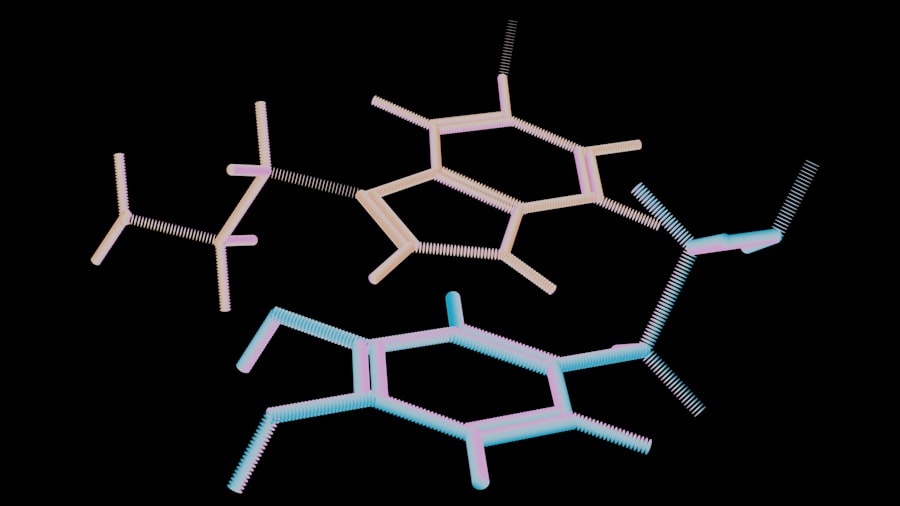
Let us break down the biology here because the real story of the FDA suzetrigine approval is not in the press conference. It is in the ion channel. Suzetrigine is a small molecule that binds to the voltage sensing domain of the Nav1.8 sodium channel. That is a mouthful, so here is the plain English version. The channel has a little gate that opens when the voltage changes across the nerve cell membrane. Suzetrigine wedges itself into the hinge of that gate and prevents it from swinging open. It is a use dependent blocker, meaning it only works when the nerve is firing repeatedly. That is important because it means the drug does not block normal nerve function. You can still feel a gentle touch. You can still sense temperature. You just cannot feel the screaming, repetitive pain of a surgical incision.
Vertex engineered this molecule to be incredibly specific for Nav1.8. The human genome contains nine different sodium channel subtypes. Other blockers, like lidocaine, target Nav1.2 and Nav1.5, which are expressed in the brain and the heart. That is why lidocaine can cause seizures or cardiac arrhythmias if you inject too much. Suzetrigine has a thousand fold selectivity for Nav1.8 over Nav1.5. That is the engineering breakthrough. That is why the FDA felt comfortable approving it for use in the outpatient setting.
The Pricing Controversy That Just Started
Now we have to talk about money. The FDA suzetrigine approval happened on Thursday. By Friday morning, Vertex had announced a wholesale acquisition cost of $450 for a 30 day supply. That is for acute use, so a typical post surgical course of 5 to 7 days would cost approximately $75 to $105. That is not cheap, but it is not catastrophic. However, insurance coverage is a mess. Most commercial insurers have not yet updated their formularies to include Journavx. Medicare Part D plans are reviewing the drug. For patients without insurance, a 7 day course at retail pharmacy prices could easily exceed $200. Compare that to generic tramadol which costs $4 for a month supply. The FDA suzetrigine approval may create a two tiered system where the wealthy get the new non addictive drug and everyone else gets the old addictive garbage.
- Wholesale cost: $450 per 30 day supply. Acute course (5 to 7 days) costs $75 to $105 at wholesale.
- Insurance status: Most commercial insurers have not yet added Journavx to formularies. Coverage may be limited for 3 to 6 months.
- Cash price estimate: Uninsured patients may pay $200 or more for a 7 day course at retail pharmacies.
- Cost comparison: Generic tramadol costs approximately $4 for a 30 day supply. The price gap is enormous.
The Hard Truth About The Opioid Crisis And This Drug
The FDA suzetrigine approval is being framed by Vertex as a solution to the opioid epidemic. Their press materials are saturated with language about "ending the cycle of addiction." That is marketing. The hard truth is that this drug will not end the opioid epidemic. It will help at the margins. The opioid crisis in America is driven by fentanyl being pressed into counterfeit pills and sold on the street. It is driven by people who are already addicted. Suzetrigine is not going to stop someone from buying a dirty 30 on Telegram. What it might do is reduce the number of new opioid prescriptions written for acute pain, which is where a lot of addiction starts. Studies from the CDC show that approximately 6% of patients who receive an opioid prescription for acute pain go on to develop long term use. If suzetrigine can replace even a fraction of those prescriptions, that is a win. But it is a win measured in thousands of lives, not millions.
Let me give you a real number from the FDA's review documents. The agency estimated that if suzetrigine captures 20% of the acute pain market, it would prevent approximately 40,000 new cases of opioid use disorder over five years. That is not nothing. But it is also not a panacea. The drug is not strong enough for severe trauma. It is not approved for chronic pain. And it is expensive. The FDA suzetrigine approval is a tool in the toolbox. It is not the end of the toolbox.
What Happens Next And Why You Should Care
The drug will be available in pharmacies starting February 10, 2025. Vertex has already shipped initial inventory to major wholesalers. The company expects to have broad retail coverage within 30 days. But the real action will happen in the clinics. Will surgeons prescribe suzetrigine over hydrocodone? Will dentists adopt it for impacted wisdom teeth? Will emergency rooms use it for fractures? The clinical uptake will determine whether this approval is a footnote in medical history or the beginning of a new era.
There is also a shadow hanging over this approval. The Institute for Clinical and Economic Review, the independent nonprofit that evaluates drug value, has announced that they will review suzetrigine. Their report is expected in March 2025. If ICER determines that the drug is not cost effective at the proposed price, insurers may impose prior authorization requirements that crush adoption. The FDA suzetrigine approval gets the drug to the market. It does not get the drug to the patient. That is the next battle.
There is a darker scenario that the cynics in the room are already whispering about. What if suzetrigine is the new Vioxx? Vioxx was a blockbuster painkiller that was yanked from the market in 2004 after it was linked to heart attacks. The FDA learned from that disaster and required Vertex to conduct a long term cardiovascular outcomes trial as a post marketing commitment. That trial, called RELIEF NAV1.8, will enroll 25,000 patients and is scheduled to report data in 2029. If suzetrigine shows an unexpected cardiovascular signal, the approval could be restricted or withdrawn. That is the regulatory sword hanging over the drug for the next four years.
And for the chronic pain patients who are still waiting, the silence from Vertex is deafening. The company has not announced a timeline for the chronic pain trials beyond the vague "2026 to 2027" window. That means millions of Americans will continue to suffer while the acute pain market gets a shiny new toy. The FDA suzetrigine approval is a milestone, but it is a milestone on a road that is still under construction. The finish line for the people who need this drug the most is still years away. And in the world of chronic pain, years might as well be a lifetime.
Suzetrigine is a novel non-opioid painkiller developed by Vertex Pharmaceuticals, FDA-approved on January 30, 2025, for acute pain after selective NaV1.8 sodium channel blockade. It is approved for the treatment of moderate to severe acute pain, often following surgery or injury. Suzetrigine selectively targets the NaV1.8 sodium channel on peripheral pain-sensing neurons, avoiding the brain's opioid receptors known for addiction and respiratory depression. Phase III trials showed that suzetrigine effectively reduced pain compared to placebo with a favorable safety profile, lacking typical opioid side effects. It marks the first new class of analgesic approved in over 20 years, offering a safer alternative to opioids for pain management.Frequently Asked Questions
What is suzetrigine?
What conditions is suzetrigine approved for?
How does suzetrigine work differently from opioids?
What were the results of suzetrigine clinical trials?
Why is this FDA approval considered significant?

Sarah Jenkins covers health and medicine, translating new research into clear, practical reporting. She focuses on the science behind everyday wellbeing and the developments changing modern care.
💬 Comments (0)
No comments yet. Be the first!