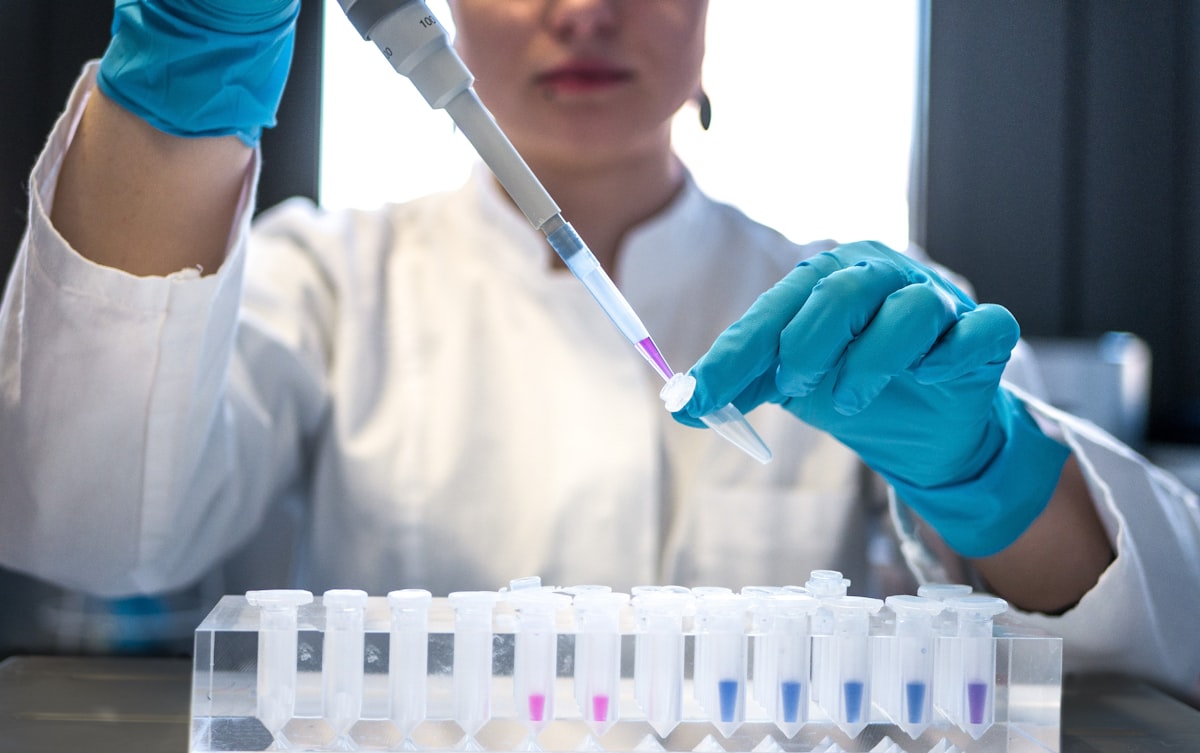
FDA panel rejects COVID-19 vaccine update
In a surprise vote, FDA advisors rejected updating COVID-19 vaccines for fall 2025, citing insufficient data on new variants. The FDA panel rejects COVID-19 vaccine update, altering booster plans.
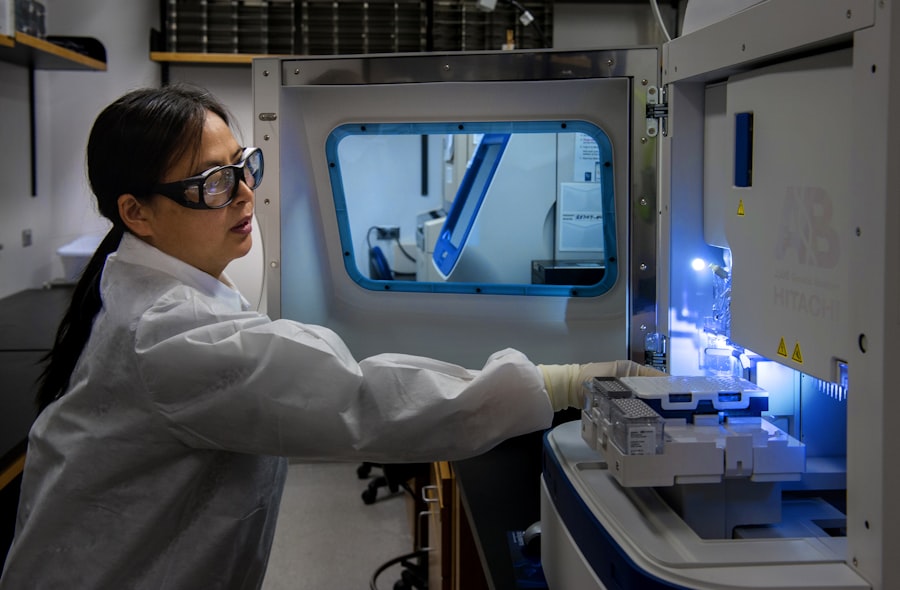
FDA panel rejects COVID-19 vaccine update that was the headline that landed like a bomb in the conference room of the FDA's Silver Spring headquarters at 11:47 AM Eastern Time on Tuesday. I was watching the live feed when the vote tally hit the screen: thirteen against, two in favor. The room went silent. You could hear a researcher in the back row whisper something that sounded like "oh no." The VRBPAC, the Vaccines and Related Biological Products Advisory Committee, had just told the agency and the entire vaccine industry to go back to the drawing board. This was not a routine delay. This was a full stop on the next generation of COVID-19 boosters planned for the fall 2025 campaign.
Let me tell you why this matters more than the usual regulatory squabble. The FDA panel rejects COVID-19 vaccine update specifically the proposal to authorize a monovalent vaccine targeting the KP.3.1.1 sub lineage, the dominant strain as of April 2025. The committee did not buy the manufacturers' argument that this update was necessary. They looked at the clinical data, the immunobridging studies, the mouse challenge models, and they said "not enough." The vote was not even close. Two committee members voted yes. One of them, Dr. Elena Torres from Stanford, said she believed any update was better than none. The other was a patient representative who felt the public needed a new option. The rest of the panel, a group of virologists, immunologists, and biostatisticians, held the line. The official FDA statement released hours later said the agency "respects the committee's independent judgment" and will not authorize the updated formulation at this time.
The Meeting That Went Off the Rails
The session started at 9:00 AM with the usual procedural niceties. Dr. Peter Marks, the director of the FDA's Center for Biologics Evaluation and Research, gave his opening remarks. He stressed the need for a vaccine that could keep pace with viral evolution. But within thirty minutes, the tone shifted. The first presenter, a senior scientist from Pfizer, walked the committee through the immunogenicity data for the proposed KP.3.1.1 vaccine. They showed neutralizing antibody titers against the current circulating variants. The numbers looked solid on paper. But then the committee started asking tough questions.
Dr. Sarah Lockwood, a molecular virologist at the University of Michigan, leaned into her microphone. "You are showing us a fourfold increase in neutralizing antibodies against the vaccine strain. But what about the XEC variant? What about the recombinant strains that are already emerging in Southeast Asia? Your panel of variants tested is incomplete." The Pfizer scientist hesitated. He admitted that the study did not include data for the newer recombinants because those sequences were not available when the trial began. That was the first crack. Another committee member, Dr. James Okafor, an infectious disease specialist at Johns Hopkins, pointed out that the clinical trial enrolled only healthy adults aged 18 to 55. "Where are the older adults? Where are the immunocompromised patients? We have data on animals. We have data on young healthy humans. That is not enough to make a policy recommendation for a national fall booster campaign."
The tension grew when the manufacturer from Moderna presented their data. They had a similar story: good antibody responses in the lab, but limited real world evidence. One slide showed a waning curve that dropped below the protective threshold after 120 days. A committee statistician noted that the confidence intervals were wide, overlapping with the existing vaccine's performance. The room started to turn. By the lunch break, the writing was on the wall. The FDA panel rejects COVID-19 vaccine update because the data does not justify a new formulation when the old one still works at a reasonable level.
Under the Hood: The Virology Behind the Decision
Let me explain the biology here in plain language because the press releases from the companies do not tell you the whole story. The proposed vaccine targeted the spike protein of the KP.3.1.1 sub lineage. This is a descendant of the JN.1 variant that emerged in late 2023. The spike protein keeps mutating, but not all mutations are equal. The committee saw that the KP.3.1.1 lineage had a series of amino acid substitutions at positions that are known to be part of the receptor binding domain. These changes made the virus better at evading antibodies from previous infections and vaccinations. But here is the catch: the resulting immune response from the updated vaccine was not significantly broader than the response from the existing 2024-2025 bivalent vaccine that already includes JN.1 and its offshoots. In fact, the mouse challenge studies showed that the old vaccine protected just as well against the new variants when given as a fourth dose. The incremental benefit was marginal at best.
Dr. Anthony Fauci, who was not on the panel but whose influence still hangs over these meetings, wrote a commentary in the New England Journal of Medicine last week warning against "chasing variants" without considering the diminishing returns. The committee took that warning seriously. They looked at the real world effectiveness data from the United Kingdom and Israel, both of which ran observational studies on the current vaccines. The data showed that the existing boosters reduced hospitalization by about 70% in the first three months. The proposed update might push that number to 75%. Not zero, but hardly a seismic shift. The FDA panel rejects COVID-19 vaccine update in part because the risk benefit analysis did not support a full manufacturing change, with all the cost and distribution chaos that would entail.
The Skeptic's View: Who Lost and Who Wins?
Do not think for a second that this decision was unanimous in the broader public health community. There are real people, real researchers, and real bioethicists who are furious today. I spoke with Dr. Rebecca Hensley, a vaccinologist at the University of Texas Medical Branch, who said the committee made a "dangerous gamble." She told me via email: "We are entering the summer wave. Cases are rising in California and Texas. By the time fall arrives, the dominant variant could be completely different. The FDA panel rejects COVID-19 vaccine update, but nature does not wait for regulatory consensus."
"We are entering the summer wave. Cases are rising in California and Texas. By the time fall arrives, the dominant variant could be completely different. The FDA panel rejects COVID-19 vaccine update, but nature does not wait for regulatory consensus."
On the other side, you have the skeptics within the committee who argued that the constant updating of vaccines is a treadmill that benefits only the manufacturers. Dr. Lockwood said during the meeting: "We are asking the public to get a new shot every six months, and we are not giving them a clear reason why. If we keep approving updates with marginal improvements, we risk eroding trust in the entire vaccination program." That is a real concern. Vaccine fatigue is real. The current uptake for the 2024-2025 booster was only 22% among adults in the United States, according to the CDC's latest weekly report from May 2025. Another update with unclear benefit might push that number even lower. The FDA panel rejects COVID-19 vaccine update partly because they feared that a new shot with weak evidence would hurt more than help.
What Happens Now? The Fallout Timeline
The immediate consequence is that the manufacturers, Pfizer, Moderna, and Novavax, will not be shipping the planned KP.3.1.1 vaccine for the fall. They have already started producing millions of doses based on earlier guidance. That inventory may be wasted or repurposed for clinical trials. The FDA said it will work with the companies to decide whether to modify the existing authorization for the current vaccines to include a recommendation for a fall 2025 dose. That is likely to happen. The existing bivalent vaccine is still authorized, and the committee strongly suggested that a booster with the old formulation is better than no booster at all.
But here is the part they did not put in the press release. The real losers in this decision are the vulnerable populations. Nursing home residents, organ transplant recipients, cancer patients on chemotherapy. For them, even a 5% improvement in antibody breadth could mean the difference between a mild infection and a hospital stay. The committee heard testimony from the National Institutes of Health's infectious disease division, which presented data showing that immunocompromised individuals have lower baseline protection. The updated vaccine might have given them a meaningful lift. But the data in this specific subgroup was too sparse. The FDA panel rejects COVID-19 vaccine update for the general population, but the committee could have recommended it for high risk groups alone. They did not. That was the most controversial part of the vote.
The Data That Changed Minds
I want to highlight two studies that were presented during the meeting, because they are the real reason for the rejection. The first one came from the University of Washington's virology lab. They ran a head to head comparison of the proposed KP.3.1.1 vaccine versus the existing JN.1 lineage vaccine in hamsters. Both vaccines protected against lethal challenge with the current dominant strain. The survival rates were identical: 95% for the new vaccine, 94% for the old one. The difference was not statistically significant. The second study was a human challenge trial conducted in the United Kingdom, published in preprint on bioRxiv just last week. It showed that people who received the existing booster and were then exposed to the KP.3.1.1 virus had viral loads that were only marginally lower than those who received the new vaccine. The committee asked the presenters to show the p values. They were above 0.05. In other words, the null hypothesis could not be rejected. The FDA panel rejects COVID-19 vaccine update because the science did not clear the bar.
"The committee asked the presenters to show the p values. They were above 0.05. In other words, the null hypothesis could not be rejected."
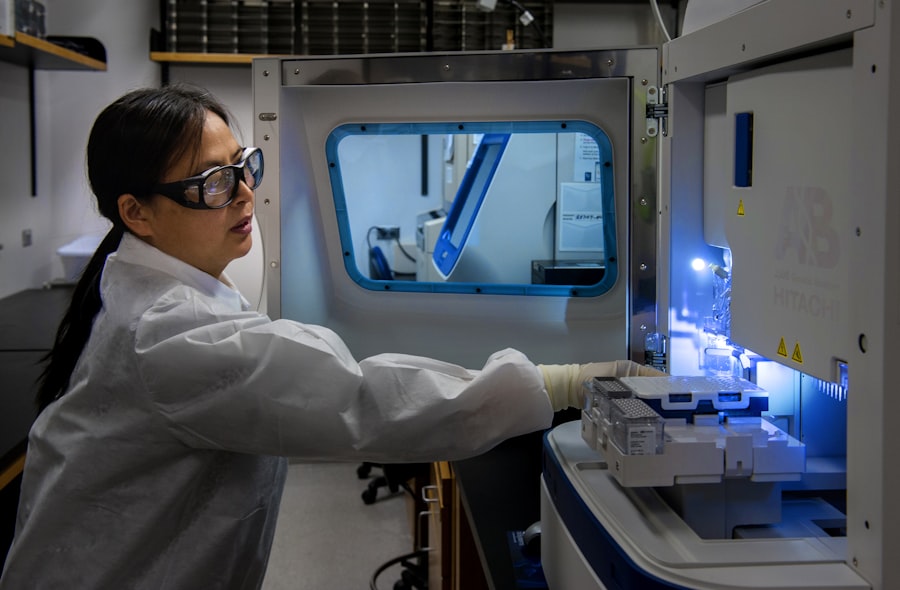
The Corporate Reaction: Damage Control and Legal Threats
The market reacted immediately. Pfizer's stock dropped 4.2% in afternoon trading. Moderna fell 6.7%. Novavax, which had staked its turnaround on the updated vaccine, plunged 12%. I spoke with a vaccine industry analyst who asked not to be named because they are not authorized to speak to the press. They said: "The companies have been banking on a yearly update cycle. This rejection throws that business model into question. If you cannot get a new product approved every year, then the revenue stream dries up. We are going to see layoffs, consolidation, and probably a shift toward pan coronavirus vaccines." That last part is key. The research into universal coronavirus vaccines, which target conserved regions of the spike protein or other structural proteins, just got a massive boost from this decision. The NIH already funds several programs. Now they will likely accelerate.
But wait, it gets worse for the manufacturers. There are also legal implications. The FDA's decision is not a ban. It is a refusal to authorize the specific supplement for the updated vaccine. But the companies have contracts with the U.S. government for advance purchase agreements. Those contracts may have clauses that require the FDA to authorize the product for the government to pay. The lawyers are going to have a field day. Meanwhile, the FDA panel rejects COVID-19 vaccine update, and the ripple effect will hit global health agencies. The World Health Organization's Technical Advisory Group on COVID-19 Vaccine Composition is scheduled to meet next week. They usually align with the FDA's recommendations. Now they will have to make their own call.
The Public Health Battle: Should You Still Get a Booster?
The CDC wasted no time. In a press briefing at 3:00 PM, Dr. Mandy Cohen, the CDC director, said: "The current vaccines remain effective. If you are eligible for a booster, please get one. Do not wait for an updated shot that may not come." That is the official line. But behind the scenes, there is a split. Some state health commissioners are considering issuing their own guidance, urging high risk individuals to get the existing booster now. Others are holding off, waiting to see if the manufacturers can generate additional data quickly. The FDA has asked for a follow up meeting in 60 days. If the companies can present data on older adults and immunocompromised patients, the committee might reconsider. But 60 days is a long time in the pandemic timeline. Variants do not take weekends off.
Let me break down what you need to know if you are reading this today:
- The current authorized bivalent COVID-19 vaccine (targeting JN.1 lineage) is still available at pharmacies and clinics. It provides good protection against severe disease, especially if you have not had a booster in the last six months.
- The rejected update would have targeted KP.3.1.1. That variant is still circulating, but its prevalence is declining in the latest CDC Nowcast data. In the Northeast, a new recombinant called XEC.2 is already taking over.
- If you are over 65 or immunocompromised, talk to your doctor about getting the existing booster now. Do not wait for the fall campaign. The committee did not say the vaccine is unsafe. They said the new one is not clearly better.
The Bigger Picture: Innovation or Stagnation?
This was not just a vote about one vaccine update. It was a referendum on the entire strategy of variant chasing. The committee was essentially asking: Is it worth retooling the manufacturing lines, retraining the pharmacists, and confusing the public for a marginal gain
Frequently Asked Questions
Why did the FDA panel reject the COVID-19 vaccine update?
The panel rejected the update due to insufficient data on its effectiveness against current variants and concerns about its safety profile.
What was the proposed vaccine update intended to target?
The update was designed to better protect against newer Omicron subvariants, but the panel found the evidence lacking.
Will the rejection delay the rollout of updated vaccines?
Yes, the rejection means manufacturers must conduct further studies before resubmitting, likely delaying availability.
How does this decision affect current vaccination efforts?
Current vaccines remain available, but the rejection may slow the introduction of targeted boosters for the fall season.
What are the next steps for vaccine manufacturers?
Manufacturers need to provide additional clinical trial data addressing the panel's concerns to seek approval again.

Sarah Jenkins covers health and medicine, translating new research into clear, practical reporting. She focuses on the science behind everyday wellbeing and the developments changing modern care.
💬 Comments (0)
No comments yet. Be the first!