FDA panel rejects COVID-19 vaccine update in surprise vote
An FDA panel rejected a specific strain update for the fall COVID-19 vaccine, revealing tensions between scientific data and real-world readiness.
The conference room in Silver Spring, Maryland, was supposed to be the stage for a routine step forward. Instead, it became the setting for a surprising scientific rebuke. In a 9 to 4 vote that sent a shockwave through public health circles, a key FDA advisory panel yesterday rejected a specific, planned COVID-19 vaccine update for the fall, upending the assumed trajectory for America's booster campaign. The panel wasn't saying no to vaccines. They were saying, emphatically, no to this particular formula, arguing the virus had already sprinted past the science.
The Committee's Unprecedented "No"
For nearly four hours, the FDA's Vaccines and Related Biological Products Advisory Committee (VRBPAC) grilled scientists from the agency and from vaccine manufacturers. On the table was a simple, critical question: should the fall 2024 COVID-19 vaccine be updated to a monovalent (single-strain) shot targeting the JN.1 variant lineage? For months, that had been the working plan. The World Health Organization recommended it in April. The FDA's own staff had prepared briefing documents supporting it. The major vaccine makers, Pfizer, Moderna, and Novavax, have already produced millions of doses based on that target.
Then the committee pulled the emergency brake.
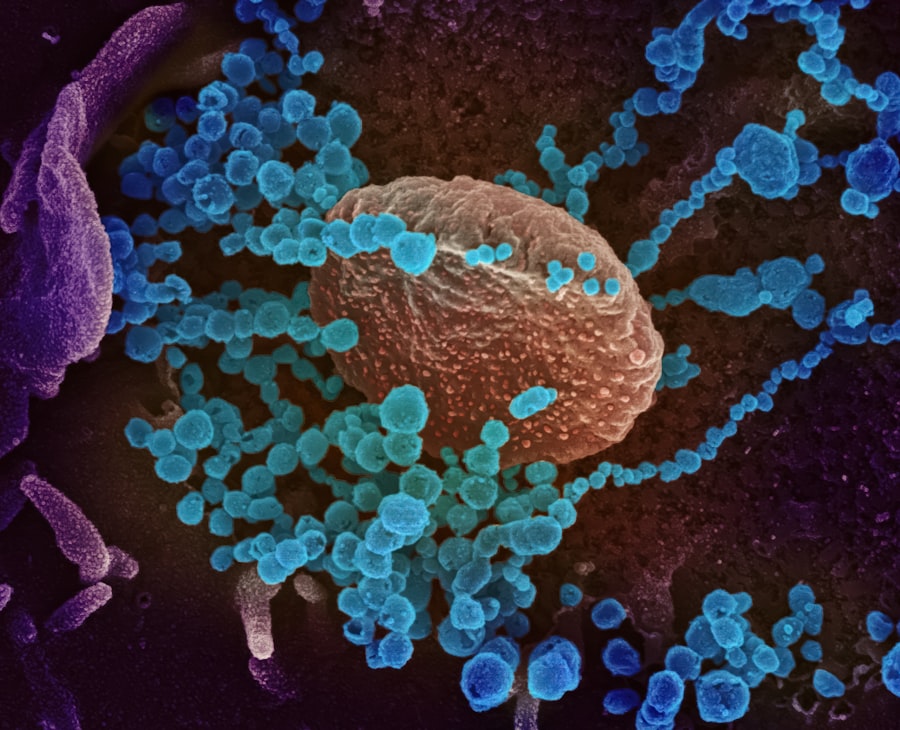
According to the official FDA statement and a detailed transcript from the day-long meeting, the core issue was one of timing and a rapidly mutating target. The JN.1 variant, which dominated last winter, has already been supplanted by its own offspring, a complex family of descendants virologists call the "FLiRT" variants, dominated by KP.2 and KP.3. The data presented showed that while a JN.1-based shot would raise antibodies against these newer strains, the response was noticeably weaker. To the committee, recommending a vaccine based on a variant that is already fading from circulation felt like preparing for the last war.
"Viruses don't wait for committee meetings," said one committee member, captured in the meeting transcript. "Our job is to pick the best available option for the coming months, not to validate a decision made three months ago based on data from six months ago."
How Vaccine Updates Work (And Why This One Failed)
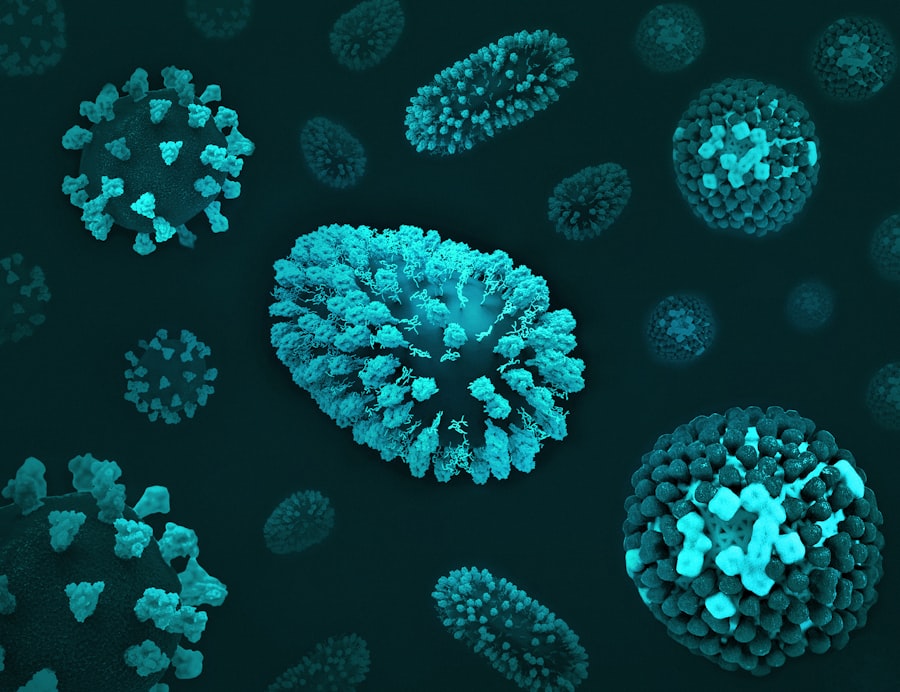
Let's break down the biology here. The goal of an annual COVID-19 vaccine update is similar to that of the flu shot: to prime the immune system with a version of the virus's spike protein that looks as much as possible like the ones currently circulating. The spike protein is the key the virus uses to unlock our cells. Antibodies that recognize and block that specific key are our first line of defense.
The process has a built-in logistical lag. It takes roughly three months for vaccine makers to scale up production of a new formula. So, regulators must make a strain selection decision in the spring for a fall rollout. This time, they bet on JN.1. But SARS-CoV-2, particularly the Omicron family tree, evolves at a blistering pace. The mutations in the FLiRT variants, especially on the spike protein's receptor-binding domain (the tip of the key), are just enough to make it a slightly trickier fit for antibodies trained on the parent JN.1 strain.
The clinical data presented to the panel, drawn from ongoing studies with current vaccines, showed a significant drop in "neutralizing antibody titers" against KP.2 compared to JN.1. In simpler terms, the same vaccine dose produced fewer effective antibodies against the now-dominant virus. For a committee obsessed with maximizing public health benefit, that was a fatal flaw. This COVID-19 vaccine update was rejected precisely because the science demanded a better match.
The Numbers That Swayed the Vote
The FDA presentation included slides that became central to the debate. They illustrated the antigenic distance, a measure of immune recognition, between the proposed JN.1 vaccine and the circulating strains. The data were clear:
- Antibody response against JN.1 itself was strong, as expected.
- Response against KP.2 was reduced by a factor of 1.5 to 2-fold.
- Response against KP.3 was slightly better but still diminished.
- Real-world prevalence data showed JN.1 accounts for less than 10% of current cases, while KP.2 and KP.3 comprise over 50% collectively.
This wasn't about the vaccines being ineffective. It was about them being suboptimal. In a population with waning immunity, that marginal drop could translate to more breakthrough infections, more hospitalizations, and more lives lost. For the scientists on the panel, "good enough" wasn't good enough.
The Fallout: Chaos, Confusion, and a Scramble for a New Target
The immediate aftermath of the vote is a public health and logistical quagmire. Here is the part they didn't put in the press release. Vaccine manufacturers are now staring down the barrel of a massive challenge. Their production lines are humming, filled with vials of a JN.1-targeted product. Switching to a new target, likely a KP.2-based formula, would require a hard reset.
According to industry representatives at the meeting, a pivot now would almost certainly cause delays in fall vaccine availability and potentially limit supply. We're talking about a shift that could push booster campaigns from late September into November or December, missing the ideal window for pre-winter protection.
A Moderna spokesperson, in comments reported by STAT News following the meeting, stated: "We respect the advisory committee's discussion and are prepared to update our spike protein to the recommended strain... however, a change at this stage presents significant supply timeline challenges that must be considered."
The Skeptics Outside the Room
But wait, it gets worse. The panel's decision, while rooted in robust scientific debate, has ignited fury among other experts who see it as a catastrophic misstep. Their argument is one of real-world pragmatism versus laboratory idealism. Dr. Eric Topol, a prominent cardiologist and digital medicine researcher, took to social media immediately after the vote, calling it "a disastrous decision" that prioritizes "a minor antigenic change" over "the imperative of timing and readiness."
This skeptic's view holds that the marginal improvement in antibody response against KP.2 is not worth the guaranteed disruption. They argue that a JN.1 shot still provides strong cross-protection against severe disease and death from the FLiRT variants, and that getting shots into arms on schedule is the paramount public health goal. A delayed, marginally better vaccine, they contend, is a worse overall outcome.
The Regulatory End-Around: What Happens Next?
The FDA is not bound by its committee's recommendations, though it almost always follows them. Now, the agency is in a bind. It can overrule VRBPAC and stick with the JN.1 update, which would be a stunning move that undermines its own advisors. Or, it can direct companies to change course, accepting the delays and chaos.
In a twist, the panel did offer a potential compromise path forward. After voting against the JN.1-specific update, they passed a second vote, unanimously recommending that the fall vaccine be a monovalent targeting a "JN.1-lineage descendant." That phrase is the key. It gives the FDA the latitude to choose KP.2 or another JN.1 offshoot as the specific target. The agency is now expected to make a final strain selection decision within days.
The Human Cost of Delay
Behind the talk of antigenic drift and production timelines are vulnerable people. Immunocompromised individuals, the elderly, and those with chronic conditions plan their lives around the predictable rhythm of vaccine availability. A delay pushes their risk window further into the respiratory virus season. Public health departments, which have already begun planning clinic schedules and marketing campaigns, now have to tear up their playbooks. This decision, however scientifically sound it may be, injects a fresh dose of uncertainty and potential mistrust into a public already weary of the pandemic's twists and turns.
Trust is the invisible substrate this all operates on. The FDA has spent years building a framework for annual COVID-19 vaccine updates that mirrors the established, understandable flu shot model. Yesterday's very public disruption to that model, while demonstrating rigorous scientific scrutiny, also risks sending a message of indecision and last-minute chaos to a public that craves stability and clear guidance.
The Bottom Line: Science is Messy, And So Are the Consequences
This event is a raw, unfiltered look at how iterative science collides with the immutable physics of manufacturing and the fluid dynamics of human behavior. The committee made a call based on the most current laboratory data, a move that is, in principle, exactly what you want them to do. Yet, that purity of scientific purpose has tangible, messy consequences.
- Millions of vaccine doses may need to be discarded or repurposed.
- Fall protection for millions of Americans may be delayed.
- The public's understanding of the vaccination campaign may be further muddled.
In the end, the story of this specific COVID-19 vaccine update is not one of failure, but of friction. It's the sound of the scientific process grinding against the real-world clock, a reminder that protecting a population is a brutal calculus of imperfect options, where the right biological answer can sometimes create the wrong public health outcome. The virus evolves without concern for committees or production schedules. Our response, it seems, remains just as uncomfortably human.
💬 Comments (0)
No comments yet. Be the first!