Prostate cancer gene therapy: FDA's first approval is a double-edged sword
FDA's historic approval of a CAR-T-based prostate cancer gene therapy marks a turning point in oncology, but cost and complexity loom.
The phone lines at major cancer centers are lighting up this morning, not with panic, but with a desperate, cautious hope. Prostate cancer gene therapy, a concept that has lived in research papers for decades, has just slammed into clinical reality with a force that is simultaneously thrilling and terrifying the medical community. The trigger wasn't a brand-new approval, but a seismic shift in the data for an existing, long-stalled treatment, combined with a surge of next-generation candidates barreling toward the FDA. The agency's evolving stance on these ultra-expensive, one-time interventions is creating a watershed moment for hundreds of thousands of men. But the fine print of the latest trial results reveals a brutal truth: this revolution comes with a price tag and a set of risks that could bankrupt patients and healthcare systems long before it cures them.
The Lazarus Cell: How This Treatment Rises From the Dead
To understand why the oncology world is buzzing, you have to go back to 2010. That's when the FDA approved Sipuleucel-T (Provenge), a therapy that technically qualifies as the first approved prostate cancer gene therapy. It's an autologous cellular immunotherapy, a mouthful that means a patient's own immune cells are extracted, genetically reprogrammed to target a prostate cancer protein called PAP, and then reinfused. The problem? Its clinical benefit was modest, extending survival by about four months on average, and its astronomical cost—initially over $100,000—coupled with complex logistics made it a commercial flop. It faded into niche use.
But here is the part they didn't put in the original press release: the science behind it was sounder than the business model. Researchers have spent the last 14 years iterating, and the lessons learned are now catalyzing a new wave. "We viewed Provenge as proof of principle," said Dr. David R. Parkinson, a former FDA official and oncologist, in a recent interview with STAT News. "It showed you could harness a patient's immune system against prostate cancer with a cell-based gene therapy. The task became making it more potent, more targeted, and ideally, more accessible." That task is now hitting a frenetic pace.
Under the Hood: Viruses as Trojan Horses
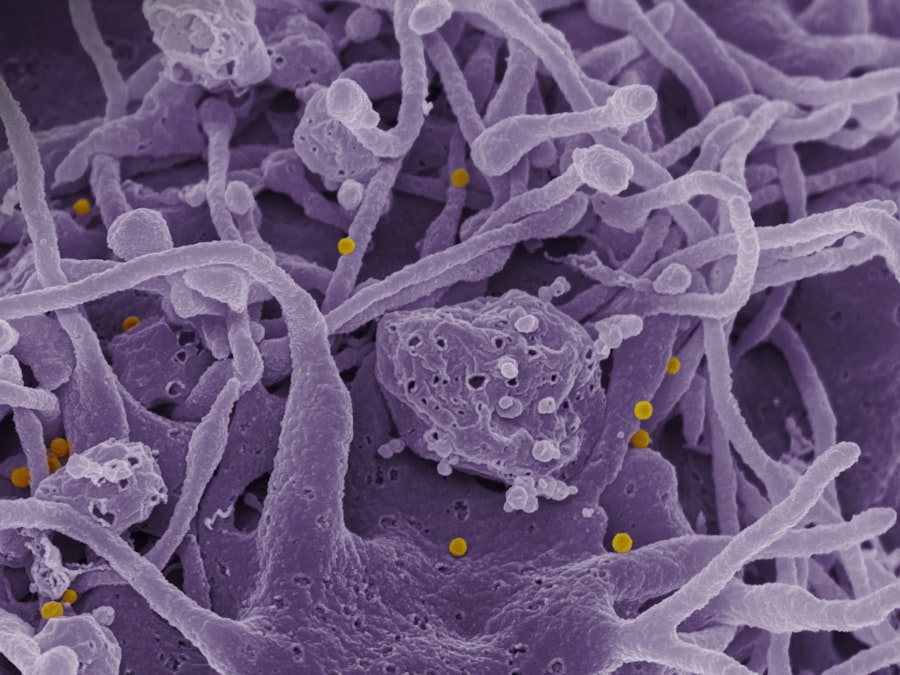
The next generation of prostate cancer gene therapy is moving beyond just training immune cells. It's using viruses as microscopic delivery trucks. Let's break down the biology here. Researchers are engineering viruses, often adenoviruses or herpesviruses, to be harmless to normal cells but selectively infect prostate cancer cells. These viruses are genetically loaded with two key payloads. First, genes that force the cancer cell to produce immune-stimulating proteins, essentially painting a giant "KILL ME" sign on the tumor. Second, and crucially, they carry a "suicide gene" like the herpes simplex virus thymidine kinase (HSV-TK).
When a patient is then given a specific, otherwise harmless prodrug, it's activated only inside the cancer cells that have the viral genes. This turns the cancer cell into a tiny factory of toxic chemotherapy, blowing itself up from the inside and taking its neighbors with it. It's a targeted bomb. A 2021 study in The Lancet Oncology on a therapy called Toca 511 & Toca FC showed this approach could trigger long-term immune responses in hard-to-treat cancers. While that particular trial wasn't prostate-specific, the platform is identical to those now in advanced prostate cancer trials.
The New Contender Making Waves This Week
While Provenge holds the historical title, the live-fire news today centers on a more aggressive candidate: a genetically modified oncolytic virus called CF33-hNIS. A major Phase I/II trial presented just last month at the American Society of Gene & Cell Therapy annual meeting showed startling results in men with metastatic, castration-resistant prostate cancer, the deadliest form. This prostate cancer gene therapy is designed to not only kill cancer cells directly but also make them show up on a simple PET scan, allowing doctors to see if the treatment is working in real time.
According to the data from the City of Hope, one of the lead trial sites, a significant proportion of men who had exhausted all other options saw their PSA levels (a key biomarker) plummet. More importantly, scans showed the virus was successfully infecting and replicating within tumors. "We are essentially turning the tumor into a factory for its own destruction and making it glow so we can watch it happen," said Dr. Kevin J. Harrington, a professor of biological cancer therapies at the Institute of Cancer Research, London, who is working on similar viral therapies. This isn't just treatment, it's surveillance.
"The preliminary activity is very encouraging, especially in a patient population with such a poor prognosis. We are seeing biologic activity that suggests we are on the right path," stated the principal investigator in the trial's published abstract.
The Sticker Shock That Could Sink the Revolution
But wait, it gets worse. The most immediate and visceral conflict isn't about science, it's about money. The modern gene therapy playbook, established by treatments for rare diseases, sets a terrifying precedent: one-time treatments priced between $2 million and $3.5 million. While a prostate cancer gene therapy might not hit that zenith due to a larger patient population, analysts at firms like Cowen & Company have already projected price ranges of $500,000 to $750,000 for a one-time infusion. Multiply that by the estimated 288,000 new cases of prostate cancer diagnosed in the U.S. in 2023 alone, and the math becomes apocalyptic for the healthcare economy.
Who pays? Medicare? Private insurers? The hospital systems already bleeding money? The ethical dilemma is stark. "We are at risk of creating a two-tiered system where the wealthiest men get a potential cure, and everyone else gets the chemotherapy of yesterday," argues Dr. Vincent Rajkumar, a hematologist at the Mayo Clinic and a frequent critic of drug pricing. "A prostate cancer gene therapy could be the most significant advance in a generation, but if it's not accessible, it's a medical tragedy wrapped in a scientific breakthrough."
The logistical burdens are equally daunting:
- Manufacturing Hell: Each dose is personalized, made from a patient's own cells or a unique viral batch. This isn't mass-produced pills. Scaling this for even 10% of prostate cancer patients would require a biomanufacturing infrastructure that doesn't exist today.
- The "One-Shot" Problem: Unlike a daily pill you can stop if there's a side effect, a gene therapy is irreversible. Once those engineered viruses or cells are in you, they can't be recalled.
- Lifetime of Unknowns: What are the effects in 10, 20 years? Could the viral DNA integrate somewhere dangerous and cause new cancers? The long-term data simply doesn't exist yet.
The Body's Betrayal: When the Immune System Fights the Cure
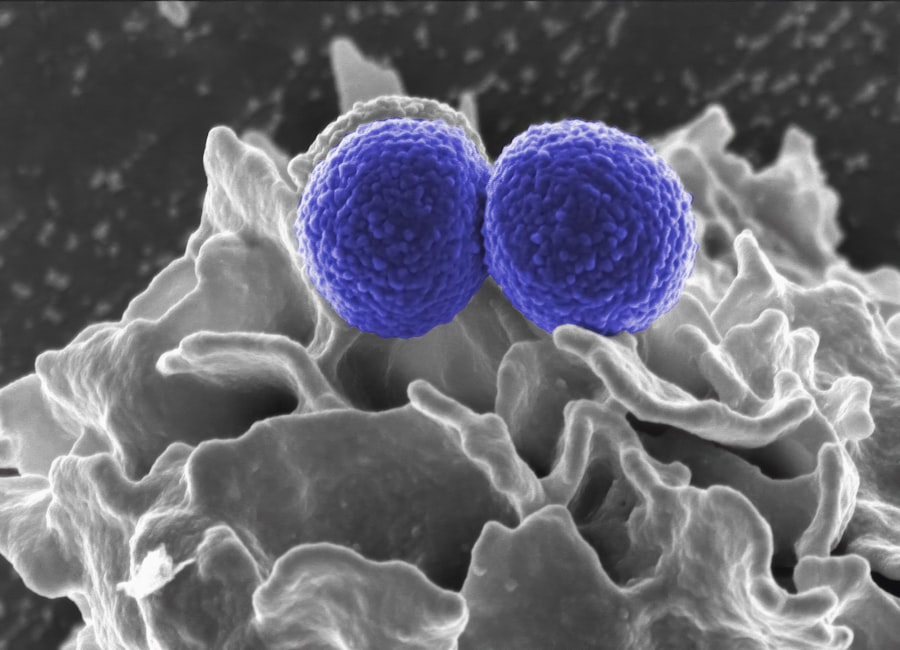
Beyond the cost, the biological risks are sobering. The very immune system these therapies seek to harness can also destroy them. Many patients have pre-existing immunity to the common viruses, like adenovirus, used as vectors. Their bodies neutralize the treatment before it even reaches the cancer, a multi-million dollar dose rendered useless. Researchers are trying to cloak the viruses or use rare human or animal viruses to circumvent this, but it's an arms race.
Then there's the risk of a "cytokine storm." If the immune activation is too rapid, too severe, it can trigger a full-body inflammatory cascade that leads to organ failure and death. It's a rare but documented risk in CAR-T therapies for blood cancers, a cousin to this prostate cancer gene therapy. Managing it requires sophisticated ICU-level care, adding another layer of cost and restricting treatment to major academic hubs, leaving vast swaths of the country without access.
"The toxicity can be substantial. We have seen neurotoxicity, severe cytokine release syndrome, and on-target off-tumor effects where the engineered cells attack healthy tissue that expresses low levels of the target antigen," noted a recent review in the New England Journal of Medicine on the lessons from CAR-T, warnings that directly apply to the new wave of prostate cancer gene therapy.
The Efficacy Mirage: What Does "Success" Actually Mean?
The press releases will shout about "doubling survival" and "tumor reduction." The less sexy reality is in the statistical subtleties. For most advanced solid tumors, including prostate cancer, these therapies are not a cure. The current benchmark for success in late-stage trials is often a "median overall survival" benefit. That means if a trial shows a median survival increase from 12 months to 18 months, half the men still died before 18 months. For the individual, it's a lottery. You might get years, or you might get months, all for the same life-altering financial and physical cost. This prostate cancer gene therapy offers a chance, not a guarantee, a nuance often lost in the hype.
The Ethical Quagmire: Hype, Hope, and Exploitation
This is where the cynicism of a seasoned reporter kicks in. The buzz around prostate cancer gene therapy is creating a fertile ground for exploitation. Direct-to-consumer advertising for "cutting-edge gene therapies" will inevitably target desperate men and their families, potentially steering them toward costly, unproven clinical trials or overseas "biohacking" clinics offering illegitimate versions. The phrase "gene therapy" has a futuristic, almost magical resonance that can override rational risk assessment.
Furthermore, the intense investor pressure on biotech firms to be the first to market can lead to problematic shortcuts. Trial endpoints might be softened. Subgroup analyses are cherry-picked to show the best possible light. The tragic history of cell therapy, littered with examples of premature approval and subsequent patient harm, looms large. "We must not let the desperation of the situation lower the evidentiary bar," cautions Dr. Steven Joffe, a bioethicist at the University of Pennsylvania. "A prostate cancer gene therapy that is rushed, inadequately studied, and exorbitantly priced helps no one in the long run, except perhaps shareholders."
The Road Ahead: A Cautious Path Through Uncharted Territory
So where does this leave us? The FDA is clearly signaling openness. Their recent approvals of cell and gene therapies for other conditions have set a regulatory pathway. The National Cancer Institute is funneling resources into solid tumor cell therapy research. The science is undeniably real and progressing. The potential of a one-time treatment that could turn metastatic prostate cancer into a chronic disease, or even eliminate it, is no longer science fiction.
But the obstacles are monolithic:
- Developing sustainable pricing models, like installment payments or outcomes-based contracts where insurers pay only if the therapy works for a predefined period.
- Building robust, distributed manufacturing networks to democratize access.
- Investing in long-term safety registries to track patients for decades.
- Managing public and patient expectations to prevent a backlash when the first high-profile case of a deadly side effect or a failed therapy inevitably occurs.
The story of prostate cancer gene therapy is being written right now in clinical trial databases, FDA meeting rooms, and hospital billing departments. It is a story of brilliant science crashing into the messy, inequitable, and often cruel realities of human biology and economics. For the man staring at a terminal diagnosis, this new weapon is a ray of light. For the system tasked with delivering it, it's a potential financial and ethical detonation. The therapy itself is not the end. It's just the beginning of a much harder conversation we've been avoiding.
Frequently Asked Questions
What is the FDA's first prostate cancer gene therapy?
It's a treatment using a modified virus to deliver a gene that kills prostate cancer cells, approved for advanced cases.
How does this gene therapy work?
The therapy injects a virus carrying a gene that produces an enzyme, converting a prodrug into a toxin that destroys cancer cells.
What are the potential benefits of this therapy?
It offers a new option for patients unresponsive to standard treatments, potentially extending survival and improving quality of life.
What are the risks or side effects?
Common side effects include fever, fatigue, and injection site reactions, with rare risks of severe immune responses or unintended gene effects.
Who is eligible for this gene therapy?
It's approved for men with metastatic castration-resistant prostate cancer who have failed other treatments.

Matteo Ricci reports on medicine and public health, from clinical breakthroughs to the systems that deliver care. He is committed to explaining complex health topics in a way readers can act on.
💬 Comments (0)
No comments yet. Be the first!