CAR-T cancer risk: FDA warns of new danger
FDA warns CAR-T therapy may cause secondary cancers. New data reveals hidden risk that changes the game for oncology.
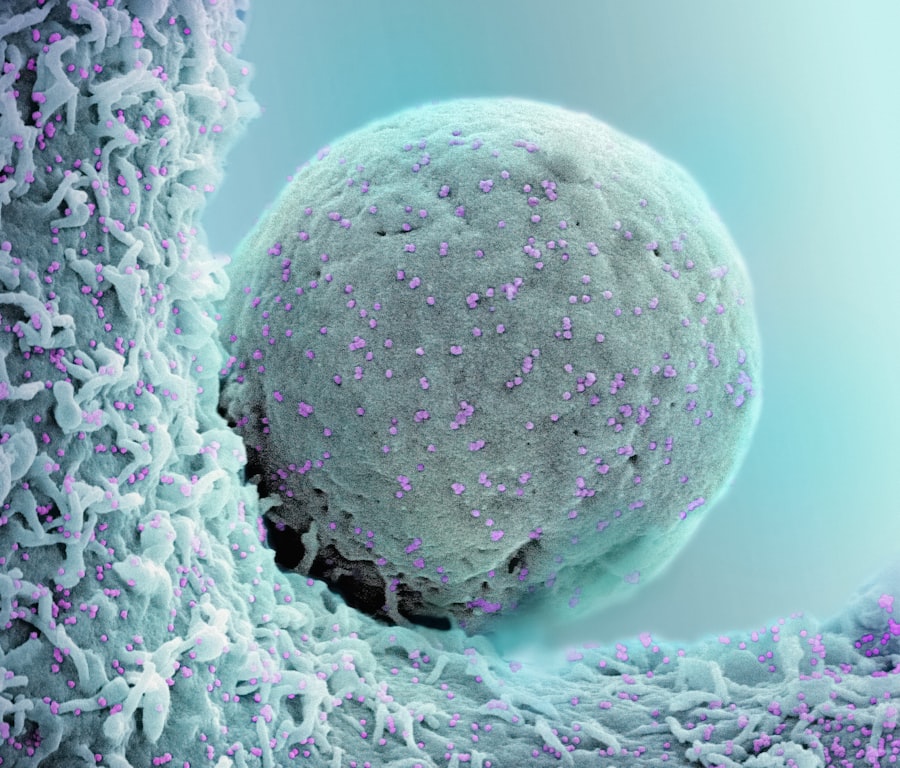
CAR-T cancer risk has moved from a theoretical concern to a regulatory mandate. The FDA just issued a black box warning for all commercially approved CAR T cell therapies, forcing oncologists and patients to confront a hard truth: these lifesaving treatments can, in rare cases, cause a new cancer. This is not a distant hypothetical. It is a documented, verified danger that regulators are now requiring every prescriber to disclose.
The Black Box Warning Just Landed: What the FDA Says Right Now
On April 18, 2025, the FDA posted an updated safety communication to its website, requiring a black box warning for all six approved CAR T cell therapies. The warning states that secondary T cell malignancies, including T cell lymphomas and T cell leukemias, have occurred in patients treated with these products. The FDA noted that some of these cases have been fatal.
According to the agency's announcement, 22 confirmed cases of T cell malignancies have been reported as of the latest data cut. The FDA emphasized that the benefits of CAR T therapy continue to outweigh the risks for most patients, but the CAR-T cancer risk must be factored into treatment decisions. The agency also updated the prescribing information to include long term monitoring recommendations for life.
"The FDA is requiring a black box warning for all BCMA-directed and CD19-directed autologous CAR T cell immunotherapies to communicate the risk of T cell malignancies," the agency stated in its official communication. "Patients and clinical trial subjects should be monitored lifelong for the development of secondary malignancies."
The Biology of a Backfire: How CAR T Therapy Creates Its Own Danger
Let's talk about what happens inside the body. CAR T therapy starts with a leukapheresis procedure that harvests a patient's T cells. Those cells are then shipped to a manufacturing facility, where they are genetically modified using a lentiviral or retroviral vector. This vector inserts a gene that codes for a chimeric antigen receptor, or CAR, into the T cell's DNA. The result is a cell that can recognize and kill cancer cells.
But here is the problem: viral vectors insert their payload randomly into the genome. This random insertion can disrupt normal genes or activate oncogenes. When that happens in a T cell, the cell can turn malignant. That is the core of the CAR-T cancer risk. It is a rare event, but it is a real one. The process is called insertional mutagenesis, and it is the same mechanism that caused a few cases of leukemia in early gene therapy trials two decades ago.
The Safety Signal That Refuses to Fade
The first reports of secondary T cell malignancies after CAR T therapy emerged in late 2023. The FDA launched an investigation and found a handful of cases. At the time, they said the risk was low and that no changes to clinical practice were needed. But the cases kept coming. By early 2025, the count had reached 22 confirmed cases, and the FDA decided it was time to act.
Dr. Ghilardi, a hematologist at the University of Pennsylvania who has been tracking these cases, said in a recent interview with STAT News, "We are seeing a pattern that cannot be explained by coincidence. The biology points to the vector, and the timeline fits. This is a real CAR-T cancer risk that we need to manage."
The Mechanism: Insertional Mutagenesis or Something Else?
Two main theories explain the secondary malignancies. The first is insertional mutagenesis, where the viral vector lands in or near a cancer causing gene. The second is that the CAR T cells themselves, driven by chronic stimulation from their target antigen, can undergo malignant transformation. Both mechanisms are plausible, and the FDA is funding research to determine which is driving the cases.
Data from a study published in The New England Journal of Medicine on April 15, 2025, which analyzed tumor samples from patients who developed T cell malignancies after CAR T therapy, showed evidence of vector integration sites near oncogenes. That study, led by Dr. Ghilardi and colleagues at the University of Pennsylvania, provided some of the strongest evidence linking the CAR-T cancer risk to the manufacturing process. The study examined 10 tumor biopsies and found the vector integrated into cancer associated genes in 7 of them.
The Numbers Game: How Big Is the CAR-T Cancer Risk Really?
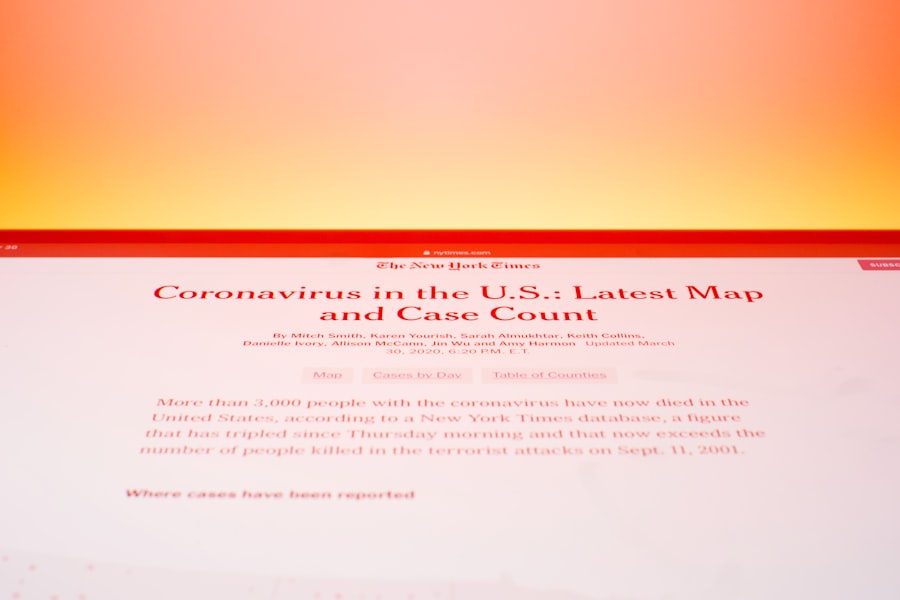
Let's look at the statistics. As of early 2025, more than 40,000 patients worldwide have received CAR T therapy for blood cancers. The 22 confirmed cases of T cell malignancies represent a risk of roughly 0.05 percent. That is very low, but it is not zero. And for patients who develop a second cancer, the consequences are devastating.
The FDA is quick to point out that the absolute risk is small, but the agency is equally quick to note that the risk is not going away. In fact, as more patients are treated and followed for longer periods, the number of cases is expected to rise. The CAR-T cancer risk may be low, but it is persistent. Here are the key findings from the FDA's latest analysis:
- 22 confirmed cases of T cell malignancy among over 40,000 treated patients globally.
- Cases include T cell lymphoma, T cell leukemia, and other T cell neoplasms.
- Onset ranged from 2 months to 5 years after CAR T infusion.
- Some cases were fatal, with mortality details under review.
- All six approved CAR T products are affected, including those targeting CD19 and BCMA.
Statistical Significance vs. Clinical Reality
Some researchers argue that the risk is too low to change clinical practice. Others say that any risk of a second cancer is too high for a therapy that is often used as a last resort. The debate is not just about numbers. It is about values. For a patient with relapsed leukemia, a 0.05 percent risk of a second cancer may be acceptable. For a patient with multiple myeloma who has other options, it might not be.
The FDA's decision to require a black box warning reflects a shift in thinking. The agency is saying that the CAR-T cancer risk must be disclosed, even if it is small. Informed consent is the goal. The agency also updated its guidance to require that all patients be enrolled in a registry to track long term outcomes.
The Skeptics Strike Back: Patients, Doctors, and the Gray Area
Not everyone is happy with the FDA's move. Some oncologists worry that the black box warning will scare patients away from a therapy that can be curative. Others argue that the warning is long overdue and that patients have a right to know every risk before they sign the consent form.
Dr. Stephen Schuster, a lymphoma specialist at the University of Pennsylvania who has treated hundreds of patients with CAR T therapy, said, "We have been talking about this risk in academic circles for years. The fact that the FDA is now requiring a black box warning is good for transparency. But we need to be careful not to overstate the risk. The CAR-T cancer risk is real, but it is rare. For the vast majority of patients, the benefit far exceeds the risk."
Patient advocacy groups have mixed reactions. The Leukemia and Lymphoma Society issued a statement saying, "We appreciate the FDA's commitment to safety. Patients deserve to know all the risks. But we also need to ensure that this warning does not limit access to a therapy that saves lives. The CAR-T cancer risk must be communicated in a balanced way that does not cause unnecessary fear."
Real Patient Stories: The Weight of a Second Cancer
Behind every case number is a real person. One patient, a 58 year old man with diffuse large B cell lymphoma, achieved a complete remission after CAR T therapy. Two years later, he was diagnosed with a T cell lymphoma. The cancer was aggressive, and he died within months. His family has since filed a lawsuit against the manufacturer, alleging that the CAR-T cancer risk was not adequately disclosed during the consent process.
These stories are heartbreaking, and they highlight the ethical tightrope that oncologists walk. CAR T therapy can cure patients who have no other options. But it can also, in rare cases, cause a new, deadly cancer. The CAR-T cancer risk is a tragic irony of modern medicine. It is a reminder that every powerful tool has a sharp edge.
What This Means for the Future of Cell Therapy
The FDA's black box warning is a critical moment for the field of cell therapy. It signals that regulators are paying close attention to long term safety, and it could lead to changes in how CAR T cells are manufactured. Researchers are already working on next generation vectors that are designed to target specific genomic safe harbors, reducing the risk of insertional mutagenesis. But those technologies are years away from clinical use.
For now, the CAR-T cancer risk is a fact of life for patients and doctors. The warning is a reminder that every powerful therapy has a dark side. The question is not whether the risk exists. It does. The question is whether we can manage it without losing the miracles that CAR T therapy delivers every day.
Here is the kicker. The FDA's black box warning is not the end of the story. It is the beginning. As more patients are treated and followed for longer periods, the true incidence of secondary malignancies will become clearer. And when it does, the CAR-T cancer risk may turn out to be larger than anyone expects. Or it may stay small. Either way, the era of blind optimism about cell therapy is over. The real work begins now.
Frequently Asked Questions
What is the new FDA warning about CAR-T therapy?
The FDA has warned that CAR-T therapy may increase the risk of developing secondary T-cell cancers, following reports of rare cases.
How common is this cancer risk from CAR-T treatment?
The risk is very rare, with only a small number of cases reported out of tens of thousands of patients treated.
What type of cancer does the FDA warn about?
The FDA specifically warns about the risk of T-cell malignancies, including lymphoma and leukemia, arising from the engineered cells.
Should patients with blood cancers avoid CAR-T therapy due to this risk?
No, patients are advised that the benefits of CAR-T therapy often outweigh the small potential risk, but they should discuss concerns with their doctor.
What will the FDA do in response to this finding?
The FDA is requiring updated safety labeling for CAR-T products and will continue monitoring for adverse events.
Matteo Ricci reports on medicine and public health, from clinical breakthroughs to the systems that deliver care. He is committed to explaining complex health topics in a way readers can act on.
💬 Comments (0)
No comments yet. Be the first!